When a Brittany Puppy Should Meet Its First Bird
The excitement of bringing home a Brittany puppy is immense, and for many, the dream of seeing that little dynamo pointing its first bird is almost immediate. But hold your horses! Rushing this crucial step can actually do more harm than good, creating fear or bad habits that are tough to undo. This guide will walk you through the optimal timing and gentle methods for introducing your Brittany puppy to birds, ensuring a positive and productive start to their hunting career.
The Great Debate: How Early Is Too Early for a Brittany Puppy?
It's a question that echoes through every Brittany enthusiast's mind: when can my pup actually meet a bird? The answer isn't a hard and fast date on the calendar, but rather a flexible window guided by developmental stages, individual personality, and a huge dose of common sense. There's a persistent myth that the earlier, the better, but that's not always the case for such a sensitive and intelligent breed.
Understanding the "Why" Behind the Wait
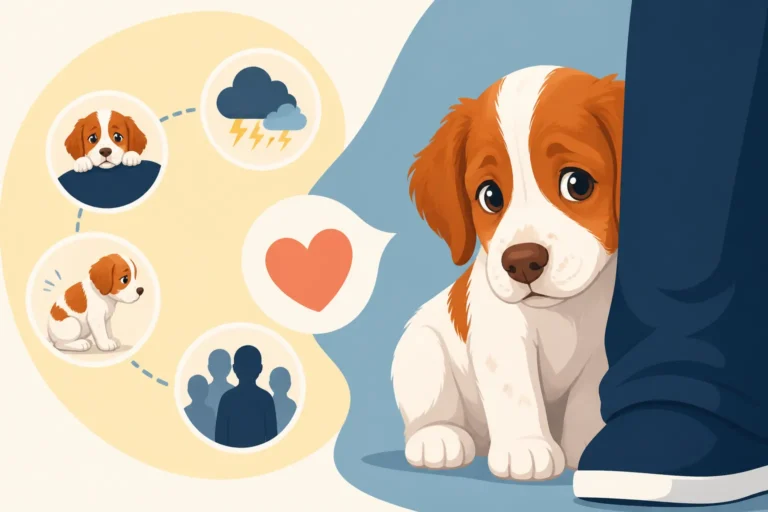
A Brittany puppy is a bundle of instinct, but it's also a delicate sponge soaking up every experience. Introducing birds too early, especially live birds in a stressful environment, can easily overwhelm them. Imagine a tiny human being thrown into a complex task before they've even learned to walk confidently. Their natural bird drive is there, sure, but it needs nurturing, not forced activation. Too much pressure, too soon, can lead to a pup that's either scared of birds, or worse, develops undesirable behaviors like chasing wildly or being "hard-mouthed" because they haven't learned control.
Think about it this way: you want your Brittany to be confident, curious, and excited by birds, not anxious or aggressive. Early negative experiences, like a bird flapping violently in their face when they're too young to process it, can create lasting aversion or fear. We want to build on their natural instincts, not attempt to install them. Patience is genuinely a virtue here, and it pays off in spades with a well-adjusted, confident hunting companion.
The Problem with Rushing the First Bird Encounter
It's tempting, isn't it? You see videos of tiny puppies pointing wings, and you think your little guy or gal should be doing the same. But that impulse to rush can be detrimental. A young puppy's immune system isn't fully developed, making them more susceptible to diseases carried by wild birds or even training birds. Beyond physical health, there's the mental aspect. A puppy's brain is still developing its capacity for focus, control, and processing new stimuli.
If a puppy is introduced to a live bird and it's too intense, they might develop gun shyness down the line, associate birds with fear, or become over-stimulated to the point of being uncontrollable. You might accidentally teach them to chase, which is exactly what we don't want in a pointing breed. A Brittany's innate pointing instinct is strong, but it can be overshadowed by a learned chasing habit if not managed carefully. The goal is to encourage a calm, intense point, not a frantic chase. This is where understanding How Sensitive a Brittany Is to Correction really comes into play; a harsh or startling experience can have profound, negative effects.
Understanding Your Brittany Puppy's Developmental Stages
Rather than focusing on an arbitrary age, let's look at your Brittany's developmental milestones. These are the true indicators of readiness. A puppy's brain and body go through incredible changes in their first few months, each stage opening new doors for learning.
The Critical Socialization Window (8-16 Weeks)
This period is absolutely crucial, but not primarily for bird work. From roughly 8 to 16 weeks, your Brittany puppy is forming its core understanding of the world. This is the time for broad, positive socialization to different sights, sounds, people, and safe environments. Getting them out and about, exposing them to different textures underfoot, strange noises, and gentle interactions is paramount. Think car rides, trips to pet-friendly stores (after vaccinations, of course), meeting calm, vaccinated dogs, and experiencing various household sounds.
During this stage, the focus should be on building confidence, curiosity, and a strong bond with you. This is also when you'll be working on basic obedience like "sit," "stay," and a reliable recall, all foundational skills for future bird work. Don't underestimate the power of positive reinforcement during this time. A happy, confident puppy that trusts you will be much more receptive to bird introductions later. You can learn more about this by reading Whether a Brittany Puppy Should Be Socialized Heavily.
When Instincts Start to Blossom (4-6 Months)
Around four to six months of age, you'll really start to see those natural Brittany instincts come to the forefront. This is often when a puppy will first show a natural point, sometimes on a leaf blowing in the wind, a butterfly, or even a dust bunny. These aren't just cute quirks; they're signals that their inherent programming is kicking in. This is a great time to introduce sensory aspects of birds.
You can start with a dead wing on a string, or a frozen bird wing. Let them sniff it, play with it gently. The goal is to build positive associations with the scent and feel of a bird without the overwhelming movement of a live one. Use praise and gentle encouragement. Short, positive sessions are key. Remember, How Long a Brittany's Training Session Should Be for a puppy is very short – think 5-10 minutes tops, ending on a high note. Overdoing it leads to boredom or frustration.
The 'How-To' of First Bird Introductions: Gentle Steps
Once your Brittany is mentally mature enough and has had some positive scent exposure, you can begin the actual bird introduction. Remember, the goal is always to make this a positive, low-pressure experience that taps into their natural prey drive and pointing instinct, rather than overwhelming them.
Scent and Sight: The Foundation
Before you even think about a live, flapping bird, your Brittany needs to understand what a bird is in terms of scent and sight without the added stress of movement. A great way to start is with a bird wing. You can get these from sporting goods stores, or save a wing from a harvested bird. Use a string to drag the wing along the ground in tall grass, allowing your pup to follow the scent trail. This encourages their natural tracking ability. When they find the wing, let them mouth it gently, praise them, and make it a fun game. Don't let them chew it apart; the idea is introduction, not destruction.
As they get more confident with the scent and texture, you can introduce a dead pigeon or quail. Again, let them investigate, mouth it, and associate it with positive interactions and praise from you. The size of the bird matters here; a smaller bird like a quail or a pigeon is less intimidating than a pheasant. This builds their confidence and allows them to realize that birds are fascinating without the sudden, unpredictable movements that can startle a young dog.
The First Live Bird: Controlled Environments
When your Brittany is consistently showing keen interest in dead birds and wings, and demonstrating a budding pointing instinct, it's time for a controlled live bird introduction. This usually happens between 5 to 8 months of age, depending on the individual pup. The key word here is controlled.
You'll want to use a bird that won't fly away immediately or fight back aggressively. Pigeons are excellent for this because they are relatively docile and, when "dizzy-dusted" (a humane way to temporarily disorient them, allowing for a good point), they won't spook the puppy by flapping too much. Use a check cord – a long line that allows you to control your dog's movement – attached to a well-fitting collar or harness.
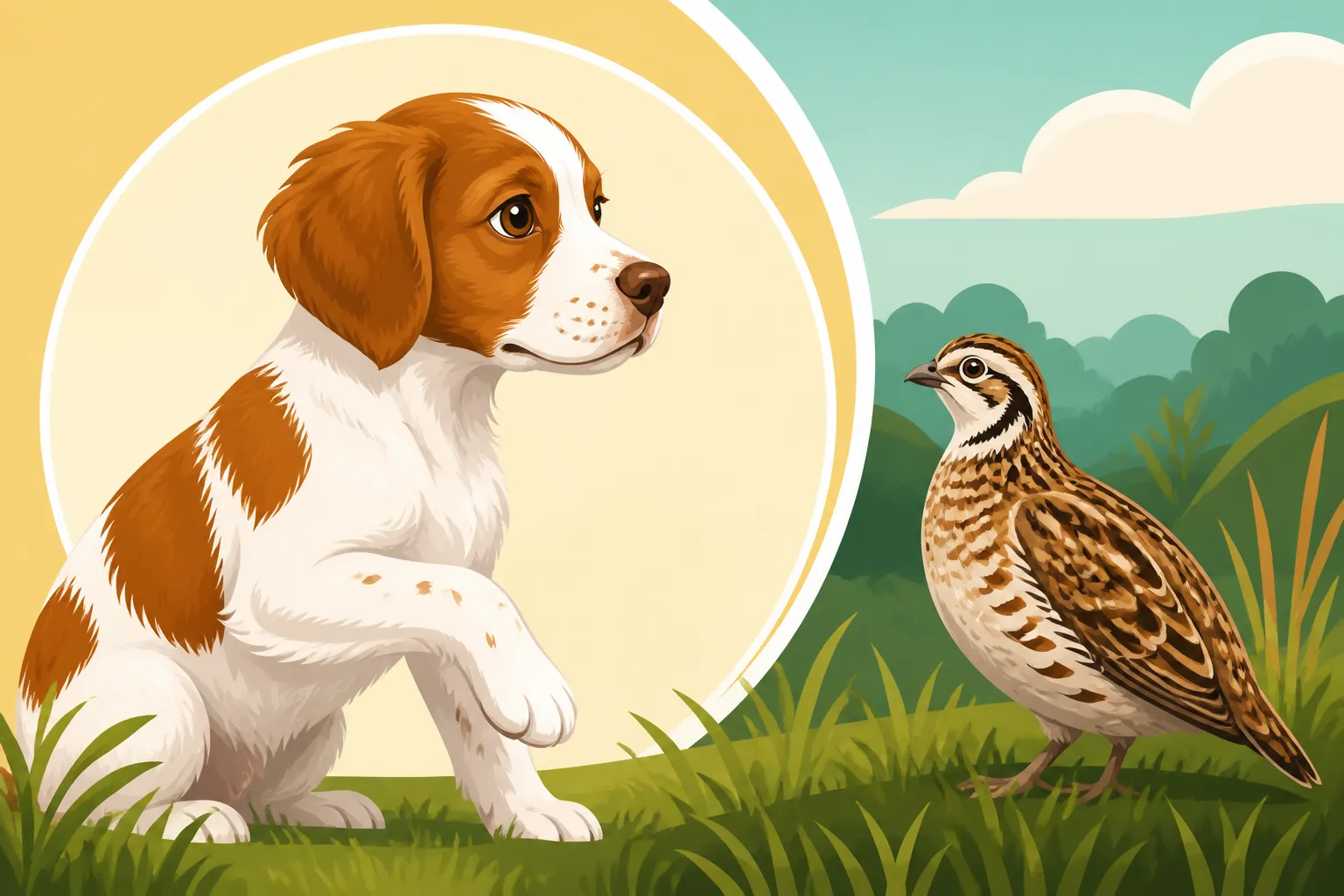
Find a quiet, grassy area without distractions. Release the dizzied pigeon or quail and let your pup walk up on it. Watch for that natural point! As soon as they lock up, praise them calmly and quietly. Allow them to hold the point for a few seconds, then gently step in, pick up the bird, and give your pup lots of positive reinforcement. Keep these sessions very short and end on a successful note. The goal is to reinforce the point, not to let them chase or catch the bird. This is a foundational step in Teaching a Brittany Steady to Wing.
Choosing the Right 'First Bird' for Your Brittany
The type of bird you choose for those initial introductions makes a big difference in how your Brittany responds. Not all birds are created equal in the eyes (and noses!) of a developing gun dog.
The Unsung Hero: Pigeons
For a Brittany puppy's first live bird encounter, pigeons are truly invaluable. They offer a fantastic combination of qualities that make them ideal for sensitive young dogs. First, they are readily available and relatively inexpensive compared to game birds. Many pigeon fanciers or training bird suppliers can provide them. Second, their scent is strong and enticing, making it easy for a puppy to locate. Third, and most importantly, they are generally less flighty and aggressive than game birds.
When properly "dizzy-dusted" or "hobbled" (where flight feathers are trimmed to prevent strong flight), a pigeon can be placed in cover, and the puppy can easily walk up on it and hold a point without the bird exploding into the air and scaring the pup. This allows the puppy to build confidence in their pointing ability without being overwhelmed. A controlled introduction with a pigeon reinforces the natural instinct to point and build that crucial positive association with bird scent and sight. You can find humane pigeon traps or even buy training pigeons through various online sporting goods retailers or agricultural suppliers, sometimes even on platforms like Amazon.
When to Introduce Game Birds (Quail, Pheasant)
After successful, consistent pointing on pigeons, you can gradually introduce game birds like quail and then pheasant. Quail are typically the next step because they are smaller and their flight is less explosive than a pheasant's. They still offer a good challenge and reinforce the pointing instinct. Again, use them in a controlled environment, perhaps in a launcher that holds the bird until you're ready, allowing for a controlled flush.
Pheasants should generally be reserved for more advanced stages. Their large size, powerful flight, and sometimes aggressive nature can be intimidating for a young, inexperienced Brittany. Introduce pheasants when your Brittany is confidently pointing quail, is steady to wing and shot, and has developed a solid retrieve. Rushing to pheasants can easily lead to a broken point or a scared dog. Building confidence slowly with easier birds ensures a more robust and fearless gun dog in the long run.
Avoiding Common Pitfalls in Early Bird Exposure
Even with the best intentions, it's easy to make mistakes during these critical early introductions. Being aware of these common pitfalls can help you steer clear of them and set your Brittany up for success.
The Danger of Over-Stimulation and Pressure
One of the biggest mistakes owners make is doing too much, too soon. A Brittany, with its eager-to-please nature and high drive, can easily become over-stimulated. Picture a puppy fixated on a bird, perhaps creeping closer and closer, and then the bird unexpectedly flushes. If this happens repeatedly without proper control, the pup might learn to break point and chase, or even become overly excited and lose its focus. You want an intense point, yes, but also a calm, steady one.
Avoid long training sessions. A puppy's attention span is limited, and pushing them past their capacity for focus will lead to frustration for both of you. Always end a session on a positive note, even if it's just a successful "sit" or "stay" after the bird work. Keep the energy calm and encouraging. Shouting, getting frustrated, or physically forcing a puppy to point or retrieve will only create negative associations and potentially damage that precious bond of trust. Remember, your Brittany is a partner, not a robot. Check out What a Brittany's Temperament Is Really Like for more on their sensitive nature.
Preventing Gun Shyness and Chase Habits
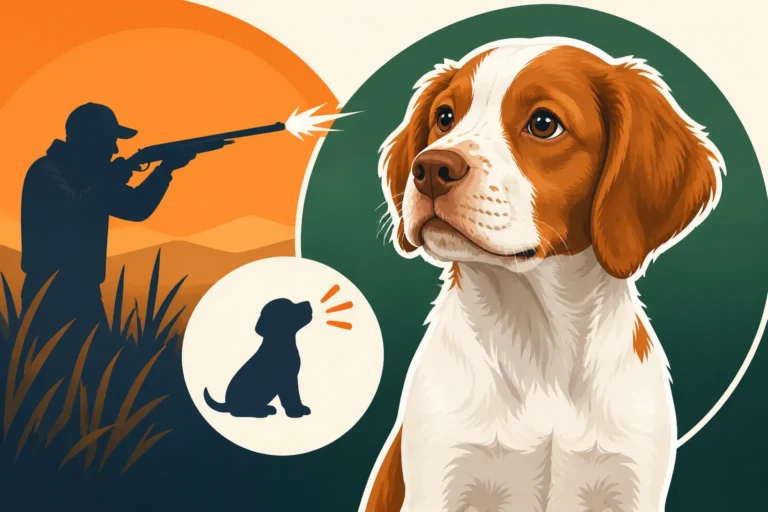
Introducing birds goes hand-in-hand with eventually introducing the sound of a gun. However, combining these too early or incorrectly is a recipe for disaster. Never, ever fire a gun near a puppy during its first bird introductions. The sound should be introduced separately and gradually, far away from the bird work, and only when the pup is confident with birds. You can read more about this in How to Introduce a Gun to a Brittany and understand Signs a Brittany Is Becoming Gun Shy.
Another critical mistake is allowing your Brittany to chase birds freely during early introductions. While it's natural for a puppy to want to pursue, we are training a pointing breed. Every uncontrolled chase reinforces the wrong behavior. This is why a check cord is indispensable in the early stages. It allows you to prevent chasing, reinforce the point, and build control. If a pup breaks point, gently correct them with the check cord, guide them back to the point, and praise them when they stop. Teaching a Brittany Whoa is essential before live bird work, as it gives you the command to stop them from chasing.
| Puppy Age / Stage | Focus Activity | Bird Type | Key Goal | Common Pitfall to Avoid |
|---|---|---|---|---|
| 8-16 Weeks | Socialization, Basic Obedience | Dead wing/scent | Confidence, positive scent association | Over-stimulation, live birds |
| 4-6 Months | Scent work, controlled wing retrieves, puppy points | Dead bird (quail/pigeon), frozen wing | Reinforce natural point, build drive | Allowing uncontrolled chasing |
| 5-8 Months | First live bird introductions, short sessions | Dizzy-dusted pigeons | Build point confidence, control | Too much pressure, loud noises |
| 8-12 Months | Controlled flushes, advanced bird work, gun introduction (separate) | Quail (crippled), pigeons | Develop steadiness, introduce gun sound | Rushing gun intro, allowing retrieves without control |
Reading Your Puppy's Cues and Adapting
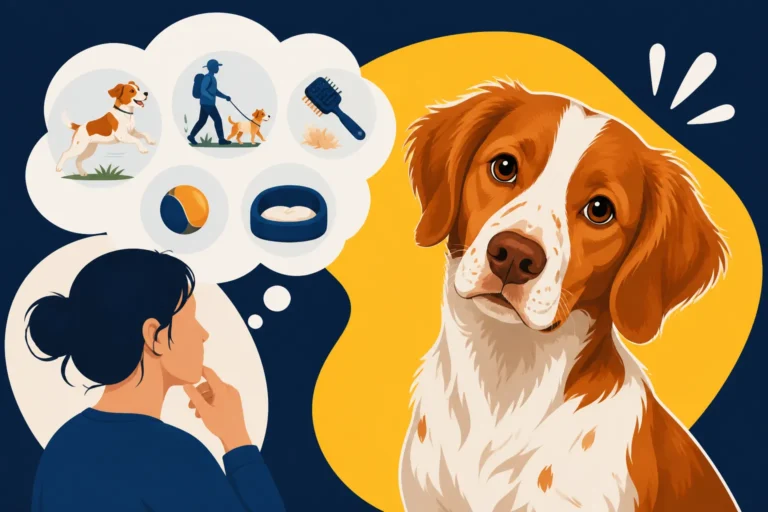
Every Brittany puppy is an individual, and what works for one might not work for another. The key to successful early bird work is being a keen observer and adapting your approach to your dog's unique personality and responses.
Signs of Readiness and Confidence
How do you know your Brittany is ready to move forward? Look for these positive indicators:
- Intense Interest: They show a strong, consistent interest in bird wings and dead birds, sniffing enthusiastically and gently mouthing them.
- Natural Point: They are exhibiting natural pointing behavior on various stimuli, even if it's just a bug or a rustling leaf. The Age a Brittany Puppy First Points can vary, but watch for it.
- Calm Curiosity: When introduced to the scent of a bird (like a bird in a cage or a scent bag), they are curious and focused, not anxious or over-the-top frantic.
- Good Recall: They have a reliable recall in a low-distraction environment. This is absolutely critical for safely working around birds.
- Obedience Foundation: They understand and respond consistently to basic commands like "sit," "stay," and "whoa." A well-mannered pup is a well-trained pup.
If your pup displays these traits, you're on the right track! Continue to build on this foundation with short, positive sessions. Remember to check their physical development too; make sure they are growing well and eating enough, as discussed in What a Brittany Puppy Eats.
Recognizing Stress and Fear Signals
Just as important as recognizing readiness is recognizing when your puppy is not ready, or is becoming overwhelmed. Watch for these stress signals:
- Avoidance: Turning away from the bird, trying to get away, or showing no interest despite encouragement.
- Excessive Licking/Yawning: These can be calming signals that indicate stress.
- Tail Tucked/Low Carriage: Clear signs of fear or insecurity.
- Whining/Shaking: Obvious signs of being scared.
- Excessive Chasing/Bumping: While it might seem like drive, if it's uncontrolled and frantic, it can be a sign of over-excitement bordering on anxiety, or a lack of understanding of what's expected.
- Snapping/Growling (rare but possible): If a puppy is truly fearful, they might show defensive aggression.
If you see these signs, back off immediately. End the session. Reassess. Maybe you need to go back to just scent work, or simplify the environment. Perhaps the bird was too active, or the session too long. Every negative experience can set your training back, so always err on the side of caution and return to a stage where they were comfortable and successful. The goal is enjoyment, not forced performance.
Beyond the First Bird: Building on Success
The first bird encounter is just the beginning of a lifelong journey with your Brittany. What comes next is about refining those natural instincts and building a reliable, steady hunting companion.
Gradual Progression to Advanced Bird Work
Once your Brittany is confidently pointing pigeons on a check cord, you can start introducing more variables.
- Controlled Flushes: Begin to introduce birds that can fly. Use a bird launcher or a controlled throw. The goal here is to get your dog to hold point even as the bird flushes, moving towards "steady to wing." The check cord is still your best friend here, preventing any premature chasing.
- Gun Introduction: As mentioned, gun introduction must be separate and gradual. Start with a cap gun or starter pistol far away, making sure the pup is comfortable with the sound before moving it closer or associating it with birds. Eventually, when they are steady to wing, you can introduce a shot after the flush, from a distance, gradually decreasing the distance over time. This helps prevent them from becoming Signs a Brittany Is Becoming Gun Shy.
- Retrieves: While many Brittanys are natural retrievers, some need encouragement, and all need controlled retrieving. Don't let your pup retrieve a bird until they are steady to wing and shot. You want them to retrieve on command, bringing the bird gently to hand. If your pup is a bit "hard-mouthed," you might need to teach Whether a Brittany Needs Force Fetch to ensure they deliver birds unharmed.
Throughout all these stages, consistency and positive reinforcement are key. Keep sessions short, fun, and always end on a successful note. The BAXTER & Bella online puppy program, for example, emphasizes positive reinforcement and building a strong foundation, which is exactly what you need for a sensitive breed like the Brittany before tackling advanced field work.
The Role of Socialization in Field Success
Never forget that a well-socialized Brittany is a better hunting companion. Exposure to various environments, other dogs, and people is not just for being a good house pet; it directly impacts their performance in the field. A dog that is confident in new surroundings will be less distracted by unfamiliar sights and sounds, allowing them to focus better on birds.
Consider enrolling in a good puppy class, not just for obedience but for exposure. Taking your pup on walks in different terrains (once physically mature enough to avoid issues like Whether a Brittany Puppy Should Run on Hard Ground), including light cover, helps them get comfortable with the feel of varied environments underfoot. A Brittany that is well-adjusted and confident overall will be more resilient to the challenges and excitement of hunting, and less likely to develop anxiety or behavioral issues, such as What an Under Exercised Brittany Does at Home.
By patiently following these steps and always putting your Brittany's well-being and confidence first, you'll be well on your way to developing a remarkable and steady bird dog.
Disclaimer
This article is for general informational purposes only and does not constitute professional advice. Laws, prices and regulations vary by location and change over time. Consult a qualified professional for guidance on your specific situation.