What a Hunting Season Costs a Brittany Owner
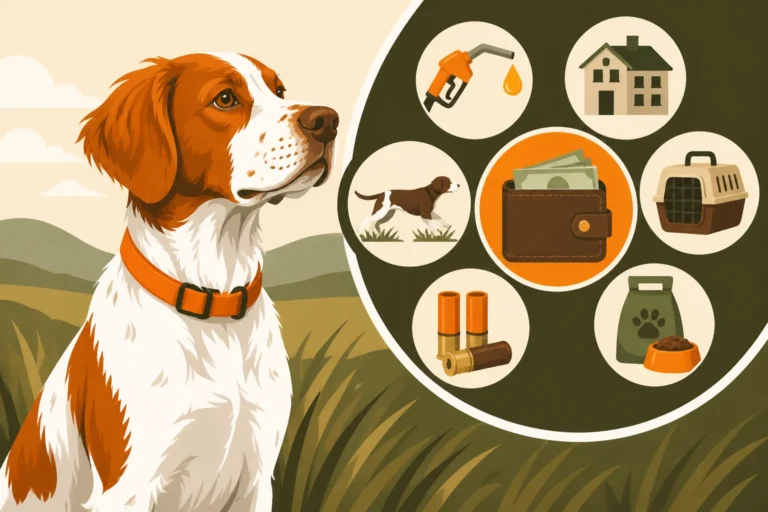
One of the biggest eye-openers for new Brittany owners, especially those who plan to hunt, is just how quickly the costs of a hunting season can add up. It's not just the price of ammunition and a hunting license; from specialized gear to unexpected vet bills, the financial commitment can feel overwhelming. This comprehensive guide will walk you through all the potential expenses you might encounter, helping you anticipate and budget for a successful and enjoyable hunting season with your beloved Brittany.
Setting the Stage: Why Hunting Season Costs for a Brittany Add Up
Bringing a Brittany into your life is an incredible joy, especially when you envision those crisp autumn mornings in the field. But the dream of watching your dog work can sometimes overshadow the practical realities of what goes into supporting that passion. Many folks underestimate the financial layers involved in preparing and maintaining a gun dog for an active hunting season. It’s a lot more than just showing up with your shotgun and a bag of kibble.
The Hunter's Reality: Beyond Just Ammunition
When we talk about hunting costs, the first things that usually spring to mind are the obvious ones: the shotgun, the ammunition, and your hunting license. And yes, those are absolutely part of the equation. But for a dedicated bird dog owner, those are just the tip of the iceberg. Your Brittany isn't just a piece of equipment; they're a living, breathing, high-performance athlete whose well-being and peak condition directly impact your success and enjoyment in the field. Every aspect of their care, from nutrition to preventative medicine and specialized gear, becomes a hunting expense.
Think about it: a top-tier athlete needs tailored nutrition, regular physical check-ups, conditioning programs, and specialized equipment to perform at their best and stay injury-free. Your Brittany is no different. They need a diet that supports their energy output, veterinary care to keep them healthy, training to hone their skills, and protective gear to navigate harsh terrain. Neglecting any of these areas can not only lead to a less effective hunting partner but also potentially much higher costs down the line if health or training issues arise. The overall investment is significant, but it's an investment in the health and capability of your best hunting buddy.
Variable Costs: What Changes Season to Season
The beauty and challenge of hunting season costs lie in their variability. What you spend one year might be vastly different from the next, depending on a host of factors. Are you staying close to home, hunting public land, or planning an out-of-state excursion to a private preserve? Is it a particularly harsh winter with more risk of injury, or a mild one? The type of game you pursue, the number of trips you take, and even the weather conditions can all swing your budget significantly.
For instance, a season spent pursuing local quail on public land might primarily involve gas money, ammunition, and perhaps a few bags of training birds. However, a dream trip chasing pheasants in the Dakotas could easily pile on expenses for lodging, specialized permits, guided hunts, and extended travel. The availability of birds in a given year, changes in regulations, or even a personal decision to invest more heavily in professional training can all cause your seasonal budget to fluctuate. It’s crucial to think about these variables when you’re planning, rather than assuming every year will mirror the last.
Pre-Season Investments: Getting Your Brittany Field-Ready
Before the first leaves even start to turn, the clock is ticking on getting your Brittany in prime condition for the season. These pre-season investments are arguably the most critical, as they lay the foundation for a healthy, injury-free, and successful hunting experience. Skimping here often leads to bigger headaches and expenses later.
Health Check-ups and Preventative Care
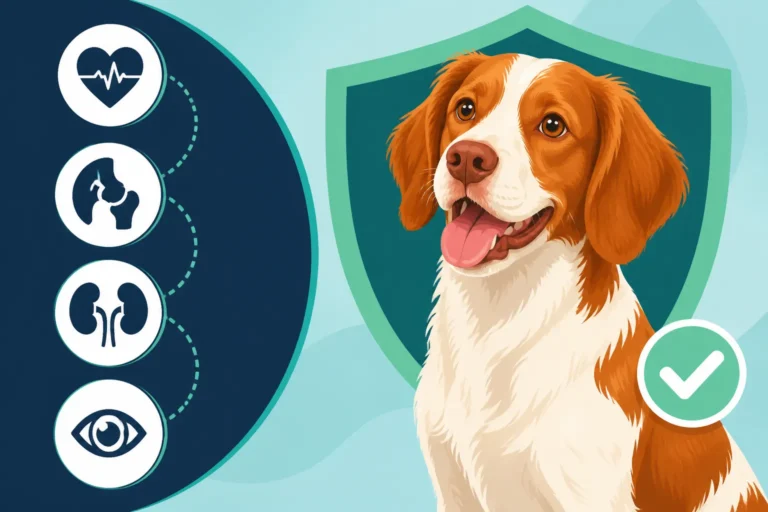
A healthy dog is a hunting dog, and preventative veterinary care is non-negotiable for a Brittany that's going to spend hours pounding the ground, navigating thick cover, and retrieving in all sorts of environments. Before opening day, your Brittany should have a thorough physical exam with your veterinarian. This isn't just a quick peek; it's a comprehensive check of their joints, heart, lungs, and overall condition to ensure they are fit for the strenuous activity ahead.
Beyond the annual wellness exam, there are specific vaccinations and parasite preventatives that become especially important for a field dog. Your vet will likely recommend a Whether a Brittany Needs a Leptospirosis Shot if they'll be exposed to standing water or wildlife, as this disease is common in many hunting environments. Additionally, depending on your geographic area, a Whether a Brittany Should Have a Snake Bite Vaccine might be a wise, albeit optional, investment if venomous snakes are prevalent. On top of that, year-round flea, tick, and heartworm prevention are absolutely critical. Ticks are not just annoying; they carry diseases like Lyme disease and anaplasmosis, which can seriously sideline your dog. These preventative measures, while an upfront cost, are far less expensive than treating a full-blown illness or infestation. Don't forget, too, that some vets recommend a preseason bloodwork panel to establish a baseline for your dog's health before they hit their peak activity levels.
Conditioning and Training Expenses
A Brittany doesn't just wake up on opening day ready to run for miles. Just like a human athlete, they need a structured conditioning program to build stamina, strengthen muscles, and prevent injuries. This might involve gradually increasing runs, swimming, or long walks on varied terrain. The time commitment is substantial, but there are also financial implications. A working Brittany needs more than standard kibble; they often thrive on high-performance dog foods with higher protein and fat content to sustain their energy levels. You might be asking Whether a Working Brittany Needs a Performance Food, and for most active hunting Brittanys, the answer is a resounding yes. Brands like Ollie, which offer customized fresh food plans, can be excellent for providing the right nutrition, though they come at a premium price.
Training is another significant pre-season expense. Whether you're doing it yourself or sending your dog to a professional, there are costs involved. If you're handling the training, you'll need training birds like pigeons or quail, which aren't free, and the quantity can quickly add up. What Training Birds Cost a Brittany Owner can vary wildly depending on your supplier and location. You'll also invest in essential training tools like check cords, whistles, and perhaps an e-collar, which can range from basic models to advanced GPS-enabled units. If you opt for professional help, be prepared for a substantial fee. What a Professional Gun Dog Trainer Charges for a Brittany can easily run into thousands of dollars for a multi-week program, but it's often a worthwhile investment for a well-schooled gun dog.
Essential Gear and Equipment Upgrades
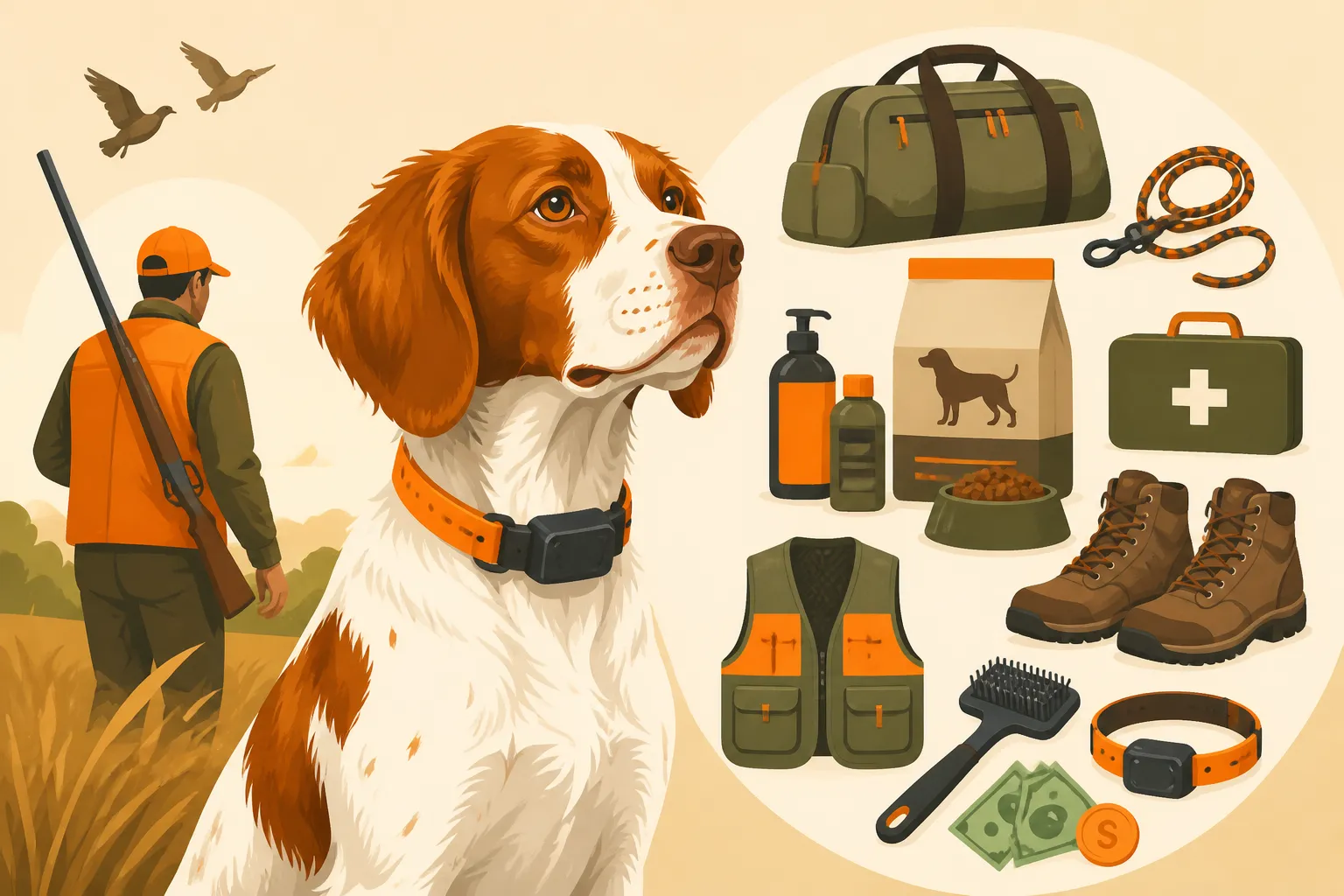
Outfitting your Brittany for the field goes far beyond just a collar and leash. The right gear not only enhances their performance but, more importantly, protects them from the elements and hazards of the hunt. A durable blaze orange vest is crucial for visibility and protection against thorns and briars, and if you hunt in cold water or late season, a neoprene vest can prevent hypothermia. These items need to fit well and be checked for wear and tear before each season.
One of the most valuable investments for a wide-ranging Brittany is a GPS collar. What a GPS Collar Costs a Brittany Owner might seem steep initially, but being able to track your dog's location in dense cover or across vast fields is invaluable for safety and peace of mind. Other foot protection like What Boots Cost for a Brittany might be necessary if your dog has sensitive pads or you hunt particularly rocky or stubbly terrain. Don't forget transportation, either. A secure, well-ventilated dog box or crate for your truck is essential for your Brittany's safety during travel to and from hunting grounds. These are investments that, if chosen wisely, will last for many seasons, but they represent a significant upfront cost.
In-Season Expenses: On the Trail and In the Field
Once opening day arrives, the pre-season work transitions into the actual experience, and with it, a new set of ongoing costs. These are the expenses directly tied to your hunting trips and can fluctuate based on how frequently and how far you decide to venture out.
Travel and Lodging Costs
For many hunters, the pursuit of game takes them far beyond their immediate backyard. Traveling to prime hunting spots, whether within your state or across borders, can quickly become a major expense. The most obvious cost is fuel for your vehicle. Depending on the efficiency of your truck and the distance to your preferred hunting areas, gas money can add up significantly over a season. Don't forget the wear and tear on your vehicle, either; long drives on dirt roads can necessitate more frequent oil changes and tire rotations.
If your hunting trips involve overnight stays, lodging costs come into play. This could range from inexpensive camping fees at state parks to hotel rooms that accommodate dogs, which often come with additional pet fees. Some hunters opt for cabins or short-term rentals, especially when traveling with a group. Planning these trips in advance and sharing costs with hunting buddies can help mitigate these expenses, but it's still a line item that needs to be factored into your overall seasonal budget. The further and more frequently you travel, the bigger this slice of the pie becomes.
Licenses, Permits, and Access Fees
Every hunter understands the necessity of licenses and permits, but the specific requirements can vary greatly depending on where and what you're hunting. At a minimum, you'll need a state hunting license, and often additional stamps or permits for specific game, like a federal duck stamp for waterfowl. These fees are usually annual, but if you plan to hunt in multiple states, you'll need non-resident licenses for each, which are typically much more expensive.
Beyond state and federal requirements, you might incur access fees. This is especially true if you hunt on private preserves or leased land. Many game farms charge a daily fee per hunter, sometimes with an additional charge per bird released or per dog. If you’re fortunate enough to have access to private land, there might still be lease fees or contributions for land management. These fees are essential for legal hunting and often contribute to conservation efforts, but they represent a recurring cost for each hunting outing.
Field Supplies and Replenishables
Once you’re in the field, there’s a continuous need for supplies. Ammunition is a prime example; even if you stock up pre-season, you'll likely go through multiple boxes during practice and actual hunts. Beyond ammo, your Brittany has its own set of consumables. Water, especially for a hard-working dog, is crucial. You’ll need to carry plenty for both of you, and potentially a portable bowl. During long days, high-energy snacks for your dog can help maintain their stamina.
A well-stocked first-aid kit is also essential for both you and your Brittany. Items like vet wrap, antiseptic wipes, saline solution, and styptic powder will be used up over the season as you deal with minor scrapes and cuts. Batteries for e-collars, GPS units, and flashlights are another recurring expense. These smaller, seemingly insignificant costs can add up over the course of a hunting season, so it's wise to keep an eye on your inventory and replenish as needed. Think of it as the ongoing operational costs of your field adventures.
Post-Season Care and Ongoing Maintenance
The end of hunting season doesn't mean the end of expenses. In fact, what happens after the last bird is flushed is critical for your Brittany's recovery and long-term health, and it comes with its own set of financial considerations.
Recovery and Rehabilitation for Your Brittany
A long hunting season takes a toll on even the fittest Brittany. Their pads might be worn, their muscles tired, and minor injuries are almost inevitable. Post-season is the time for a thorough vet check to address any lingering issues that might not have seemed urgent during the heat of the hunt. This could involve treating minor lacerations, addressing sore joints, or pulling out any embedded foxtails that might have gone unnoticed. What a Foxtail Removal Costs on a Brittany can vary, but it’s a common procedure that often requires sedation. Similarly, if your Brittany has suffered from What a Brittany's Field Injuries Cost in a Season such as a torn pad, the post-season is when you might fully address the healing and recovery, sometimes requiring specialized wraps or even stitches. How to Treat a Brittany's Torn Pad might involve simple first aid in the field, but ensuring it heals properly after the season is paramount. Even small cuts, like those that sometimes necessitate How to Close a Brittany's Field Laceration, require careful post-season monitoring to prevent infection and ensure full recovery.
Beyond immediate injury treatment, your Brittany might benefit from a period of rehabilitation. This could include controlled exercise, massage, or even supplements to aid joint recovery. Some older Brittanys might experience more significant joint stiffness or arthritis after a strenuous season, requiring ongoing medication or physical therapy to maintain their comfort and mobility. These recovery phases are essential to ensure your dog is ready and willing to hit the field again next year, making them a necessary post-season expense.
Continued Nutrition and Conditioning
While the intensity of physical activity might decrease after the season, your Brittany's nutritional needs still require attention. A hard hunting season can lead to weight loss, and the post-season is the perfect time to help your dog regain any lost pounds and maintain a healthy body condition. How to Put Weight Back on a Brittany often involves careful monitoring of food intake and ensuring a high-quality diet. You might still be feeding a performance-grade food, or transitioning back to a maintenance diet, but the focus remains on optimal health.
Even in the off-season, Brittanys are active dogs that require regular exercise to stay fit and mentally stimulated. While not as rigorous as hunting, ongoing conditioning prevents them from becoming couch potatoes and ensures they don't lose all the hard-earned muscle and stamina. This means continued expenses for quality food—though perhaps a slightly different type or amount than How Much More a Brittany Eats in Hunting Season—and potentially memberships to dog parks or other activity-based outlets. Consistency in their care, even when not actively hunting, is key to their overall well-being and readiness for the next season.
Gear Cleaning, Repair, and Storage
After every hunting trip, but especially at the end of the season, your gear needs attention. Neglecting your equipment can lead to premature wear, malfunctions, and the need for costly replacements. This involves thoroughly cleaning your dog's vests, collars, and leashes, removing all mud, burrs, and debris. If you use a dog box or crate, it needs a deep clean and disinfection.
Any gear that's sustained damage during the season, like a torn vest or a frayed check cord, should be repaired or replaced. While some minor repairs you might handle yourself, more significant damage to electronics like e-collars or GPS units may require professional servicing. Proper storage is also important; ensuring your gear is clean, dry, and protected from the elements will extend its lifespan. These seemingly small tasks and associated costs contribute to the longevity of your investment and ensure everything is in working order for the next hunting adventure.
The Unforeseen: Emergency Costs and Insurance Considerations
No matter how well you prepare, hunting involves inherent risks, and sometimes, things go wrong. These unforeseen circumstances can lead to sudden and significant financial burdens, making a contingency plan crucial for any Brittany owner who hunts.
Vet Emergencies from Field Injuries
The most devastating and financially impactful unforeseen costs are usually veterinary emergencies stemming from field injuries. A Brittany pushing through thick cover is susceptible to a myriad of hazards. A run-in with a venomous snake, for instance, can quickly become a life-or-death situation, and What Antivenin Costs If a Brittany Is Bitten can be incredibly high, easily running into thousands of dollars for treatment, emergency hospitalization, and supportive care. Broken bones from a fall or a collision are another serious possibility, requiring surgery and extensive recovery.
Deep lacerations from barbed wire or sharp branches are common, and while minor cuts can be treated in the field, serious ones require immediate veterinary attention, often involving stitches, antibiotics, and pain management. What Stitching a Brittany's Field Cut Costs will depend on the severity and location of the wound, but emergency vet visits are always more expensive than planned ones. Overheating on an early season hunt, or exposure to extreme cold in late season, can also lead to medical emergencies. These are the moments when a hunter's heart sinks, not just for their dog's pain, but for the sudden, hefty bill that accompanies urgent, critical care.
Pet Insurance: A Hunter's Essential?
Given the high potential for unforeseen medical costs, many Brittany owners, particularly those who hunt, find pet insurance to be an absolute lifesaver. It works much like human health insurance, where you pay a monthly premium, and in return, the insurer helps cover a percentage of eligible veterinary costs after your deductible is met. Companies like Healthy Paws are popular choices, offering plans that can cover accidents, illnesses, and even emergency care, which is particularly relevant for field-related mishaps.
However, it's vital to read the fine print. You'll want to check Whether Insurance Covers a Brittany's Hunting Injuries, as some policies might have exclusions or limitations for injuries sustained during hunting or other high-risk activities. Knowing What Insuring a Brittany Costs a Month will also help you budget, as premiums vary based on your dog's age, breed, and location. While it’s an ongoing expense, the peace of mind that comes from knowing a significant portion of a $5,000 emergency vet bill could be covered often outweighs the monthly cost. For a hunting Brittany, pet insurance isn't just a nice-to-have; it's a strategic financial decision to protect against the high-stakes reality of field emergencies.
Budgeting for Your Brittany's Hunting Season: Practical Strategies
While the costs associated with a Brittany hunting season can seem daunting, there are practical strategies you can employ to manage expenses, save money where it counts, and ensure you're financially prepared for the challenges and joys ahead.
Tracking Expenses and Setting Limits
The first step to effective budgeting is understanding where your money actually goes. It’s easy to let small, sporadic purchases slip through the cracks, only to realize months later that you’ve spent far more than you intended. Start by tracking every single expense related to your Brittany’s hunting season, from vet visits and food to training birds and gas for your truck. You can use a simple spreadsheet, a dedicated budgeting app, or even just a notebook. Categorize these expenses: pre-season, in-season, post-season, and emergency fund.
Once you have a clear picture of your spending, you can set realistic limits for each category. Don't just pull numbers out of thin air; base them on your actual hunting habits, the type of game you pursue, and how far you're willing to travel. For instance, if you know you hunt three times a month for three months, you can estimate your fuel and preserve fees. Being intentional about your budget helps prevent overspending and ensures you have funds allocated for the most critical aspects of your Brittany's care and performance.
Smart Shopping and DIY Solutions
Saving money doesn't mean compromising on quality or your Brittany's well-being. It often means being a smart shopper and, where appropriate, embracing some DIY solutions. For instance, buying high-quality dog food in larger bags or during sales can reduce your overall nutritional costs. Stores like Chewy often have auto-ship options that can save you a percentage on recurring purchases, which is great for consistent food and preventative care items. For specific dietary needs, while a premium service like Ollie is excellent, you might explore making homemade treats or supplementing with raw ingredients from a local butcher rather than relying solely on packaged goods.
Consider what you can do yourself versus what truly requires professional help. You can often handle basic grooming, ear cleaning, and nail trims yourself, saving on salon visits. Learning How Often a Brittany's Ears Should Be Checked and how to clean them at home can prevent costly ear infections. Building your own training bird launcher or setting up a backyard conditioning course can save you money on specialized equipment or gym memberships. Be resourceful, but always prioritize your Brittany’s health and safety above all else. Some things, like advanced vet care or professional gun dog training, are investments worth making.
Investing in Durability: Saving in the Long Run
It might seem counterintuitive to spend more upfront to save money, but with hunting gear, it's often the smartest long-term strategy. Cheaply made vests, dog boxes, or e-collars might save you a few dollars initially, but they are far more likely to wear out quickly, break in the field, or fail when you need them most. This leads to repeated purchases, which ultimately cost more than buying a single, high-quality, durable item.
Think about a good quality e-collar system or a robust dog box. These items can withstand years of abuse, protecting your Brittany and functioning reliably. A durable vest will protect your dog from thorns and briars season after season, whereas a flimsy one might tear after just a few outings, exposing your dog to injury and requiring frequent replacement. Investing in gear that is built to last reduces your recurring expenses and provides greater peace of mind during your hunts. It's about recognizing that some purchases are capital investments in your hunting program, not just single-use items.
Cost Breakdown: A Typical Brittany Hunting Season Budget
To help you visualize where your money goes, here’s a generalized breakdown of potential costs for a Brittany hunting season. Remember, these are estimates, and your actual costs will vary based on your location, hunting frequency, and choices.
| Category | Estimated Annual Cost Range (Low – High) | Description |
|---|---|---|
| Pre-Season Health | $200 – $800+ | Annual vet exam, vaccinations (Lepto, Snakebite), year-round flea/tick/heartworm prevention, preseason bloodwork. |
| Pre-Season Training | $100 – $5,000+ | High-performance dog food (e.g., Ollie subscription), training birds (pigeons/quail), check cords, whistles, e-collar, GPS collar, professional trainer fees. |
| Pre-Season Gear | $150 – $1,000+ | Blaze orange vest, neoprene vest, dog boots, first-aid kit, durable dog box/crate. |
| In-Season Travel | $300 – $1,500+ | Fuel for hunting trips, vehicle maintenance, overnight lodging (camping fees, pet-friendly hotels). |
| In-Season Fees | $100 – $800+ | State hunting licenses, federal stamps, non-resident licenses, preserve fees, private land access. |
| In-Season Supplies | $200 – $600+ | Ammunition, dog snacks, water, first-aid kit refills, e-collar batteries, dog whistle replacements. |
| Post-Season Care | $50 – $300+ | Post-season vet check, recovery supplements, continued quality food, minor injury treatment (e.g., What a Foxtail Removal Costs on a Brittany if minor). |
| Emergency Fund/Insurance | $300 – $1,000+ (annually) | Monthly pet insurance premiums (e.g., Healthy Paws), or dedicated savings for unforeseen vet emergencies like What Antivenin Costs If a Brittany Is Bitten or complex injury treatment. |
| TOTAL ESTIMATE | $1,400 – $10,000+ annually | This range highlights the vast difference between local, self-trained hunting and multiple distant, professionally guided, or emergency-prone seasons. A dedicated Brittany owner should realistically plan for the higher end if traveling or using professional services. |
Conclusion: Balancing Passion and Practicality
Owning a Brittany and sharing the field with them is a deeply rewarding experience, one that creates memories that last a lifetime. However, it’s also a significant financial commitment that extends far beyond the initial purchase price of your puppy. From rigorous pre-season conditioning and preventative health care to in-season travel and the ever-present possibility of emergency veterinary bills, the costs of a hunting season can certainly add up.
By understanding these expenses in advance, tracking your spending, making smart investments in durable gear, and considering protective measures like pet insurance (perhaps with a provider like Healthy Paws), you can approach each season with confidence and peace of mind. Your Brittany deserves the best care to perform at their peak and remain a healthy, happy companion for many years to come. With careful planning and a realistic budget, you can ensure that your passion for bird hunting with your Brittany remains a joyful pursuit, without undue financial stress.
Disclaimer
This article is for general informational purposes only and does not constitute professional advice. Laws, prices and regulations vary by location and change over time. Consult a qualified professional for guidance on your specific situation.