What a Brittany’s Junior Hunter Test Entry Costs
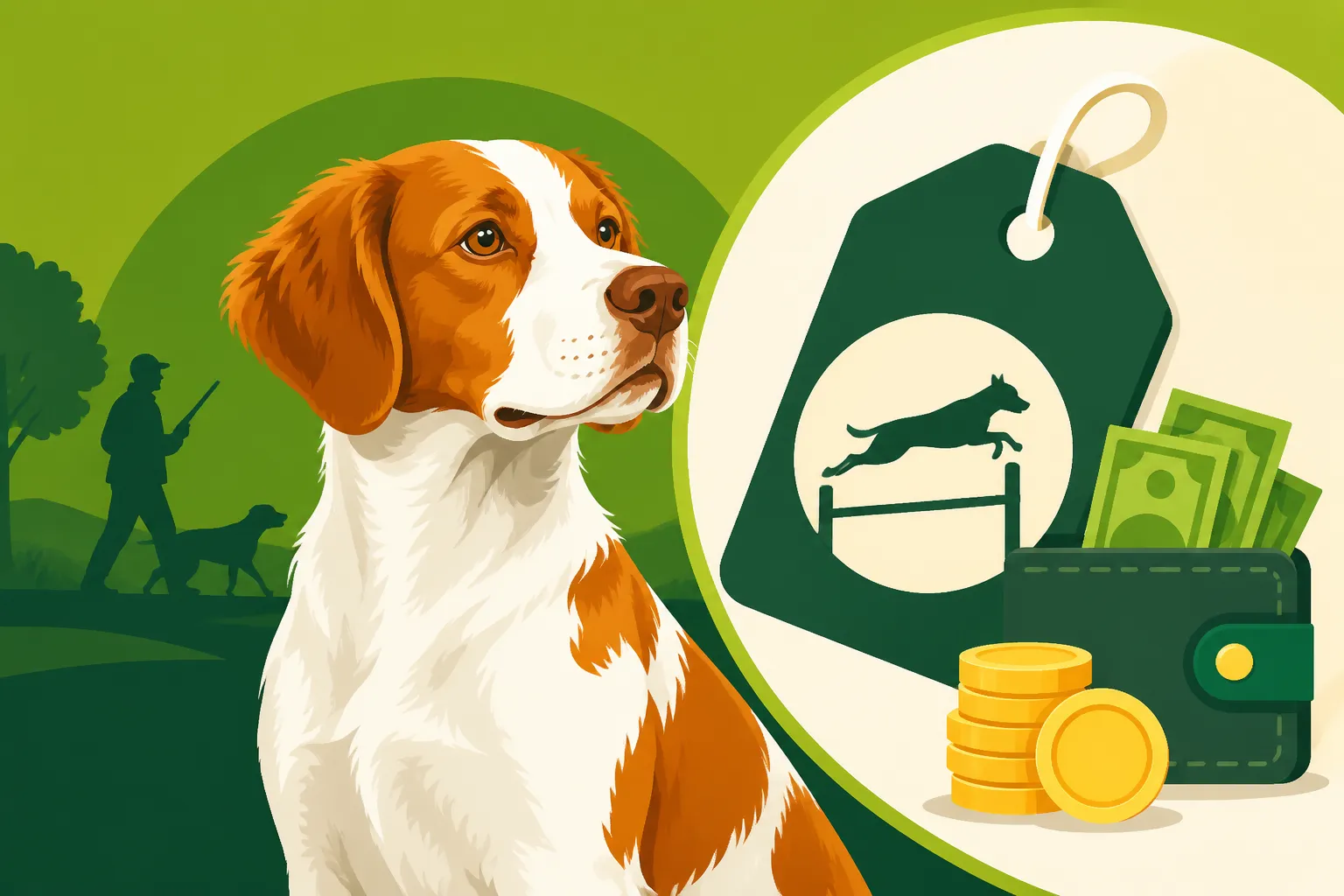
So, you're dreaming of seeing your magnificent Brittany, nose to the wind, locking up on point in the field, maybe even earning an official title? That's the dream for many of us, isn't it? But then reality sets in, and you start wondering about the practicalities, especially the financial ones. One of the first steps on that journey for many is the AKC Junior Hunter (JH) title, and a common question I hear is, "What's this going to cost me just to get into the door?" It's a valid concern, because while the entry fee itself might seem straightforward, there are always those hidden costs that creep up, turning a simple plan into a full-blown expedition. This guide is here to walk you through not just the direct entry fees for a Brittany's Junior Hunter test, but all those little extras you might not have considered, helping you budget and prepare for the exciting adventure ahead.
Understanding the Junior Hunter Title for Your Brittany
Before we dive into the nitty-gritty of costs, let's talk about what the Junior Hunter title actually signifies. It's not just a fancy ribbon; it's a testament to your Brittany's natural abilities and the foundational training you've both put in. It's the entry-level hunting title offered by the American Kennel Club (AKC), designed to showcase a young dog's instinctual prowess in the field. Think of it as your Brittany's high school diploma in bird dog skills – they've demonstrated they know what they're doing.
The Purpose of the Junior Hunter Title
The Junior Hunter title requires your Brittany to pass four separate legs under different judges at licensed or member club hunt tests. Each leg means demonstrating a solid natural ability: finding birds, pointing them staunchly, and showing control. This means they need to search for game, respond to their handler, and hold a point until the handler flushes the bird. Critically, for the Junior Hunter level, retrieving the bird after the shot is not required, nor is being "steady to wing and shot" – meaning they don't have to remain frozen in place when the bird flies or the gun goes off. It’s all about instinct and basic manners.
For us Brittany owners, this title is particularly special because our dogs are celebrated for their innate bird sense and biddability. It’s an opportunity to see their genetics shine through, to witness them doing exactly what they were bred to do. It's a chance to build confidence in a young dog without the intense pressure of advanced levels, and it’s truly thrilling to watch them put it all together. For many, earning the JH is just the beginning, a fantastic stepping stone to more advanced titles like Senior and Master Hunter. What an AKC Hunt Test Entry Costs a Brittany Owner will give you a broader look at the overall financial commitment for various levels.
Why It's a Great Starting Point for Brittany Owners
Many new Brittany owners, even those who plan to hunt regularly, are intimidated by the idea of competitive events. The Junior Hunter test is specifically designed to be accessible. It’s a lower-pressure environment focused on a dog's natural talent, rather than polished execution. This makes it an ideal place to get your feet wet in the world of hunt tests, learn the ropes, and meet other passionate bird dog enthusiasts. You'll gain invaluable experience handling your dog in a trial setting, learning how events are run, and understanding the judging criteria.
Moreover, working towards a JH title reinforces the fundamental training that makes for a great hunting companion. Even if you never pursue another title, the discipline and focus required to prepare for Junior Hunter tests will make your Brittany a more effective and enjoyable partner in the field. It’s about building a solid foundation of understanding and teamwork between you and your dog, a bond that is truly priceless. You'll also learn more about your Brittany's temperament and how they react to new environments and pressure, which is crucial for their overall development as a working dog.
The Direct Entry Fees for Junior Hunter Tests
Now, let's get down to brass tacks: what does it actually cost to enter your Brittany into a Junior Hunter test? The entry fee itself is usually the most transparent cost, but it can still vary a bit depending on where and when you're entering. These fees are set by the individual clubs hosting the events, and they cover the administrative costs of putting on the test, paying judges, and securing the grounds.
AKC Entry Fees for Junior Hunter
The American Kennel Club sets guidelines for event fees, but the hosting club ultimately decides the exact amount. Typically, for a single stake (meaning one entry for one day of judging) in a Junior Hunter test, you can expect the entry fee to fall within a certain range. These fees often include the costs for birds, judges' expenses, and administrative overhead. It's a standard fee that every competitor pays to participate.
You'll usually find these fees listed clearly on the premium list for each event, which is the official announcement put out by the hosting club. Remember, you'll need four qualifying scores, or "legs," to earn the Junior Hunter title. This means if your Brittany passes every test on the first try, you'll pay that entry fee four times. But as any seasoned hunt test participant will tell you, it's rarely a straight shot of four passes in a row! You might enter multiple times before your dog achieves all the required passes, or before you get the hang of handling under test conditions. So, while the per-entry cost is fixed, the total cost for the title could be higher than four times the entry fee if you need to re-enter.
Other Associated Administrative Costs
Beyond the raw entry fee, there might be a few other minor administrative costs. For example, some clubs might have a small charge for catalog sales on the day of the event, or if you need to pay for something like a pre-ordered lunch. While these are usually optional and quite small, they can add up if you're not mindful. It's always a good idea to read the premium list thoroughly to catch any of these details. Most clubs are fantastic about transparency, but a little preparation on your part goes a long way.
Another consideration, especially if your Brittany isn't already AKC registered, is the registration itself. Your dog needs to be individually registered with the AKC to compete in performance events. If your Brittany comes from AKC-registered parents, the breeder should provide you with the necessary paperwork. If not, there are other avenues like the Purebred Alternative Listing (PAL) or Canine Partners programs, which also have their own application fees. Make sure your dog's paperwork is in order well before you plan to enter any tests to avoid last-minute stress and potential delays.
Indirect Costs and Preparations Beyond the Entry Fee
Okay, so the entry fee is just one piece of the puzzle. What about everything else that goes into getting your Brittany (and yourself) ready for those hunt tests? This is where the costs can really start to accumulate, and where careful planning becomes your best friend. From getting to the test site to the training leading up to it, these indirect costs are significant but essential for success.
Travel and Accommodation Expenses
Unless you're incredibly lucky and live right next door to a hunt test grounds, you're going to have travel expenses. Hunt tests are often held in rural areas that offer extensive open land for running dogs. This means gas for your truck or SUV to get there, potentially tolls, and wear and tear on your vehicle. If the test is far enough away, you'll also be looking at accommodation costs. Staying in a hotel or motel for a weekend of testing can quickly become a substantial expense. Remember, your Brittany will likely be staying with you, so you’ll need to factor in pet-friendly lodging options, which sometimes come with additional fees.
I’ve spent countless weekends traveling for these events, and the mileage definitely adds up. Packing a cooler with food and drinks can help cut down on meal costs, but you still have to eat! Thinking about how much you want to commit to travel is a big part of the overall decision to pursue titles. You might find yourself driving several hours for a single day of testing, or even flying if you're really dedicated to a specific event or judge. What Hunt Tests and Field Trials Cost a Brittany Owner provides a broader perspective on these and other event-related expenses.
Training Costs Leading Up to the Test
This is arguably the biggest indirect cost, and it's also the most critical investment in your Brittany's success. While some Brittanys are natural wonders, even the most instinctual dog benefits from focused training. This could range from simple, at-home sessions to professional gun dog training. If you're doing it yourself, your costs will include:
- Training Birds: Pigeons, quail, or chukars. You can buy these from game farms or breeders. They need to be housed and fed, or you'll need to buy them fresh for each session.
- Training Grounds: Access to suitable fields where you can safely work your dog on birds. This might be public land, leased land, or a private club.
- Ammunition & Blanks: For introducing your dog to the gun, and for simulating test conditions.
- Equipment: Items like check cords, whistles, bird launchers, and perhaps an e-collar for advanced stages of training.
- Time: Your time, which is invaluable!
If you opt for professional training, the costs can be significant, but many find it to be a worthwhile investment, especially for complex issues or if you lack the facilities. A good professional trainer understands how to develop a Brittany's natural abilities and prepare them specifically for hunt tests. They can help polish those raw instincts into consistent performance, ensuring your dog is confident and ready for the judges. While specific charges vary widely, a trainer's monthly fee can add up, but it ensures you're building a strong foundation. What a Professional Gun Dog Trainer Charges for a Brittany offers more insight into this investment. Brands like Chewy and Ollie also offer high-quality dog food options that can help keep your Brittany in top physical condition for rigorous training and testing, ensuring they have the energy and stamina needed.
Gear and Equipment for the Test
Beyond the training gear, there are items you'll want specifically for the test day itself. Your Brittany will need a proper collar (no choke chains or pinch collars in the field), possibly a vest for visibility and protection, and certainly a leash. You'll also want to bring water and a bowl for your dog, especially if it's a warm day – hydration is key for performance. Don't forget your own comfortable clothing, sturdy boots, and rain gear, because hunt tests happen rain or shine!
Other things you might consider:
- First Aid Kit: For both you and your dog. Accidents happen in the field, and it's always best to be prepared for minor cuts, scrapes, or burrs.
- Crate or Dog Box: A safe, secure place for your Brittany to rest between runs or to travel in. What a Dog Box or Crate Costs a Brittany Owner can give you an idea of these prices.
- GPS Collar: While not required for Junior Hunter, many handlers use these to keep track of their wide-ranging Brittanys, especially in dense cover. It’s an added safety measure. What a GPS Collar Costs a Brittany Owner further explores this important piece of equipment.
It's all about making sure you and your Brittany are as comfortable and prepared as possible. Think through your typical hunting day and expand on that. Healthy Paws pet insurance might be a consideration for any active dog involved in field work, as accidents can happen. While you hope for the best, having a safety net for those unexpected vet visits can provide real peace of mind.
Budgeting for Your Brittany's Junior Hunter Journey
So, how do you pull all this together into a realistic budget? It's easy to get overwhelmed when you start listing everything out. The key is to break it down, prioritize, and be honest with yourself about where you can economize and where you need to invest. A successful hunt test experience is as much about preparation as it is about the entry fee.
Estimating the Total Cost
To get a clearer picture, let's put together a hypothetical scenario for a single Junior Hunter test weekend, assuming you need one more leg to complete the title. This table will help visualize the different categories of expenses. Remember, these are estimates, and actual costs will vary based on your location, choices, and your dog's progress.
| Category | Description | Estimated Cost Range (Per Test Weekend) | Notes |
|---|---|---|---|
| Direct Entry Fees | Junior Hunter test entry fee (per run) | Moderate | Usually fixed by the club, check premium list. |
| Travel | Fuel, tolls | Low to High | Depends on distance to test grounds. |
| Accommodation | Pet-friendly hotel/motel (1-2 nights) | Moderate to High | Variable, especially if multiple nights or specific pet fees. |
| Food & Drink | Meals, snacks, water for human and dog | Low to Moderate | Can be reduced by packing your own. |
| Training (Prior) | Birds, grounds fees, blanks, trainer fees (allocated portion) | Moderate to High | Ongoing investment, amortized per test. |
| Gear & Equipment | Collars, leashes, vests, first aid, crate, water jug | Low | Initial purchase, then maintenance/replacement. |
| Miscellaneous | Catalog, photography, unexpected small needs | Low | Small incidentals, easy to overlook. |
Note: Specific dollar amounts are intentionally omitted as they vary widely by region, club, and over time. Please check current prices from local clubs and providers.
As you can see, the entry fee itself is often a smaller part of the total cost when you factor in travel, lodging, and especially the pre-test training. The good news is that many of the gear expenses are one-time or infrequent purchases. Your biggest ongoing costs will likely be training birds, access to grounds, and travel.
Finding Ways to Economize Without Sacrificing Quality
You don't have to break the bank to get your Brittany its Junior Hunter title. There are plenty of ways to economize.
First, consider joining a local Brittany club or a versatile hunting dog club. Members often get discounts on training days, access to private grounds, and invaluable advice from experienced handlers. This community aspect is huge; you'll find people willing to help, share resources, and even carpool to events.
Secondly, do as much of the training yourself as possible. There are excellent books, videos, and online resources available to guide you. If you can manage training birds yourself, raise your own pigeons, or find friends to split the cost of quail, you'll save a lot. Consistency in training is more important than expensive gadgets or constant professional help. Remember, How Long a Brittany's Training Session Should Be is about quality, not quantity. Short, positive sessions are highly effective for Brittanys.
Finally, be strategic about which tests you enter. Look for events closer to home to cut down on travel and accommodation costs. Consider a "day trip" test if feasible, or coordinate with friends to share lodging expenses. Planning ahead can save you quite a bit of money and make the whole experience more enjoyable.
Is the Junior Hunter Title Worth the Investment for Your Brittany?
After tallying up all those potential costs, you might be asking yourself if it's truly worth it. Is a ribbon and a title worth the financial and time commitment? For many Brittany owners, myself included, the answer is a resounding yes. It's not just about the title; it's about the journey, the bond you build, and the deep satisfaction of seeing your dog excel.
The Value Beyond the Ribbon
The true value of pursuing a Junior Hunter title for your Brittany goes far beyond the physical certificate or the bragging rights. It's about developing a confident, well-trained hunting partner. The training process itself strengthens the bond between you and your dog, as you learn to communicate and work together towards a common goal. You'll gain a deeper understanding of your Brittany's instincts, personality, and how they react under different conditions. This knowledge translates directly into a more successful and enjoyable experience in the actual hunting field.
Furthermore, participating in hunt tests introduces you to a vibrant community of passionate bird dog enthusiasts. You'll meet experienced handlers, breeders, and judges who are often eager to share their knowledge and mentor newcomers. These connections can be invaluable for networking, finding training partners, and learning more about the breed and bird hunting in general. It's an immersive experience that deepens your appreciation for your Brittany and the sport.
The Path from Junior Hunter to Higher Titles
For many, the Junior Hunter title is just the first rung on the ladder. Once you and your Brittany have mastered the basics and gained confidence, the Senior Hunter (SH) and Master Hunter (MH) titles become the next exciting challenges. The SH title builds on the JH requirements by adding a retrieve to hand and demonstrating steadiness to wing and shot. The MH title is the pinnacle of hunt test achievement, demanding flawless execution, consistency, and a high degree of control and teamwork.
Earning these higher titles not only further refines your Brittany's hunting skills but also elevates their status in the breed. A dog with advanced hunt titles is a testament to strong genetics and dedicated training, often making them highly sought after for breeding programs. The Brittany Holds the Dual Champion Record is a testament to the breed's incredible versatility, excelling in both conformation and field work, and starting with a JH title is often the first step towards that legacy. Whether you aim for the highest honors or simply want a well-trained hunting companion, the Junior Hunter journey lays a fantastic groundwork for a lifetime of adventure with your Brittany.
Disclaimer
This article is for general informational purposes only and does not constitute professional advice. Laws, prices and regulations vary by location and change over time. Consult a qualified professional for guidance on your specific situation.