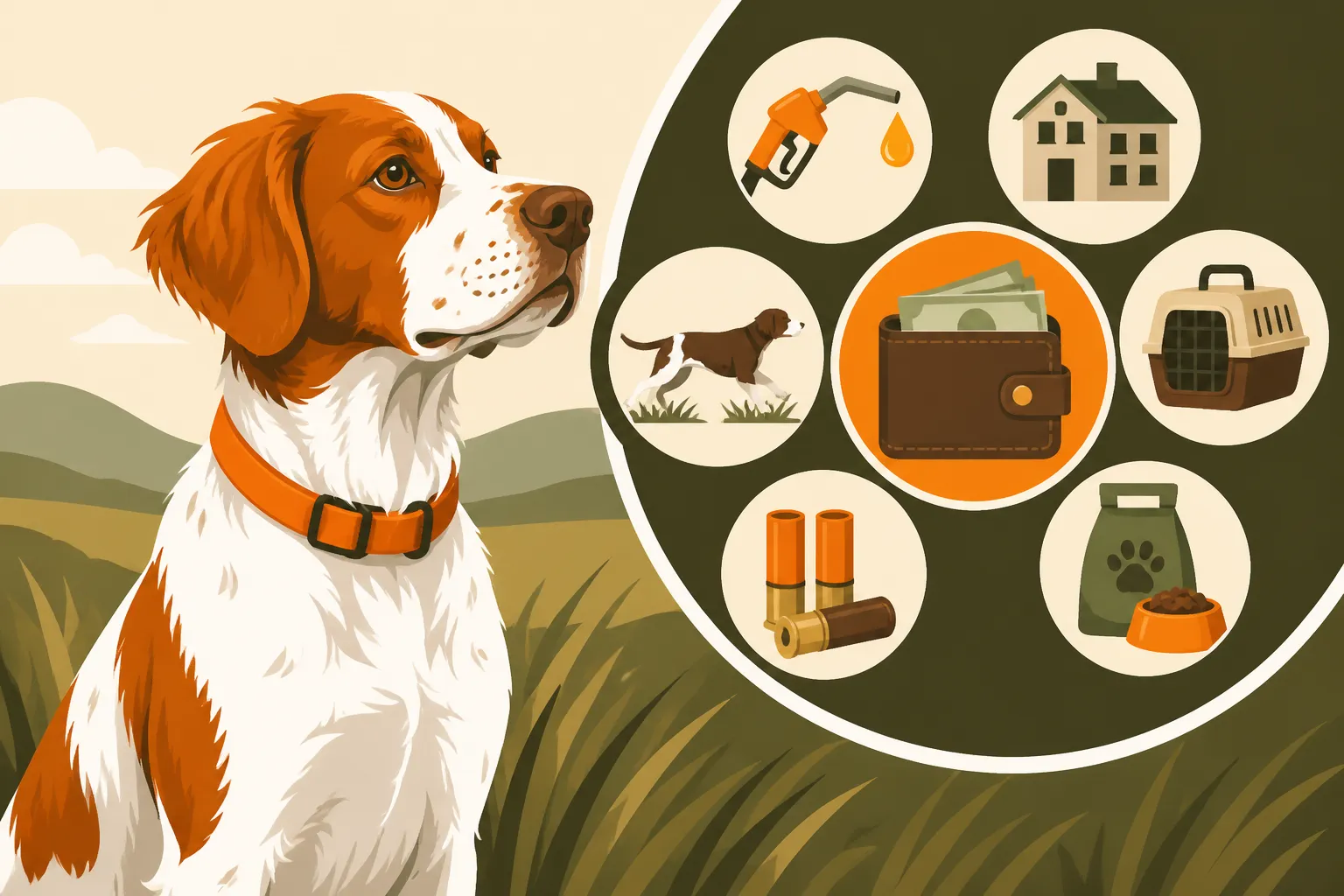
What Travel to Field Trials Costs a Brittany Owner
The dream of running your Brittany Spaniel in field trials is exhilarating, but the reality of the costs involved can hit you harder than a strong crosswind. Many owners find themselves surprised by how quickly expenses add up when traveling to events, from the entry fees to the hidden costs of keeping both you and your dog comfortable and safe on the road. This guide will walk you through the various financial aspects of field trial travel, helping you budget wisely and enjoy the journey with your talented bird dog.
Understanding the Core Travel Costs
Before your Brittany even sets a paw in the field, you'll be racking up expenses just to get to the trial location. These are the fundamental costs that form the backbone of your travel budget, often varying greatly depending on distance, location, and your personal choices. It's not just about the gas; it's about the wear and tear, where you lay your head at night, and what you both eat along the way.
Transportation: Fuel, Vehicle Wear, Air Travel
For most Brittany owners, getting to a field trial means packing up the truck or SUV and hitting the highway. Fuel costs are an obvious factor, and they can fluctuate wildly. Imagine a scenario where you're driving from your home in rural Iowa to a major regional trial in Kansas, a round trip that could easily cover 800 miles or more. You're not just burning through a tank or two; you're looking at significant gas station stops. And it's not just the immediate fuel expense. There's the often-overlooked cost of vehicle wear and tear – extra miles mean more frequent oil changes, tire rotations, and eventually, new tires or brake jobs. Your trusty rig is working hard for you and your dog, and those maintenance costs add up over time.
While less common for local or regional field trials, some dedicated owners might consider air travel for national championships or special events located across the country. Shipping a dog, especially a crated hunting dog, via airline cargo comes with its own set of substantial fees. You'll need an approved travel crate, often a sturdy, well-ventilated model that meets airline specifications, and you'll certainly need a health certificate from your veterinarian, issued within a specific timeframe before travel. All these steps, from the vet visit to the cargo fees, can make air travel a costly endeavor, typically reserved for very high-stakes competitions or when driving simply isn't feasible.
Accommodation: Hotels, Camping, RVs
Once you arrive at your destination, you and your Brittany need a place to rest your heads. This is where accommodation choices can significantly impact your overall budget. Many handlers opt for pet-friendly hotels, but be prepared for additional pet fees, which can range from a small daily charge to a hefty one-time fee per stay. It's crucial to book these well in advance, especially for popular trial weekends, as pet-friendly rooms can be limited. Sometimes, you might find a fantastic hotel deal, only to discover the pet fee nearly doubles the room rate.
For those looking to save money or who prefer a more rustic experience, camping is a popular alternative. Many trial grounds have designated camping areas, or you might find state parks or private campgrounds nearby. While the nightly cost is generally much lower than a hotel, remember that camping requires an initial investment in gear – a tent, sleeping bags, cooking equipment, and perhaps a portable kennel or tie-out for your Brittany. It also means you'll be managing your dog's comfort and security in a less controlled environment, which isn't for everyone.
An RV or travel trailer represents a significant upfront investment but can offer long-term savings on accommodation, especially if you attend many trials throughout the year. With an RV, you bring your "home away from home," often equipped with a secure dog crate area, climate control, and cooking facilities. This eliminates pet fees and allows you to prepare your own meals, cutting down on restaurant expenses. However, you'll still have fuel costs for the larger vehicle, potential campground hookup fees, and ongoing maintenance for the RV itself.
Food and Supplies for You and Your Dog
Let's not forget the sustenance needed for both handler and dog. For yourself, you have a choice: eat out every meal, which can quickly become a major expense, or pack your own food. Bringing a cooler stocked with sandwiches, snacks, and drinks can save a substantial amount over the course of a weekend trial. Many handlers also bring portable cooking gear for simple meals at a campsite or in their RV.
For your Brittany, consistency is key, especially during stressful travel and competition. You'll want to bring enough of their regular food to avoid any digestive upset. Running out of their specific brand in a new town can be a real headache. Consider ordering their food from an online retailer like Chewy before your trip to ensure you have plenty, especially if they're on a specialized performance diet. Beyond food, your dog needs plenty of fresh water – remember to bring a large water jug from home. You'll also need their bowls, leashes, collars, a comfortable bed or mat for the crate, and perhaps a favorite chew toy to help them relax. Don't forget poop bags! Having all these essentials packed means one less thing to worry about when you're focused on your dog's performance.
Trial Entry Fees and Event Specifics
Once you've factored in getting there and having a place to stay, the actual cost of participating in the trial comes into play. These fees are non-negotiable and vary based on the type of event and whether you're handling your own dog or enlisting professional help.
Event Entry Fees
The most direct cost of participating is the entry fee for each stake or event your Brittany will run. These fees are set by the sanctioning organization, such as the AKC for hunt tests and field trials, or NAVHDA for their testing programs. A typical entry fee can range, but it's important to remember that these are usually per dog, per stake. If you enter your Brittany in multiple events over a weekend – say, a Junior Hunter stake on Saturday and a Senior Hunter stake on Sunday – you'll pay two separate entry fees.
These fees cover the administrative costs of running the trial, including judges' expenses, insurance, ribbons, and often bird costs if the trial supplies them. While they might seem like a small amount on their own, they add up if you're attending several trials a season or running multiple dogs. It's a fundamental part of the sport, funding the events that allow us to test our Brittanys' natural abilities and training. For a general idea of what monthly costs look like for a Brittany owner, you might find What a Brittany Costs Per Month to be a useful read, as it covers various recurring expenses.
Staking and Handler Fees
This is a significant expense for many serious competitors, particularly those who campaign their Brittanys nationally or have limited time to train and handle their dogs themselves. If you choose to use a professional gun dog trainer and handler, you'll incur their fees for handling your dog in each stake. These fees are typically on a per-stake basis and can be quite substantial. The handler's expertise and reputation command a premium, as they spend countless hours training your dog and skillfully presenting them in the field.
Beyond the handling fee, you might also be responsible for a share of the handler's travel expenses, bird costs if they're providing training birds, and even kennel fees if your dog stays with them for an extended period. It’s a comprehensive service, and while it significantly increases your trial budget, many believe it's a worthwhile investment to maximize their Brittany's potential in competition. It's essential to have a clear understanding of your professional handler's fee structure upfront to avoid any surprises.
Bird Costs
Depending on the type of trial and your personal training regimen, you might encounter bird-related expenses. Some hunt tests and field trials include the cost of birds in their entry fees, using planted birds for the competition. However, if you're involved in training groups or want to get extra practice in prior to a trial, you might need to purchase your own training birds like quail, chukars, or pigeons.
These birds can be bought from game farms and vary in price depending on the species and quantity. If you're a serious competitor, having access to live birds for training is invaluable for honing your Brittany's pointing, flushing, and retrieving skills. This cost becomes an auxiliary part of your trial preparation budget, not directly tied to the trial entry but crucial for performance. Understanding Whether a Brittany Needs Force Fetch or Whether a Brittany Retrieves Naturally can also influence how you approach bird work and related expenses.
Supporting Your Brittany's Needs on the Road
Your Brittany isn't just a passenger; they're an athlete. Keeping them safe, healthy, and performing at their best while traveling to and competing in trials requires specific gear, careful health management, and attention to their nutritional needs.
Specialized Gear and Equipment
Traveling for field trials often means bringing specialized gear designed to enhance your Brittany's performance and comfort. A reliable GPS collar is almost a necessity, especially when running in large fields or heavy cover, allowing you to track your dog's every move and ensure their safety. What a GPS Collar Costs a Brittany Owner provides more detail on this important investment. Similarly, an e-collar, when used properly as a training tool, can be invaluable for communication at a distance, and you can learn more about its cost in What an E Collar Costs a Brittany Owner.
Beyond training aids, practical equipment for the trial grounds is essential. A sturdy dog box or crate is critical for safe transport and providing a secure resting place at the event. Many handlers invest in durable truck-mounted dog boxes, which offer superior ventilation and safety. For more on this, check out What a Truck Dog Box Costs a Brittany Owner. Other items include a quality first aid kit specifically for dogs (see What a First Aid Kit for a Brittany Should Hold), cooling vests for early season trials in warm weather, or insulating coats for late season hunts. These items contribute significantly to your dog's well-being and readiness to perform, but they represent an upfront cost that needs to be factored into your overall budget.
Health and Emergency Preparedness
Your Brittany's health is paramount, especially when traveling and competing. Before heading out to trials, it's wise to ensure your dog is up-to-date on all vaccinations and has had a recent vet check-up. Having readily accessible proof of vaccinations, like rabies certificates, is often required for dog-friendly accommodations or event registration.
Emergency preparedness is crucial. Field injuries like torn pads, cuts, or embedded foxtails are not uncommon. A field trial environment, with its varied terrain and exertion, can also lead to heatstroke in early season or hypothermia in colder conditions. Having an emergency vet fund set aside is a smart move, as veterinary care while on the road can be expensive and unexpected. This is where pet insurance, like a policy from Healthy Paws, can truly pay off, helping to mitigate the financial shock of a sudden injury or illness. Knowing the signs of common field injuries and having the contact information for emergency veterinary clinics in the trial area are also vital. What a Brittany's Field Injuries Cost in a Season can give you a clearer picture of potential veterinary expenses. Furthermore, keeping up with preventative measures, like tick prevention, also adds to ongoing costs, as discussed in What a Brittany's Tick Prevention Costs a Year.
Nutrition and Comfort During Travel
Maintaining your Brittany's optimal nutrition is particularly important when they are under the stress of travel and competition. A consistent diet helps prevent digestive upset and ensures they have the energy needed to perform. If your Brittany normally eats a high-performance kibble, make sure to bring enough to last the entire trip. For those interested in exploring different feeding options, some owners consider fresh dog food brands like Ollie, which offers personalized, human-grade meals. While potentially more complex for travel logistics than kibble, the nutritional benefits can be a draw for maximizing performance.
Beyond food, comfort items can make a world of difference for your dog's mental and physical well-being. Bringing their familiar bedding, a favorite blanket, or even a specific scent from home can help reduce anxiety in new environments. Adequate hydration is also critical. Always have plenty of fresh water available, both in the vehicle and at the trial grounds. During breaks, a quiet, comfortable crate away from the hustle and bustle allows your Brittany to decompress and conserve energy for their next run. How Much a Working Brittany Eats in Season and Whether a Brittany Needs a Performance Food delve deeper into the specific dietary requirements for active Brittanys.
Unexpected Expenses and Budgeting Tips
No matter how meticulously you plan, traveling for field trials inevitably comes with unforeseen costs. Being prepared for these surprises, and employing smart budgeting strategies, can save you a lot of stress and keep your focus on enjoying the sport with your Brittany.
Breakdowns and Delays
One of the most frustrating unexpected expenses can be vehicle trouble while on the road. A flat tire, an engine light, or a more serious breakdown can not only be costly but also cause significant delays, potentially leading you to miss your scheduled run in a trial. Imagine driving for hours, only to break down a hundred miles from the trial grounds, facing tow truck fees and unexpected mechanic bills. These situations often force unplanned overnight stays, adding to accommodation and food costs.
It's always a good idea to have an emergency roadside assistance plan and a small contingency fund specifically for such mishaps. A well-maintained vehicle before you leave home can reduce the risk, but the open road can be unpredictable. Factor in a buffer day if possible, especially for longer journeys, to absorb any unexpected delays without jeopardizing your trial participation.
Vet Emergencies
As mentioned earlier, field environments, while exciting, can present risks for your Brittany. A sudden injury, like a deep laceration from hidden barbed wire, a paw pad torn on sharp stubble, or even a sudden illness like an allergic reaction to a new plant, can derail your plans and incur immediate, substantial veterinary bills. These are the moments when a robust emergency fund or a comprehensive pet insurance plan, such as those offered by Healthy Paws, truly proves its worth. Knowing that a significant portion of unexpected vet costs could be covered can provide immense peace of mind.
Before you travel, research emergency veterinary clinics in the vicinity of your trial destination. Having those numbers on hand, along with your own vet's contact information, ensures you can act quickly if a situation arises. Even minor issues like removing a pesky foxtail from an ear or between toes can still necessitate a vet visit and corresponding fees. Whether Insurance Covers a Brittany's Hunting Injuries explores how your pet insurance might respond to these situations, and What Insuring a Brittany Costs a Month outlines the ongoing cost of such a safety net.
Saving Strategies
While field trials can be expensive, there are many ways to mitigate the costs and make the sport more accessible. Car-pooling with fellow Brittany owners is an excellent strategy; you can split fuel costs, share driving duties, and even divide the cost of pet-friendly hotel rooms. Preparing and packing your own meals instead of eating out constantly will significantly reduce your food budget. Camping, if you enjoy it, remains a cheaper alternative to hotels, especially if you already own the gear.
Consider how many trials you enter. Instead of entering every stake at every trial, be selective. Focus on the events that are most important for your Brittany's title progression or for gaining specific experience. Practicing at home or with local training groups can reduce the need for expensive professional handler fees. Finally, always be on the lookout for early bird entry discounts or club memberships that offer reduced fees. A little foresight and planning can make a big difference in managing the financial side of your field trial adventures.
Here's a quick look at some common expenses you might encounter on a typical field trial trip:
| Expense Category | Typical Item/Service | Estimated Cost Range (Per Unit/Per Event) | Notes |
|---|---|---|---|
| Transportation | Fuel (per gallon) | Varies widely | Depends on distance, vehicle MPG, and current fuel prices. |
| Vehicle Maintenance (per trip) | $50 – $200+ | Oil changes, tire wear, unexpected minor repairs. | |
| Accommodation | Pet-Friendly Hotel (per night) | $100 – $250+ (plus pet fees) | Pet fees often $25-$75 per night or per stay. |
| Campground Spot (per night) | $20 – $60 | Varies by amenities and location. | |
| Trial Fees | Event Entry (per stake) | $40 – $100+ | Varies by organization (AKC, NAVHDA) and type of event. |
| Professional Handler (per stake) | $100 – $300+ | Significant cost if not handling your own dog. | |
| Dog Supplies | Dog Food (per bag/trip) | $30 – $90+ | Depends on brand, size, and whether it's a performance formula. |
| Training Birds (per bird) | $5 – $25+ | For personal training, if not provided by trial. | |
| Health & Safety | Vet Exam/Health Cert. | $50 – $150 | Pre-trip health check, required for air travel. |
| Pet Insurance (per month) | $30 – $70+ | Proactive measure against emergency vet bills. | |
| First Aid Supplies | $20 – $100 (initial setup) | Bandages, antiseptic, paw protection. | |
| Miscellaneous | Personal Food/Snacks (per day) | $20 – $75 | Eating out vs. packing your own meals. |
Please remember that all cost ranges are illustrative and can change frequently. Always check current prices with providers and organizations.
Disclaimer
This article is for general informational purposes only and does not constitute professional advice. Laws, prices and regulations vary by location and change over time. Consult a qualified professional for guidance on your specific situation.