What Antivenin Costs If a Brittany Is Bitten
Few things strike more terror into the heart of a Brittany owner than seeing their beloved hunting companion suddenly yelp, stumble, or show signs of distress after an encounter in tall grass or brush. The immediate dread of a snake bite, and then the gut-wrenching worry about what that means for their dog's survival and the inevitable financial strain, is a burden many of us face. This guide will walk you through what to expect if your Brittany needs antivenin, focusing on the costs involved and the crucial factors that influence them.
The Immediate Danger: Why a Snake Bite on Your Brittany Is an Emergency
When you're out in the field with your Brittany, whether for a casual hike or an intense hunt, the last thing you want to think about is a venomous snake. But for a dog with an enthusiastic nose and a desire to investigate every rustle, it's a very real risk. Brittanys, with their low-to-the-ground hunting style and inquisitive nature, are particularly susceptible to bites on the face, muzzle, or legs.
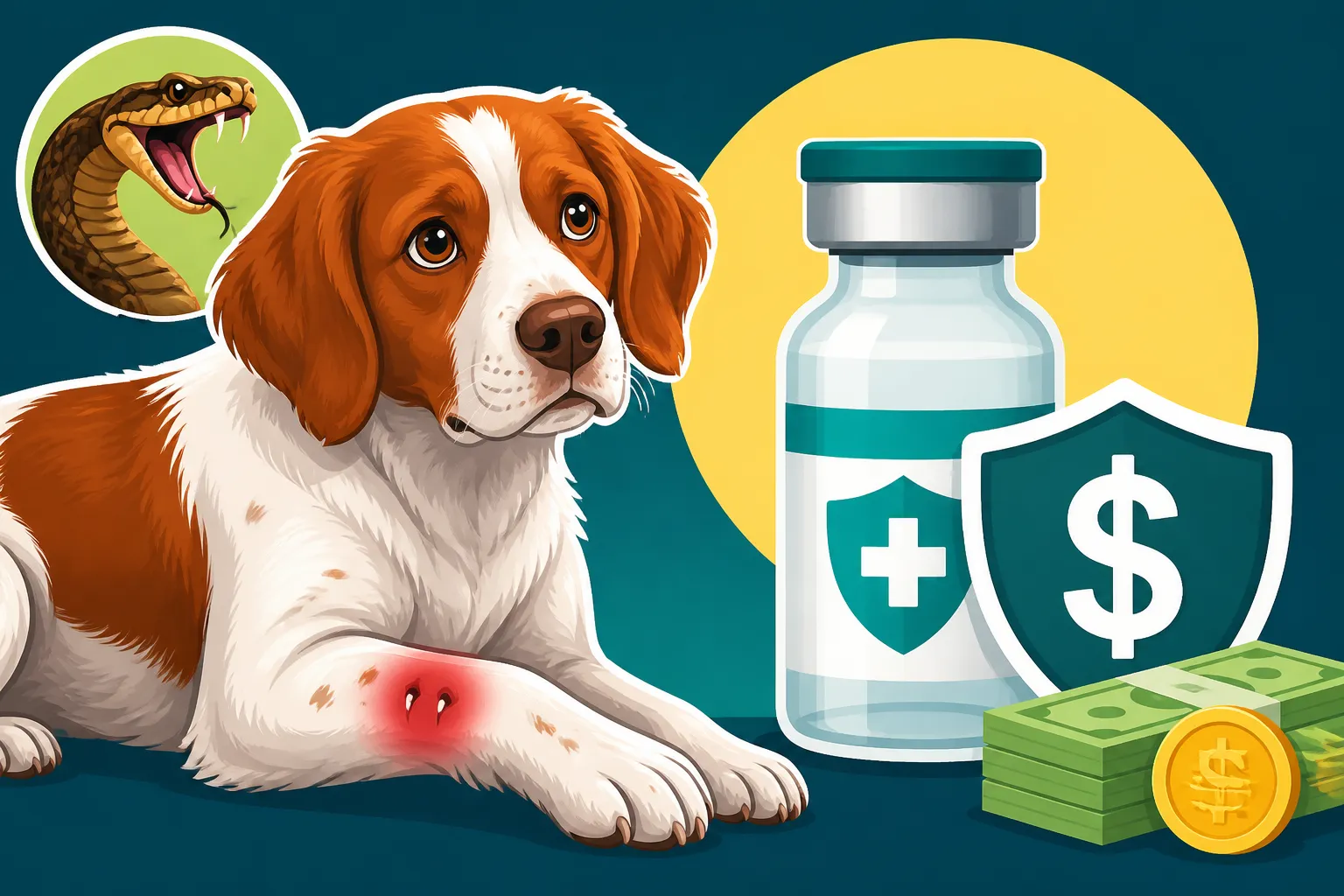
The problem isn't just the bite itself, but the venom. Snake venom, especially from pit vipers like rattlesnakes, copperheads, and cottonmouths, acts rapidly. It breaks down tissues, impairs blood clotting, and can lead to severe swelling, pain, necrosis (tissue death), and systemic shock. What might start as a small puncture wound quickly escalates into a life-threatening crisis, demanding immediate veterinary intervention. You might notice your dog's face swelling rapidly, difficulty breathing, drooling, weakness, or even collapse. Every minute counts.
Recognizing the Signs and Acting Fast
It’s easy to dismiss a sudden yelp or a limp as a minor injury in the field. But if you suspect a snake bite, even if you didn't see the snake, it's vital to act with extreme urgency. Look for two small puncture marks, swelling, pain, or discoloration at the bite site. Your dog might be restless, panting heavily, or suddenly lethargic. Don't try to suck out the venom or apply a tourniquet – these old wives' tales do more harm than good. Instead, try to keep your Brittany as calm and still as possible to slow the spread of venom, and head straight to the nearest emergency veterinary clinic.
The quicker your dog receives treatment, the better their prognosis and often, the less extensive the required interventions will be. This initial rapid response can significantly impact the overall cost, as complications from delayed treatment often require more intensive and prolonged care. Familiarizing yourself with local venomous snakes and their habitats can also help you be more vigilant. You might consider checking out resources on Whether a Brittany Should Have a Snake Bite Vaccine, although that's a preventative measure, not a cure for an active bite.
The Role of Antivenin in Brittany Snake Bite Treatment
Once you arrive at the emergency vet, their primary goal is to stabilize your Brittany and counteract the venom's effects. This is where antivenin comes in. Antivenin is a critical biological product derived from animal plasma (usually horses or sheep) that contains antibodies to specific snake venoms. When administered, these antibodies bind to the venom molecules in your dog's system, neutralizing them and preventing further damage.
Without antivenin, the venom continues its destructive work, potentially leading to widespread tissue damage, organ failure, and death. While supportive care like IV fluids, pain medication, and antibiotics are essential, antivenin is the only treatment that directly addresses the venom itself. It's truly a lifesaver, especially for a dog like a Brittany that might have been bitten by a potent snake in a remote area.
When Antivenin Is Recommended and Administered
The decision to administer antivenin is made by the veterinary team based on several factors: the type of snake (if known), the severity of your dog's symptoms, the size of your Brittany (smaller dogs react more severely to the same amount of venom), and how much time has passed since the bite. Dogs with rapidly progressing swelling, significant pain, coagulation abnormalities, or signs of shock are prime candidates.
Administering antivenin isn't a simple injection. Your Brittany will likely be admitted to the hospital, where they will receive intravenous fluids, pain management, and often, monitoring for allergic reactions to the antivenin itself. The antivenin is given slowly intravenously, and sometimes multiple doses are required, particularly if the initial response isn't sufficient or if a large amount of venom was injected. This intensive care environment is essential to manage potential side effects and to ensure your dog's recovery. The entire process demands constant observation and specialized veterinary expertise, all of which factor into the overall cost.
Breaking Down the Cost: What Factors Influence Antivenin Expense
Now, let's talk about the elephant in the room: the cost. There's no sugar-coating it; snake bite treatment involving antivenin can be incredibly expensive. It's often one of the most financially shocking emergencies a pet owner can face. The total bill can range widely, depending on numerous variables, and it's certainly one of those Which Brittany Bill Surprises New Owners.
The primary driver of the cost is the antivenin itself. Antivenin is a complex biological product, expensive to produce, and has a limited shelf life. A single vial of antivenin can cost a significant amount, and many Brittanys require more than one vial. It's not uncommon for a dog to need two, three, or even more vials, especially for severe bites or larger dogs.
Beyond the antivenin, you're paying for:
- Emergency Examination and Consultation: The initial assessment by the emergency veterinarian.
- Hospitalization: Brittanys requiring antivenin often need 24-48 hours or more of inpatient care for observation and supportive treatments. This includes IV fluids, medications, and round-the-clock monitoring.
- Diagnostic Tests: Blood work (to check clotting times, organ function, and red blood cell count), sometimes urinalysis or other tests to assess the systemic impact of the venom.
- Medications: Pain relief, anti-inflammatories, antibiotics (to prevent secondary infections at the bite site), and medications to manage potential allergic reactions to the antivenin.
- Wound Care: If the bite causes tissue necrosis, your Brittany may need wound debridement or surgical intervention, adding another layer of expense.
- Specialist Consultations: In very severe or complicated cases, a veterinary internal medicine specialist or critical care specialist might be consulted.
Consider this hypothetical scenario: Your Brittany, "Gunner," is bitten by a rattlesnake on a hunting trip. You rush him to the emergency vet. He's showing significant swelling, limping, and his blood work indicates clotting issues. The vet determines he needs three vials of antivenin. Each vial has a substantial price tag. Then, he requires two days of intensive hospitalization with continuous IV fluids, potent pain medications, daily blood tests, and antibiotics. The total cost would quickly escalate into the thousands.
Here's a breakdown of common cost components:
| Component | Description | Cost Impact (Relative) |
|---|---|---|
| Antivenin Vials | The actual antivenin medication; 1-4+ vials commonly needed. | Highest |
| Emergency Exam & Triage | Initial veterinary assessment. | Low to Moderate |
| Hospitalization (per day) | 24/7 care, IV fluids, monitoring, nursing staff. | High |
| Diagnostic Blood Work | CBC, chemistry, coagulation panels to assess venom impact. | Moderate |
| Medications | Pain meds, anti-inflammatories, antibiotics, anti-nausea. | Moderate |
| Wound Care/Surgery | Debridement, bandaging, potentially surgical repair for necrosis. | Variable (can be high) |
| Oxygen Therapy | If breathing is compromised. | Moderate |
| Follow-up Visits | Rechecks after discharge. | Low to Moderate |
The exact figures will depend on your geographic location, the specific veterinary clinic, and the severity of the bite. Vets in urban areas, or those with highly specialized emergency and critical care units, might have higher pricing due to overhead and specialized equipment. Always be prepared for a substantial bill.
Managing the Financial Burden: Insurance and Emergency Funds
Facing such a large veterinary bill on top of the emotional stress of a severely ill dog is overwhelming. This is where proactive financial planning can make a world of difference.
The Lifeline of Pet Insurance
For many Brittany owners, pet insurance is a financial lifesaver in situations like a snake bite. Policies vary, but many comprehensive plans cover emergency care, hospitalization, medications, and diagnostics related to accidents and illnesses, including snake bites. If you have a policy, contact your provider as soon as your Brittany is stable to understand your coverage, deductible, and reimbursement rates. Companies like Healthy Paws are well-regarded for their comprehensive accident and illness plans, and having such coverage can mean the difference between being able to afford the best possible care and having to make agonizing financial decisions.
Imagine if "Gunner's" owners had a robust pet insurance policy. After meeting their deductible, they might receive reimbursement for a significant percentage of that substantial bill, turning a potential financial catastrophe into a manageable expense. This is why many veteran dog owners strongly advocate for pet insurance, especially for active breeds. For more details, you might explore Whether Insurance Covers a Brittany's Hunting Injuries and What Insuring a Brittany Costs a Month.
Building an Emergency Fund
Even with insurance, there's always a deductible and potentially a co-pay. And if you don't have insurance, an emergency fund specifically for pet care is crucial. Consider setting aside a certain amount each month into a dedicated savings account. This way, when unexpected emergencies arise, you have a cushion. Even a few hundred dollars can make a difference in the immediate stabilization costs.
You might also discuss payment plans with your veterinary clinic. Many practices understand the financial strain of emergencies and offer options or can guide you to third-party medical credit services. Don't be afraid to ask about these possibilities when you're at the clinic. Your focus should be on your Brittany's health, and the financial solutions can often be worked out.
After Antivenin: Recovery and Ongoing Care
Once your Brittany has received antivenin and is stable enough to come home, the journey isn't over. Recovery can take time, and there may be lingering effects, especially if there was significant tissue damage.
Post-Discharge Monitoring and Medications
Your vet will likely send you home with medications, which might include antibiotics to prevent infection at the bite site, pain relievers, and sometimes anti-inflammatory drugs. It's critical to follow all instructions carefully. You'll need to monitor the bite site for signs of infection, increased swelling, or necrosis. Your dog will also need a quiet environment to rest and recover, and vigorous exercise should be avoided for a period.
During this recovery phase, you might find yourself needing various supplies, from special bandages to comfortable bedding. Reputable pet retailers like Chewy often have a wide selection of recovery essentials that can be delivered right to your door, making things a little easier when you're focused on nursing your furry friend back to health. Keeping your Brittany comfortable and clean is paramount to preventing complications.
Long-Term Outlook and Potential Complications
Most Brittanys who receive prompt antivenin treatment make a full recovery. However, some complications can arise. Tissue necrosis can lead to scarring or even require further surgery in severe cases. In rare instances, systemic issues like kidney damage or chronic pain can develop. Regular follow-up appointments with your veterinarian are important to monitor your Brittany's healing and address any emerging issues.
While the thought of a snake bite is terrifying, understanding the costs and having a plan in place can help alleviate some of the stress. Your Brittany relies on your quick action and ability to provide the best care possible. For related topics on keeping your hunting dog safe, you might want to read What a Brittany's Field Water Setup Costs or How to Treat a Brittany's Torn Pad. Ensuring your dog is well-cared for through all aspects of their active life is a commitment, and it's one that every Brittany owner understands deeply.
Disclaimer
This article is for general informational purposes only and does not constitute professional advice. Laws, prices and regulations vary by location and change over time. Consult a qualified professional for guidance on your specific situation.