The Gear a Brittany Needs Before Its First Bird
Bringing a new Brittany puppy home is one of the most exciting times, but it quickly shifts into planning mode when you realize just how much preparation goes into getting them ready for their true calling: the field. Before your eager little bird dog ever sniffs its first wild pheasant or locks onto a covey of quail, there's a mountain of essential gear you need to gather. This guide will walk you through all the necessary equipment, from basic training tools to critical safety items and specialized bird work aids, ensuring your Brittany is safe, comfortable, and well-prepared for its journey into becoming a finished gun dog.
Foundational Training Gear for Your Brittany Puppy
Before you even think about feathers and retrieves, your Brittany puppy needs a solid foundation in basic obedience and handling. This isn't just about good manners; it's about building communication and control that will be absolutely vital when they're ranging through cover with their nose to the ground. The right gear makes this early training process smoother for both of you, setting the stage for more advanced work down the line.
Collars, Leashes, and Check Cords
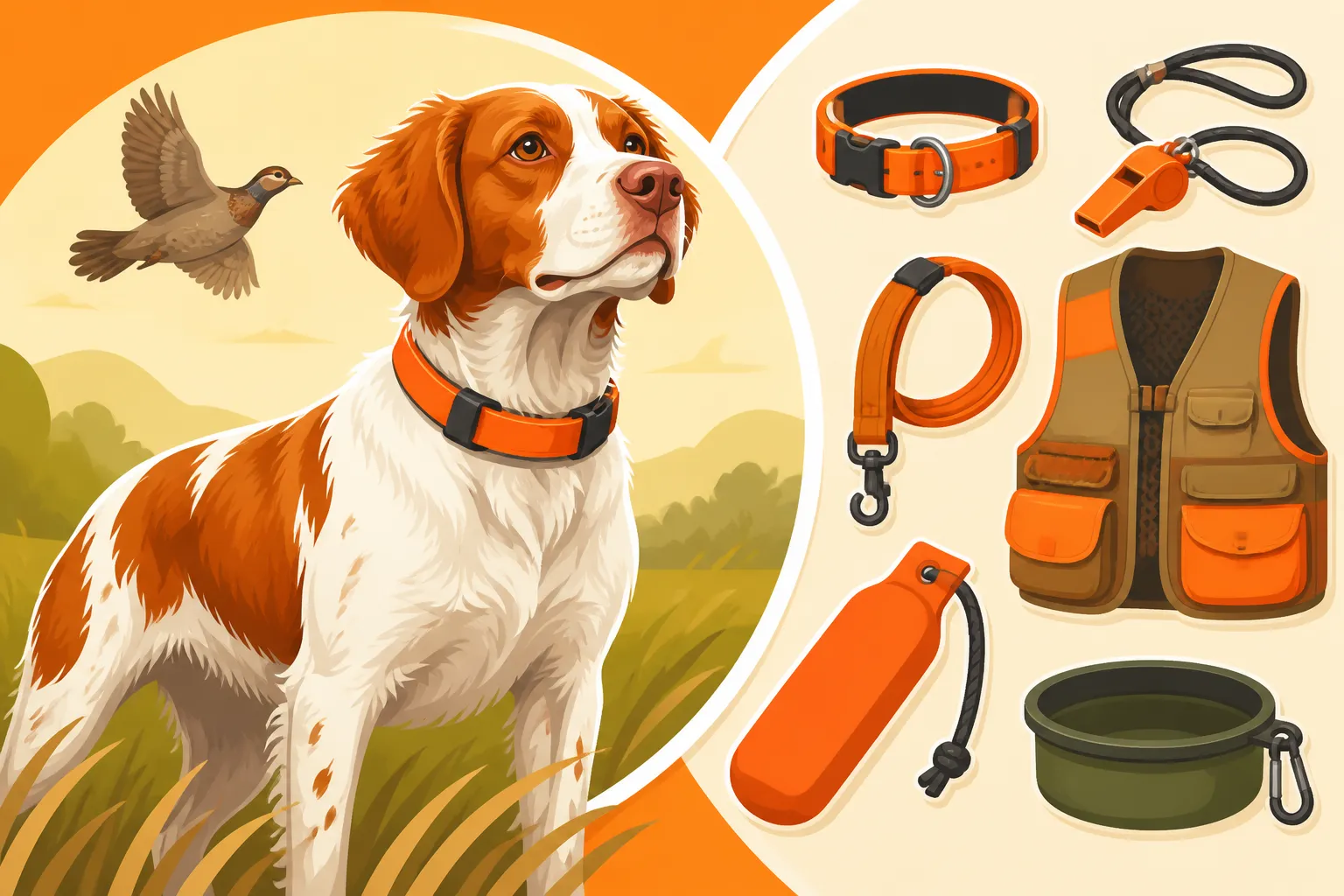
You'll start with a comfortable, lightweight buckle collar for your puppy, fitted snugly enough that it won't slip over their head but loose enough for two fingers to fit underneath. This collar is for ID tags and everyday wear. As they grow and begin formal training, you'll want to introduce a flat buckle collar with a D-ring for leash attachment, or perhaps a limited-slip collar that provides a gentle correction without choking. The key is finding one that's durable and comfortable for prolonged wear, as your Brittany will be wearing a collar often, even in the field.
Pair your chosen collar with a sturdy, six-foot leash made of nylon or leather. This length is perfect for teaching basic commands like "heel," "sit," and "stay" in controlled environments. As your Brittany progresses and you start working on recall and range, a check cord becomes indispensable. These long lines, typically 15 to 30 feet, or even 50 feet, allow your dog to explore further while still giving you a means of control. Imagine trying to teach "whoa" or practice recall in an open field without a check cord – it’s a recipe for frustration and a lost dog! A longer check cord helps teach your Brittany to honor its point and stay steady. If you're wondering What a Check Cord and Whistle Cost a Brittany Owner, know that these are relatively inexpensive but incredibly valuable tools.
Using a check cord effectively involves allowing your dog to move out, but reeling them in with a gentle tug if they ignore a command or wander too far. It teaches them the concept of range and boundaries without the harshness of an e-collar too early. This is all about building trust and understanding the limits of their freedom. You want your Brittany to learn to check in with you, even when the scent of a bird is overpowering. This early work on the check cord is critical for developing a respectful partnership.
Whistles and Training Dummies
A whistle is arguably one of the most undervalued pieces of equipment for a bird dog owner. Unlike your voice, a whistle carries further, cuts through wind and dense cover, and always sounds the same, regardless of your mood or frustration. This consistency is vital for a sensitive breed like the Brittany, which thrives on clear, consistent communication. Start by associating different whistle blasts with basic commands like "come" (a series of short toots) and "stop" or "sit" (a long, single blast). Make it positive, always rewarding your puppy when they respond correctly to the whistle.
Training dummies come in various shapes, sizes, and weights, mimicking different types of game birds. For a puppy, start with soft, lightweight canvas or plastic dummies that are easy for them to pick up and carry. These introduce the concept of retrieving without the pressure or taste of real birds. You can scent these dummies with bird scent (pheasant, quail, duck) to pique their natural interest and help them associate the dummy with hunting. Later, you'll progress to harder dummies or even frozen birds as they get closer to actual bird work.
The beauty of dummies is their versatility. You can use them for simple retrieves in the yard, hide them for scent work, or throw them for marking drills. They teach your Brittany to pick up and carry objects, to return them to hand, and to hold them gently – all crucial skills for a bird dog. Remember, a Brittany is often described as "soft," so keep initial retrieves fun and positive, building their confidence with each successful return.
Crates and Dog Boxes for Safe Travel
A good crate or dog box isn't just a convenience; it's a safety essential, especially for a hunting dog. From car rides to the vet, training grounds, or out-of-state hunts, your Brittany needs a secure, comfortable space. For puppies, a wire or plastic crate is ideal for house training and provides a den-like sanctuary. It teaches them to be calm and content in their own space, which translates directly to better behavior when traveling or at new locations.
As your Brittany grows and you start hitting the field more regularly, a purpose-built dog box for your truck or SUV becomes indispensable. These boxes, often made of aluminum or heavy-duty plastic, are designed for durability, ventilation, and crash protection. They keep your dog safe from shifting cargo, extreme temperatures, and road hazards. They also contain mud, burrs, and water, keeping your vehicle cleaner after a long day in the field. Think about the rough roads, the unpredictable weather, and the long drives to distant hunting spots – a quality dog box protects your most valuable hunting partner. Knowing What a Dog Box or Crate Costs a Brittany Owner is a good step in budgeting for this crucial piece of gear.
Moreover, dog boxes help manage multiple dogs if you have them, preventing fights or excessive excitement during transport. They also provide a secure, familiar space for your dog to rest and recover between hunting runs or while waiting for you at a competition. This sense of security reduces stress and keeps your Brittany focused and ready for action when it's their turn. Investing in a quality crate or dog box early on is an investment in your Brittany's safety and well-being throughout their working life.
Safety and Identification Essentials for the Field
The great outdoors is a thrilling classroom for your Brittany, but it's also full of potential hazards. From dense cover to varying terrain and the simple fact that a focused bird dog can easily get lost in pursuit, safety should always be your top priority. Equipping your Brittany with proper identification and protective gear isn't just smart; it's non-negotiable for any responsible bird dog owner.
GPS and E-Collars for Control and Tracking
For a breed known for its wide-ranging enthusiasm, especially the American Brittany, a GPS collar is more than just a convenience; it's a lifeline. Imagine your Brittany, nose to the ground, disappearing into a thick stand of switchgrass, or crossing a draw while locked on a scent. Without a GPS tracking system, you could spend hours, even days, searching. These collars allow you to track your dog's exact location in real-time, often showing their speed, direction, and even if they're on point, all displayed on a handheld device or smartphone app. This provides immense peace of mind, especially when hunting in unfamiliar or expansive territory. If you're curious about What a GPS Collar Costs a Brittany Owner, be aware that this can be a significant investment, but one that many seasoned hunters consider essential.
An electronic collar, or e-collar, is a powerful training tool that offers discrete and precise communication with your dog, especially at a distance. It's not a punishment device, but a remote extension of your leash, used for reinforcement of known commands. Properly introduced and used at low stimulation levels, an e-collar can solidify commands like "come," "whoa," or "leave it" when your dog is distracted by the exciting smells and sights of the field. For a sensitive Brittany, gentle introduction and consistent, positive reinforcement are key. Many experienced trainers use e-collars to teach their Brittanys to respond even when they're far out on point or chasing a cripple. Getting to know What an E Collar Costs a Brittany Owner will help you understand this piece of gear better.
It’s crucial to introduce both GPS and e-collars gradually and positively, long before your Brittany is ever in a hunting scenario. Let them wear the collars around the house and yard, associating them with treats and praise, not just corrections. This builds a positive association and helps prevent collar shyness. By the time they hit the field, these tools should be second nature, enabling you to maintain control and ensure their safety no matter how far they range.
Hunter Orange and Protective Vests
In the field, visibility is paramount, not just for your safety, but for your dog's. Hunter orange isn't just for human hunters; it's essential for your Brittany too, especially during upland bird season when other hunters might be present. A high-visibility orange vest or bandana makes your dog instantly recognizable against the natural backdrop, reducing the risk of accidental shootings. Even if you're hunting alone, it helps you keep track of your dog in thick cover, preventing lost time searching or accidental injury if you trip and fall near them.
Beyond visibility, protective vests offer a crucial layer of defense against the harsh realities of the field. Burrs, thorns, sharp stubble, and even barbed wire fences can wreak havoc on a Brittany's soft skin and delicate feathering. A durable vest, often made from Cordura or similar tough fabric, protects their chest, belly, and sides – areas particularly vulnerable to scrapes, punctures, and lacerations. These vests come in various designs, some offering full chest protection, others focusing on the rib cage and sides. If you’re curious about What a Brittany's Orange Vest Costs, you'll find they are a small price to pay for significant protection.
Consider neoprene vests for waterfowling or hunting in cold, wet conditions. These provide thermal insulation and extra buoyancy, keeping your Brittany warmer and safer during retrieves in icy water. Regardless of the type, ensure the vest fits snugly without restricting movement or chafing. Your Brittany needs to be able to run, jump, and quarter freely. Properly fitted, a protective vest is like armor for your hunting partner, allowing them to work hard without unnecessary injury.
First-Aid Kit and Hydration Solutions
Every bird dog owner should carry a comprehensive first-aid kit, not just in their truck, but a smaller, portable one that can be carried into the field. Accidents happen, and being prepared to handle minor injuries can prevent them from becoming major problems. Your kit should include items for cleaning and bandaging cuts (antiseptic wipes, gauze, vet wrap, medical tape), tweezers for thorn or splinter removal, saline solution for flushing eyes, and pain relief appropriate for dogs (consult your vet first). Don't forget an emergency blanket for shock or hypothermia and a muzzle in case your dog is in pain and might snap. Knowing What a First Aid Kit for a Brittany Should Hold is essential.
Hydration is another critical component of field safety, especially for an active breed like the Brittany that exerts so much energy. Dehydration can quickly lead to heatstroke, a life-threatening condition. Always carry plenty of fresh water for your dog, even if you think there might be natural sources available. Ponds and puddles can harbor harmful bacteria and parasites like Giardia, which can lead to serious gastrointestinal upset. A collapsible water bowl is a simple, lightweight addition to your gear that makes hydration easy on the go.
Consider specialized hydration packs or vests for your dog if you're doing long, strenuous hunts in warm weather. These allow your Brittany to carry some of its own water, or they may have pockets for additional supplies. Teaching your Brittany to drink frequently throughout the day is crucial. Offer water during breaks, after retrieves, and whenever you stop. A well-hydrated dog is a healthy, effective hunting partner, and proactive hydration is far easier than trying to treat a dehydrated one. Check out What a Brittany's Field Water Setup Costs for more details on different options. It's also wise to consider pet insurance from providers like Healthy Paws for those unexpected field injuries that might require more than just a basic first aid kit.
Building Bird Drive: Early Introduction Equipment
The Brittany is born with an innate drive to hunt, but harnessing that drive and refining it into a productive bird dog takes careful introduction and the right tools. The goal isn't to create the drive, but to channel and enhance it, making every early encounter with birds a positive, instinct-affirming experience.
Bird Launchers and Training Birds
When it comes to introducing your Brittany to actual birds, control is everything. You want to build their confidence and reinforce the desired behaviors without overwhelming them or allowing them to develop bad habits like chasing or bumping birds. This is where bird launchers truly shine. These devices, often remotely controlled, eject a bird (usually a pigeon, quail, or pheasant) on command, simulating a wild flush. This allows you to control the timing and direction of the flush, ensuring your dog is in the proper position and focused.
For a young Brittany, you'll start with very controlled "plants" and flushes. The idea is to let them find the bird on point, hold that point, and then have the bird flush at your command, reinforcing their natural instincts without allowing them to break point and chase. Training birds, such as homing pigeons, quail, or chukars, are essential for this work. Pigeons are often used for initial introductions due to their availability and ability to be reused, while quail and chukars offer a more realistic scent and flush experience.
Using launchers and training birds allows for consistent repetition of key scenarios. You can teach your Brittany to be "steady to wing and shot" – meaning they hold their point even when the bird flushes and when the shot is fired – a critical skill for a finished gun dog. It prevents them from rushing in and potentially flushing other birds, or worse, getting in the line of fire. This controlled environment builds a solid foundation before your Brittany ever encounters wild birds where you have less control.
Scent Articles and Tracking Aids
While bird launchers focus on the visual and flushing aspects, scent articles and tracking aids tap into your Brittany's incredible nose. Even before they encounter live birds, you can begin to develop their scenting abilities. Scent articles can be as simple as a piece of canvas or an old sock rubbed with game bird scent. You can hide these in the yard or a field and encourage your Brittany to find them, rewarding them enthusiastically when they do. This builds their confidence in their nose and teaches them that finding scent leads to positive outcomes.
For a more advanced challenge, or to build a stronger connection between scent and a retrieve, you can use frozen birds or bird wings. These provide a more realistic scent and texture than artificial dummies. Drag a wing across the ground, hide it in light cover, and let your Brittany follow the scent trail to find it. This exercise is fantastic for developing their tracking skills, which are invaluable for locating downed birds or finding a lost cripple in heavy cover.
Another excellent tracking aid is a tracking harness. Unlike a standard collar, a harness distributes pressure across the chest and shoulders, allowing your dog to pull without discomfort or damage to their neck. This is particularly useful for tracking work where your Brittany might be pulling steadily on a long line, diligently following a scent trail. Remember, the goal of these early scent and tracking exercises is to foster their natural abilities, making the experience fun and rewarding. Every successful find strengthens their desire to hunt and increases their proficiency in the field.
Nutrition and Hydration for the Budding Bird Dog
A Brittany destined for the field isn't just a pet; they're an athlete. And like any athlete, their performance, stamina, and overall health are profoundly affected by what they eat and how well they stay hydrated. You wouldn't expect a marathon runner to perform on a diet of fast food, and the same goes for your energetic bird dog.
Performance Food Considerations
Your Brittany puppy starts on a high-quality puppy food, providing the necessary nutrients for growth without accelerating it too quickly, which can sometimes contribute to orthopedic issues. As they mature and their training intensifies, especially once they begin regular field work, their dietary needs shift dramatically. They transition from a general adult formula to a performance-oriented diet. This usually means a food higher in protein and fat, specifically formulated to meet the energy demands of active working dogs. Brands like Ollie, known for their fresh, carefully balanced meals, or other premium performance dog foods available from retailers like Chewy, can be excellent choices.
A working Brittany burns a significant number of calories during a typical training session or hunt. A performance diet provides a sustained energy release, helping to prevent fatigue and ensuring they have the stamina to keep going, often for several hours at a time. Look for formulas with easily digestible carbohydrates for quick energy, and high-quality protein sources to support muscle repair and growth. Healthy fats are crucial for sustained energy and also contribute to a healthy coat and skin, which are often exposed to harsh elements in the field.
It's not just about the calorie count; it's about the nutrient density. While your Brittany might not be in "full season" before their first bird, the conditioning and training leading up to it are demanding. You need to fuel their bodies appropriately. This also impacts their recovery time. A dog fed a nutrient-rich, performance-focused diet will recover faster from strenuous exercise, reducing soreness and keeping them eager for the next session. This investment in their nutrition is an investment in their longevity and peak performance. Many owners often ask Whether a Brittany Needs a Performance Food and the answer, for a dog undergoing active field training, is a resounding yes. You may also want to investigate How Many Cups a Day an Adult Brittany Eats to ensure proper feeding amounts.
Field Hydration Systems
We touched on hydration for safety, but it's worth reiterating its importance as a nutrition component. Water is arguably the most critical nutrient for any living creature, and for a working dog, dehydration can be crippling. Even mild dehydration can lead to decreased stamina, impaired performance, and an increased risk of heatstroke. Your Brittany will be running, pointing, and retrieving, often in varying temperatures and humidity, expending a tremendous amount of fluid through panting and urination.
Beyond simply carrying water, consider how you will administer it in the field efficiently and effectively. A collapsible bowl is a great start, but hands-free options like water bottles with attached dispensing troughs or hydration packs for your dog can be incredibly convenient, especially if you're covering long distances. The goal is to make it easy to offer water frequently, not just when your dog is showing obvious signs of thirst. Proactive hydration is key.
During extended training sessions or hunts, some owners also provide electrolyte solutions or diluted broth in addition to plain water. These can help replenish essential minerals lost through sweat and panting, aiding in recovery and maintaining fluid balance. Always introduce these supplements gradually and ensure your Brittany tolerates them well before relying on them in the field. Understanding How Much Water a Brittany Needs on a Hunt is critical for maintaining peak performance and health. Proper hydration helps maintain their core body temperature, joint lubrication, and overall cellular function, keeping your Brittany sharp and ready for the next bird.
Grooming and Post-Hunt Care Tools
The Brittany's coat, while generally considered low-maintenance, still requires specific attention, especially for a dog that spends time in the field. Before your Brittany ever hunts its first bird, you need to have the right tools on hand to keep its coat, skin, and paws healthy and free from the debris and potential injuries that come with navigating dense cover.
Brushes and Burr Removers
A Brittany's coat, with its characteristic feathering on the legs, ears, and belly, is perfectly designed for field work, but it's also a magnet for burrs, thorns, and other hitchhikers. Regular brushing is essential, not just for aesthetics, but for preventing mats and checking for skin issues. You'll want a good quality slicker brush and a metal comb. The slicker brush is great for working through the feathering and general shedding, while the comb is indispensable for tackling smaller tangles and checking for foreign objects hidden deep in the coat.
For those inevitable burr encounters, a dedicated burr remover tool or even a simple pair of pliers can be a lifesaver. Burrs can become incredibly matted and painful if left in the coat, pulling on the skin and creating hot spots. The sooner you remove them, the better. Consider a deshedding tool as well, particularly during seasonal shedding periods, to help manage the loose undercoat and prevent excessive matting. This proactive grooming helps maintain the integrity of their coat, which acts as a protective barrier in the field. Learning How to Get Burrs Out of a Brittany's Coat is a skill every Brittany owner will quickly master.
Remember, grooming isn't just about the tools; it's about the routine. Getting your Brittany accustomed to being brushed and handled from a young age makes post-field care much easier. They'll learn to tolerate having their feet inspected, their ears cleaned, and their coat brushed, making it a positive experience rather than a struggle. This early conditioning ensures that a thorough post-hunt check isn't a battle, allowing you to efficiently remove debris and check for injuries.
Ear Cleaning and Paw Protection
A Brittany's dropped ears are beautiful, but they can be prone to infections because they trap moisture, warmth, and debris. Before your dog spends extensive time in cover, establish a regular ear cleaning routine. You'll need a vet-approved ear cleaning solution and cotton balls or soft gauze. Never use Q-tips inside the ear canal, as this can push debris further in and damage delicate structures. Gently wipe the visible parts of the ear and squeeze some cleaner into the canal, massaging the base of the ear to help loosen wax and dirt. Knowing How Often a Brittany's Ears Need Cleaning will depend on their activity level and individual ear health.
Paw protection is equally crucial. Your Brittany's pads are their interface with the rough terrain of the field, and they take a beating. Before extensive training, ensure their nails are trimmed short – long nails can affect their gait and make them more prone to cracking or tearing. You can also use paw balms or waxes to help toughen their pads and create a protective barrier against extreme temperatures, rough ground, and chemical irritants.
For especially abrasive terrain, icy conditions, or if your dog has sensitive pads, consider protective dog boots. These require careful fitting and conditioning to ensure your Brittany tolerates them and can move naturally. Introduce them gradually, letting your dog wear them for short periods around the house before venturing into the field. These boots can prevent painful cuts, abrasions, and frostbite, ensuring your Brittany's feet remain sound throughout a long season. Investing in good ear and paw care before your Brittany's first bird means fewer interruptions to training and more comfortable, healthy hunts down the line.
Transportation and Kennel Setups
Getting your Brittany to and from the field safely and comfortably is just as important as the gear they wear while hunting. Proper transportation and kennel setups ensure their well-being on the road and provide a secure resting place at home or on location.
Secure Vehicle Crates and Dog Boxes
We've touched on crates and dog boxes as general safety items, but let's dive a bit deeper into their role specifically for vehicle transport. A Brittany, full of energy and anticipation, can be a distraction in a moving vehicle. An unsecured dog can also become a projectile in an accident, endangering themselves and human passengers. Therefore, a secure vehicle crate or dog box is non-negotiable.
For smaller vehicles or those who travel less frequently, a sturdy, crash-tested plastic or wire crate secured with a seatbelt or tie-downs is a good option. However, for serious hunters, a dedicated dog box designed for the bed of a truck or the cargo area of an SUV is superior. These boxes are often constructed from heavy-gauge aluminum or double-walled roto-molded plastic, offering robust protection. They provide excellent ventilation, which is crucial for preventing overheating, especially in warmer climates or during long drives. Many also feature insulated walls to help regulate temperature, keeping your Brittany cooler in summer and warmer in winter.
Beyond safety, dog boxes provide practical benefits for a hunting dog owner. They contain all the mud, burrs, and water your Brittany accumulates in the field, keeping your vehicle interior clean. They often have integrated storage compartments for leashes, training dummies, or water bottles, keeping your gear organized. And crucially, they provide a familiar, secure den for your dog to relax in before and after a hunt, reducing stress and allowing them to conserve energy. This familiarity helps them transition from the excitement of the field to quiet rest, ensuring they're ready for the next day's adventure.
Portable Kennels for Training Grounds
While a robust vehicle dog box handles transport, portable kennels serve a different but equally important function at training grounds, field trials, or even just for temporary containment at home. These are typically lighter-weight wire crates or pop-up fabric kennels that are easy to set up and take down. They provide a safe, contained space for your Brittany when they're not actively working or when you need to focus on other tasks.
Imagine a busy training day with multiple dogs and handlers. A portable kennel allows you to safely crate your Brittany between drills, preventing them from interfering with other dogs' training or running off prematurely. It also provides a designated "time out" space if they get overly excited. This helps instill patience and teaches them to settle, valuable skills for any working dog. At a field trial, a portable kennel offers a quiet retreat where your Brittany can rest and mentally prepare before their brace.
For those who travel to camps or remote training areas, a portable kennel serves as their temporary "bedroom." It maintains a consistent routine and provides a sense of security in unfamiliar surroundings. While not designed for crash protection in a vehicle, these kennels are invaluable for managing your Brittany's energy and behavior on the ground. When selecting one, ensure it's large enough for your Brittany to comfortably stand, turn around, and lie down, and that it has adequate ventilation. A comfortable, secure portable kennel is a vital tool for managing your Brittany's training and trialing schedule, ensuring they are rested and ready when it counts.
Mental Stimulation and Off-Season Gear
A Brittany's drive isn't just physical; it's deeply mental. These intelligent dogs thrive on purpose and engagement. Even before their first bird, and certainly during the off-season, keeping their minds sharp and their instincts honed is crucial for their overall well-being and readiness for the field.
Interactive Toys and Puzzle Feeders
When your Brittany isn't actively training in the field, their boundless energy and keen intelligence still need an outlet. Interactive toys are fantastic for this. Think beyond the basic chew toy; look for toys that require some thought or effort to get a reward. Treat-dispensing toys, for example, challenge your Brittany to figure out how to get kibble or treats out, mimicking problem-solving. This keeps their minds engaged and can help prevent boredom-related destructive behaviors.
Puzzle feeders are another excellent tool. Instead of simply dumping their meal into a bowl, these feeders make your Brittany "work" for their food, slowing down eating and providing mental enrichment. There are many varieties, from slow-feeder bowls with mazes to more complex dispensers that require pushing, nudging, or rolling to release food. This taps into their natural foraging instincts and can be particularly beneficial for Brittanys who tend to eat too quickly. Chewy offers a wide array of such items that can be perfect for keeping your Brittany engaged.
Remember, a tired dog isn't just physically tired; a mentally stimulated dog is also calmer and more content. These toys aren't just for fun; they are a vital part of keeping your Brittany's mind active and sharp, mimicking the problem-solving and focus required in the field. They help maintain that innate curiosity and drive, even when bird season is a distant dream.
Long Lines and Scent Work Kits
Even if you're not actively hunting, continuing to work on obedience and scent skills is vital. A long line, similar to the check cord mentioned earlier but often even longer (50-100 feet), is perfect for allowing your Brittany to explore safely in open areas while still under your control. This provides ample physical exercise while reinforcing recall and boundaries. It’s an invaluable tool for building their confidence in ranging out and returning, without the pressure of an e-collar, especially for a younger dog learning its limits.
Scent work kits or even DIY scent exercises are fantastic for keeping your Brittany's nose engaged and its tracking instincts sharp. You can purchase specific bird scents (pheasant, quail, duck) and apply them to cotton swabs or training dummies. Hide these scented articles in increasingly challenging locations around your yard or a park, and encourage your Brittany to find them. This activity is incredibly rewarding for a bird dog, as it taps directly into their primary hunting tool – their nose. It also builds focus and concentration.
These activities are not just time-fillers; they are integral to maintaining your Brittany's physical and mental fitness throughout the year. They reinforce the bond between you and your dog, strengthen their obedience, and keep their natural hunting abilities primed for when the season finally opens. A well-rounded Brittany is one that is engaged and challenged both physically and mentally, whether in the field or at home.
Summary of Essential Brittany Gear
To help you keep track, here's a quick overview of the essential gear every Brittany owner needs to get their bird dog ready for its first hunt. This table covers the main categories and specific items to consider.
| Gear Category | Essential Items | Purpose |
|---|---|---|
| Basic Handling & Training | Flat buckle collar, ID tags, 6-foot leash, check cord (15-50 ft), whistle, training dummies (canvas/plastic) | Foundational obedience, recall, range control, gentle retrieving introduction, consistent communication. |
| Safety & Field | GPS collar, e-collar (optional, for advanced training), hunter orange vest/bandana, protective field vest | Tracking, remote communication, visibility, protection from abrasions/thorns. |
| Health & Wellness | Comprehensive first-aid kit, collapsible water bowl, portable water containers, performance dog food | Emergency care, hydration, sustained energy for demanding activity. |
| Bird Introduction | Bird launchers, live training birds (pigeons, quail), bird scent, frozen bird wings | Controlled bird flushes, scent work, developing point and retrieve. |
| Grooming & Post-Hunt | Slicker brush, metal comb, burr remover, ear cleaner, paw balm/wax, dog boots (optional) | Coat care, debris removal, ear hygiene, paw protection, preventing injury. |
| Transportation | Vehicle dog crate/box, portable kennel | Safe and secure travel, temporary containment, designated rest area. |
| Mental Enrichment | Interactive toys, puzzle feeders, long lines, scent work kits | Mental stimulation, boredom prevention, continued skill development off-season. |
Equipping yourself with these items ensures that your Brittany is well-prepared, safe, and set up for success from its first steps into the field.
Disclaimer
This article is for general informational purposes only and does not constitute professional advice. Laws, prices and regulations vary by location and change over time. Consult a qualified professional for guidance on your specific situation.