Why a Brittany OFA Hip Certification Waits Until Two
It's incredibly frustrating when you're an enthusiastic Brittany owner, doing everything right for your pup, and you hit a wall of waiting for what feels like forever. You've heard about health certifications, especially for hips, and you're ready to ensure your dog is sound, perhaps even for breeding or just your peace of mind. But then you discover the Orthopedic Foundation for Animals (OFA) hip certification requires your beloved Brittany to be at least two years old, leaving you wondering why such a crucial assessment can't happen sooner. This guide is here to unravel that mystery, explaining the vital biological reasons behind the wait and what you can do to support your Brittany's joint health in the meantime.
The Frustration of the Wait: Why Not Earlier?
I completely get it. You're invested in your Brittany's health from day one. You want all the tests done, all the boxes checked, as soon as possible. The idea of waiting two full years for a definitive hip certification can feel like an eternity, especially if you're anxious about potential issues or eager to plan for your dog's future. It's a common point of bewilderment for many new and even experienced Brittany owners, but there's a very good, science-backed reason for this seemingly lengthy delay.
Skeletal Maturity in Brittanys: Why Two Years Is Crucial
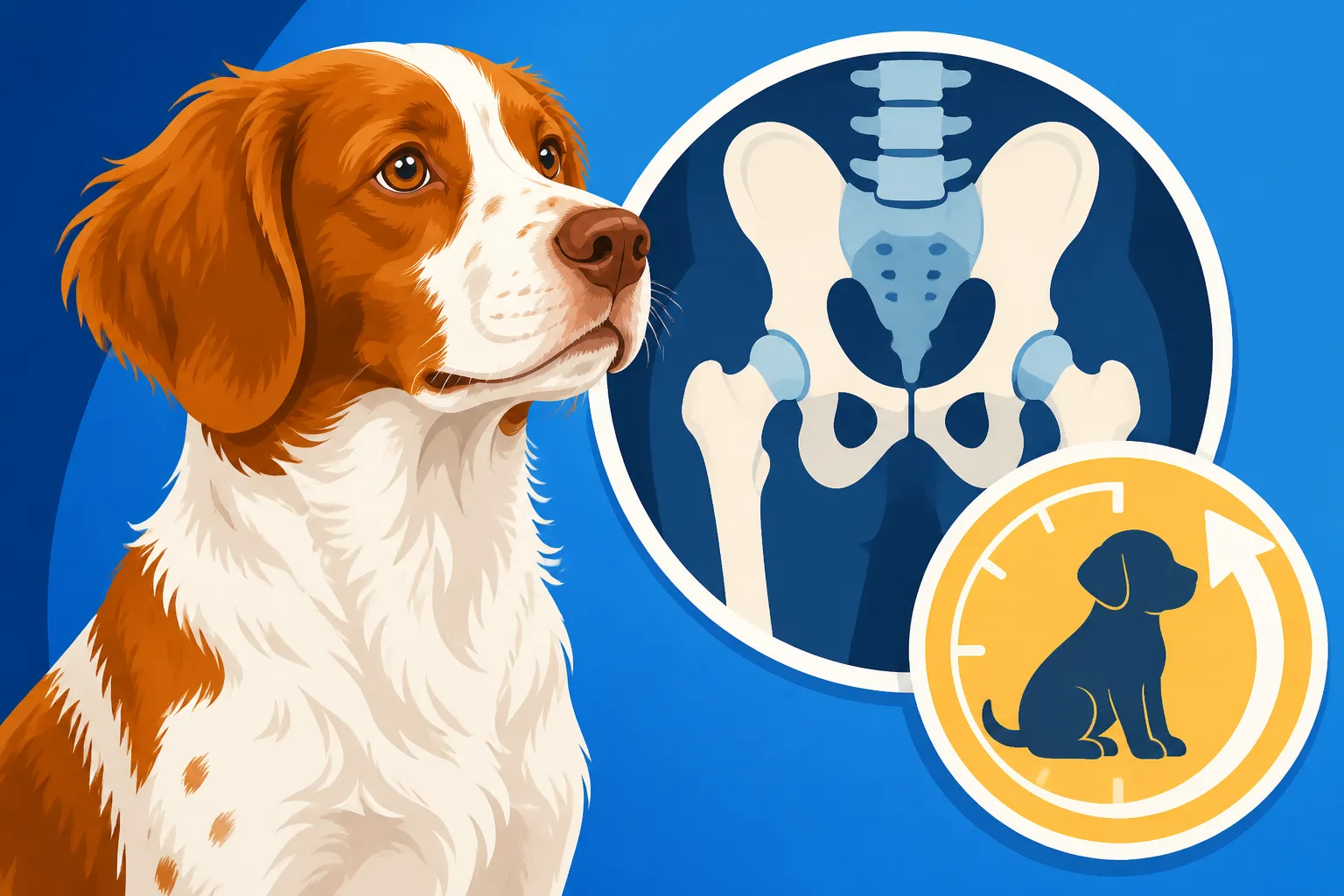
The primary reason for the two-year age requirement for OFA hip certification boils down to skeletal maturity. Think about it like this: a human teenager might look adult-sized, but their bones and joints are still developing and fusing. The same goes for our canine companions, especially active, medium-sized breeds like the Brittany.
A Brittany puppy, despite its boundless energy and rapid growth, is still a work in progress. Their bones have "growth plates"—areas of cartilage at the ends of long bones where new bone tissue is produced, allowing the bones to lengthen. These growth plates are open during puppyhood and gradually close as the dog matures. For most Brittanys, these growth plates aren't fully closed and fused until they are around 18-24 months old. If you X-ray a dog before these plates are closed, the image can be misleading. What might look like a joint abnormality could simply be normal, developing cartilage. Conversely, an early X-ray might miss subtle signs of hip laxity that become more apparent once the bones have fully settled into their adult form. The OFA wants to see a fully developed, mature skeleton to provide the most accurate assessment of joint integrity. This commitment to accuracy ensures that the certifications they issue are reliable and meaningful for breeders and owners alike. You might be interested in learning about When a Brittany's Growth Plates Close to understand this process even better.
The Science Behind Joint Health Assessment
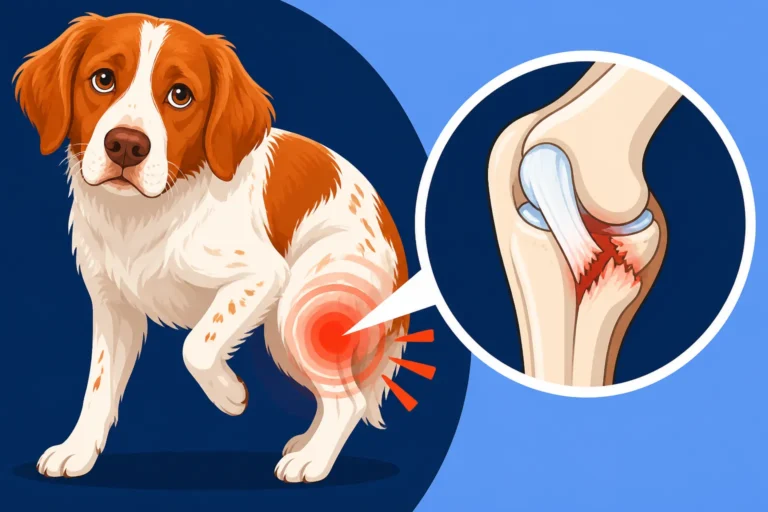
Hip dysplasia isn't something that appears overnight; it's a developmental condition. It's characterized by a malformation of the hip joint, where the ball (the femoral head) doesn't fit snugly into the socket (the acetabulum). This leads to laxity, instability, and eventually, degenerative joint disease or arthritis. In a young, still-growing Brittany, the ligaments and muscles around the hip joint are still strengthening, and the bone structure itself is changing. An X-ray taken too early might show a seemingly "tight" joint that, once fully mature, proves to be dysplastic, or it might show some transient laxity that resolves as the dog finishes growing.
The OFA's methodology, developed over decades, aims to minimize these ambiguities. By waiting until two years of age, they ensure that the interpretation of the radiographs is based on a stable, adult joint structure. This allows their panel of veterinary radiologists to assess the "conformation" or structural fit of the hip joint, as well as looking for any signs of secondary changes like remodeling or early arthritis, which are indicative of dysplasia. This approach significantly increases the predictive value of the certification, making it a gold standard for assessing hip health. The records OFA maintains are crucial; in fact, What the OFA Records Show About Brittany Hips highlights the historical data that underpins their recommendations.
Understanding the OFA's Gold Standard
The Orthopedic Foundation for Animals (OFA) isn't just a random organization; it's a not-for-profit foundation established in 1966 that's dedicated to improving the health and welfare of companion animals through orthopedic disease information, research, and health certifications. They've spent decades refining their protocols to ensure the highest level of accuracy and consistency in their evaluations.
When a veterinarian submits radiographs to the OFA, they are reviewed by three independent, board-certified veterinary radiologists. These experts assess the films for seven different criteria related to hip conformation, laxity, and degenerative changes. The consensus of these three radiologists determines the final hip rating (Excellent, Good, Fair, Borderline, Mild, Moderate, or Severe). This rigorous, peer-reviewed process is why the OFA certification is so highly respected within the veterinary and breeding communities. They prioritize accurate, reliable data that can genuinely help reduce the incidence of genetic diseases like hip dysplasia in future generations. Without the two-year waiting period, the consistency and accuracy of these evaluations would be compromised, making the certification less valuable for its intended purpose of genetic screening.
What Hip Dysplasia Looks Like in a Young Brittany (and Why It's Tricky)
It's natural to worry if your growing Brittany is showing any signs of discomfort. You might see them move a little strangely, or hesitate with certain movements, and your mind immediately jumps to hip issues. The tricky part is that symptoms of hip dysplasia in a young Brittany can be incredibly subtle, easily mistaken for other puppy-related quirks, or even just growing pains.
Subtlety of Early Signs
When a Brittany is very young, especially under two years old, overt lameness from hip dysplasia is rare unless the condition is severe. Instead, you might notice more subtle signs that can be easily overlooked or dismissed. For instance, your pup might:
- Have an awkward gait, sometimes described as a "bunny hop" when running, where both hind legs move together.
- Show a reluctance to jump, climb stairs, or engage in active play as enthusiastically as their littermates or other young Brittanys.
- Display stiffness or soreness after exercise, which might seem to improve after they've warmed up.
- Lie down or sit in unusual positions, like "frog-sitting" with their legs splayed out behind them, rather than tucked under.
- Exhibit a general decrease in activity levels or enthusiasm for long walks or runs.
- Occasionally whine or show discomfort when getting up after a rest.
The problem is, these signs aren't exclusive to hip dysplasia. A growing puppy might be clumsy, might have slight muscle imbalances, or could simply be experiencing normal growing pains. This overlap in symptoms makes early diagnosis based solely on observation incredibly challenging. This is why a good veterinarian's examination is crucial. If you're seeing any of these signs, it's definitely worth talking to your vet, but remember that a definitive diagnosis often requires more than just an observation. We've talked before about Signs a Brittany's Hips Hurt if you want to dive deeper into observable symptoms.
The Impact of Growth Plates
As we discussed earlier, growth plates are the soft, cartilaginous areas in a young Brittany's bones that allow for growth. These plates are incredibly vulnerable. Trauma to a growth plate can affect how a bone develops, potentially leading to deformities or uneven limb length. In the context of hip dysplasia, the presence of open growth plates complicates radiographic interpretation.
An X-ray taken before these plates close can show "gaps" or irregularities in the bone structure that are completely normal for a growing dog but might be misinterpreted as a problem. Conversely, a young dog with significant hip laxity might not yet show the secondary bone changes (like flattening of the femoral head or shallow acetabulum) that are characteristic of hip dysplasia in a mature dog. The cartilage itself can obscure the true bone-to-bone fit. This means that an X-ray might either falsely suggest a problem or falsely reassure an owner, neither of which is helpful for making informed decisions about a dog's health or breeding potential. Waiting until the growth plates are fully fused provides a clearer, more accurate picture of the final adult joint structure.
The Risk of Misdiagnosis and Unnecessary Interventions
Imagine putting your young Brittany through the stress of X-rays and even anesthesia, only to receive a "borderline" or "equivocal" result because their skeleton isn't fully mature. This ambiguous outcome can lead to a lot of anxiety, potentially unnecessary dietary changes, restricted exercise, or even, in extreme cases, discussions about prophylactic surgeries that might not be needed or effective.
A false positive diagnosis could mean limiting your Brittany's natural activities during a crucial developmental period, impacting their muscle development and overall well-being, all based on an incomplete picture. Conversely, a false negative might lead you to believe your Brittany has excellent hips, only to discover later that they develop significant dysplasia once fully grown. This is particularly relevant for breeding animals, as a misdiagnosis could lead to passing on genetic predispositions. The two-year waiting period, therefore, isn't just an arbitrary rule; it's a safeguard against these very real risks of misdiagnosis, ensuring that any interventions or decisions made are based on the most reliable information possible.
Preparing Your Brittany for OFA Certification
While the waiting period for official OFA certification can feel long, it's not a time to be idle! There's plenty you can do during these crucial first two years to support your Brittany's joint health and set them up for the best possible outcome when it's time for their X-rays. Think of it as laying a strong foundation for a healthy, active life.
Responsible Puppy Raising for Joint Health
The first two years of a Brittany's life are incredibly important for their skeletal development. What you do during this time can significantly influence their joint health, regardless of genetic predispositions.
- Nutrition: A balanced diet is paramount. Avoid overfeeding, which can lead to rapid growth and excess weight. Both rapid growth and obesity put undue stress on developing joints. Ensure your Brittany is on a high-quality food appropriate for their life stage, and resist the urge to supplement with extra calcium or vitamins unless specifically instructed by your vet. Too much calcium, for instance, can interfere with proper bone development. We've touched on this before in discussions like Whether a Brittany Puppy Needs Large Breed Food.
- Appropriate Exercise: While Brittanys are energetic, high-impact activities like jumping off tall furniture, repetitive stair climbing, or intense, forced running on hard surfaces should be limited in puppyhood. Their growth plates are still open and susceptible to injury. Instead, focus on controlled, moderate exercise like leash walks, supervised free play on soft surfaces (like grass), and swimming. Let your puppy dictate the pace and duration of play; they'll usually stop when they're tired. Prolonged, strenuous activity can stress developing joints. Remember, Whether a Brittany Puppy Should Run on Hard Ground is a real concern.
- Weight Management: Keeping your Brittany at a lean, healthy weight is one of the most impactful things you can do for their joint health throughout their life. Every extra pound puts additional strain on hips and elbows. Regular body condition scoring and working with your vet on a feeding plan are excellent strategies. You should always be able to easily feel your Brittany's ribs, but not see them prominently.
By being mindful of these aspects, you're not just waiting out the clock; you're actively contributing to the healthy development of their joints, maximizing their chances of a good OFA certification. This is where a proactive approach with tools like pet insurance can be really helpful. A company like Healthy Paws, for example, could help cover costs if, despite your best efforts, unforeseen issues arise later on.
The Importance of a Good Relationship with Your Vet
Your veterinarian is your best partner in navigating your Brittany's health journey. Establishing a strong, trusting relationship with them from puppyhood is invaluable.
- Regular Check-ups: Ensure your Brittany has all their routine check-ups and vaccinations. During these visits, your vet will perform a general physical examination, which includes assessing their gait and feeling their joints for any signs of discomfort or laxity.
- Discuss Concerns Openly: Don't hesitate to bring up any observations or concerns you have about your Brittany's movement, activity level, or general well-being, no matter how minor they seem. Your vet can help differentiate normal puppy quirks from potential early signs of orthopedic issues.
- Planning for Screening: Around your Brittany's first birthday, start discussing the OFA hip screening process with your vet. They can explain the procedure, what to expect, and schedule the appointment closer to the two-year mark. Your vet can also advise on any specific preparation your Brittany might need. They'll also be key in interpreting the results and guiding you on the next steps, whether it's for breeding or simply for your dog's long-term health plan.
Alternative or Supplemental Screening Methods
While the OFA hip certification at two years old remains the widely recognized standard for breeding decisions and comprehensive evaluations, there are other methods available, particularly for earlier assessment.
- PennHIP: This method, developed at the University of Pennsylvania, can be performed as early as 16 weeks of age. Unlike OFA, which primarily assesses the "fit" of the hip joint in a neutral position and looks for degenerative changes, PennHIP specifically measures hip laxity. It uses a specialized device to stress the hip joint and measure how much the femoral head can be distracted from the acetabulum. The results are expressed as a Distraction Index (DI), a numerical value that quantifies hip laxity and can predict the likelihood of developing hip dysplasia.
Here's a quick comparison:
| Feature | OFA Hip Evaluation (Standard) | PennHIP Evaluation (Supplemental/Alternative) |
|---|---|---|
| Minimum Age | 24 months (2 years) | 16 weeks (4 months) |
| What it Assesses | Hip joint conformation, signs of degenerative joint disease, overall fit | Quantifies passive hip joint laxity (how loose the joint is) |
| Methodology | One standard ventrodorsal (VD) X-ray; evaluated by 3 radiologists | Three distinct X-ray views: VD extended, distraction view, compression view |
| Results Provided | Qualitative rating (Excellent, Good, Fair, Borderline, Mild, Moderate, Severe) | Quantitative Distraction Index (DI) score, percentile ranking compared to breed |
| Primary Use | Breeding certification, general hip health assessment | Early prediction of hip dysplasia risk, breeding decisions, general hip health |
While PennHIP offers an earlier look, it's generally considered supplemental to OFA, especially for those aiming for specific titles or certifications requiring OFA. Many breeders choose to do both, getting an early PennHIP assessment and then following up with OFA at two years. Your vet can help you decide if PennHIP is a worthwhile step for your individual Brittany. Learning about What PennHIP Tells a Brittany Owner can provide even more detail on this option.
The Certification Process and Beyond
So, the two-year mark has finally arrived! You've diligently cared for your Brittany, watched them grow, and now it's time for the big day – their OFA hip certification. Understanding what happens during this process and what the results mean is key to moving forward, whether your Brittany is destined for the field, the show ring, or simply a beloved family companion.
What Happens at the Vet for OFA Screening
The OFA hip certification process itself is fairly straightforward, but it requires a bit more than just a quick picture. Your Brittany will need to be sedated or given light anesthesia for the X-rays. This isn't just to keep them still; it's crucial for positioning.
- Sedation/Anesthesia: This allows your vet to properly position your Brittany for the radiographs. For accurate hip X-rays, your dog needs to be lying on their back with their hind legs extended straight back and parallel to each other, and their femurs rotated internally. This specific positioning can be uncomfortable or difficult for a dog to maintain while awake, and any slight rotation can skew the results.
- Radiographs: Your veterinarian will take at least one specific ventrodorsal (VD) view of the hips. They'll ensure the image quality is high, with good contrast and proper exposure, as fuzzy or poorly positioned X-rays can be rejected by the OFA.
- Submission to OFA: Once the X-rays are taken, your vet will fill out the necessary forms, which you will have completed with your Brittany's information. The radiographs, along with the forms and the required fee, are then sent to the OFA for evaluation by their panel of radiologists. This usually happens digitally now, which speeds up the process somewhat.
It's a quick procedure once your Brittany is sedated, typically only a few minutes for the actual X-ray images. The biggest part of the "day" is usually the waiting for the sedation to wear off safely. Your vet will provide you with specific instructions for pre-appointment fasting and post-sedation care.
Understanding the OFA Grading System
Once the OFA receives and evaluates your Brittany's X-rays, you'll receive a report with their official hip grade. This grading system is quite specific and provides a comprehensive overview of your dog's hip health.
Here's a breakdown of the seven possible grades:
| OFA Hip Grade | Description | Implications for Breeding/Health |
|---|---|---|
| Excellent | Superior hip conformation; femoral head deeply seated in the acetabulum with minimal joint space. | Ideal for breeding; indicates a very low likelihood of developing hip dysplasia. |
| Good | Well-formed, congruent hip joint with good coverage of the femoral head by the acetabulum; slightly wider joint space than Excellent. | Acceptable for breeding; indicates a low likelihood of developing hip dysplasia. |
| Fair | Minor irregularities in hip conformation; joint congruency is adequate, but not as tight as Good or Excellent. | Still considered acceptable for breeding, but some breeders might choose to breed to a dog with Excellent or Good hips to improve overall hip scores. |
| Borderline | Intermediate hip conformation; usually indicates slight hip laxity but without definitive degenerative changes. Retakes often recommended. | Not considered dysplastic, but caution is advised for breeding. Often a re-evaluation is recommended in 6-12 months. |
| Mild | Obvious signs of hip dysplasia with mild degenerative joint disease. | Not recommended for breeding. Indicates a higher risk of developing clinical signs of lameness and arthritis. |
| Moderate | Significant evidence of hip dysplasia with pronounced degenerative joint disease. | Not recommended for breeding. High likelihood of clinical lameness, pain, and significantly impaired mobility. |
| Severe | Marked evidence of hip dysplasia with severe degenerative joint disease; often accompanied by subluxation or dislocation. | Not recommended for breeding. Extremely high likelihood of severe clinical signs, pain, and significant quality of life issues. |
The goal for any responsible Brittany breeder is to produce dogs with Excellent, Good, or Fair hips. Dogs graded Borderline or worse are generally not recommended for breeding to help reduce the incidence of hip dysplasia in the breed. This grading system is how breeders make informed decisions to improve the health of future generations. If you're curious about breed statistics, What Share of Brittanys Fail an OFA Hip Screen offers an interesting look at overall results.
Living with the Results
Receiving your Brittany's OFA results can be a moment of relief, or it might present a new set of considerations.
- Good News (Excellent, Good, Fair): If your Brittany receives one of these passing grades, congratulations! This means their hips are structurally sound according to OFA standards. For breeders, this is a green light to consider them for breeding, confident that they are not contributing to hip dysplasia in their lines. For pet owners, it offers immense peace of mind, allowing you to enjoy all the activities your Brittany loves, from field work to long hikes.
- Challenging News (Borderline, Mild, Moderate, Severe): If your Brittany's hips are graded Borderline or dysplastic, it can be disheartening, but it's important to remember that this is information to help you manage their health proactively.
- For Breeders: Dogs with these grades should not be bred. This is a critical step in responsible breeding to prevent passing on a genetic predisposition.
- For Pet Owners: A dysplastic diagnosis doesn't mean your Brittany can't live a full and happy life, but it does mean you'll need to be more vigilant about their joint health. This might involve:
- Weight Management: Keeping them lean is even more crucial to reduce stress on the joints.
- Controlled Exercise: Modifying exercise routines to avoid high-impact activities, opting for swimming or short, frequent walks instead of long, strenuous runs.
- Supplements: Your vet might recommend joint supplements like glucosamine, chondroitin, or omega fatty acids.
- Medication: For pain management, anti-inflammatory drugs might be prescribed as needed.
- Physical Therapy: Specialized exercises can strengthen supporting muscles.
- Surgery: In some severe cases, surgical interventions may be an option, though this is usually considered a last resort.
Having robust pet insurance, like a policy from Healthy Paws, can be incredibly beneficial in these situations, helping to cover the often significant costs associated with managing hip dysplasia over a Brittany's lifetime. Understanding How Common Hip Dysplasia Is in Brittany Spaniels can provide context for how often this challenge arises.
Ultimately, the OFA hip certification, while requiring patience, provides invaluable information that allows owners to make informed decisions for their Brittany's well-being. It's an investment in a healthy future for your cherished companion.
Disclaimer
This article is for general informational purposes only and does not constitute professional advice. Laws, prices and regulations vary by location and change over time. Consult a qualified professional for guidance on your specific situation.