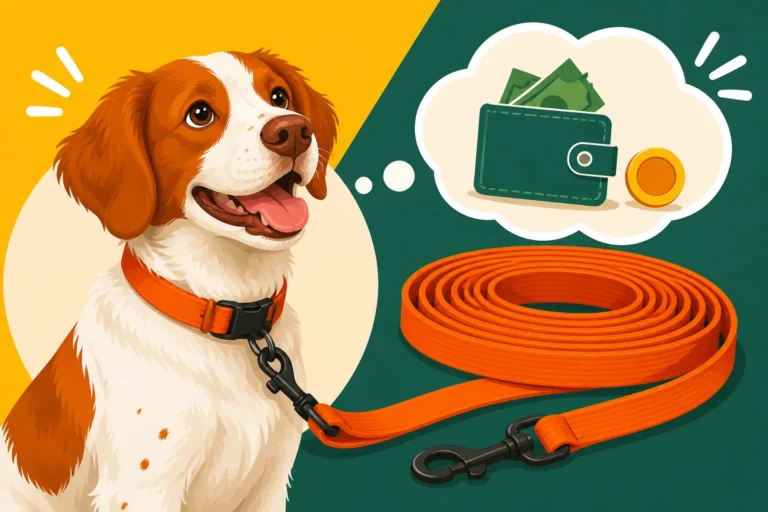
What a Brittany Spaniel Costs to Buy in 2026
Bringing a new furry family member into your home is an exciting time, but the financial aspect can often feel like navigating a dense thicket without a map. Many prospective Brittany Spaniel owners wonder just how much they're really signing up for, beyond that initial purchase price. This comprehensive guide will shed light on all the financial considerations, from the day you bring your Brittany home to their golden years, helping you understand the full scope of ownership costs.
Understanding the Initial Purchase Price of a Brittany
When you first decide to welcome a Brittany Spaniel into your life, the very first question that often pops up is, "How much does a puppy actually cost?" It’s not just a single number; the price tag can fluctuate wildly based on a myriad of factors, and it's essential to understand what contributes to these variations so you can make an informed decision. Skipping due diligence here can lead to heartbreak and much higher costs down the line.
Breeder Costs: The Range and What Influences It
The initial purchase price from a reputable Brittany breeder typically falls into a wide range. This isn't just arbitrary pricing; it reflects the significant investment a responsible breeder makes in their lines, their dogs' health, and the welfare of their puppies. Factors like the puppy's pedigree, whether the parents are titled in conformation or field events (or both, which is common for Brittanys), and the extensive health clearances performed on the dam and sire all play a role. A breeder who has invested in proving their dogs' abilities in the field, earning titles like Junior Hunter or Master Hunter, will naturally have higher prices to reflect that effort and the proven genetics they offer. Likewise, thorough health testing, such as OFA certifications for hips and elbows, eye clearances from a veterinary ophthalmologist, and genetic testing for conditions like C3 deficiency, adds to the breeder's overhead but ensures you're getting a puppy with the best possible start. For a deeper dive into what influences these figures, you might find our article on Why Brittany Prices Range From Eight Hundred to Three Thousand insightful.
Furthermore, the breeder's reputation, the demand for their particular lines, and even the geographic location can influence the price. Breeders who have a long-standing history of producing healthy, well-tempered dogs with strong hunting instincts often command higher prices. They typically have waiting lists, reflecting the quality and consistency of their litters. What you're truly paying for is not just a puppy, but the decades of dedication, ethical breeding practices, and genetic health guarantees that come with it. It’s an investment in a dog that is likely to embody the breed's best qualities and be a healthy companion for years to come. You'll often find that reputable breeders are transparent about these costs and what they include, ensuring you understand the value behind the price. You can learn more about the specific costs from a breeder in What a Brittany Puppy Costs From a Breeder.
Why a Cheap Brittany Puppy Is a Red Flag
While the idea of saving money on a puppy might be tempting, a significantly lower price for a Brittany Spaniel puppy should immediately raise a red flag. These "bargain" prices often come from less-than-reputable sources like backyard breeders or puppy mills, where the primary motivation is profit rather than the health and welfare of the dogs. These operations typically cut corners on vital aspects such as health testing, proper nutrition for the dam, early socialization for the puppies, and even basic veterinary care like vaccinations and deworming. The parents might not have any health clearances at all, meaning you could be buying a puppy predisposed to expensive genetic health issues like hip dysplasia or epilepsy down the line.
The immediate savings on the purchase price can quickly be overshadowed by astronomical veterinary bills in the future. Puppies from these environments are more likely to suffer from parasites, infectious diseases, and behavioral problems due to poor early care and lack of proper socialization. Imagine falling in love with your new puppy only to discover they have a serious congenital defect that requires costly surgeries or lifelong medication. It's a heartbreaking and financially draining situation that can often be avoided by choosing a reputable breeder. Always remember that a higher upfront cost from a responsible breeder is often a wise investment in your dog's long-term health and your own peace of mind.
The Option of Adopting a Brittany from Rescue
For those who are not set on a puppy or who prefer to give a dog a second chance, adopting a Brittany from a rescue organization is a fantastic and often more affordable option. Rescue groups are dedicated to finding loving homes for Brittanys who, for various reasons, find themselves without one. The adoption fees for a rescue Brittany are typically much lower than buying from a breeder, and these fees usually include a significant amount of veterinary care. Most rescue Brittanys come spayed or neutered, up-to-date on vaccinations, microchipped, and often have had a thorough veterinary check-up. Many even come with existing training or house-training, which can be a huge bonus.
Rescue organizations often have a deep understanding of each dog's personality and background, allowing them to make a good match with prospective owners. They can tell you about the dog's temperament, how they interact with children or other pets, and any known health issues. While a rescue dog's history might sometimes be unknown, the dedicated volunteers often go to great lengths to provide as much information as possible and ensure the dog is healthy and ready for a new home. Choosing to adopt not only saves you money upfront but also gives a deserving Brittany a chance at a loving family. You can find more information on the costs and benefits of this route in our article on Adopting a Brittany From Rescue.
The Hidden Costs of Bringing Your Brittany Home
Once you’ve settled on the perfect Brittany, whether from a breeder or a rescue, the financial journey has only just begun. The initial purchase price is just one piece of the puzzle. There’s a whole host of essential items and services your new companion will need right away to settle in comfortably and safely. Overlooking these "hidden" costs can lead to an unexpected strain on your budget shortly after your dog arrives.
Essential Supplies: Crates, Bowls, and Leashes
Before your Brittany even steps paw in your home, you'll need a starter kit of basic supplies. A sturdy crate is paramount, serving as a safe den for your dog and a crucial tool for house-training. Remember, Brittanys are active dogs, even indoors, so their crate needs to be appropriately sized to allow them to stand up, turn around, and lie down comfortably. Then there are food and water bowls – stainless steel is often recommended for hygiene and durability. A comfortable collar or harness, along with a reliable leash, is essential for walks and training sessions from day one. Don't forget identification tags with your contact information, just in case your adventurous Brittany decides to explore a little too far.
Beyond these absolute necessities, you’ll also need high-quality chew toys to redirect their natural chewing instincts (Brittanys can be quite oral, especially as puppies!) and a comfortable bed for outside the crate. Puppy pads might be necessary for initial house-training, and enzymatic cleaners will be your best friend for any accidents. Considering your Brittany's energy levels, a variety of durable toys will be important to keep them mentally and physically stimulated. Many owners find value in ordering these supplies from online retailers like Chewy, which offers a wide selection and often competitive pricing, making it easier to stock up on everything your new friend needs without breaking the bank.
Initial Veterinary Care: Vaccinations and Check-ups
Even if your Brittany puppy comes with an initial vet check and first vaccinations from a reputable breeder or rescue, the first few months involve a series of crucial veterinary appointments. Puppies require a series of booster shots to complete their vaccination schedule, protecting them from common and serious diseases like distemper, parvovirus, and rabies. You'll also need to consider regular deworming and parasite prevention, as puppies are particularly susceptible to intestinal worms and external parasites like fleas and ticks. Your veterinarian will also discuss spaying or neutering, which is a significant cost in itself, though often included for rescue dogs.
These initial visits are also vital for establishing a relationship with your vet and addressing any immediate health concerns. Your vet will conduct thorough physical exams to ensure your puppy is developing properly, discuss nutrition, and answer any questions you have about their care. This early preventative care is an investment in your Brittany's long-term health and can prevent more serious, expensive issues down the road. Some owners also choose to microchip their dogs if not already done, providing an added layer of security should they ever get lost.
Training Essentials: Collars, Whistles, and Training Birds
Brittanys are intelligent and eager-to-please, but they are still dogs, and training is non-negotiable. Investing in the right training essentials from the start will set both you and your Brittany up for success. A long check cord, for instance, is invaluable for teaching recall and getting your energetic Brittany used to ranging further afield while still under your control. A quality whistle is another cornerstone of Brittany training, especially if you plan to hunt with your dog, as it allows for clear, consistent commands at a distance.
As a pointing breed, Brittanys often have a natural bird drive, but formal bird work requires specific tools. Training pigeons or quail, along with a bird launcher or releaser, can be a significant upfront cost but is essential for developing their hunting skills. These tools allow you to simulate real hunting scenarios in a controlled environment, helping your Brittany develop a steady point and reliable retrieve. Whether your goal is a well-behaved family companion or a titled field dog, a small investment in appropriate training gear will pay dividends in a happy, obedient Brittany.
Ongoing Monthly and Yearly Expenses for a Brittany
The initial setup costs are a one-time hurdle, but owning a Brittany Spaniel means committing to a host of ongoing expenses that will continue throughout their life. These recurring costs are what truly add up over the years and are critical to factor into your budget. From what they eat to how they stay healthy, these are the day-to-day and annual investments in your Brittany's well-being.
Food: Fueling Your Active Brittany
Brittanys are high-energy dogs, and their diet needs to reflect their active lifestyle. This means investing in high-quality dog food that provides the necessary protein, fats, and nutrients to sustain their boundless energy and maintain their lean, muscular physique. The type of food you choose will significantly impact your monthly budget. Premium kibble, raw diets, or fresh-cooked options will naturally cost more than generic brands, but they can offer superior nutrition that contributes to better health, shinier coats, and sustained energy levels.
Consider brands like Ollie, which offers fresh, human-grade dog food subscriptions. While such options might seem pricier upfront, many owners find the investment worthwhile, believing it contributes to their dog's overall health and potentially reduces future vet bills. A working Brittany, especially during hunting season, will require even more calories and possibly a performance-specific formula to meet their intense energy demands. It's a good idea to consult with your veterinarian or a canine nutritionist to determine the best diet for your individual Brittany, taking into account their age, activity level, and any specific health needs. You can get an idea of what these costs look like in What a Brittany Eats in a Month.
Regular Veterinary Care and Preventative Measures
Beyond the initial puppy shots, your Brittany will require annual veterinary check-ups to ensure they remain in peak health. These yearly visits typically include a physical exam, core vaccinations (like rabies and distemper boosters), and possibly additional vaccinations depending on your dog's lifestyle and local risks, such as Leptospirosis for dogs who frequent wooded or wet areas. Preventative medications are another significant ongoing expense; monthly heartworm prevention, year-round flea and tick control, and regular deworming are crucial for protecting your Brittany from common parasites that can cause serious health issues.
As your Brittany ages, these preventative measures become even more critical, and additional screenings, such as senior blood panels, may be recommended to catch age-related conditions early. Investing in this routine veterinary care is not just about compliance; it's about proactively maintaining your Brittany’s health and preventing small issues from escalating into costly emergencies. Early detection of health problems can often lead to more effective and less expensive treatments, ensuring your beloved companion lives a long, healthy life.
Grooming and Maintenance Supplies
While Brittanys are generally considered a low-maintenance breed in terms of grooming, they still require regular care to keep their coat, skin, and ears healthy, especially if they spend time in the field. Essential grooming supplies include a good quality brush, specialized shampoo for dogs (especially after muddy or wet hunts), nail clippers or a dremel, and ear cleaning solution. Their distinctive feathering on their legs and ears can pick up burrs, foxtails, and debris, requiring diligent brushing and occasional trimming to prevent matting and discomfort.
Regular ear cleaning is particularly important for Brittanys, as their drop ears can trap moisture and increase the risk of ear infections. You’ll need a gentle ear cleaner and cotton balls, and a routine for checking and cleaning their ears after every outing or swim. Over time, these small purchases add up, but consistent grooming not only keeps your Brittany looking sharp but also provides an opportunity to check for any skin issues, bumps, or external parasites that might have gone unnoticed. It’s a hands-on way to bond with your dog while ensuring their comfort and hygiene.
Specialized Costs for a Hunting Brittany
Many Brittany Spaniel owners are drawn to the breed for their exceptional bird hunting abilities. If you plan to take your Brittany into the field, you'll discover a whole new category of specialized costs that are essential for their safety, performance, and your overall hunting experience. These are investments that go beyond basic pet ownership, tailored specifically for the working gun dog.
Field Gear: E-Collars, GPS, and Vests
Taking a Brittany into diverse cover for hunting means equipping them with specialized gear designed for safety and communication. An electronic collar (e-collar) is a common tool for advanced training and communication in the field, allowing you to give commands or corrections at a distance. A reliable GPS tracking system, often integrated with an e-collar, is almost indispensable for Brittanys, especially American lines, which are known for their wide-ranging style. This technology gives you peace of mind, knowing you can always locate your dog, even in dense cover or when they've gone out of sight.
Protective gear, such as an orange safety vest, is vital for visibility in the field, helping other hunters spot your dog and protecting them from abrasions. For water retrieves or cold weather hunting, a neoprene vest can provide crucial insulation and protection from hypothermia. Investing in high-quality, durable field gear is paramount for a hunting Brittany. It ensures their safety, enhances their performance, and ultimately makes your time in the field more enjoyable and less stressful. While the initial outlay might seem substantial, this equipment is designed to withstand the rigors of hunting season after season.
Training Birds and Bird Launchers
To truly develop a Brittany's pointing and retrieving skills for hunting, you'll need access to training birds and equipment to present them effectively. Live pigeons, quail, or chukars are commonly used for bird training, allowing your dog to develop a natural point, learn steadiness, and practice retrieving. Acquiring these birds can be an ongoing expense, whether you purchase them from local suppliers or raise them yourself. Some hunters also use frozen or artificial birds for retrieving practice, but nothing quite simulates the real thing like live birds.
To control the presentation of live birds and introduce scenarios like flushing and shooting, bird launchers are a critical piece of equipment. These remote-controlled devices launch birds into the air, allowing you to train your Brittany for steady to wing and shot. This equipment represents a significant investment, but it's essential for simulating realistic hunting conditions in a controlled training environment. Without these tools, it becomes much harder to refine your Brittany’s natural instincts into a polished, effective hunting dog.
Potential Field Injuries and Their Treatment
Hunting with a Brittany, while rewarding, carries an inherent risk of injury. From running through thick brush to navigating uneven terrain, working dogs are susceptible to cuts, scrapes, torn pads, and even more serious incidents like encounters with barbed wire, porcupines, or snakes. These injuries can occur quickly and often require immediate veterinary attention, leading to unexpected and potentially significant costs. A torn paw pad, a common field injury, might need cleaning, bandaging, or even stitches. Removing embedded foxtails from ears or paws often requires a vet visit, sometimes sedation.
It's wise for any hunting Brittany owner to have an emergency fund or pet insurance, such as a policy from Healthy Paws, specifically designed to cover accidents and unexpected veterinary expenses. Knowing that you have financial protection can make the difference between prompt, comprehensive care and agonizing over costs during a stressful situation. A well-stocked canine first-aid kit for the field is also a must, allowing you to address minor injuries on the spot before heading to the vet. Be proactive in learning How to Close a Brittany's Field Laceration and How to Treat a Brittany's Torn Pad. Being prepared for these eventualities is a crucial part of owning a hunting Brittany. You can explore What a Brittany's Field Injuries Cost in a Season for more details.
The Investment in Health: Screening and Insurance
Ensuring your Brittany's long-term health is one of the most important financial considerations. This involves not only choosing a dog from healthy lines but also being prepared for potential health issues throughout their life. Investing in preventative health measures and having a safety net can save you significant stress and expense in the long run.
Essential Health Clearances from Reputable Breeders
A significant part of a reputable breeder's higher price tag goes towards extensive health clearances performed on the parent dogs. These aren't just arbitrary tests; they are critical for minimizing the risk of passing on genetic diseases to puppies. For Brittanys, common clearances include hip and elbow evaluations through organizations like the Orthopedic Foundation for Animals (OFA) to check for dysplasia, eye examinations by a board-certified veterinary ophthalmologist for conditions like retinal dysplasia or cataracts, and potentially genetic tests for breed-specific issues like C3 deficiency.
When researching breeders, always ask to see proof of these certifications. A responsible breeder will be transparent and eager to share the results, explaining what each clearance means for the health of their puppies. This upfront investment in a puppy from health-tested parents can dramatically reduce the likelihood of your Brittany developing costly and debilitating genetic conditions down the road. It's a proactive step that reflects a commitment to the breed's health and ensures you're bringing home a puppy with the best possible genetic foundation. You can read more about this in The CHIC Panel a Brittany Breeder Should Have Run.
The Value of Pet Insurance for a Brittany
Even with the best breeding practices and preventative care, accidents and illnesses can still happen. This is where pet insurance becomes an invaluable tool for managing unexpected veterinary costs. Policies from providers like Healthy Paws can cover a significant portion of expenses for accidents, illnesses, surgeries, emergency care, and even some diagnostic tests. Without insurance, a sudden injury, a serious illness, or an unforeseen condition could easily result in thousands of dollars in vet bills, creating immense financial stress.
The monthly premium for pet insurance is a consistent, predictable expense that provides a safety net against unpredictable, large outlays. While it's an additional cost, many Brittany owners find the peace of mind it offers to be well worth it. It allows them to make medical decisions based on what's best for their beloved companion, rather than being limited by financial constraints. Researching different plans and understanding what they cover (and exclude) is crucial to finding the right policy for your Brittany. Consider our article on Whether Insurance Covers a Brittany's Hunting Injuries for more insights.
Managing Unexpected Illnesses or Accidents
Despite all precautions, sometimes the unexpected occurs. A sudden bout of illness, an injury sustained during a romp in the park, or the development of a chronic condition can lead to significant veterinary expenses that were not part of the regular budget. These can range from diagnostic tests like X-rays or bloodwork to medication, specialized treatments, or even emergency surgery. Having an emergency fund specifically for your Brittany, or a robust pet insurance policy, is crucial for navigating these situations without added financial burden.
Being prepared for these possibilities means you can focus on your dog's recovery rather than worrying about how to pay the vet bill. It’s not just about the monetary cost; it’s about having the ability to provide your Brittany with the best possible care when they need it most, ensuring their comfort and well-being during stressful times.
Considering the Lifetime Financial Commitment of a Brittany
Bringing a Brittany into your home is a commitment that typically spans 12 to 14 years, or even more. This isn't just about the first year or the occasional vet visit; it's about understanding the cumulative financial investment over their entire lifespan. Many people underestimate the true cost of dog ownership, especially for an active breed like the Brittany.
Senior Care Costs: Special Needs for Older Brittanys
As your Brittany enters their golden years (typically around 10 years old), their healthcare needs often change and can become more frequent and costly. Just like humans, senior dogs are more susceptible to age-related conditions such as arthritis, dental disease, declining vision or hearing, kidney disease, and various forms of cancer. Managing these conditions often requires more frequent vet visits, specialized diets, ongoing medications, and potentially costly treatments or surgeries. For instance, an arthritic Brittany might need joint supplements, pain medication, or even physical therapy to maintain their quality of life.
The cost of caring for an aging Brittany can increase substantially. Regular senior wellness checks, which might include blood work and urinalysis, become vital for early detection and management of health issues. Providing comfortable orthopedic beds, ramps to help them get into vehicles or onto furniture, and adapting your home to their reduced mobility are also considerations. While it can be emotionally and financially challenging, investing in the comfort and health of your senior Brittany allows you to cherish those twilight years together. You can find useful tips in Caring for a Brittany Past Ten.
Planning for the Unexpected: Emergency Funds
No matter how well you plan, life with a dog inevitably throws curveballs. An emergency fund dedicated solely to your Brittany’s health and well-being is a smart financial strategy. This fund acts as a safety net for those unexpected expenses that aren't covered by routine care or might exceed pet insurance deductibles and limits. This could be anything from an emergency visit for ingesting something toxic to a sudden injury requiring surgery outside of hunting season.
Aim to save several thousand dollars over time, if possible, to cover major unforeseen veterinary expenses. This fund provides immense peace of mind, knowing that you can afford critical care for your beloved companion without having to resort to credit cards or making difficult choices based on cost. It's a testament to your commitment to their lifelong care, ensuring that financial constraints don't dictate the level of medical attention your Brittany receives.
Is a Brittany an Expensive Dog to Own?
When you add up all the initial purchase costs, ongoing monthly expenses, specialized gear for hunting, and potential lifetime veterinary care, it becomes clear that owning a Brittany Spaniel is a significant financial commitment. While not the most expensive breed to acquire or maintain, their active lifestyle, potential for field injuries, and need for high-quality food mean they typically fall into a moderate to high range of dog ownership costs. They aren't a breed for a shoestring budget.
However, the immense joy, companionship, and sporting partnership a Brittany provides are, for many owners, priceless. The financial investment is repaid tenfold in wet nose nudges, enthusiastic tail wags, and exhilarating moments in the field. Understanding these costs upfront allows you to plan accordingly and ensures you can provide your Brittany with the best possible life. Ultimately, whether a Brittany is "expensive" is subjective, but there's no doubt that they require a dedicated owner prepared for a substantial, long-term financial commitment. For a breakdown of the overall financial picture, check out What a Brittany Costs Over Its Lifetime.
Here’s a simplified overview of the various costs you might encounter:
| Category | Description | Typical Cost Impact (Shape) | Frequency |
|---|---|---|---|
| Initial Purchase | Puppy from breeder, adoption fee from rescue | Moderate to High (hundreds to low thousands) | One-time |
| Initial Setup Supplies | Crate, bowls, leash, collar, bed, toys, grooming tools | Moderate (hundreds) | One-time |
| Initial Vet Care | Puppy shots, deworming, microchipping, spay/neuter | Moderate to High (hundreds to low thousands) | First year |
| Food & Treats | High-quality kibble, fresh food, supplements | Moderate (monthly) | Ongoing |
| Routine Vet Care | Annual check-ups, vaccinations, parasite prevention | Moderate (hundreds yearly) | Annual |
| Grooming & Maintenance | Shampoo, brushes, ear cleaner, nail trims, occasional professional grooming | Low (monthly/quarterly) | Ongoing |
| Training & Equipment | Classes, e-collar, GPS, check cords, whistles, bird launchers, training birds | Moderate to High (hundreds to thousands) | One-time/Ongoing |
| Pet Insurance/Emergency Fund | Monthly premiums or savings contributions | Low to Moderate (monthly) | Ongoing |
| Unexpected Vet Bills | Accidents, illnesses, chronic conditions, specialized treatments | Variable (potentially thousands) | Unpredictable |
| Senior Care | Increased vet visits, special diets, medications, mobility aids | Moderate to High (hundreds to thousands) | Later years |
Disclaimer
This article is for general informational purposes only and does not constitute professional advice. Laws, prices and regulations vary by location and change over time. Consult a qualified professional for guidance on your specific situation.