Whether an Aging Brittany Loses Muscle
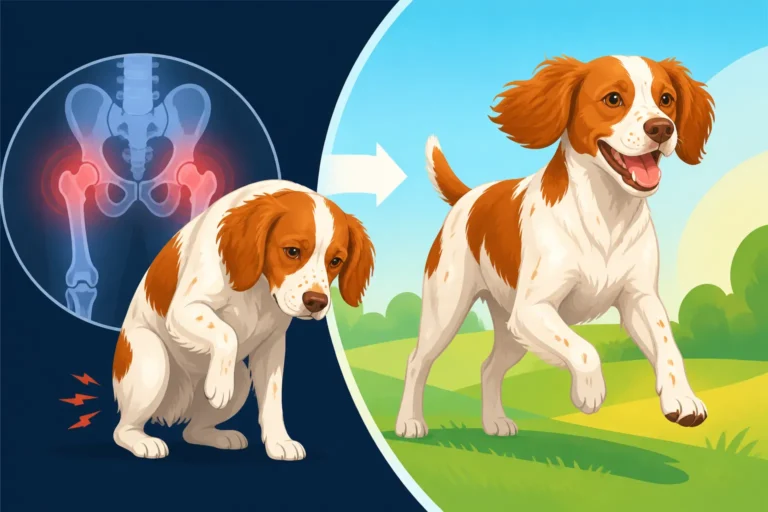
It’s heartbreaking to watch our once-boundless Brittanys start to slow down, their powerful muscles subtly diminishing as the years add up. Many of us notice a little less spring in their step, a bit more difficulty hopping into the truck, or perhaps a more prominent spine or hip bone that wasn't there before. This guide dives deep into understanding muscle loss in aging Brittanys, why it happens, how to spot it, and crucially, what we can do as devoted owners to help our senior companions maintain strength and comfort for as long as possible.
Understanding Muscle Loss in Aging Brittanys (Sarcopenia)
Just like in humans, dogs experience a natural decline in muscle mass and strength as they age. This condition has a specific name: sarcopenia. It's not just about a dog being less active; it's a physiological process where muscle tissue gradually wastes away. For a breed as athletic and driven as the Brittany, this can feel particularly devastating, both for them and for us watching them.
What is Sarcopenia? The Silent Thief of Strength
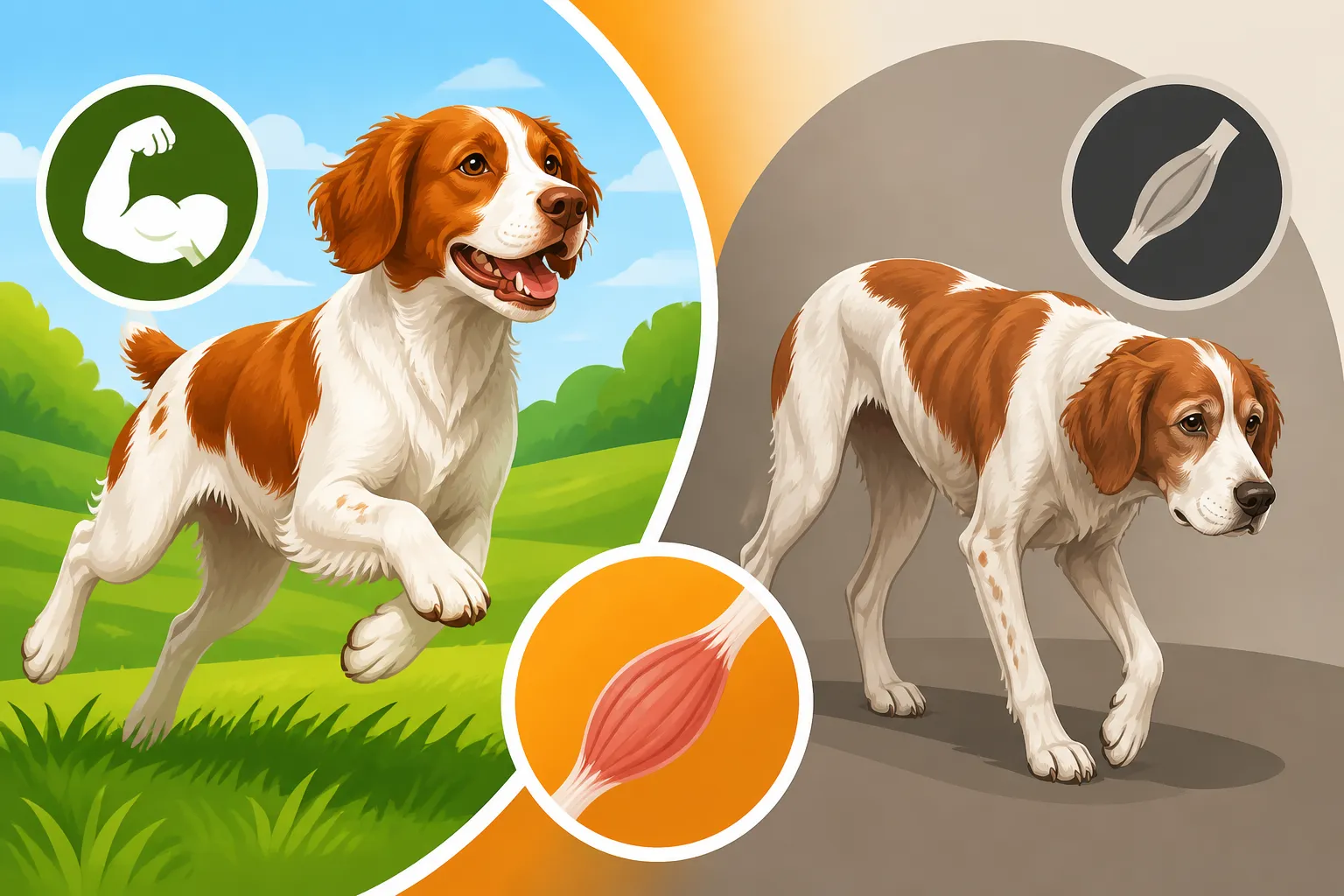
Sarcopenia is essentially age-related muscle atrophy. It’s different from muscle loss due to disuse, although disuse can certainly accelerate it. Sarcopenia involves a progressive and generalized loss of skeletal muscle mass and strength, leading to reduced physical performance and quality of life. Think about how a young Brittany, full of vim and vigor, can leap, turn on a dime, and hold a solid point for what feels like forever. Their muscles are taut, powerful, and responsive. As they age, the very fibers that make up those muscles begin to shrink and reduce in number. The body's ability to repair and rebuild muscle tissue also diminishes, and inflammatory processes can contribute to further breakdown. This isn't just a cosmetic issue; it impacts everything from balance and mobility to their ability to regulate body temperature and even their immune response. It’s a quiet change that can creep up on you, making your dog seem generally weaker or less coordinated over time.
Why it Hits Brittanys Hard: The Active Lifestyle Factor
Brittanys are built for action. They are typically lean, muscular dogs, designed for endurance and agility in the field. Their powerful hindquarters propel them through cover, their strong shoulders allow for quick turns and stops, and their overall athleticism is legendary. This high level of activity means they rely heavily on their muscle mass for their very identity and enjoyment of life. When sarcopenia begins to take hold, it can have a more pronounced impact on a Brittany compared to a less active breed. The loss of even a small percentage of muscle can significantly affect their ability to perform tasks they once did effortlessly, whether it's navigating stairs, jumping onto the couch, or, for the dedicated hunting dog, covering ground and holding a bird. It’s not just about losing the ability to hunt; it’s about losing the joy of movement that has defined their lives. For many of us, our Brittanys continue to want to be active even as their bodies start to fail them, which can be a real challenge to manage. It's a cruel irony that the very genes that make them such magnificent athletes also make the decline more noticeable when it happens.
Recognizing the Signs of Muscle Atrophy
Identifying muscle loss early is key to managing it effectively. Sometimes the changes are so gradual that you might not notice them until they’re quite advanced. As a seasoned Brittany owner, you’re often attuned to every twitch and shift in your dog's demeanor, but even then, these subtle signs can be tricky to pin down.
Subtle Changes in Movement and Stance
One of the first things you might notice isn't necessarily a visible loss of muscle, but a change in how your Brittany moves. That characteristic energetic gait might become a little flatter, less bouncy. You might observe a reluctance to perform certain movements, or they might seem to labor more than they used to. For instance, jumping into the car or onto a favorite chair might require more effort, or they might even avoid it altogether, looking to you for assistance. They might take shorter strides, or appear stiffer, especially after periods of rest.
Consider a once-effortless leap over a fallen log on a walk; now, they might choose to go around it or step over it with visible effort. Their balance might seem a little off, causing them to stumble occasionally on uneven terrain. Perhaps their once perfectly square stance now looks a bit more splayed, or they shift their weight more deliberately when standing still. These subtle shifts are often the earliest indicators that their muscles aren't quite supporting them the way they used to. It's worth paying close attention to your dog's natural posture and how they initiate movement, as these small changes can tell you a lot about their comfort and strength. As our Brittanys enter their golden years, it's wise to be vigilant for these indications, especially after they've passed The Age a Brittany Is Considered Senior.
Visible Physical Indicators of Muscle Loss
Beyond changes in movement, there are often visible signs of muscle atrophy. This is where you might start to see the physical evidence of sarcopenia. Run your hands over your Brittany, feeling their body condition. You might notice that the muscles over their hips, thighs, and shoulders feel less firm and robust than they once did. The once well-rounded contours of their hindquarters might appear flatter, or you might even be able to more easily feel their hip bones.
A common area to check is their head; as muscle wastes, the temporal muscles on the side of their head can recede, making their skull and the ridge above their eyes more prominent, giving a "pinched" or "drawn" look to their face. Along their spine, the muscles that once padded their vertebrae might diminish, making their backbone feel sharper to the touch. Their legs might appear thinner, particularly the hind legs, which are crucial for propulsion. It’s not always about weight loss, though that can also happen; it’s specifically about the loss of muscle mass. Their fur can sometimes hide these changes, so a thorough physical examination with your hands is crucial.
Behavioral Shifts and Reduced Enthusiasm
Muscle loss doesn't just impact physical form; it profoundly affects a Brittany's behavior and their willingness to engage in activities they once loved. A dog that once lived for the fetch game might now bring the ball back and drop it sooner, or lie down instead of standing ready for the next toss. Their enthusiasm for long walks might wane, or they might tire much more quickly. You might notice them choosing to nap more frequently throughout the day, or opting for softer, more easily accessible sleeping spots.
Perhaps they’re less eager to greet you at the door with their usual excited bounces, or they seem more subdued during playtime. While some of these changes are simply part of What Changes in a Brittany After Ten, a significant drop in activity level or enthusiasm for favorite pastimes could signal underlying muscle weakness or discomfort. They might also become less tolerant of rough-and-tumble play with other dogs or younger family members, perhaps opting to observe from a distance rather than join in. This isn't necessarily a sign of sadness, but rather their body telling them they can't quite keep up anymore. It's a common frustration for owners who recall their Brittany's endless energy in its prime.
Causes and Contributing Factors Beyond Just Age
While age is the primary driver of sarcopenia, it's rarely the sole factor. Several other elements can accelerate muscle loss or make it more pronounced in an aging Brittany. Understanding these contributors allows us to address them proactively, offering our dogs a better quality of life.
Nutritional Deficiencies and Inadequate Protein Intake
As Brittanys age, their metabolism changes, and so do their nutritional needs. They might not absorb nutrients as efficiently as they once did, and their appetite might decrease. A diet that was perfectly adequate for a young, active Brittany might not provide enough high-quality protein to counteract age-related muscle breakdown in a senior dog. Protein is the building block for muscle, and without sufficient intake, the body starts to catabolize its own muscle tissue for energy and repair.
It's not just about the quantity of food, but the quality. Senior dogs often benefit from diets specifically formulated for their needs, which typically contain higher levels of easily digestible protein and beneficial antioxidants. Some older dogs might also struggle with dental issues, making it harder to chew certain kibbles, which can lead to reduced food intake. Even if they're eating the same amount, if the protein quality isn't there, or if they're not absorbing it properly, muscle mass will suffer. Consulting with your veterinarian about an appropriate diet is crucial to ensure your aging Brittany is getting the right fuel.
Underlying Health Conditions That Mask or Accelerate Muscle Loss
Muscle loss can also be a symptom or a consequence of various underlying health issues, making it even more important to get a veterinary check-up. Conditions like osteoarthritis, which is common in older dogs, can lead to pain and reduced mobility. When a joint hurts, the dog naturally compensates by putting less weight on that limb, causing the surrounding muscles to weaken and atrophy from disuse. You might notice your Brittany struggling with The Age a Brittany Gets Arthritis and how it impacts their movement.
Other conditions, such as hypothyroidism, can slow metabolism and lead to muscle weakness, even if the dog isn't visibly in pain. Neurological conditions can impair nerve signals to muscles, resulting in weakness and wasting. Even chronic kidney disease can lead to muscle loss due to protein wasting and decreased appetite. This is why a thorough veterinary examination is so important when you notice significant muscle loss. Your vet can rule out or diagnose these underlying issues, and if medical treatment or physical therapy is needed, having pet insurance like Healthy Paws can be a real lifeline. They can help cover the costs of diagnostics, medications, or specialized treatments that aim to improve your Brittany's comfort and mobility. Don't overlook the possibility of conditions like What Spinal Muscular Atrophy Does to a Brittany or Signs a Brittany's Thyroid Is Low, as these can also contribute to muscle atrophy.
Lack of Appropriate Exercise: A Vicious Cycle
It sounds counterintuitive to talk about lack of exercise contributing to muscle loss in a senior dog, especially one that might be experiencing pain or weakness. However, it's a bit of a vicious cycle. An aging Brittany might move less due to discomfort or general slowing down, but this reduced activity then leads to further muscle loss from disuse, which in turn leads to more weakness and reluctance to move. It's like a downward spiral where the less they do, the less they can do.
It’s about finding the right type and amount of exercise. High-impact activities or long, strenuous hunts that were once second nature might now be too much, but complete inactivity is also detrimental. The challenge is to keep them moving in a way that is gentle, stimulating, and supportive of their remaining muscle mass without causing further injury or pain. Striking this balance is crucial, and it often requires adjusting your routine and expectations for your beloved companion.
Strategies to Mitigate Muscle Loss and Support Senior Brittanys
While we can't stop the aging process, we absolutely can take proactive steps to mitigate muscle loss and enhance our senior Brittanys' quality of life. It’s about being observant, adapting their routine, and working closely with your veterinarian.
Tailored Exercise Regimens for Gentle Strength Building
The key to supporting an aging Brittany's muscles is consistent, low-impact exercise. Forget the marathon retrieves or all-day hunts of their youth; instead, focus on activities that maintain mobility and gently build strength without stressing their joints. Short, frequent walks on soft surfaces like grass or dirt trails are ideal. Aim for several 15-20 minute sessions rather than one long one, allowing them to rest and recover between outings.
Swimming is another fantastic option, as it's non-weight-bearing and provides excellent resistance for muscle development. If access to a safe swimming area isn't feasible, consider hydrotherapy, where a trained professional guides your dog in a water treadmill. Simple range-of-motion exercises, passive stretches, or controlled leash walks up a gentle incline can also help maintain muscle tone. Even simple games that encourage movement, like hide-and-seek with treats, can be beneficial. The goal is to keep them active and engaged, making sure to avoid overexertion. It’s about keeping them feeling like a Brittany, even if they can no longer chase birds for hours. Remember, even Whether an Aging Brittany Still Wants to Hunt depends on their physical capacity, which we can influence.
Dietary Adjustments and Targeted Supplements
Proper nutrition becomes even more critical for senior Brittanys. Focus on a diet rich in high-quality, easily digestible protein to help maintain muscle mass. Look for foods specifically formulated for senior dogs, or discuss with your vet whether a higher protein diet is appropriate. Many senior diets also include beneficial omega-3 fatty acids, which have anti-inflammatory properties that can help with joint pain, and antioxidants to combat cellular aging.
Beyond a balanced diet, certain supplements can be highly beneficial. Glucosamine and chondroitin are popular choices for joint support, which can reduce pain and encourage more movement, indirectly supporting muscle. Creatine can sometimes be recommended by a vet to support muscle energy and growth. Fish oil, rich in EPA and DHA, is excellent for overall health, including joint and cognitive function. Medium-chain triglycerides (MCTs) can also provide an alternative energy source for the brain, which can sometimes slow cognitive decline that impacts activity levels. Always discuss any dietary changes or supplements with your veterinarian before introducing them, as they can recommend the best course of action based on your individual Brittany’s health needs. It’s about providing the right building blocks and support for their aging bodies.
Regular Veterinary Care and Supportive Therapies
Regular veterinary check-ups are paramount for aging Brittanys, especially when muscle loss is a concern. Your vet can monitor their overall health, conduct blood tests to rule out underlying conditions like What Hypothyroidism Does to a Brittany, and assess their body condition score. Early detection of issues like arthritis or other systemic diseases means earlier intervention, which can prevent further muscle wasting. Be sure to schedule How Often a Brittany Needs a Wellness Exam annually, or more frequently if concerns arise.
Beyond routine care, various supportive therapies can make a significant difference. Physical therapy and rehabilitation, often involving specific exercises, massage, and therapeutic modalities like laser therapy or acupuncture, can improve mobility, reduce pain, and rebuild strength. Your vet might also prescribe pain management medications to keep your Brittany comfortable, allowing them to move more freely without discomfort, which then encourages muscle use. If your Brittany is struggling with chronic pain or mobility issues, pet insurance providers like Healthy Paws can often help cover a portion of the costs for these ongoing treatments and therapies, making specialized care more accessible. This comprehensive approach, combining dietary changes, tailored exercise, and professional medical support, gives your senior Brittany the best chance to combat muscle loss and enjoy their later years with dignity and comfort.
| Sign | Normal Aging | Concerning Muscle Loss (Sarcopenia) | Action |
|---|---|---|---|
| Activity Level | Slightly slower, longer naps, still keen on walks | Significant reluctance to move, less interest in play, tires quickly | Vet check, adjusted exercise, diet review |
| Mobility | Takes longer to get up, occasional stiffness | Difficulty with stairs/jumps, stumbling, changes in gait | Vet for pain assessment, physical therapy consult |
| Body Shape | May gain or lose overall weight, still muscular | Visible thinning over hips, spine, head; reduced muscle bulk | Vet, high-quality protein diet, targeted supplements |
| Appetite | Consistent or slight decrease | Noticeable decrease, picky eating, weight loss | Vet for underlying causes, palatable diet options |
| Enthusiasm | Still engaged, just slower | Withdrawn, less interactive, seems uncomfortable | Vet for pain, environmental enrichment |
This article is for general informational purposes only and does not constitute professional advice. Laws, prices and regulations vary by location and change over time. Consult a qualified professional for guidance on your specific situation.