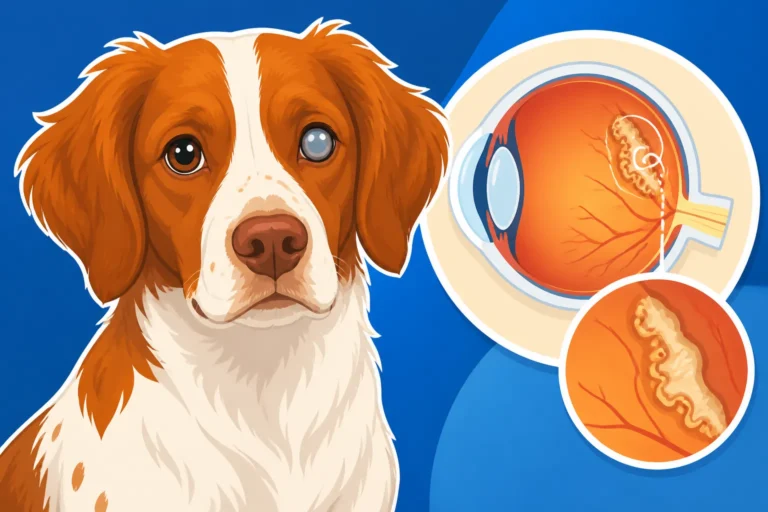
Whether a DNA Test for Brittany C3 Deficiency Exists
Discovering your beloved Brittany might carry a genetic predisposition to illness, or worse, be affected by it, is a worry no dog owner wants to face. For Brittany owners, one such concern is C3 deficiency, a serious immune system disorder that can leave our active, vibrant companions vulnerable. The good news is, advancements in canine health have brought clarity to this condition, and this guide will walk you through the existence and importance of a DNA test for Brittany C3 deficiency, offering peace of mind and guiding responsible choices.
Understanding C3 Deficiency in Brittanys
C3 deficiency isn't just a complicated medical term; it's a very real threat to a Brittany's quality of life, stemming from a fundamental flaw in their immune system. This condition affects their ability to mount a proper defense against common invaders, turning what might be a minor sniffle for another dog into a life-threatening ordeal for an affected Brittany. It’s a crucial area for owners to understand, especially given our breed's active, outdoor lifestyle, which inherently exposes them to various pathogens.
What C3 Deficiency Does to a Brittany
Imagine your dog's immune system as a sophisticated army, with different units specialized for various threats. C3, or complement component 3, is a critical soldier in this army, a central protein in the complement system, which is a vital part of the innate immune response. When a Brittany is C3 deficient, it's like a key unit of this army is missing or severely understaffed. This leaves them poorly equipped to identify and eliminate bacteria, viruses, and fungi that might otherwise be easily dispatched. The lack of functional C3 means that affected dogs have a significantly impaired ability to clear pathogens from their blood and tissues, making them highly susceptible to recurrent bacterial infections, particularly those that can become systemic and severe.
For instance, a minor cut or scrape sustained during a vigorous hunt in the fields might, for a healthy Brittany, heal with minimal fuss. But for a C3 deficient Brittany, that same small wound could rapidly escalate into a serious infection, leading to sepsis if not caught and treated aggressively. We're talking about simple things like urinary tract infections that become chronic, skin infections that never quite clear up, or even respiratory infections that turn into pneumonia. These dogs are essentially living with a compromised shield, constantly battling against what their bodies should naturally handle with ease. This continuous struggle not only diminishes their overall health and vitality but also leads to chronic discomfort and drastically impacts their potential lifespan. It's truly heartbreaking to see a dog, naturally bred for such an active life, held back by an invisible foe. If you want to delve deeper into the specifics, you can learn more about What C3 Deficiency Does to a Brittany.
How C3 Deficiency Is Inherited in Brittanys
The inheritance pattern of C3 deficiency in Brittanys is what we call autosomal recessive. This means two things: first, the gene responsible for C3 production is located on a non-sex chromosome (autosomal), and second, an individual must inherit two copies of the defective gene – one from each parent – to actually express the disease (recessive). So, a Brittany can fall into one of three categories based on its genetic makeup concerning C3:
- Clear: This dog has two normal copies of the gene and will neither develop C3 deficiency nor pass the defective gene to its offspring.
- Carrier: This dog has one normal copy and one defective copy of the gene. A carrier is typically healthy and does not show symptoms of C3 deficiency because the single normal gene produces enough C3 protein to maintain proper immune function. However, they can pass the defective gene to their offspring.
- Affected: This dog has two defective copies of the gene, one from each parent. An affected Brittany will develop C3 deficiency and experience the health problems described earlier.
Understanding these categories is paramount for responsible breeding. If you breed a clear dog with another clear dog, all puppies will be clear. If you breed a clear dog with a carrier, about half the litter will be clear, and half will be carriers, but none will be affected. The real concern arises when two carriers are bred together. In this scenario, statistically, 25% of the puppies will be clear, 50% will be carriers, and a devastating 25% will be affected by C3 deficiency. This is why testing is so vital; it allows breeders to make informed decisions that prevent the birth of affected puppies. For a more detailed breakdown of the genetics, explore How C3 Deficiency Is Inherited in Brittanys. It’s not just about preventing heartache; it's about safeguarding the future health of the entire breed.
The Quest for a Definitive DNA Test
The journey to definitively identify and test for C3 deficiency in Brittanys was not an overnight endeavor. It involved years of dedicated research, clinical observation, and a deep commitment from veterinary scientists and breed enthusiasts alike. For a long time, the underlying cause of the recurring, severe infections in some Brittanys was a mystery, leading to frustration and tragic outcomes for affected puppies and their families.
Early Research and Discovery of C3 Deficiency
Back in the day, before we had the amazing genetic tools we do now, veterinarians and concerned breeders noticed a recurring, devastating pattern in certain Brittany puppies. These pups would often present with chronic, severe infections that defied conventional treatment, leading to early mortality or a life plagued by illness. It was heartbreaking to watch these lively, intelligent puppies struggle so profoundly, and it was clear something fundamentally wrong was happening at an immune level. Researchers, particularly those at institutions like Michigan State University and the University of Pennsylvania, began to meticulously investigate these cases. They observed that these affected dogs had very low levels of complement component 3 in their blood, which led them down the path of understanding the critical role of this protein.
The initial discovery phase involved a lot of painstaking work: analyzing blood samples, conducting immune assays, and comparing the health profiles of affected dogs with healthy ones. It was a classic "needle in a haystack" scenario, trying to pinpoint the exact biological mechanism behind their immune vulnerability. This foundational research was critical in establishing C3 deficiency as a distinct, inherited condition specific to the Brittany breed. Without these early pioneers meticulously documenting clinical signs and working backward to the underlying biochemical defect, we wouldn't be where we are today. Their dedication laid the groundwork for identifying the genetic mutation itself. It's a testament to how scientific curiosity, coupled with a genuine love for animals, can unlock profound insights into breed-specific health challenges.
The Development of the Specific DNA Test
Thanks to those early research efforts, the stage was set for a genetic breakthrough. Once C3 deficiency was identified as an inherited condition, the next logical, albeit challenging, step was to find the specific genetic mutation responsible. This is where the power of modern molecular biology comes into play. In the early 2000s, researchers successfully identified the precise mutation within the C3 gene that causes the deficiency in Brittanys. This was a monumental achievement, as it meant they could develop a direct test that looks for this specific genetic alteration, rather than relying solely on blood protein levels or clinical symptoms.
The DNA test for Brittany C3 deficiency, once developed, became widely available through reputable veterinary genetic testing laboratories. Labs such as Paw Print Genetics and those affiliated with the Orthopedic Foundation for Animals (OFA) began offering this crucial diagnostic tool. The test itself is remarkably simple and non-invasive, usually requiring just a buccal swab (a swab of the inside of the cheek) or a small blood sample. These samples contain the dog's DNA, which is then analyzed in the lab for the presence of the specific C3 mutation. The test identifies whether the dog is clear (two normal copies), a carrier (one normal, one mutated copy), or affected (two mutated copies). The accuracy is incredibly high, providing definitive results that empower breeders and owners with actionable information. This test truly transformed the landscape of Brittany health, giving us a powerful weapon against a previously elusive disease. It’s an indispensable tool for responsible breeders aiming to produce healthy puppies, and for current owners looking to understand their dog's genetic health.
Implications of Testing for C3 Deficiency
Having a reliable DNA test for C3 deficiency has profound implications, stretching from individual puppy health to the long-term vitality of the entire Brittany breed. It moves us beyond reactive treatment to proactive prevention, a far more desirable position for any serious health concern. This shift empowers everyone involved – breeders, veterinarians, and owners – to make informed decisions that genuinely improve the lives of these wonderful dogs.
Screening for C3 Deficiency in Breeding Programs
For any responsible Brittany breeder, C3 deficiency screening is not just a recommendation; it's an ethical imperative. The availability of a precise DNA test means there's no longer any excuse for unknowingly breeding affected puppies. Every breeding dog, male or female, should be tested before any mating occurs. This critical step allows breeders to understand the genetic status of their breeding stock (clear, carrier, or affected) and plan pairings accordingly. The golden rule, which all reputable breeders adhere to, is to never breed two carriers together. This practice completely eliminates the risk of producing C3 deficient offspring.
For example, a breeder might have a fantastic male dog with excellent conformation, temperament, and hunting ability. However, if that dog tests as a C3 carrier, it doesn't mean he can't be bred. It simply means he must only be bred to a female who has tested as "clear" for C3 deficiency. In such a pairing, all offspring will be either clear or carriers, but importantly, none will be affected. This strategic breeding allows breeders to retain valuable genetics in their lines while systematically reducing the prevalence of the C3 deficiency gene over generations. It’s about being a steward of the breed, not just a producer of puppies. This commitment to health screening is one of the hallmarks of a good breeder, and it's something you should always ask about. For more insights into what tests are typically performed, you can refer to Whether a Brittany Breeder Screens for C3.
Testing a Brittany Puppy or Adult Dog
While pre-breeding screening is crucial, individual owners might also consider testing their Brittany puppy or adult dog for C3 deficiency. This is especially relevant if you've adopted a Brittany from a rescue, or if you're experiencing unexplained recurrent infections in your dog and the original breeder's health testing records are unavailable or incomplete. Getting your dog tested provides clarity and helps your veterinarian formulate a more precise diagnostic and treatment plan if health issues arise.
If you bring home a new Brittany puppy, and you have any concerns about its immune health or genetic background, a simple DNA test can confirm its C3 status. This knowledge can be incredibly empowering. For instance, knowing your dog is a carrier might prompt you to inform future breeders if you ever plan to use your dog for breeding purposes (though typically carriers should not be extensively bred without careful planning). If, tragically, your dog tests as affected, this early knowledge is vital. It allows you and your vet to be proactive, to put measures in place to support their immune system, and to react quickly and appropriately to any infection. It can be a tough pill to swallow, but early detection and informed management can significantly improve the dog's quality of life and potentially extend its lifespan, even if it means extra vigilance. This is where having comprehensive pet insurance, such as a plan from Healthy Paws, can be invaluable, as it can help manage the ongoing costs associated with managing a chronic condition, allowing you to focus on your dog's well-being without constant financial stress.
What a Positive C3 Deficiency Test Means for a Brittany
Receiving a positive C3 deficiency test result, meaning your Brittany is affected, is undoubtedly devastating news. It signals a life of heightened vulnerability to infections, but it is not necessarily a death sentence, especially with diligent care. The primary implication is that your dog's immune system is inherently compromised, making them susceptible to a range of bacterial infections that a healthy dog would easily fight off. These can include skin infections, upper respiratory infections, ear infections, and urinary tract infections, often becoming chronic or recurring.
Management becomes focused on preventative care and aggressive treatment of any emerging infections. This often involves close collaboration with your veterinarian. Prophylactic antibiotics might be considered in some cases, though this carries risks of antibiotic resistance. Strict hygiene, a clean living environment, and careful monitoring for any signs of illness become paramount. You might need to limit exposure to crowded dog parks or other environments where pathogens are prevalent. Early intervention at the first sign of illness is critical; what looks like a minor cough or scrape can quickly become severe. While there is no cure for the genetic deficiency itself, supportive care can help affected Brittanys live more comfortable lives. Understanding Which Infections a C3 Deficient Brittany Gets can help you recognize symptoms early and seek veterinary attention promptly. The emotional toll on owners is immense, but the love and care you provide can make a world of difference for these special dogs.
| C3 Status | Genetic Makeup | Clinical Symptoms | Breeding Implications | Management for Owners |
|---|---|---|---|---|
| Clear | Two normal gene copies | None | Can be bred to any other clear or carrier without producing affected offspring. | No special management needed regarding C3. |
| Carrier | One normal, one mutated copy | None (typically healthy) | Should only be bred to a clear dog to avoid producing affected offspring. 50% chance of passing carrier status. | Generally no special management needed, but awareness is key for breeding decisions. |
| Affected | Two mutated gene copies | Severe, recurrent bacterial infections | Should never be bred. | Strict preventative care, vigilant monitoring, prompt and aggressive veterinary treatment for infections. |
Responsible Breeding and the Future of the Brittany
The existence and widespread adoption of the C3 deficiency DNA test represent a huge leap forward for the Brittany breed. It places the power to dramatically improve the breed's health directly into the hands of responsible breeders. This isn't just about preventing one disease; it sets a precedent for how we can collectively approach and mitigate other genetic health challenges.
Eliminating C3 Deficiency from the Breed
The ultimate goal for any responsible breed community is to eliminate debilitating genetic diseases entirely, and C3 deficiency is a prime candidate for this. With a reliable DNA test, breeders have the tools to make informed decisions that steer the breed away from this condition. By consistently testing all breeding stock and meticulously planning pairings to avoid breeding two carriers together, the incidence of affected puppies can plummet. Over successive generations, as carriers are selectively bred only to clear dogs, the frequency of the C3 defective gene within the population can be significantly reduced. It's a long-term project, but entirely achievable.
Imagine a future where C3 deficiency is so rare that it's practically non-existent in the Brittany population. This isn't a fantasy; it's a realistic goal if breeders remain diligent and committed to health testing. It requires a collaborative effort, transparency in sharing test results, and a steadfast dedication to the health and welfare of the breed above all else. This proactive approach ensures that future generations of Brittanys can enjoy the full, robust health they deserve, free from the shadow of this immune system disorder. Questions like Whether C3 Deficiency Has Been Bred Out of Brittanys will eventually be answered with a resounding "yes" thanks to these efforts.
The Role of Breed Clubs and Databases
Breed clubs play an absolutely critical role in promoting responsible breeding practices and safeguarding the health of their chosen breed. For the Brittany, organizations like the American Brittany Club (ABC) have been instrumental in advocating for health testing, including for C3 deficiency. They often provide resources, educational materials, and even incentives for breeders to participate in health screening programs. By setting clear guidelines and promoting transparency, these clubs help standardize expectations within the breeding community.
Furthermore, health databases, such as those maintained by the Orthopedic Foundation for Animals (OFA), are vital repositories of genetic health information. Breeders can submit their C3 test results (along with other health clearances like hip, elbow, and eye certifications) to the OFA, creating a publicly accessible record. This transparency allows prospective puppy buyers to verify the health testing of a litter's parents, adding an extra layer of confidence. It also helps researchers and breed clubs track the prevalence of certain conditions and assess the effectiveness of breeding strategies aimed at reducing genetic disease. This communal sharing of data is a cornerstone of improving breed health. Knowing What a Brittany Spaniel Breeder Should Have Tested is essential for making an informed choice when looking for a puppy. It's a beautiful example of how a passionate community can work together for the greater good of their beloved breed.
Life with a C3 Deficient Brittany
While the focus on DNA testing is largely about prevention, it's also important to acknowledge and support those owners who are living with a Brittany already diagnosed with C3 deficiency. This journey presents unique challenges, both practically and emotionally, and requires an extra layer of dedication and care to ensure these special dogs can thrive as much as possible.
Daily Care and Management Strategies
Living with a C3 deficient Brittany means embracing a proactive and vigilant approach to their daily care. The goal is to minimize their exposure to pathogens while rapidly addressing any infections that do arise. This starts with maintaining an impeccably clean environment. Regular cleaning of bedding, toys, and living spaces helps reduce bacterial load. It's also wise to limit exposure to high-risk areas, such as dog parks, boarding kennels, or dense wild cover where they might pick up wounds or parasites. Think carefully about where your dog spends its time and the potential for infection.
Diet plays a role too; a high-quality, balanced diet rich in essential nutrients can support overall health, though it won't correct the C3 deficiency itself. Regular veterinary check-ups are paramount, and your vet might recommend specific prophylactic measures, such as avoiding certain vaccines (due to immune response issues, though core vaccines are still essential) or having a ready supply of appropriate antibiotics at home for immediate use at the first sign of trouble. Any cut, scrape, or slight cough needs to be taken seriously and addressed promptly. It can feel like walking on eggshells sometimes, but this level of attentiveness is critical to their well-being. Keeping a close eye on Signs a Brittany Puppy Has an Immune Problem can also help catch issues early. It's a continuous commitment, but the love and companionship these dogs offer make it worth every effort.
Emotional and Financial Considerations
Caring for a C3 deficient Brittany can bring significant emotional and financial burdens. Emotionally, it's incredibly tough to see your active, spirited Brittany frequently battling infections. There's the constant worry, the stress of unexpected vet visits, and the heartache of knowing your dog faces an uphill battle that healthy dogs don't. Owners often feel a profound sense of responsibility and can experience burnout from the relentless vigilance required. It's okay to acknowledge these feelings; they are a natural response to the situation. Finding support groups or connecting with other owners of dogs with chronic conditions can provide much-needed camaraderie and advice.
Financially, the costs can quickly add up. Frequent veterinary consultations, courses of specialized antibiotics, diagnostics for recurring infections, and potentially emergency care can create a substantial strain on the household budget. This is precisely where having robust pet insurance becomes more than just a convenience – it can be a lifesaver. Companies like Healthy Paws offer comprehensive coverage that can help mitigate the financial impact of managing a chronic condition. For instance, if your Brittany develops a severe ear infection that requires multiple vet visits, diagnostic tests, and expensive medication, a good insurance plan can cover a significant portion of those costs, allowing you to prioritize your dog's health without the added stress of crushing vet bills. While it doesn't cure the disease, it certainly eases the journey, letting you focus on providing comfort and care rather than worrying about the next bill. It can truly allow an affected dog to live a longer, more comfortable life, potentially reaching Whether a C3 Deficient Brittany Reaches Adulthood.
Disclaimer
Please remember that this article is intended for informational purposes only and should not be taken as professional veterinary advice. Always consult with a qualified veterinarian for any health concerns or before making any decisions about your Brittany's medical care, breeding, or treatment. Genetic testing and health management are complex, and personalized professional guidance is essential.