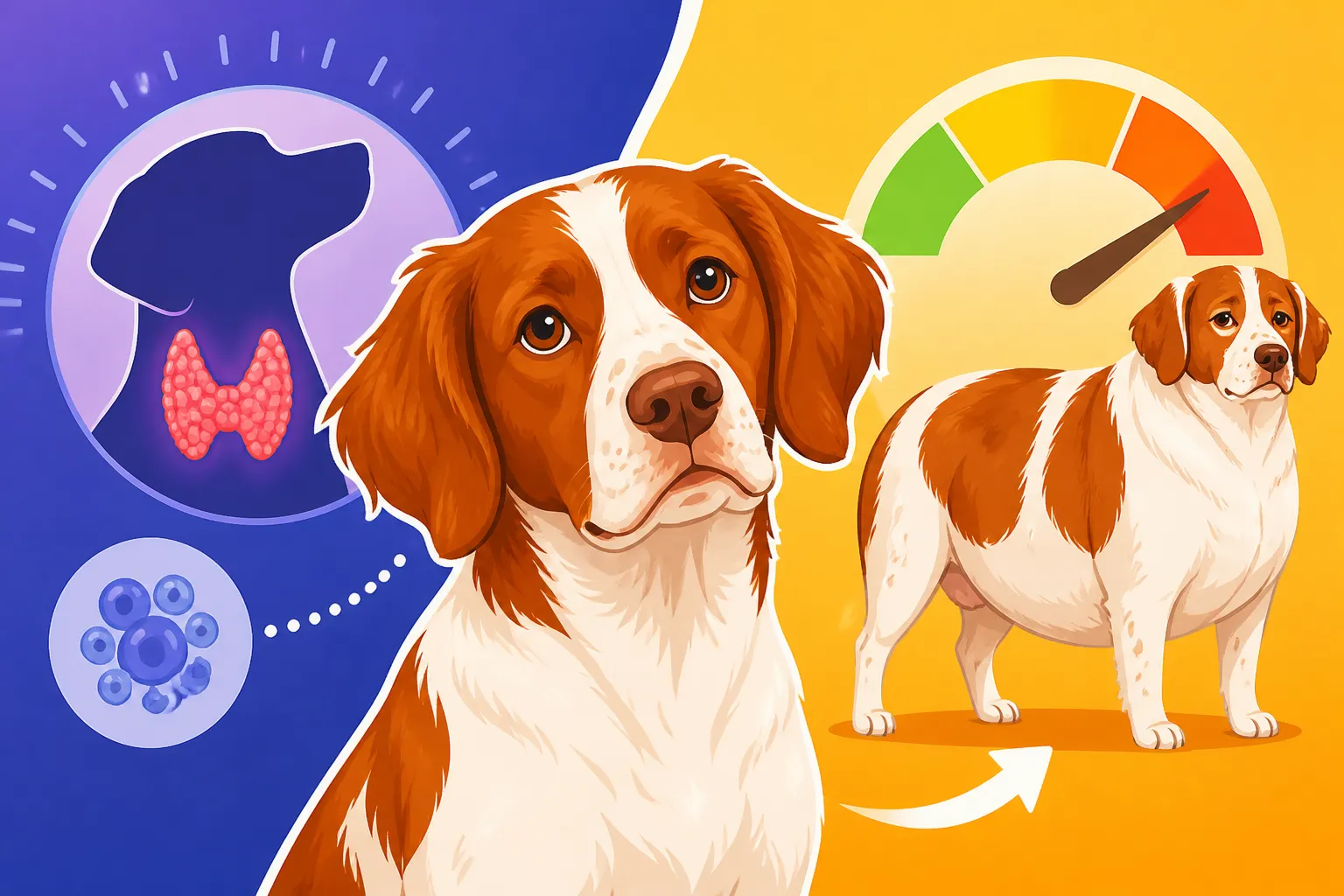
Whether a Brittany Gets Hypothyroid Weight Gain
It’s a scenario many Brittany owners know all too well: your once energetic, lean companion starts to slow down, gain weight despite no real change in diet or exercise, and their beautiful coat might even look a bit ragged. You scratch your head, wondering if it’s just age, or perhaps you're doing something wrong. This guide aims to shed light on a common, yet often misunderstood, culprit for these changes: hypothyroidism, and how it directly leads to frustrating weight gain in our beloved Brittanys.
Unpacking Hypothyroidism: What It Means for Your Brittany's Body
When we talk about a dog's health, we often focus on their visible symptoms. But sometimes, the real story is happening on a microscopic level, deep within their system. Hypothyroidism is a prime example of this, affecting a vital part of your Brittany's internal machinery without obvious signs until the condition has progressed.
The Thyroid Gland's Role in Canine Metabolism
Tucked away in your Brittany's neck, near their windpipe, are two small but mighty glands known as the thyroid. These aren't just decorative bits of tissue; they're the master regulators of your dog's metabolism. Think of them as the tiny command center for how quickly or slowly every cell in your Brittany's body functions. The thyroid produces crucial hormones, primarily thyroxine (T4) and triiodothyronine (T3), which circulate throughout the bloodstream. These hormones are responsible for an incredible array of bodily processes.
From controlling heart rate and body temperature to influencing digestion, muscle strength, and even brain function, thyroid hormones are perpetually at work. They dictate the rate at which your Brittany converts food into energy, how fast their cells grow and repair, and even the health and texture of their coat. When the thyroid gland isn't producing enough of these essential hormones – a state known as hypothyroidism – it's like putting a brake on the entire system. Every bodily function slows down, leading to a cascade of symptoms that can easily be mistaken for other issues or just "getting old." It’s a systemic issue that impacts far more than just your dog's waistline.
Primary Hypothyroidism and Why It's Common in Brittanys
While there are a few rare causes, the vast majority of hypothyroidism cases in dogs (around 95%) are what we call "primary hypothyroidism." This means the problem lies directly with the thyroid gland itself. The most common cause of primary hypothyroidism in dogs is autoimmune thyroiditis. In simple terms, your dog's own immune system, which is supposed to protect them from invaders, mistakenly identifies the thyroid gland as a foreign threat and launches an attack. Over time, this sustained assault destroys the thyroid tissue, rendering it unable to produce sufficient hormones.
This autoimmune form of the disease is often genetically predisposed, meaning it runs in certain families and breeds. And yes, our spirited Brittanys are unfortunately among those breeds that have a higher prevalence of hypothyroidism. While not as frequently discussed as some other breed-specific conditions, it's something responsible Brittany owners and breeders are keenly aware of. This genetic link doesn't mean every Brittany will get it, but it does mean they carry a higher risk compared to some other breeds. Understanding this predisposition is key to early detection and management, helping you stay ahead of potential health challenges for your loyal companion.
Recognizing the Red Flags: Beyond Just Weight Gain
It's easy to dismiss a little extra padding on your Brittany as a sign of too many treats or not enough runs. After all, life gets busy, and maybe their exercise routine hasn't been quite as rigorous lately. But when the weight gain is stubborn, accompanied by other subtle shifts, it's time to consider a deeper cause like hypothyroidism. It's truly a frustration when you're trying your best, and nothing seems to work.
The Stubborn Scale: Why Hypothyroidism Leads to Weight Gain
This is often the symptom that prompts owners to seek veterinary advice, and rightly so, as it directly addresses our core question: yes, a Brittany absolutely can get hypothyroid weight gain. The mechanism is straightforward: with insufficient thyroid hormones, your Brittany's metabolic rate drops. Their body simply isn't burning calories as efficiently as it once did. Even if your dog is eating the same amount of food, or even slightly less, and their activity levels haven't plummeted dramatically, their body is in a state of energy conservation.
Think of it like an economy car suddenly turning into a gas-guzzling SUV without changing the amount of fuel you put in. The calories that once fueled their boundless energy now linger, accumulating as fat. This isn't just about a few extra pounds; it can manifest as a noticeable thickening around the neck, an expanding waistline, or a general "puffy" appearance. It's incredibly frustrating for owners who are diligently trying to manage their dog's weight through diet and exercise, only to see the numbers on the scale continue to creep up. If you're wondering What an Adult Brittany Should Weigh, and your dog is consistently exceeding that, especially with other symptoms, hypothyroidism should be on your radar. Sometimes, recognizing the Signs a Brittany Is Overweight isn't enough; you need to understand the underlying cause.
Beyond the Pounds: Other Sneaky Symptoms to Watch For
While weight gain is a significant indicator, it's rarely the only one. Hypothyroidism impacts the entire body, leading to a constellation of symptoms, many of which are easy to overlook or attribute to normal aging.
- Lethargy and Reduced Activity: This is perhaps the most common non-weight related sign. Your Brittany, typically a whirlwind of energy, might become noticeably slower, less enthusiastic about walks or playtime, and spend more time sleeping. They might not be as eager to charge through the fields, a clear change for a breed known for its drive.
- Coat and Skin Changes: This can be one of the most visible, yet often misdiagnosed, symptoms. Look for a dull, dry, or brittle coat that seems to shed excessively but regrows slowly, if at all. You might notice thinning hair, particularly on the flanks, chest, and tail ("rat tail"). Some dogs develop recurrent skin infections, dry flaky skin, or even a thickened, darker pigmentation (hyperpigmentation), especially in areas of friction.
- Temperature Sensitivity: Because thyroid hormones help regulate body temperature, hypothyroid dogs often feel the cold more. They might seek out warm spots in the house, shiver more readily, or seem uncomfortable in cooler weather. Conversely, they might also struggle to regulate their temperature, making them less tolerant to heat.
These Signs a Brittany's Thyroid Is Low are crucial pieces of the puzzle. If you're tracking your Brittany's health, these changes can be significant. Insurance providers like Healthy Paws can often help with the diagnostic process and ongoing treatment costs for conditions like these, making it easier for owners to pursue necessary care.
Behavioral Shifts and Other Less Obvious Signs
Sometimes, the changes are even more subtle, affecting your Brittany's demeanor and overall well-being in ways that are hard to pinpoint without looking at the bigger picture.
- Subtle Personality Changes: While not always pronounced, some hypothyroid dogs might become slightly duller, less responsive, or even a bit irritable. Their usual sparkle might dim, and they may seem less engaged with their surroundings or family. This isn't aggression, but rather a general 'slowing' of their mental processes.
- Reproductive Issues: For intact dogs, hypothyroidism can lead to fertility problems. Females might have irregular heat cycles, be unable to conceive, or experience stillbirths. Males can show decreased libido or semen quality. These issues are less commonly seen in household pets but are a significant concern for breeders.
- Slowing Down Earlier Than Expected: Brittanys are known for their athleticism and zest for life. If your Brittany seems to be "aging" prematurely, showing reduced stamina or a general lack of vigor well before their senior years truly begin, it could be a sign that something is amiss internally. This premature slowing can be one of the more heartbreaking signs for active owners.
It's important to understand What Hypothyroidism Does to a Brittany beyond just the physical. These subtle shifts often accumulate, making your once vibrant dog seem tired and unenthusiastic.
From Suspicion to Solution: Diagnosing and Treating Hypothyroidism
If you've noticed a combination of these signs in your Brittany, don't just dismiss them. Taking action to get a proper diagnosis is the first and most critical step towards getting your beloved dog back to their happy, healthy self.
The Diagnostic Journey: Blood Tests and What They Tell Us
Diagnosing hypothyroidism requires a visit to your veterinarian for a thorough physical examination and, most importantly, a series of blood tests. It's not usually a snap diagnosis based on symptoms alone, as many of these signs can mimic other health issues. Your vet will typically recommend a full thyroid panel, which measures several key markers:
- Total T4 (TT4): This measures the total amount of thyroxine in the blood. A low TT4 is a common indicator, but it can also be influenced by other illnesses (euthyroid sick syndrome) or certain medications.
- Free T4 (fT4): This measures the unbound, biologically active form of T4. It's generally a more accurate reflection of thyroid function and is less affected by non-thyroidal illnesses.
- Canine TSH (cTSH): This measures the thyroid-stimulating hormone produced by the pituitary gland. In primary hypothyroidism, the pituitary tries to stimulate a failing thyroid, so TSH levels are often elevated.
Sometimes, your vet might also check for thyroid autoantibodies (TgAA), which can confirm the autoimmune basis of the disease. Interpreting these results correctly is key. A single low T4 isn't always enough for a diagnosis, especially if your dog has other health problems. Your vet will combine the blood test results with your Brittany's clinical signs and breed predisposition to make an informed diagnosis. If you're wondering When a Brittany's Thyroid Should Be Tested, a good rule of thumb is if you observe any of the persistent symptoms discussed, or as part of a routine senior check-up. Ideally, What a Brittany's Yearly Bloodwork Should Cover often includes these basic thyroid screenings, especially as they age.
Lifelong Management: Thyroid Hormone Replacement Therapy
The good news is that canine hypothyroidism is highly manageable once diagnosed. The standard and incredibly effective treatment is lifelong thyroid hormone replacement therapy, usually in the form of a synthetic thyroxine medication called levothyroxine (often referred to by brand names like Soloxine or Thyro-Tabs).
This medication simply replaces the hormones your Brittany's thyroid gland isn't producing. It's typically given once or twice a day, and consistency is crucial for success. Your vet will start with a specific dose, and then, after a few weeks, your Brittany will need follow-up blood tests to ensure the medication levels are optimal. This process of dosage adjustment might take a couple of rounds until the right balance is found. It's not a "cure" in the sense that the thyroid gland will magically start working again, but it effectively manages the condition, allowing your Brittany to live a completely normal and healthy life. For long-term conditions like this, having pet insurance can be a huge help. Many policies from providers like Healthy Paws cover chronic conditions and the ongoing medication costs associated with them, easing the financial burden for dedicated owners.
Here's a quick look at typical diagnostic and initial treatment considerations:
| Item | Description | Estimated Cost (Range) |
|---|---|---|
| Initial Vet Exam | Physical check, discussion of symptoms | $50 – $150 |
| Full Thyroid Panel | Blood tests (TT4, fT4, cTSH, sometimes TgAA) | $150 – $350 |
| Levothyroxine (per month) | Medication to replace thyroid hormones | $20 – $60 |
| Follow-up Blood Tests | To adjust dosage (after 4-8 weeks, then annually) | $100 – $250 |
Note: These are estimated costs and can vary widely based on location, veterinary clinic, and specific medication brand.
Monitoring Progress and Adjusting Expectations
Once your Brittany starts on levothyroxine, you'll likely begin to see improvements within a few weeks to a few months. Energy levels often pick up first, sometimes within just a week or two. Weight loss, however, can take longer as their metabolism slowly normalizes. Coat and skin issues might take several months to fully resolve, as hair growth is a slow process. Patience is key here.
Your vet will schedule follow-up blood tests, often 4-8 weeks after starting medication, to check the T4 levels and ensure they are within the normal range. Based on these results, the dosage may be adjusted. Once stable, your Brittany will typically need annual or biannual blood tests to ensure the medication remains effective and properly dosed. This ongoing monitoring is vital because a Brittany's needs can change over time, and ensuring consistent hormone levels means they continue to thrive. This proactive approach is part of a comprehensive health plan, much like a Whether a Brittany Needs a Preseason Vet Check for a hunting dog.
Living Well: Supporting Your Hypothyroid Brittany
A diagnosis of hypothyroidism isn't a death sentence for your Brittany's active lifestyle. With proper management, they can continue to enjoy their lives to the fullest. It simply means understanding their needs and making consistent, supportive choices.
Dietary Considerations and Exercise Adjustments
Once your Brittany is on thyroid medication, their metabolism will start to return to normal. This means their body will begin to burn calories more efficiently again. If the initial weight gain was significant, you'll need to work with your vet to establish a healthy weight loss plan. This typically involves feeding a high-quality, balanced diet, carefully portioned to their ideal body weight, not their current overweight status. It's often tempting to drastically cut calories, but a gradual, sustainable approach is better for their health.
As their energy levels improve, gradually reintroduce and increase their exercise. Remember, Brittanys are active dogs! Even with a history of hypothyroidism, they thrive on regular, vigorous exercise. Don't let the diagnosis stop you from providing the outlets they need; just ensure they’re paced appropriately, especially during the initial recovery period. Monitoring What a Brittany's Monthly Food Bill Runs is also helpful, as a well-managed diet will contribute to their overall health and budget.
Long-Term Care and the Importance of Regular Vet Visits
Hypothyroidism is a lifelong condition, but it doesn't have to define your Brittany's life. Regular veterinary check-ups are paramount, typically every 6-12 months, for routine wellness and specific thyroid monitoring. These visits ensure their medication dosage is still appropriate, address any emerging health concerns, and help you stay proactive in their care. As your Brittany enters their senior years, which generally begins around The Age a Brittany Is Considered Senior, this routine care becomes even more crucial.
Your vet will likely discuss Caring for a Brittany Past Ten and What Changes in an Aging Brittany during these visits, integrating their hypothyroid management into a broader senior wellness plan. This might include other health screenings, joint supplements, or diet adjustments as needed. Many owners find peace of mind with pet insurance covering these ongoing costs. Providers like Healthy Paws can often provide coverage for chronic conditions like hypothyroidism, including the cost of medications and regular monitoring tests, ensuring you can provide the best possible care without constant financial worry.
The Emotional Impact on Owners and Their Brittanys
Receiving a diagnosis of hypothyroidism, while initially concerning, often brings immense relief to owners. Finally, there's an explanation for the unexplained weight gain, the lethargy, and the dull coat. It validates your intuition that something wasn't quite right, and it provides a clear path forward. Watching your Brittany transform back into their energetic, vibrant self after starting medication is incredibly rewarding.
It’s a testament to the strong bond we share with our dogs. You’re not just managing a medical condition; you’re restoring their quality of life. Your Brittany can still enjoy runs in the field, retrieve birds, and cuddle on the couch, albeit with a daily pill and regular vet check-ups. The journey with a hypothyroid Brittany is a reminder that even with chronic conditions, our companions can thrive with attentive, informed care.
Disclaimer
Please remember that this article is for informational purposes only and is not a substitute for professional veterinary advice. Always consult with your veterinarian for any health concerns or before making any decisions about your dog's medical care.