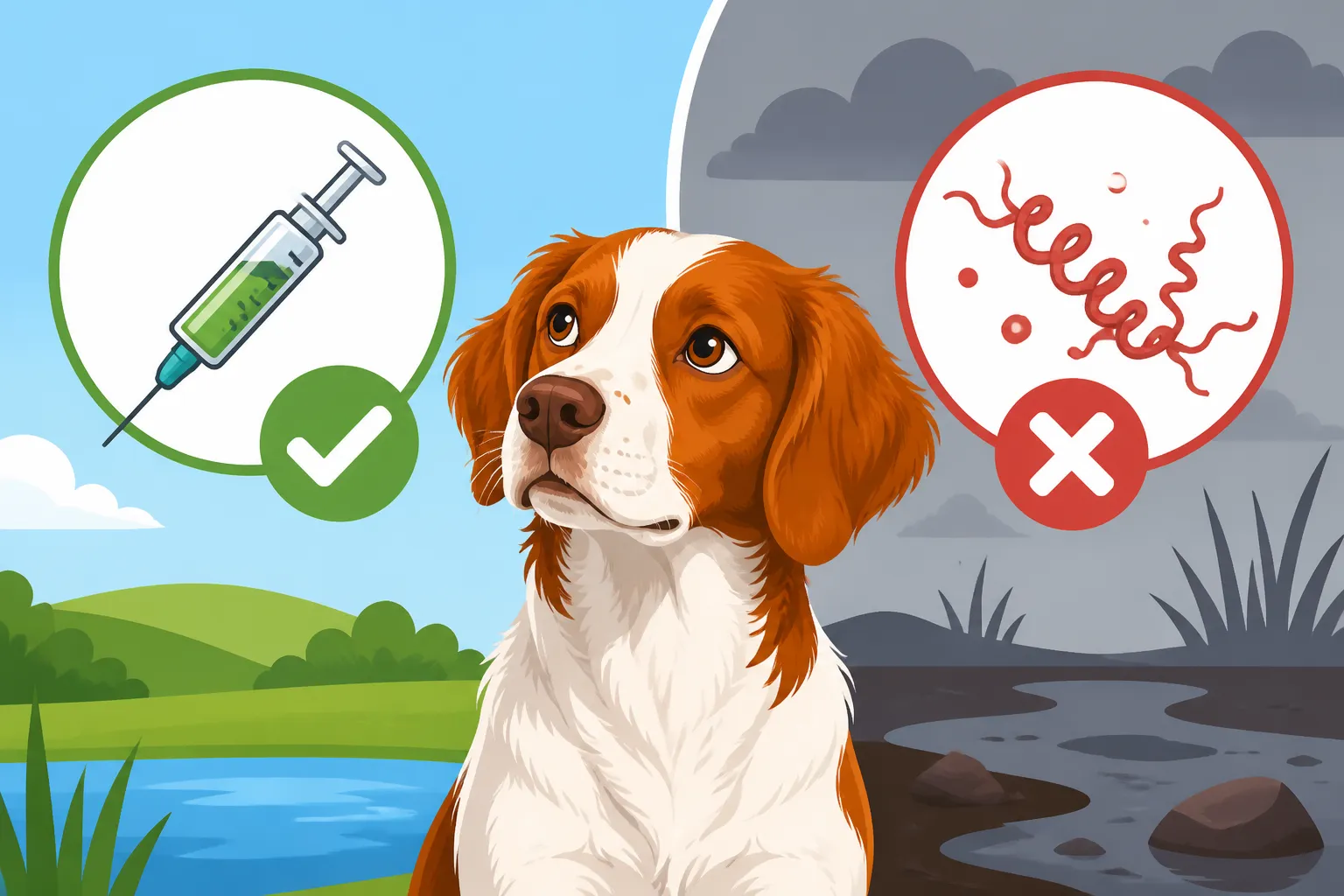
Whether a Brittany Needs a Leptospirosis Shot
When you share your life with a Brittany, especially one that loves to explore the great outdoors, you're constantly weighing their safety against the vast world they want to roam. One of the most common anxieties for active dog owners revolves around vaccines, and the Leptospirosis shot often sparks a lot of questions. It's tough trying to figure out which vaccinations are absolutely necessary and which might be overkill for your beloved bird dog. This guide will help you understand Leptospirosis, evaluate your Brittany's risk, and make an informed decision about this particular shot.
Understanding Leptospirosis and Its Risks for Brittanys
Leptospirosis, often just called "lepto," is a serious bacterial disease that can affect dogs, humans, and other animals. It's caused by bacteria called Leptospira, which thrive in wet environments and are commonly spread through the urine of infected wildlife. Think about it: a deer, a raccoon, a rat, or even a squirrel might urinate in a puddle, a ditch, or a stream, and those bacteria can survive there for weeks or even months under the right conditions.
For a Brittany, this isn't just a theoretical threat; it's a very real concern tied directly to their instincts and lifestyle. Our Brittanys are sporting dogs, bred to cover ground, sniff out birds, and often, to retrieve from water. This means they are inherently more likely to encounter contaminated water sources or soil. They drink from puddles in the field, splash through streams, investigate damp undergrowth, and might even mouth sticks or grass that has been tainted by infected urine. The beautiful act of them doing what they love – hunting – also puts them squarely in harm's way when it comes to Leptospira. It's a frustrating paradox for us as owners, wanting them to live their best lives while also keeping them safe.
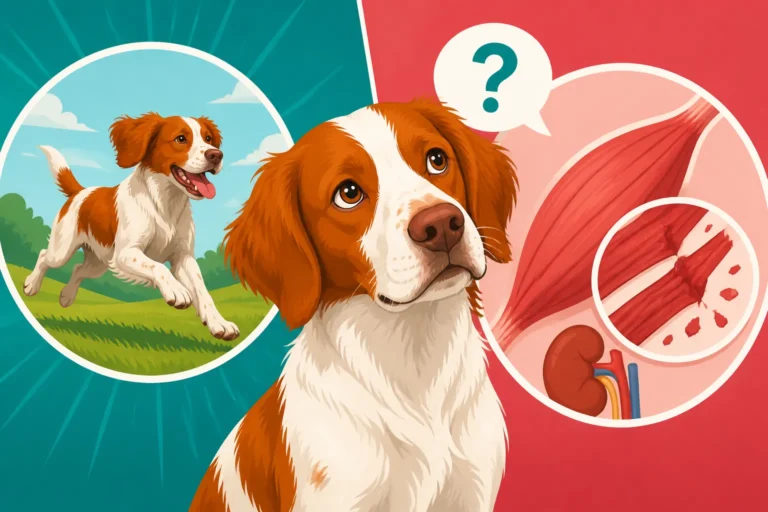
The bacteria typically enter a dog's body through mucous membranes (like the eyes, nose, or mouth) or through any cuts or scrapes on their skin. Once inside, they can travel through the bloodstream and cause damage to vital organs, most notably the kidneys and liver. The symptoms can vary wildly, making diagnosis tricky. You might see anything from sudden fever, muscle pain, and lethargy to vomiting, diarrhea, loss of appetite, and increased thirst (indicating kidney issues). Some dogs might even develop jaundice, showing a yellowish tint to their skin and eyes, signaling liver problems. In severe cases, Lepto can lead to acute kidney failure, liver failure, and even death. It’s a terrifying prospect for any dog owner, especially when your otherwise robust Brittany suddenly falls ill after a weekend in the field.
Geographical prevalence is also a huge factor here. While Lepto used to be considered a disease primarily of rural areas, it's becoming increasingly common in suburban and even urban environments. As wildlife adapts to living closer to human populations, so does the risk of exposure. Your local veterinary office will have the best, most up-to-date information on whether Leptospirosis is active in your specific region. For example, if you live near wetlands, wooded areas, or anywhere that sees regular wildlife activity and standing water, your Brittany's risk automatically jumps. This is especially true if you hunt in areas with high rodent populations or where deer are common.
The Leptospirosis Vaccine: Benefits and Considerations
So, with that picture of risk in mind, let’s talk about the vaccine. The Leptospirosis vaccine works by introducing inactivated forms of the Leptospira bacteria into your Brittany's system, allowing their immune system to build up antibodies to fight off future infections. It's designed to protect against the most common serovars (types) of Leptospira that cause disease in dogs.
The primary benefit, of course, is protection against a potentially fatal disease. For a Brittany that is frequently exposed to environments where Leptospirosis might lurk – whether it’s a quick dip in a pond during a summer walk, or a serious training session near a marshy area – the vaccine can offer a significant layer of defense. It can prevent your dog from contracting the disease entirely, or at the very least, significantly reduce the severity of symptoms if they do get exposed, giving them a much better chance of recovery. Many concerned Brittany owners also find peace of mind knowing they've done what they can to protect their adventurous companions.
Historically, some older versions of the Leptospirosis vaccine had a reputation for causing more adverse reactions than other standard canine vaccines. This is where some of the apprehension you might feel comes from. However, veterinary medicine has advanced significantly. Modern Lepto vaccines are much more refined and generally considered safer, with side effect rates comparable to other common vaccines. The most common side effects are usually mild and temporary, such as lethargy, a slight fever, or tenderness at the injection site. Serious reactions, like anaphylaxis, are rare but possible with any vaccine, which is why your vet will typically monitor your dog for a short period after vaccination.
When it comes to the vaccination schedule, puppies usually receive an initial series of two doses, given a few weeks apart, followed by annual booster shots. It’s crucial to complete the full initial series to ensure adequate protection. For adult Brittanys who haven't been vaccinated before, a similar two-dose initial series will likely be recommended before moving to yearly boosters. This schedule helps maintain a strong immune response against the bacteria. Remember, just like with our own flu shots, the Lepto vaccine doesn't guarantee 100% immunity against every possible strain of Leptospira, but it provides robust protection against the most prevalent ones, significantly lowering the risk of severe disease. This proactive step is often considered part of a comprehensive wellness plan, alongside your Brittany's regular check-ups, which might include discussions about How Often a Brittany Needs a Wellness Exam.
Making the Decision: Is the Lepto Shot Right for Your Brittany?
Deciding whether the Leptospirosis shot is necessary for your Brittany really boils down to a thoughtful assessment of their lifestyle, environment, and your comfort level with the risks involved. There's no one-size-fits-all answer, and what's right for your neighbor's city-dwelling Chihuahua might not be right for your field-bred Brittany who spends weekends working scent.
Here are some key factors to consider:
- Geographic Location: Are you in an area where Leptospirosis is known to be prevalent? Your veterinarian is your absolute best resource for this information. They track local disease outbreaks and environmental risks.
- Exposure to Water: Does your Brittany love swimming in natural ponds, lakes, or streams? Do they frequently drink from puddles or standing water while on walks or hunts? Water contaminated by wildlife urine is a major transmission route. Brittanys, with their love for water and retrieving, are often drawn to these risky areas. You might also want to think about Why a Brittany's Drop Ear Traps Water and how that dampness might affect other ear health considerations.
- Exposure to Wildlife: Do you live in an area with a lot of raccoons, skunks, deer, rats, or other wildlife? If your Brittany spends time in fields, woods, or even a backyard frequented by these animals, their risk increases. This can be especially true if you take your Brittany to various hunting grounds, where exposure to different wildlife populations is higher.
- Travel: Do you travel with your Brittany to different states or regions? The prevalence of Leptospirosis can vary dramatically, and you might expose your dog to higher-risk areas without realizing it.
- Yard and Neighborhood: Even if your Brittany isn't a dedicated hunter, do they have access to a yard where wildlife might roam? Are there shared community spaces with standing water?
Consulting Your Veterinarian: This is not a decision to make lightly or in isolation. Schedule a conversation with your vet. Be open about your Brittany’s daily routine, where they exercise, if they hunt, and any travel plans. Your vet can provide hyper-local risk assessment based on current public health data, recent cases in the area, and their professional experience. They can also discuss the specific vaccine available, its efficacy against local strains, and any potential side effects relevant to your dog’s individual health history. This is also a good time to review Whether a Brittany Needs a Preseason Vet Check to ensure they are in top condition.
Cost Implications: Of course, there's the financial aspect. The Leptospirosis vaccine is an additional cost on top of your Brittany's other core vaccinations. While the cost of the vaccine itself is generally manageable (often ranging from $20-$40 per shot, plus the exam fee), it's the potential cost of treating a full-blown Leptospirosis infection that can be truly staggering. Treatment can involve hospitalization, intravenous fluids, antibiotics, and extensive supportive care, potentially racking up bills into the thousands of dollars. This is where What a Brittany's Yearly Vaccinations Cost can become a small fraction of a much larger potential expense. Considering pet insurance, like a plan from Healthy Paws, can be a smart move for active breeds. Healthy Paws, for example, often helps cover the costs of unexpected illnesses and accidents, offering peace of mind if your Brittany, despite your best efforts, were to contract Lepto or suffer from other field-related issues. They can be invaluable for covering major medical emergencies that arise from an adventurous lifestyle.
Ultimately, the decision rests with you. But given the severe nature of the disease, its increasing prevalence, and the typical outdoor, adventurous lifestyle of a Brittany, many veterinarians and experienced owners strongly recommend vaccination. When you weigh the relatively low risk of vaccine reaction against the very real and devastating potential of a Leptospirosis infection, especially for a dog that truly lives for the field, the choice often becomes clearer.
Beyond Vaccination: Other Protective Measures
Even if you choose to vaccinate your Brittany against Leptospirosis, it's essential to remember that vaccination is just one part of a comprehensive prevention strategy. There are other practical steps you can take to minimize your dog's exposure and keep them healthy.
Environmental Management and Awareness:
One of the most effective ways to reduce risk is to simply avoid known contaminated areas. This means being vigilant about where your Brittany drinks and explores, especially when you're out in the field or even in your backyard.
- Avoid Stagnant Water: Puddles, slow-moving ditches, marshy areas, and even standing water in bird baths or leaky hoses can harbor Leptospira. Try to prevent your Brittany from drinking from these sources. Always carry fresh water for your dog, especially during hunts, and offer it frequently. This is critical for How Much a Brittany Should Drink on a Hunt to stay hydrated safely.
- Monitor Wildlife Activity: If you notice a high concentration of wildlife, particularly rodents, raccoons, or opossums, in certain areas, be extra cautious. These animals are primary carriers of the bacteria.
- Fencing and Deterrents: In your own yard, secure fencing can help deter wildlife, and removing food sources (like fallen fruit or unsecured garbage) can reduce their presence.
Hygiene After Hunts and Outdoor Excursions:
A little post-adventure cleanup can go a long way in preventing not only Leptospirosis but also other common issues like How Many Ticks a Brittany Picks Up in a Season.
- Rinse Off: If your Brittany has been playing or hunting in wet, muddy, or marshy conditions, it’s a good idea to rinse them off when you get home. This helps remove any potential bacteria from their coat before they can ingest it through licking. Pay attention to their paws, belly, and feathering.
- Check for Cuts and Scrapes: Thoroughly inspect your Brittany after every outing for any cuts, abrasions, or puncture wounds. These can be entry points for bacteria. Clean any minor wounds promptly.
- Handwashing: Remember that Leptospirosis is zoonotic, meaning it can pass from animals to humans. Always wash your hands thoroughly after handling your Brittany, especially after an outdoor adventure, and before eating or touching your face.
General Health and Veterinary Care:
Maintaining your Brittany’s overall health makes them more resilient to any potential illness, should they encounter it.
- Regular Vet Check-ups: Consistent veterinary care, including annual wellness exams, allows your vet to stay informed about your Brittany’s health and advise on changing local risks. They can also monitor for early signs of any illness. For instance, What a Brittany's Yearly Bloodwork Should Cover often includes checks that can help detect early issues.
- Nutrition and Conditioning: A well-fed, properly conditioned Brittany with a strong immune system is better equipped to fight off infections. Discuss Whether a Working Brittany Needs a Performance Food with your vet to ensure they're getting adequate nutrition for their energy levels.
- Be Aware of Symptoms: Even with vaccination, no preventative measure is 100% foolproof. If your Brittany shows any signs of illness—lethargy, vomiting, fever, decreased appetite, or changes in urination—contact your veterinarian immediately. Early diagnosis and treatment are crucial for a good outcome with Leptospirosis, and with a reliable pet insurance provider like Healthy Paws, you can focus on getting your dog the care they need without added financial stress during an emergency.
By combining vaccination with sensible preventative measures and consistent veterinary care, you can provide the best possible protection for your adventurous Brittany, allowing them to enjoy their outdoor passions safely.
Disclaimer
The information provided in this article is for general informational purposes only and does not constitute veterinary advice. Always consult with a qualified veterinarian for any health concerns or before making any decisions about your pet's medical care, including vaccinations.