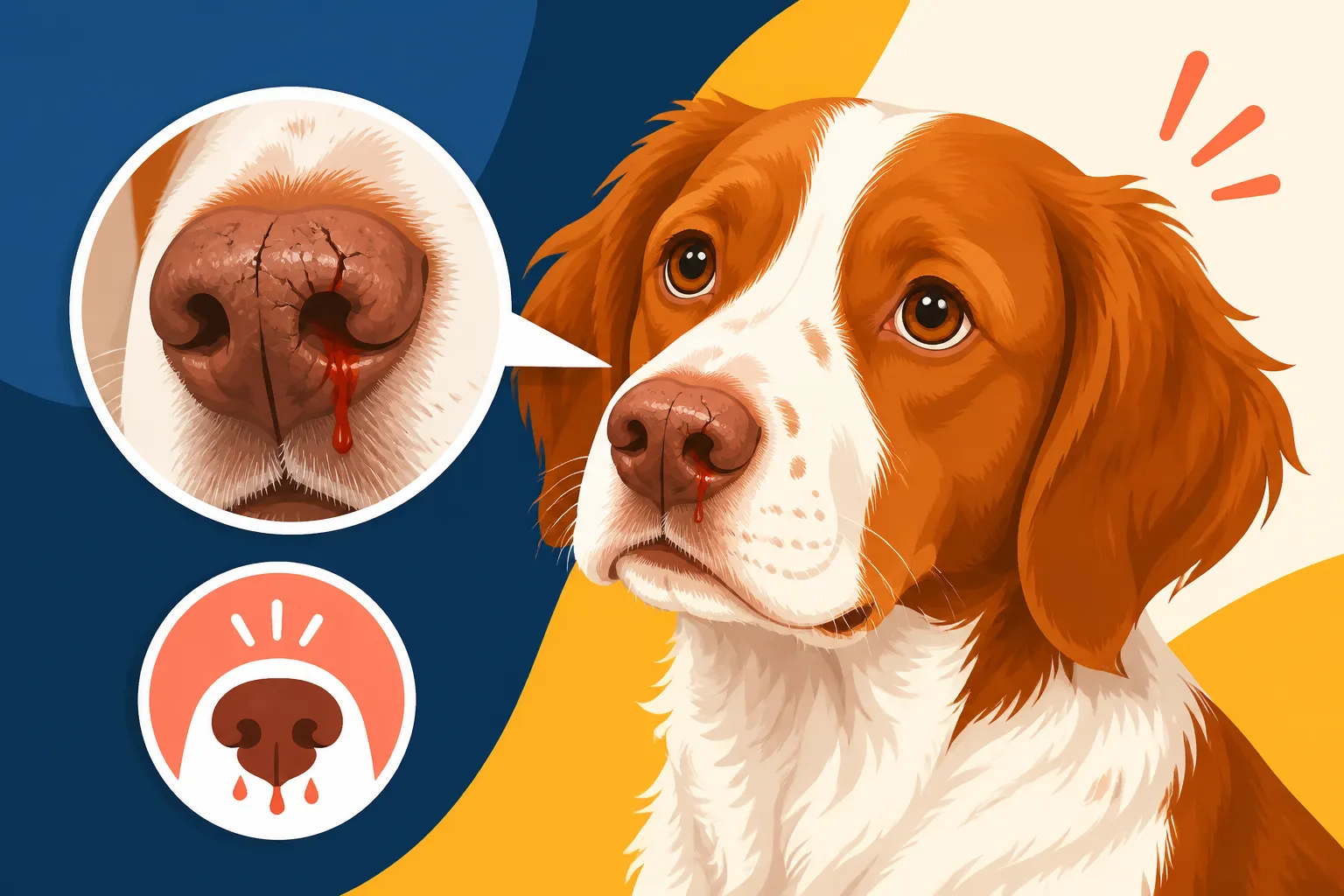
Why a Brittany’s Nose Cracks and Bleeds
It's truly alarming to see your beloved Brittany's nose start to crack, bleed, or lose its normally vibrant black pigment. This isn't just a cosmetic issue; it can be incredibly painful for your dog, impacting their ability to sniff and enjoy the world, and signaling an underlying health concern that needs attention. As a devoted Brittany owner, you want to know why this is happening and, more importantly, what you can do to help your loyal companion. This guide will walk you through the various reasons a Brittany's nose might crack and bleed, from environmental irritants to more serious autoimmune conditions like discoid lupus, and explain how to get your furry friend the relief they need.
Understanding the Brittany's Nose and Its Vulnerabilities
A healthy Brittany's nose, or "planum nasale," is a marvel of nature. It's usually cool, moist, and a solid black or liver color, depending on the dog's coat, with a unique cobblestone-like texture. This structure is packed with nerve endings and scent receptors, making it absolutely crucial for your Brittany's primary job in the field and their everyday exploration of the world. When this vital organ shows signs of distress, it's a clear signal that something is amiss.
The Anatomy of a Healthy Brittany Nose
Think about your Brittany's nose as their personal super-sensor. The outer layer, called the planum nasale, is a specialized type of skin, tough enough to withstand the rigors of sniffing through dense cover, yet incredibly sensitive to temperature, texture, and of course, scent. Beneath this is a rich blood supply that helps keep it moist and facilitates its amazing olfactory capabilities. It's designed to be robust, but it's not invincible. Any disruption to its surface or underlying health can lead to discomfort and compromise its function. We often take for granted how much our Brittanys rely on their noses, from tracking a pheasant to investigating a new smell in the backyard, so maintaining its health is paramount.
Common Environmental Factors Leading to Nose Issues
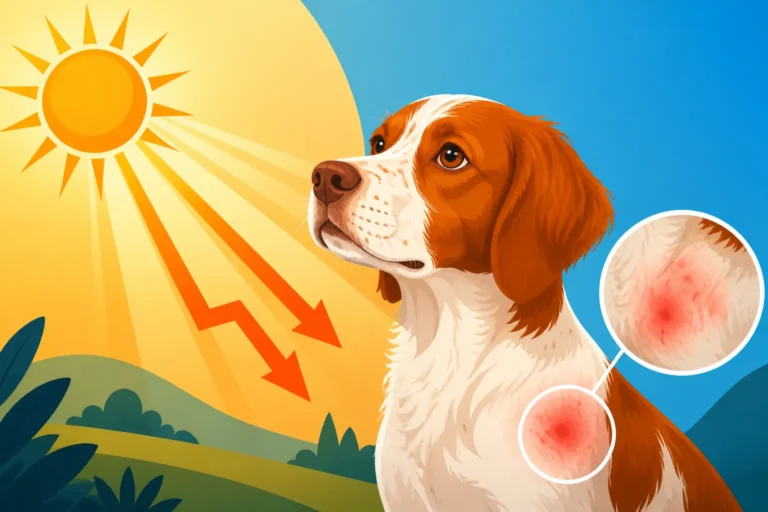
Sometimes, the simplest explanations are the right ones. Just like our skin, a Brittany's nose is exposed to the elements, and these can take a toll. Dry air, especially in winter or arid climates, can cause the nose to become parched and brittle, leading to minor cracks that can eventually bleed. Conversely, too much sun exposure can lead to a doggy sunburn, making the nose red, peeling, and painful. Imagine getting a bad sunburn on your own nose – it's no different for them!
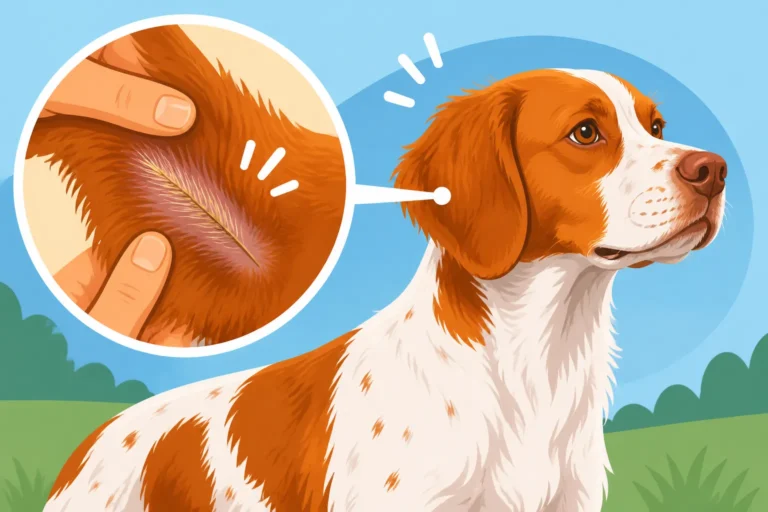
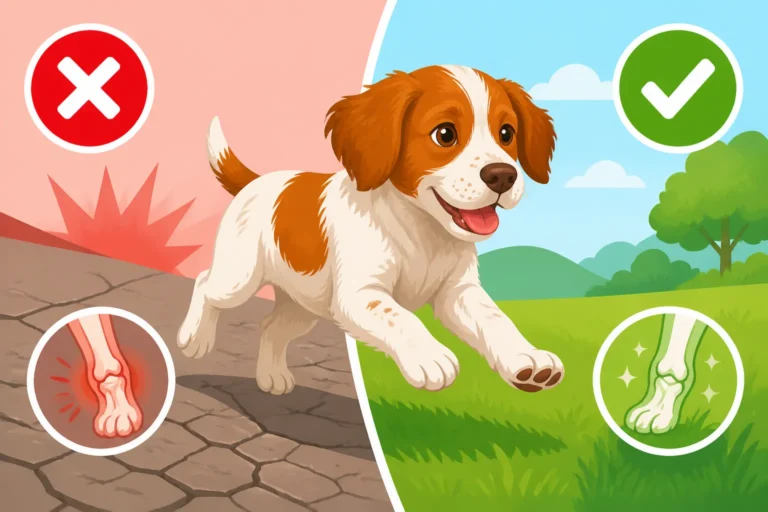
Beyond the weather, daily life presents its own challenges. Your Brittany, with their inquisitive nature, is constantly poking their nose into bushes, under fences, and through rough terrain. These adventures can result in minor scrapes, cuts, or abrasions from thorns, sharp twigs, or even just persistent rubbing against abrasive surfaces. While usually superficial, these small injuries can develop into larger cracks if not noticed and cared for, and may bleed a little, especially if your dog continues to irritate the area.
When Cracking and Bleeding Point to Discoid Lupus Erythematosus
When environmental factors don't seem to be the primary cause, or if the symptoms are persistent and worsening, a more serious condition known as Discoid Lupus Erythematosus (DLE) often comes to mind for Brittany owners. This autoimmune disease specifically targets the skin, and the nose is a prime location for its manifestation. It's a frustrating diagnosis because it's chronic, but manageable.
What is Discoid Lupus and How It Affects the Nose
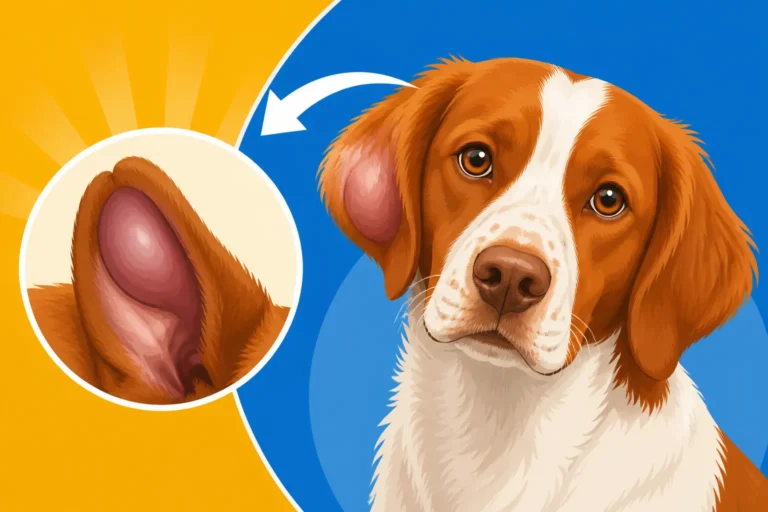
Discoid Lupus Erythematosus is an immune-mediated disease where the body's immune system mistakenly attacks its own healthy skin cells, particularly those on the nose. It's not a systemic lupus, meaning it usually only affects the skin, rather than internal organs, which is a small relief. The disease starts subtly, often with the loss of the normal cobblestone texture of the nose, making it appear smooth and shiny. Next, the characteristic black pigment might begin to fade, turning gray or pink, a phenomenon sometimes referred to as "snow nose," although in DLE it’s a symptom of disease rather than just pigment loss.
As the condition progresses, crusting and scaling will appear, followed by painful erosions, ulcers, and deep fissures or cracks. These cracks are prone to bleeding, especially if the dog rubs or scrapes their nose. The nose can become very tender, making your Brittany hesitant to sniff or even eat comfortably. You can learn more about the specific manifestations of this condition in our detailed guide on What Discoid Lupus Does to a Brittany's Nose.
Identifying the Signs of Discoid Lupus in Your Brittany
Catching DLE early can make a big difference in management. Pay close attention to any changes in your Brittany's nose. Is the pigment becoming lighter? Does the texture feel smooth rather than bumpy? Are there any scabs, crusts, or sores that don't seem to heal? DLE lesions are often symmetrical, affecting both sides of the nose equally, though not always. The earliest signs might just be a dulling of the black pigment or a slight loss of the normal irregular surface.
As the disease takes hold, you'll see more pronounced crusting and flaking, and those painful cracks and ulcers. Your Brittany might paw at their nose more, or rub it on carpets or furniture, trying to relieve the discomfort. Any bleeding, even small amounts, from these cracks is a significant indicator. For a more comprehensive look at what to watch for, check out our article on Signs a Brittany Has Discoid Lupus. Recognizing these symptoms and seeking veterinary care promptly is crucial for an accurate diagnosis and effective treatment plan.
The Role of Sun Exposure in Worsening DLE
If your Brittany has DLE, the sun is not their friend. Ultraviolet (UV) light, especially from direct sunlight, is a known trigger and aggravator for discoid lupus lesions. Just like with human lupus, sun exposure can cause flare-ups, making existing cracks worse, leading to more inflammation, and increasing the chances of bleeding. This is particularly important for Brittanys who spend a lot of time outdoors, whether in the field or just enjoying the backyard.
Protecting your Brittany from the sun becomes a key part of managing DLE. This might mean keeping them indoors during the sun's peak hours, providing plenty of shade when outside, or even using dog-specific sunscreens on their nose. Understanding how sunlight impacts the condition is vital for owners. We delve deeper into this connection in our post How Sun Worsens a Brittany's Lupus.
Other Medical Causes for a Cracked and Bleeding Nose
While DLE is a prominent concern for Brittanys with nose issues, it's not the only possible cause. Several other medical conditions, though less common, can present with similar symptoms, highlighting the importance of a thorough veterinary examination to pinpoint the exact problem.
Pemphigus Foliaceus and Other Autoimmune Conditions
Beyond DLE, other autoimmune skin diseases can manifest on a Brittany's nose, sometimes with overlapping symptoms. Pemphigus foliaceus, for example, is another autoimmune condition where the immune system attacks the "glue" between skin cells, leading to pustules, crusts, and erosions that can appear on the nose, around the eyes, and on the paw pads. While it can look similar to DLE with crusting and scabbing, pemphigus often involves more widespread skin lesions and pustules. These conditions require specific diagnostic tests, usually a biopsy, to differentiate them. It's a reminder that the world of autoimmune diseases in dogs is complex, and getting a precise diagnosis is key to effective treatment. For more insight into these broader conditions, you might want to read Whether a Brittany Gets Autoimmune Disease.
Nutritional Deficiencies and Their Impact on Skin Health
Sometimes, a seemingly complex skin problem can trace back to a simple nutritional imbalance. One condition to consider is zinc-responsive dermatosis. While more commonly seen in Nordic breeds, some individual Brittanys can develop a deficiency in zinc absorption, even if their diet contains adequate levels. This manifests as crusting, scaling, and hair loss around the eyes, mouth, ears, and yes, the nose. The affected skin can become dry, cracked, and prone to secondary infections, which can lead to bleeding.
Similarly, deficiencies in essential fatty acids (like Omega-3 and Omega-6) can compromise skin barrier function, leading to dry, flaky skin, dull coats, and potentially contribute to nose cracking. A high-quality diet is crucial for overall skin health, and your vet might recommend specific supplements if a deficiency is suspected.
Fungal Infections and Nasal Tumors
Infections can also play a role in nose problems. Fungal infections, though less common, can cause crusting, depigmentation, and ulceration on the nose. These often look different from DLE and would be diagnosed through specific tests like fungal cultures or biopsies.
On a more serious note, particularly in older Brittanys, nasal tumors are a rare but important consideration. These can manifest as swelling, discharge, changes in nose texture, and eventually, ulceration and bleeding. While terrifying to consider, early detection is vital for the best possible outcome. Any persistent, non-healing lesion, especially in an older dog, warrants immediate veterinary attention. Your vet will perform a thorough examination, which may include biopsies, to rule out or diagnose these more serious conditions.
Diagnosis and Treatment Approaches for a Brittany's Nose Issues
When your Brittany's nose is cracked and bleeding, the path forward starts with a visit to your veterinarian. Self-diagnosis can be misleading, and getting an accurate understanding of the underlying cause is paramount for providing effective relief and preventing further complications.
The Importance of Veterinary Consultation
You've observed the symptoms, you've tried some home remedies, but the problem persists or worsens – it's time for the vet. Your veterinarian will begin with a comprehensive physical examination, carefully inspecting the nose and surrounding areas. They'll ask detailed questions about when the symptoms started, how they've progressed, your dog's diet, and any medications or supplements they might be taking. This "history" is incredibly important as it helps piece together the puzzle.
To definitively diagnose conditions like Discoid Lupus Erythematosus or other autoimmune issues, a skin biopsy is often necessary. This involves taking a small tissue sample from the affected area, usually under local anesthetic or light sedation, and sending it to a specialized lab for microscopic examination. The pathologist can then identify the characteristic cellular changes associated with specific diseases. For more on this process, our article How Discoid Lupus Is Diagnosed in a Brittany offers valuable insights. Without this crucial step, you're essentially guessing, and that's not fair to your Brittany when they're in pain.
Treatment Options for Discoid Lupus and Other Conditions
Once a diagnosis is confirmed, your vet will recommend a tailored treatment plan. For DLE, a multi-faceted approach is often most effective:
- Topical Medications: Mild cases of DLE might respond well to topical corticosteroids or other immune-modulating creams directly applied to the nose. These help reduce inflammation and suppress the localized immune response.
- Oral Medications: More severe or persistent DLE often requires oral medications. These can include corticosteroids (like prednisone) to reduce inflammation and suppress the immune system, or other immunosuppressants such as cyclosporine (e.g., Atopica). These medications help bring the overactive immune system back into balance.
- Supplements: Omega-3 fatty acids (fish oil) and Vitamin E are often recommended as supportive therapies due to their anti-inflammatory and skin-healing properties. These can be given in conjunction with prescription medications.
- Sun Protection: As discussed, protecting the nose from UV light is critical. Dog-specific sunscreens, limiting outdoor time during peak sun hours (10 AM to 4 PM), and providing shaded areas are essential preventative measures. You can explore this further in Whether a Brittany Needs Sunscreen on Its Nose.
- Antibiotics: If secondary bacterial infections develop in the cracked or ulcerated skin, antibiotics will be prescribed to clear them up.
Managing a chronic condition like DLE can involve ongoing veterinary visits and medications. This is where pet insurance can be a real lifesaver. Many owners find that a policy from a provider like Healthy Paws can significantly ease the financial burden of long-term care, allowing them to focus on their dog's health without constantly worrying about the cost of prescriptions, follow-up appointments, or potential specialist consultations. You can find more in-depth information about medications in Which Medication a Brittany With Lupus Takes.
For nutritional deficiencies, treatment involves dietary changes or specific supplementation (e.g., zinc supplements for zinc-responsive dermatosis). Fungal infections will be treated with antifungals, and tumors, depending on their type and stage, may require surgery, radiation, or chemotherapy. The bottom line is that effective treatment is entirely dependent on an accurate diagnosis.
Supportive Care and Prevention at Home
While medical treatment addresses the root cause, there's a lot you can do at home to support your Brittany's healing and prevent future issues:
- Nose Balms and Moisturizers: For dry, cracked noses (whether from DLE or environmental factors), regularly applying a dog-safe nose balm can provide immense relief. Look for products with natural ingredients like shea butter, coconut oil, or beeswax. These help moisturize, soothe, and protect the delicate skin. Brands like Musher's Secret or Snout Soother are popular choices among dog owners for their protective and healing properties.
- Hydration: Ensure your Brittany always has access to fresh, clean water. Good hydration is essential for overall skin health.
- Dietary Support: Continue to feed a high-quality, balanced diet. If your vet recommends specific supplements, administer them consistently.
- Minimize Trauma: Be mindful of where your Brittany sniffs and plays, especially if their nose is compromised. Try to avoid areas with dense thorns or sharp brush. If your Brittany is a hunting dog, consider protective gear like a nose guard, if they'll tolerate it, or take extra care to inspect their nose immediately after being in heavy cover.
- Sun Protection: This cannot be stressed enough for DLE patients. Use veterinarian-recommended dog sunscreen on their nose before outdoor excursions, or dress them in appropriate gear.
By combining professional veterinary care with attentive home management, you can significantly improve your Brittany's comfort and quality of life, even with challenging conditions. It’s a journey, but with dedication, your Brittany can thrive.
Here's a quick comparison of common nose issues:
| Feature | Environmental Dryness/Chapping | Discoid Lupus Erythematosus (DLE) | Zinc-Responsive Dermatosis | Fungal Infection |
|---|---|---|---|---|
| Primary Cause | Weather (dry air, sun), minor trauma | Autoimmune disease, immune system attacks skin | Impaired zinc absorption | Fungal organisms |
| Appearance | Dry, cracked, sometimes flaky; may have superficial scrapes | Pigment loss, smooth/shiny, crusting, ulcers, deep cracks, bleeding | Thick crusts, scales, hair loss around nose, eyes, mouth, paw pads | Crusting, depigmentation, redness, lesions, often localized |
| Onset | Gradual, often seasonally, or after specific exposure | Gradual, can worsen with sun exposure | Gradual, persistent | Gradual, can be persistent |
| Pain Level | Mild to moderate, especially if bleeding | Moderate to severe, especially with deep cracks/ulcers | Moderate, skin can be tender | Variable, often itchy or uncomfortable |
| Typical Age Affected | Any age | Young to middle-aged adults | Young adults, or any age if secondary to another illness | Any age |
| Diagnosis | Clinical signs, history | Skin biopsy is definitive | Skin biopsy, response to zinc supplementation | Fungal culture, skin scraping, biopsy |
| Treatment | Moisturizing balms, sun protection, avoid irritants | Topical/oral steroids, immunosuppressants, sun protection, supplements | Zinc supplementation | Antifungal medications (topical/oral) |
| Prognosis | Excellent with proper care | Manageable, lifelong condition; good with consistent treatment | Excellent with supplementation | Good with appropriate treatment, may require long course |
Disclaimer
This article is intended for informational purposes only and does not constitute veterinary advice. Always consult with a qualified veterinarian for any health concerns or before making any decisions about your Brittany's care, diet, or treatment. Your veterinarian is the best resource for diagnosing and treating your specific pet's needs.