Why a Brittany Gets Ear Infections
It’s a tale as old as time for many Brittany owners: you spend a wonderful day in the field, your energetic companion flushing birds and retrieving with gusto, only to find yourself a few days later wrestling with a painfully itchy, smelly ear. The recurring ear infection is a frustrating, often painful ordeal for our beloved Brittanys, and for us, it's a constant worry. This guide is here to break down exactly why these tenacious sporting dogs are so prone to ear trouble and how you can work to keep their ears healthy and happy.
Understanding the Brittany's Ear Anatomy and Susceptibility
Brittanys, with their expressive eyes and flowing coats, possess a unique set of physical traits that, while endearing, unfortunately make them highly susceptible to ear infections. It’s not just bad luck; it’s a design flaw, if you will, that we, as their devoted caretakers, need to understand and mitigate.
The Drop Ear Design as a Trap
One of the most defining characteristics of a Brittany is those beautiful, floppy ears. Unlike breeds with upright ears, the Brittany's ear leather hangs down, creating a warm, dark, and often humid environment underneath. This isn't just a cozy spot; it's practically a greenhouse for all sorts of microscopic nasties. Airflow is severely restricted, meaning that any moisture that enters – whether from a swim, a rainy hunt, or even just humidity in the air – gets trapped. This moisture then combines with natural ear wax and debris, creating a perfect breeding ground for bacteria and yeast. You might find yourself constantly cleaning and still wondering, "Why does this keep happening?" The simple answer often starts with the ear itself, draped over the canal like a curtain. If you've ever dealt with a dog prone to recurring ear infections, you know the frustration. It feels like you're fighting an uphill battle, especially when you consider how much their ears are exposed during their active lives. This is a common concern that warrants a deep dive into the specifics of Brittany ear care, which we cover in greater detail in articles like, Why a Brittany's Drop Ear Traps Water.
Imagine trying to keep a damp, warm cave clean and airy when its entrance is constantly covered. That’s essentially the challenge we face with a Brittany’s ears. The lack of ventilation prevents the natural drying processes that help keep the ear canal healthy. Over time, this chronic dampness can lead to changes in the delicate skin lining the ear canal, making it even more prone to inflammation and infection. It's a vicious cycle that can be tough to break without consistent, proactive care. Many owners only think about ear cleaning when there's an obvious problem, but for a Brittany, it often needs to be a regular part of their routine, even when everything seems fine.
Ear Canal Hair and Wax Buildup
Beyond the drop ear, many Brittanys also have a good amount of hair growing inside their ear canals. While not as heavily feathered internally as some Poodles or Bichons, enough hair can be present to further complicate matters. This hair acts like a net, catching debris, dirt, and excess wax, preventing them from naturally migrating out of the ear. This creates blockages and contributes to the warm, moist environment that bacteria and yeast absolutely thrive in.
When you combine the presence of ear canal hair with the naturally occurring ear wax, you have a recipe for trouble. Ear wax is a protective substance, but when it's produced in excess or can't escape, it becomes part of the problem. It traps moisture and provides nutrients for opportunistic pathogens. This thick, gunky mixture can clog the ear canal, making it difficult for ear cleaning solutions to penetrate and do their job. It also makes it incredibly uncomfortable for your dog, often leading to head shaking and scratching, which can further irritate the delicate skin inside the ear.
Environmental Factors and Brittany Lifestyle
Our Brittanys are sporting dogs, bred for the field, and they love nothing more than exploring, splashing, and running through all sorts of cover. This active lifestyle, while fulfilling for them, exposes their ears to a myriad of environmental hazards. From wading through murky pond water during a retrieve to crashing through tall, seeded grasses, their ears are constantly encountering elements that can trigger an infection.
Think about a typical hunt: your Brittany might be pushing through dense underbrush, collecting burrs and bits of plant matter on their coat and, yes, in and around their ears. They might then take a dip in a pond, getting their ears thoroughly wet. This combination of trapped debris and moisture, exacerbated by the poor ventilation of their drop ears, sets the stage perfectly for an infection to brew. Furthermore, exposure to dust, pollen, and other allergens in the environment can also cause irritation and inflammation, making the ears more susceptible to secondary infections. It's a constant battle against nature for these outdoor enthusiasts.
Common Culprits: Types of Infections and What Causes Them
When a Brittany's ear starts to bother them, it's usually due to one of several common types of infections. Understanding what kind of infection your dog might be battling can help you and your vet determine the best course of action. It's rarely a "one size fits all" situation, and different pathogens require different approaches.
Yeast Infections and Their Distinctive Scent
Yeast infections, primarily caused by the Malassezia pachydermatis fungus, are incredibly common in dogs, especially those with floppy ears like Brittanys. You'll often recognize this type of infection by its unmistakable, sweet, musty odor – sometimes described as smelling like corn chips or stale bread. It's a scent that, once you've smelled it, you won't forget, and it's usually the first clue that something's amiss.
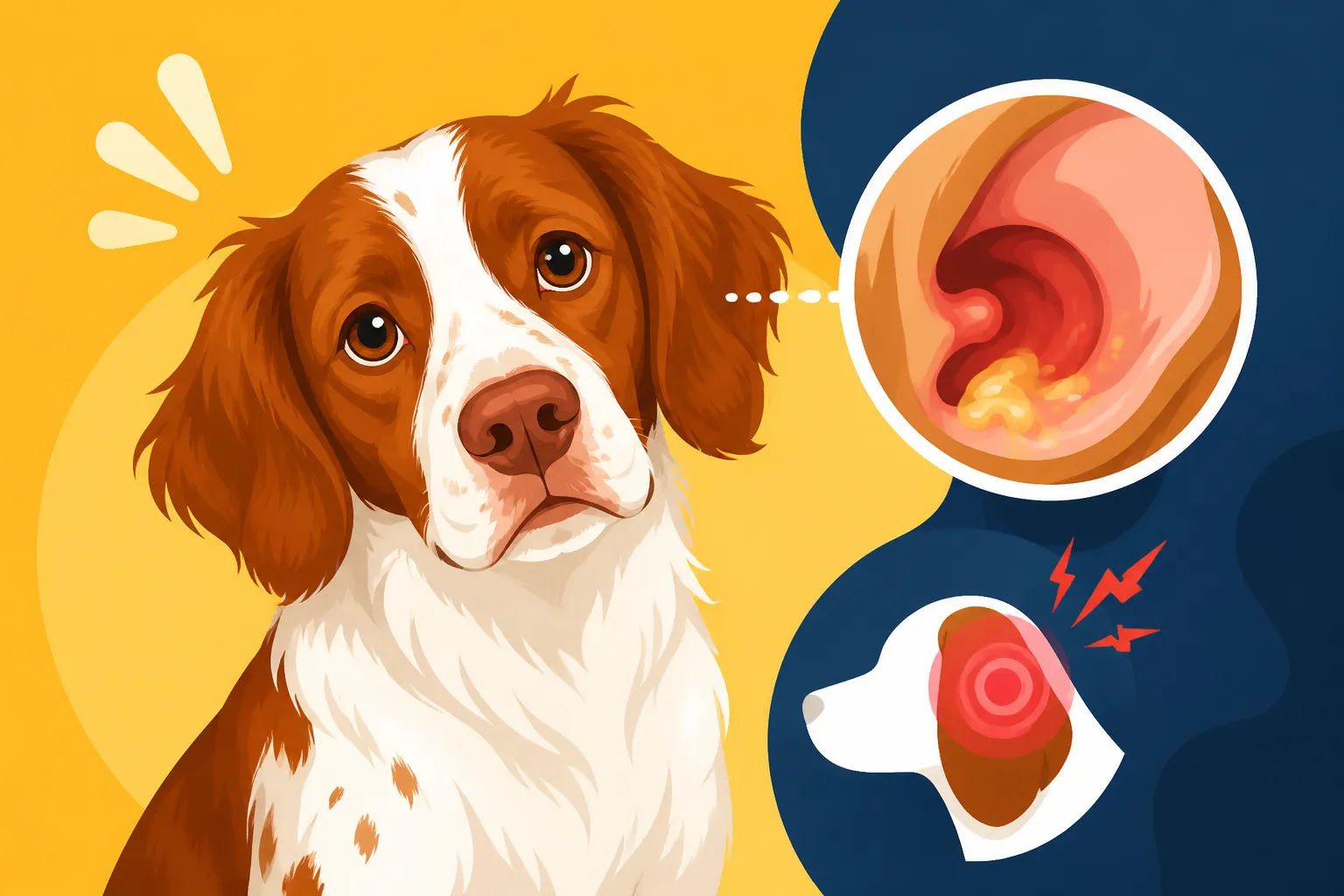
Yeast thrives in warm, moist, and dark environments, which, as we've discussed, perfectly describes the inside of a Brittany's ear. When the natural balance of microorganisms in the ear canal is disrupted – perhaps by excessive moisture, allergies, or an underlying health issue – yeast can overgrow. This leads to intense itching, redness, a greasy discharge, and that characteristic smell. Your dog will likely be shaking their head, scratching at their ears, and might even be sensitive to you touching their head. It's a very uncomfortable experience for them, and requires a specific antifungal treatment from your veterinarian.
Bacterial Infections and Their Variations
Bacterial infections are another frequent cause of ear woes in Brittanys. These can range from primary infections, where bacteria are the initial cause, to secondary infections, where bacteria take advantage of an ear already compromised by yeast, allergies, or a foreign body. The most common bacterial culprits include various species of Staphylococcus and Pseudomonas.
Bacterial ear infections often present with different symptoms than yeast. You might see a yellow, green, or even black discharge, often accompanied by a more foul, putrid odor compared to yeast. The ear will be intensely red, swollen, and painful to the touch. In severe cases, particularly with Pseudomonas, the infection can be deep-seated and very aggressive, sometimes leading to more serious conditions if not treated promptly. These infections require specific antibiotics, often prescribed after a culture and sensitivity test, to ensure the right medication is used to combat the particular strain of bacteria. An insurance plan like one from Healthy Paws could be invaluable here, covering diagnostic tests and medications that can quickly add up.
Ear Mites: More Than Just a Puppy Problem
While often associated with puppies and kittens, ear mites (Otodectes cynotis) can affect dogs of any age, including adult Brittanys. These tiny parasites are highly contagious and can be picked up from other infected animals or contaminated environments. They live on the surface of the ear canal, feeding on skin debris and causing intense irritation.
The hallmark sign of ear mites is an extremely itchy ear, often accompanied by a dark, crumbly discharge that looks like coffee grounds. This discharge is a mixture of wax, blood, and mite debris. Your Brittany will likely be scratching vigorously at their ears, shaking their head, and may even develop scabs or secondary bacterial infections from self-trauma. While not as common in well-cared-for adult dogs, any Brittany that interacts with other animals or spends a lot of time outdoors could be at risk. A simple vet visit can confirm the presence of mites through an ear swab examination, and specific parasiticides are available for effective treatment.
Allergic Reactions and Their Impact on Ear Health
Allergies are a massive underlying factor in chronic ear infections for many dogs, and Brittanys are certainly not immune. When a dog has allergies, their immune system overreacts to otherwise harmless substances, leading to inflammation throughout the body, often manifesting prominently in the skin and, crucially, the ears.
Food Allergies Manifesting in the Ears
It might seem counterintuitive that what your dog eats could affect their ears, but food allergies are a significant cause of recurring ear infections. When a Brittany is allergic to an ingredient in their diet, their immune system perceives it as a threat, triggering an inflammatory response. This inflammation often targets the skin, causing itchiness and redness, particularly around the face, paws, and yes, the ears.
Common culprits in food allergies include proteins like chicken, beef, dairy, wheat, and soy. The inflammation makes the ear canal warm, moist, and swollen, creating the perfect conditions for secondary yeast or bacterial infections to take hold. If your Brittany is experiencing chronic, recurrent ear infections despite diligent cleaning and treatment, and especially if they have other skin issues like paw licking or generalized itchiness, a food allergy might be the root cause. This often requires a strict elimination diet trial under veterinary guidance to identify and remove the offending ingredient. Learning more about What a Brittany Is Most Often Allergic To can provide further insights.
Environmental Allergies: Pollen, Dust, and More
Just like people, dogs can suffer from environmental allergies, also known as atopy. These allergies are triggered by airborne substances like pollen (from trees, grasses, and weeds), dust mites, mold spores, and even dander from other animals. For an outdoor-loving Brittany, exposure to these allergens is practically unavoidable.
When these allergens are inhaled or absorbed through the skin, they trigger an inflammatory response that can cause generalized itchiness, skin rashes, and recurring ear infections. The ears become red, inflamed, and incredibly itchy, leading your Brittany to scratch and shake their head, further traumatizing the ear canal. This constant irritation breaks down the natural protective barriers in the ear, making it vulnerable to opportunistic yeast and bacterial infections. Managing environmental allergies often involves a multi-pronged approach, including antihistamines, topical treatments, allergy shots (immunotherapy), and careful environmental control to minimize exposure.
Contact Dermatitis: Reactions to Topical Products
Sometimes, the cause of ear irritation isn't something ingested or inhaled, but something that comes into direct contact with the ear itself. Contact dermatitis occurs when a dog's skin reacts adversely to a specific substance. While less common than food or environmental allergies for recurrent ear infections, it can certainly be a trigger for acute episodes or exacerbate existing issues.
This could include reactions to certain ear cleaners, shampoos, topical medications, or even materials like rubber or plastic in their bowls if they rub against their ears. The symptoms typically appear directly where the substance has touched the skin, causing redness, itching, and sometimes small bumps or blisters. For a Brittany, this might manifest around the outer ear flap or the very entrance of the ear canal. Identifying and removing the offending agent is crucial. If you've recently changed your dog's ear cleaning routine or used a new product, and ear irritation or infection follows, contact dermatitis should be considered as a potential cause.
Foreign Bodies and Trauma: Hidden Dangers in the Field
For a breed like the Brittany, constantly on the move and exploring, the risk of foreign bodies entering the ear canal is a very real and often painful concern. These aren't just minor irritations; they can embed themselves deeply, causing severe inflammation and opening the door for serious infections.
The Stealthy Invasion of Grass Awns and Foxtails
This is perhaps one of the most insidious threats to a Brittany's ear health, especially for those working in grassy fields. Grass awns, particularly foxtails, are barbed seed heads from certain types of grasses. They are designed by nature to burrow forward, and once they get into a dog's coat or, alarmingly, into an ear canal, they rarely come out on their own. Instead, they migrate deeper and deeper.
A foxtail in the ear canal is incredibly painful. Your Brittany might suddenly start violently shaking their head, tilting it to one side, pawing at the ear, or rubbing it along the ground. If not removed promptly, these awns can perforate the eardrum, cause severe internal damage, and lead to deep-seated bacterial infections or even abscesses. Because they can migrate, they might even end up in other parts of the body. If you suspect a foxtail, it's an absolute emergency to get your dog to the vet immediately. They will often require sedation and specialized tools to extract these barbed terrors. Regular post-hunt checks, including a thorough inspection of the ears, are vital, as highlighted in articles like How Grass Seeds Get Into a Brittany's Ear.
Water Trapping and Swimmer's Ear
Brittanys are natural water dogs, often eager to retrieve from ponds, lakes, or streams. While this is great fun and excellent exercise, it poses a significant risk to their ear health. As discussed, their pendulous ears effectively seal off the ear canal, trapping any water that enters.
This trapped water creates a perpetually damp environment, stripping away the ear canal's natural protective oils and weakening its defenses. It's the canine equivalent of "swimmer's ear" in humans, but often worse due to the lack of air circulation. Bacteria and yeast, which are always present in small numbers, seize this opportunity to multiply rapidly, leading to a full-blown infection. After any water exposure, it's crucial to thoroughly dry your Brittany's ears, both externally and internally with a vet-approved drying solution. Preventative measures, along with the tips found in Whether a Brittany's Ears Should Be Dried After Water, are key to avoiding this common pitfall.
Physical Injury and Aural Hematomas
Brittanys are active dogs, and sometimes, their boundless energy or intense itching can lead to physical trauma to the ear. Constant vigorous head shaking and scratching, often in response to an existing ear infection, can cause a specific type of injury called an aural hematoma.
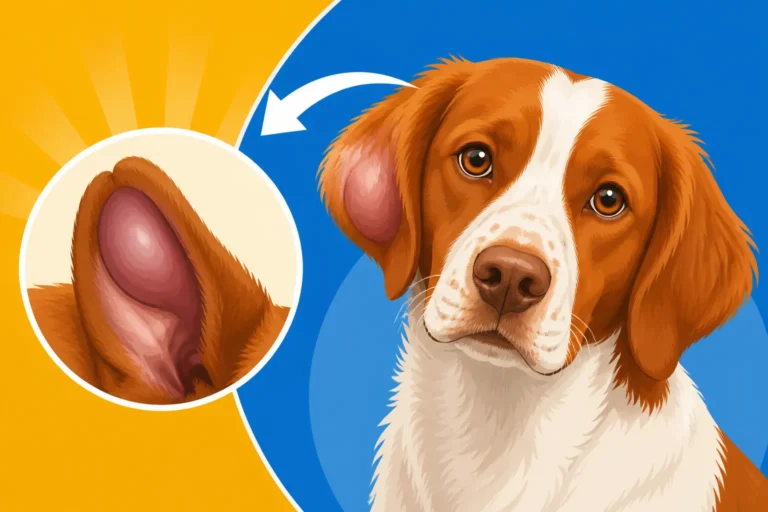
An aural hematoma occurs when blood vessels within the ear flap (pinna) rupture, typically from forceful head shaking or scratching. Blood then collects between the cartilage and the skin of the ear flap, causing it to swell up like a balloon. This is incredibly painful and unsightly, and while not an infection itself, it's a direct consequence of ear irritation and pain. Hematomas often require veterinary intervention, usually surgical drainage, to resolve. Furthermore, any cuts, scrapes, or punctures to the ear flap or canal from thorns, branches, or even fighting with another animal can introduce bacteria and lead to localized infections.
Underlying Health Issues and Systemic Contributors
Sometimes, ear infections aren't just about what's happening in the ear, but rather a symptom of a larger, systemic health issue. For Brittanys, certain medical conditions can weaken their immune system or alter their body's chemistry, making them much more susceptible to chronic or recurring ear problems.
Hypothyroidism and Its Link to Chronic Infections
Hypothyroidism, a condition where the thyroid gland doesn't produce enough thyroid hormone, is surprisingly common in dogs, including Brittanys. While often associated with weight gain, lethargy, and coat issues, it can also manifest as chronic skin and ear infections. Thyroid hormones play a crucial role in maintaining healthy skin and a robust immune system.
When thyroid levels are low, the skin's barrier function can be compromised, and the immune system might not be as effective at fighting off opportunistic pathogens. This can lead to thickening of the skin lining the ear canal, increased wax production, and a reduced ability to fend off bacterial and yeast overgrowth. If your Brittany is experiencing recurrent ear infections, especially alongside other symptoms like unexplained weight gain, a dull coat, or sluggishness, your vet might recommend a thyroid panel. Addressing the underlying hypothyroidism with medication can often significantly improve or even resolve chronic ear issues. Understanding What Hypothyroidism Does to a Brittany can help owners connect these dots.
Autoimmune Conditions Affecting Ear Health
Less commonly, but certainly worth considering in cases of very stubborn or unusual ear infections, autoimmune diseases can play a role. Autoimmune conditions occur when the body's immune system mistakenly attacks its own healthy cells. While rare, some autoimmune disorders can target the skin and mucous membranes, including those within the ear canal.
Conditions like Pemphigus, for example, can cause blistering and crusting lesions in the ears, which then become highly susceptible to secondary infections. These cases are typically diagnosed through biopsies and often require immunosuppressive medications. If your Brittany has persistent, severe ear inflammation that doesn't respond to conventional treatments for yeast, bacteria, or allergies, your vet might explore an autoimmune component. This is a complex area, and diagnosis can be challenging, but it's an important consideration for truly refractory cases.
Genetic Predispositions and Breeding Considerations
While not a disease in itself, the genetic makeup of some Brittanys can make them inherently more prone to ear infections. This isn't about a single "ear infection gene" but rather a combination of factors, such as predispositions to allergies, certain ear canal structures, or even overall immune system robustness, that can be passed down through breeding lines.
Breeders committed to the health of the Brittany will carefully consider the health history of their breeding stock, including any history of chronic or severe ear infections. While it's impossible to guarantee a puppy will never get an ear infection, choosing a reputable breeder who screens for general health and is transparent about their dogs' medical histories can help mitigate risks. If both parent dogs have a history of chronic ear problems, it's reasonable to assume their offspring might inherit a similar predisposition. It's an important consideration when trying to understand the full picture of why a Brittany might be particularly prone to these frustrating issues.
Prevention and Management Strategies
Dealing with recurring ear infections can be exhausting and expensive. The good news is that there are many proactive steps you can take to prevent them or manage them effectively when they do occur. It’s all about understanding your Brittany’s specific needs and being consistent with care.
Routine Ear Cleaning and Drying Techniques
This is arguably the most critical component of ear health for a Brittany. Regular cleaning helps remove excess wax, dirt, and debris that can contribute to infections. However, the type of cleaner and the method are crucial. You want a veterinary-approved ear cleaner that is gentle and formulated to break down wax without irritating the delicate ear canal lining. Products containing drying agents are particularly beneficial for Brittanys prone to moisture-related issues. For advice on specific products, articles like Which Ear Cleaner Suits a Brittany can be very helpful.
When cleaning, gently lift the ear flap, apply the cleaner into the canal (don't be shy – fill it up!), and then massage the base of the ear for 20-30 seconds. You’ll hear a squishy sound. Let your dog shake their head, then use cotton balls or soft gauze to wipe away any excess liquid and debris from the outer ear and the visible parts of the canal. Never use cotton swabs inside the ear canal, as this can push debris deeper and potentially damage the eardrum. After swimming or bathing, always follow up with a dedicated ear drying solution. This simple routine, performed regularly (frequency depends on your dog's history, but often weekly or bi-weekly), can make a monumental difference. Your veterinarian can recommend a schedule for How Often a Brittany's Ears Should Be Checked.
Dietary Management and Allergy Control
If allergies are suspected to be at the root of your Brittany's ear infections, addressing them through diet and environmental control is paramount. For food allergies, working with your vet to conduct an elimination diet is the gold standard. This involves feeding a novel protein or hydrolyzed protein diet for 8-12 weeks, strictly avoiding all other foods, treats, and flavored medications. If ear symptoms resolve during this period, you can then reintroduce ingredients one by one to pinpoint the allergen.
For environmental allergies, management is often ongoing. This might include oral antihistamines, essential fatty acid supplements to support skin barrier health, or even specialized veterinary diets designed for sensitive skin. In more severe cases, your vet might suggest allergy testing and then immunotherapy (allergy shots) to desensitize your Brittany to the specific allergens. Keeping dust mites at bay with regular vacuuming and washing dog beds, as well as bathing your Brittany with a gentle, hypoallergenic shampoo after outdoor excursions during high pollen seasons, can also help reduce allergen load. Comprehensive pet insurance, like a plan from Healthy Paws, can significantly ease the financial burden of allergy diagnostics and ongoing treatments, allowing you to focus on your Brittany's comfort and health.
When to See the Vet: Early Signs and Treatment
Knowing when to seek veterinary attention is crucial for preventing minor irritations from escalating into severe, painful infections. Don't wait until your Brittany is in agony. Be vigilant and watch for the early signs of trouble. These include increased head shaking, pawing at the ears, rubbing ears on furniture, redness or swelling of the ear flap or canal, an unusual odor coming from the ears, or any discharge (waxy, purulent, or dark and crumbly). Even a slight change in behavior, such as reluctance to be touched around the head, could be a sign.
When you notice any of these signs, it's time for a vet visit. They will perform an otoscopic exam to look deep into the ear canal, check the eardrum, and often take a swab for cytology. This microscopic examination helps identify whether yeast, bacteria, or mites are present, and in what quantities. Based on these findings, your vet can prescribe the appropriate medication, whether it’s an antifungal, antibiotic, or anti-parasitic. Early intervention can save your dog a lot of discomfort and prevent chronic issues. Delaying treatment can lead to deeper, more resistant infections that are harder and more expensive to clear. Trust your gut; if something feels off, get it checked out. If you're seeing signs like those discussed in Signs a Brittany's Ear Is Infected, don't hesitate.
Here’s a quick reference table outlining common ear infection types and their key indicators:
| Infection Type | Primary Cause | Common Symptoms | Odor (if present) | Discharge Appearance | Treatment Approach (Vet-Prescribed) |
|---|---|---|---|---|---|
| Yeast (Malassezia) | Fungal overgrowth, often secondary to allergies or moisture | Itching, redness, head shaking, greasy ears | Sweet, musty ("corn chip") | Greasy, brownish-black | Antifungal ear drops/medication |
| Bacterial | Bacterial overgrowth (Staph, Pseudomonas) | Pain, redness, swelling, head shaking, scratching, sensitivity to touch | Foul, putrid | Yellow, green, or black pus | Antibiotic ear drops/oral antibiotics |
| Ear Mites | Parasitic infestation (Otodectes cynotis) | Intense itching, head shaking, pawing at ears, secondary infections from scratching | None or mild | Dark, crumbly ("coffee grounds") | Miticide ear drops/oral medication |
| Foreign Body | Grass awns, debris, insects | Sudden, violent head shaking, pawing, tilting head, pain | None or secondary infection | Varies, often bloody or purulent | Manual removal (often sedation) |
| Allergic Otitis | Environmental or food allergies | Chronic itching, redness, swelling, recurrent secondary yeast/bacterial infections | Varies (usually secondary) | Varies (usually secondary) | Allergy management, topical steroids |
Remember, this table is a guide, but a proper diagnosis always requires a veterinary examination. Your vet will provide the best advice for your Brittany's specific situation. Healthy Paws can also cover accidents and illnesses, including many of the treatments for these conditions, offering peace of mind.
Disclaimer
This article is intended for informational purposes only and does not constitute veterinary advice. Always consult with a qualified veterinarian for any health concerns or before making any decisions about your pet's medical care.