Whether a Brittany Can Be Born Deaf
It's incredibly disheartening for any prospective dog owner to consider the possibility of their beloved puppy facing a significant health challenge from birth. The idea of a Brittany, known for its keen senses and boundless energy, being born deaf can feel like a profound limitation, leaving many wondering if such a beautiful, athletic breed could ever overcome such an obstacle. This guide will thoroughly explore the realities of congenital deafness in Brittany Spaniels, delving into its causes, how to identify it, and most importantly, how to ensure a happy, fulfilling life for a deaf Brittany.
Understanding Congenital Deafness in Dogs
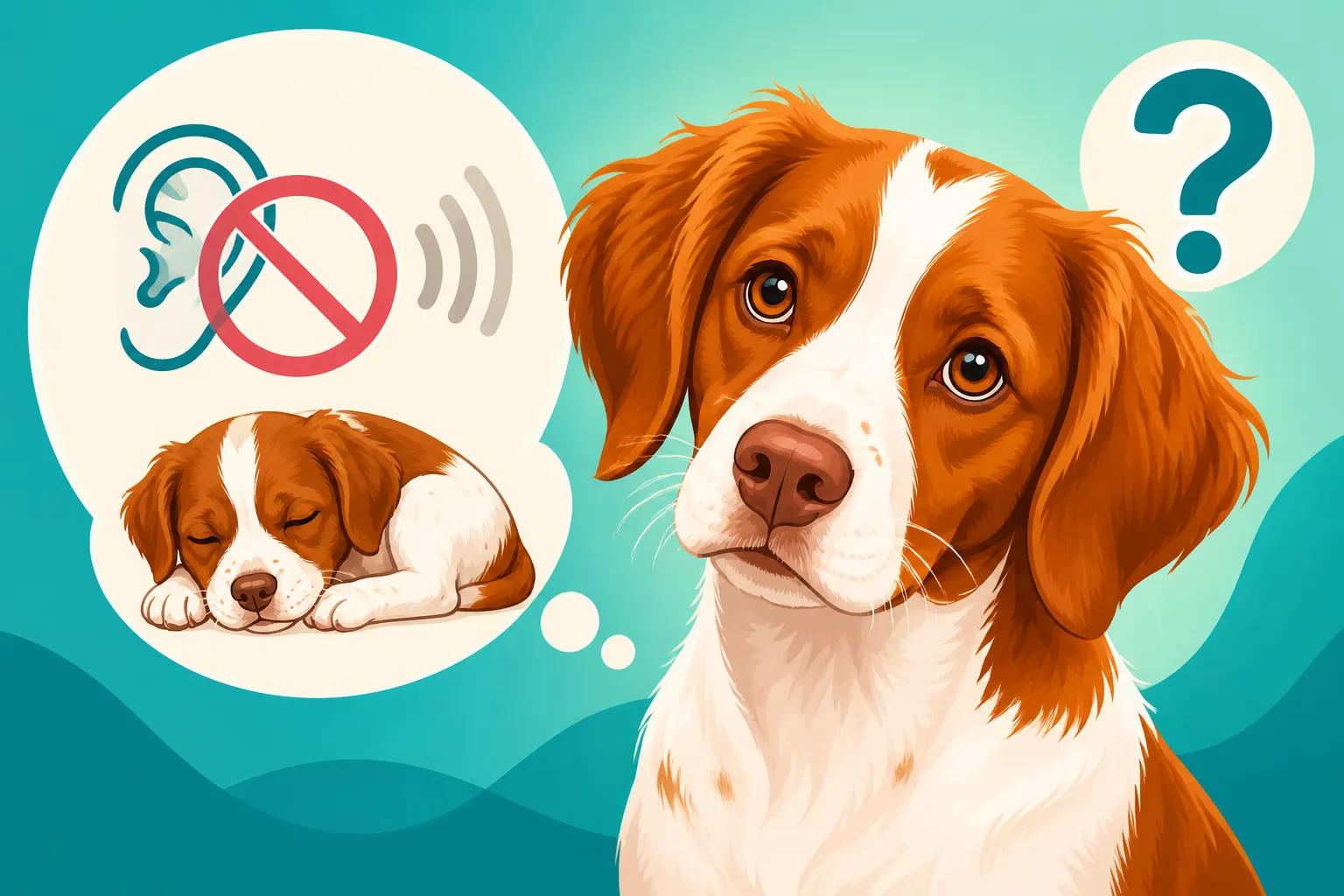
When we talk about a dog being born deaf, we're referring to congenital deafness. This isn't something that develops later in life due to injury or illness; it's a condition present from birth, or very shortly thereafter, where the structures responsible for hearing either didn't develop properly or degenerated early on. For many future Brittany owners, the thought of this is scary, as the breed is so well-known for its responsiveness and connection in the field. But understanding the 'why' behind it can really help in moving forward.
How Deafness Occurs in Puppies
Congenital deafness in puppies primarily stems from developmental issues within the inner ear, specifically the cochlea and its associated nerve pathways. This complex process begins even before a puppy is born. In many cases, it's linked to the degeneration of the stria vascularis, a critical tissue in the cochlea responsible for producing the endolymphatic potential, which is essential for converting sound vibrations into electrical signals the brain can interpret. If this structure doesn't develop correctly or dies off shortly after birth, the puppy simply cannot hear. It's not a matter of a blockage; it's a fundamental absence of function. This degeneration often happens in the first few weeks of life, sometimes after a puppy might have initially had some hearing capability, making it a difficult thing for breeders to spot immediately without specialized testing.
Different Types of Deafness
It's important to distinguish between the two main types of deafness that can affect a Brittany:
- Unilateral Deafness: This means the dog can hear out of only one ear. On the surface, a unilaterally deaf dog might appear to hear perfectly fine, responding to sounds and commands. However, their ability to localize sound – to tell where a sound is coming from – is severely compromised. Imagine trying to navigate the world with only one working ear; it's much harder to pinpoint direction. For a hunting dog like a Brittany, whose life revolves around using its senses, this can still be a significant challenge, even if they can get by in a home environment. Many owners might never even realize their dog is unilaterally deaf without a specific test.
- Bilateral Deafness: This is when a dog cannot hear out of either ear. These dogs are completely deaf and rely entirely on other senses, primarily sight, smell, and vibrations, to navigate their world. While it sounds more severe, bilateral deafness is often easier to identify, as the signs are usually more obvious. Living with a bilaterally deaf dog requires specific training and safety protocols, but these dogs can absolutely lead full, happy, and incredibly rewarding lives. The bond you form with a deaf Brittany can be uniquely strong, as they rely so much on visual cues and your presence.
The Genetic Factors Behind Deafness in Brittanys
The link between genetics, pigmentation, and deafness in many dog breeds is fascinating, if a little complex. It’s not just a random occurrence; there are specific genetic pathways at play, and understanding them is crucial for responsible breeding. For Brittany owners, knowing this information can help in making informed decisions about breeders and puppy selection.
Breeds Predisposed to Deafness
While deafness can technically occur in any breed, some breeds have a higher predisposition due to the specific genes they carry, particularly those related to coat color and pattern. Breeds like Dalmatians, English Setters, Bull Terriers, and Australian Shepherds are well-known for their higher rates of congenital deafness, often linked to the merle gene, piebald spotting gene, or extreme white markings. For a new Brittany owner, it's reassuring to know that Brittanys are generally not considered one of the breeds with the highest prevalence of congenital deafness compared to some of these other breeds. However, it can still occur, especially in certain color patterns. This is why vigilance and proper screening are still very important.
The Role of Pigmentation and Genes
The connection between certain coat colors and deafness is primarily due to a shared developmental pathway. The cells that create pigment (melanocytes) in the coat, skin, and iris of the eye actually originate from the same embryonic stem cells that develop into parts of the inner ear, particularly the stria vascularis we mentioned earlier. If there's a genetic mutation that disrupts the migration or survival of these melanocytes, it can simultaneously affect the development of the inner ear, leading to deafness.
In Brittanys, the classic orange and white, liver and white, or roan patterns are common. While generally healthy, extreme white markings, particularly on the head, are sometimes associated with an increased risk of deafness across many breeds, though less pronounced in Brittanys than in some other breeds. It’s not that the white color causes deafness directly, but rather the underlying genetic instruction that leads to extensive white areas can sometimes, as an unfortunate side effect, also lead to cochlear degeneration. This is why a breeder paying close attention to bloodlines and health testing is paramount.
Specific Brittany Genetics
When it comes to Brittanys, while they are widely considered one of the healthiest sporting breeds, they aren't entirely immune to genetic predispositions. Research and veterinary data indicate that while congenital deafness isn't as widespread in Brittanys as in some other popular breeds, it's still a condition that responsible breeders actively monitor. There isn't one single "deafness gene" identified specifically and predominantly in Brittanys in the same way, for instance, that the C3 Deficiency Is the Brittany's Own Genetic Disease has a clear genetic marker. Instead, it's often a more complex interplay, potentially influenced by polygenic inheritance or specific lines that might carry a higher risk for pigment-related deafness.
Some studies suggest that Brittanys with a high degree of white on their head, particularly across the ears, might have a slightly increased risk, similar to other breeds. However, it's important not to jump to conclusions based solely on appearance. The vast majority of orange and white or liver and white Brittanys with normal white markings will have perfect hearing. For breeders, understanding the ancestry of their breeding stock and any history of deafness in those lines is a critical step. This is part of the comprehensive health screening that good breeders undertake, going beyond just obvious physical traits to ensure the long-term health of the breed.
Recognizing Signs of Deafness in Brittany Puppies
One of the biggest anxieties for new puppy owners is figuring out if their little furball is developing normally. When it comes to hearing, the signs can be surprisingly subtle, especially in the busy, noisy environment of a litter of puppies. It takes a keen eye and a bit of patience to pick up on the cues that might suggest your Brittany puppy isn't hearing the world quite like its siblings.
Subtle Cues in Puppies
Puppies are masters of adaptation, and a deaf puppy might develop coping mechanisms that make its condition less obvious. For instance, a deaf puppy might appear to be "listening" by reacting to vibrations from footsteps on the floor or changes in light when someone walks into a room. You might notice the puppy is a deeper sleeper than its littermates, not stirring when there are loud noises, or it might startle easily if approached from behind without visual warning.
Another common subtle cue is how a puppy interacts with its littermates. While all puppies play rambunctiously, a deaf puppy might not respond to the yelps or growls of its siblings during play, leading to more intense or prolonged roughhousing. They might also rely more heavily on scent and sight during exploration. If you observe a puppy that consistently fails to orient its ears towards a sound, or doesn't react to claps, whistles, or the crinkle of a treat bag while its siblings do, it's definitely worth noting. These aren't definitive proofs of deafness, but they are certainly red flags.
Developmental Milestones and Hearing
Puppies are born blind and deaf, with their senses developing over the first few weeks of life. Their ear canals typically open around 2-3 weeks of age, and their hearing gradually improves over the following weeks. By about 4-5 weeks, most puppies can hear quite well and will start reacting to sounds.
If a Brittany puppy isn't reaching these auditory milestones, it's a cause for concern. For example, by five weeks, a puppy should generally startle at a loud clap nearby, or turn its head towards a gentle squeak. A deaf puppy might continue to sleep through these sounds, or react only to physical touch or vibrations. It's crucial not to separate a puppy from its litter too early, ideally not before 8 weeks, as observing their development alongside their siblings can provide invaluable insights into their sensory capabilities and social development. This period is also critical for things like Whether a Brittany Puppy Should Be Socialized Heavily, ensuring they learn appropriate interactions.
What to Watch For at Home
Once you bring your Brittany puppy home, you'll be its primary observer. Here’s a quick checklist of things to pay attention to:
- No Response to Sound: This is the most obvious. Does your puppy ignore your voice when you call its name from another room? Does it sleep through the vacuum cleaner, doorbells, or falling objects that would startle a hearing dog?
- Startle Response: Does your puppy startle easily if you approach it from behind, even gently? They won't hear you coming, so they might react defensively.
- Vibrations vs. Sound: Does your puppy react to footsteps on a hard floor but not to voices or claps from a carpeted area? This suggests they are picking up vibrations, not sound waves.
- Excessive Barking or Whining: Some deaf dogs might bark or whine more often or at a different pitch because they can't regulate their own vocalizations. This could be a good thing to observe alongside How Much a Brittany Barks in general.
- Reluctance to Play with Noisy Toys: While some deaf dogs love toys, they might prefer silent ones or toys that vibrate, rather than squeaky toys.
If you notice several of these signs, it's definitely time to consult your veterinarian for further evaluation. Early detection means you can adapt your training and care methods from the get-go, setting your Brittany up for success.
| Sign of Potential Deafness | When to Observe | How it Manifests |
|---|---|---|
| Lack of Startle Reflex | 3-5 weeks onward | Puppy doesn't react to loud claps, dropped items, or whistles while awake. |
| Deep Sleeper | Any age | Puppy sleeps through noises that would typically rouse others. |
| No Response to Name | 8-12 weeks onward | Doesn't turn head or orient ears when called, even with clear sightlines. |
| Relies on Vibrations | Any age | Reacts to footsteps or thumps on the floor, but not airborne sounds. |
| Overly Vocal/Quiet | 8-12 weeks onward | May bark excessively or in an unusual tone, or be unusually quiet. |
| Difficulty Locating Sound | 8-12 weeks onward | Turns head randomly or appears confused when a sound is made. (Unilateral deafness often appears this way.) |
| Startles When Touched | Any age | Jumps if approached or touched without prior visual warning. |
Testing for Deafness in Brittanys: The BAER Test
If you suspect your Brittany might be deaf, or if you're a responsible breeder, the gold standard for diagnosis is the BAER test. It's a non-invasive, reliable method that can precisely determine a dog's hearing status. Don't let the technical name scare you off; it's a straightforward procedure once you understand it.
What is a BAER Test?
BAER stands for Brainstem Auditory Evoked Response. It's a specialized neurological test that measures the electrical activity in the cochlea and auditory pathways in the brain in response to sound stimuli. Essentially, miniature electrodes are placed on the dog's head, and sounds (usually "clicks") are played into each ear via headphones or foam inserts. A computer then records the brain's electrical activity. If an ear is deaf, there will be no electrical activity recorded, indicating that sound signals aren't reaching the brain.
This test is highly accurate because it measures the physiological response of the ear and brain, not just the behavioral response of the dog. This means it can differentiate between a dog that can't hear and a dog that simply chooses not to respond (which, let's be honest, some intelligent Brittanys might occasionally do!). It can detect both unilateral and bilateral deafness, providing a clear picture of a dog's hearing ability in each ear independently.
When and Where to Get a BAER Test
The optimal time to conduct a BAER test on puppies is typically between 6 to 8 weeks of age. By this point, their ear canals are fully open, and their auditory system is mature enough for an accurate reading. Testing earlier might yield inconclusive results because the ears are still developing. Most responsible Brittany breeders will have their entire litter BAER tested before sending puppies to their new homes, especially if there's any history of deafness in the lines or if the puppies have extensive white markings.
BAER testing is usually performed by veterinary neurologists or specialized veterinary clinics with the necessary equipment. It's not a test your regular family vet typically performs, so you'll likely need a referral to a specialty center. You can often find certified BAER testing clinics through veterinary college hospitals or by contacting your national breed club, such as the American Brittany Club, which may maintain a list of qualified testers. While the test itself is quick, puppies are often mildly sedated to ensure they remain still, allowing for clear and accurate readings. This sedation is usually very light and wears off quickly.
Interpreting BAER Test Results
Interpreting BAER test results is quite clear-cut. For each ear, the results will typically show one of three outcomes:
- Normal Hearing: A clear waveform pattern is recorded, indicating that sound signals are effectively traveling from the ear to the brain.
- Unilateral Deafness: One ear produces a normal waveform, while the other produces a flat line, indicating no response. This means the dog is deaf in only one ear.
- Bilateral Deafness: Both ears produce flat lines, meaning no auditory response from either side. The dog is completely deaf.
The veterinarian or technician performing the test will explain the waveforms and what they mean for your Brittany. If your puppy is diagnosed with unilateral deafness, you'll learn strategies for living with a dog that has compromised directional hearing. If it's bilateral, you'll begin the journey of adapting your life and training methods to communicate effectively with a completely deaf companion. Knowing the results allows you to provide the best possible environment and training for your dog, rather than guessing or struggling with what might seem like a disobedient puppy. This level of insight is invaluable, much like understanding What a Brittany Spaniel Breeder Should Have Tested for other health issues.
Living with and Caring for a Deaf Brittany
Discovering your Brittany is deaf can feel overwhelming initially, but it's important to remember that deafness doesn't diminish their capacity for love, joy, or intelligence. Deaf Brittanys can lead incredibly full and happy lives, often forming an even deeper bond with their owners. It simply means adapting your approach to training and daily care.
Training a Deaf Brittany
Training a deaf Brittany primarily shifts from verbal cues to visual cues and hand signals. Brittanys are intelligent and eager to please, making them highly adaptable to this form of communication.
- Hand Signals: This is your new primary language. Start simple with basic commands like "sit," "stay," "come," and "down," associating clear hand gestures with the desired action. Be consistent with your signals. Many owners find it helpful to use American Sign Language (ASL) for dogs, as there are established signs that can be easily learned and remembered.
- Visual Cues: Beyond hand signals, utilize other visual cues. For recall, a quick flash of a flashlight (if it's dark enough) or a stomp on the ground to create vibrations can get their attention.
- Positive Reinforcement: This is crucial for any dog, but especially for a deaf one. Use treats, enthusiastic petting, and praise. A "good dog" can be communicated with a thumbs-up or a smile and a pat. Since they can't hear your voice, your physical enthusiasm becomes even more important.
- Vibration Collars: These collars, which deliver a gentle vibration (not a shock), can be incredibly useful for getting your deaf Brittany's attention from a distance, particularly for recall outdoors. This is different from an e-collar, and when used correctly and humanely, can be a lifesaver. Ensure it's introduced positively, always followed by a treat or a known hand signal.
- Puppy Classes and Socialization: Just like any other Brittany puppy, a deaf one needs ample socialization. Find a trainer familiar with deaf dogs or be prepared to educate your trainer. Visual cues are key in all interactions. A well-socialized deaf Brittany will be confident and less likely to be startled. This aligns with the importance of early interaction for all puppies, as explored in Whether a Brittany Puppy Should Be Socialized Heavily.
Safety Considerations for Deaf Dogs
Safety is paramount for a deaf Brittany, as they can't hear approaching dangers like cars, other animals, or even people.
- Leash Always: Off-leash privileges in unfenced areas are generally not recommended for bilaterally deaf dogs. Even a unilateral deaf dog might struggle to orient danger. A strong, reliable leash is your first line of defense.
- Secure Fencing: If your yard is fenced, ensure it's truly escape-proof. A deaf Brittany won't hear a gate open or someone call them back if they slip out.
- Visual Identification: Ensure your Brittany always wears identification tags that clearly state "DEAF DOG" and your contact information. This is vital if they ever get lost. Microchipping is also a must.
- Alerting Your Dog: Never approach a deaf dog from behind without a visual signal or gentle vibration (like stomping your foot a few feet away). They can be easily startled, which could lead to a reactive nip, even from the sweetest dog.
- Supervision: Always supervise your deaf Brittany, especially outdoors. They rely on your eyes and ears to navigate potential hazards they can't perceive.
Having a good pet insurance plan, such as one from Healthy Paws, can also provide peace of mind for any unexpected vet visits, whether related to deafness or not. While routine care for a deaf dog isn't usually more expensive, accidents can happen, and having coverage for emergencies is always a smart choice.
Enrichment and Communication
A deaf Brittany still needs plenty of mental and physical enrichment to thrive. Their keen sense of smell, sight, and touch can be excellent avenues for engagement.
- Scent Work and Puzzle Toys: These are fantastic for deaf dogs, engaging their powerful noses and problem-solving skills. Hide-and-seek with treats or KONG toys filled with goodies are great ways to keep them stimulated.
- Visual Games: Fetch, tug-of-war, and even agility training using hand signals can be incredibly rewarding. Many deaf dogs excel at agility because it relies heavily on visual communication.
- Touch and Body Language: Learn to communicate through touch. A gentle nudge, a pat on the shoulder, or a full body hug can convey affection and comfort. Be mindful of your own body language; deaf dogs are often extremely attuned to visual cues and your emotional state.
- Routine: Deaf dogs thrive on routine because it creates predictability in a world that can otherwise be confusing. Consistent mealtimes, walk schedules, and play sessions help them feel secure.
- Building a Strong Bond: The experience of caring for a deaf Brittany often creates an incredibly deep and special bond. Because they rely so heavily on you for communication and safety, you become their anchor in the world. This unique connection is one of the most rewarding aspects of living with a deaf dog.
Breeding Considerations for Brittanys and Deafness
For responsible Brittany breeders, understanding the genetics of deafness and taking proactive steps to minimize its occurrence is a critical ethical obligation. The goal is always to produce healthy, well-adjusted puppies, and that includes ensuring optimal hearing. This ties directly into broader discussions about breeding ethics, such as Whether Two Brittany C3 Carriers Should Be Bred, where genetic health takes precedence.
Ethical Breeding Practices
Ethical breeding dictates that breeders should strive to produce puppies free from known genetic health issues. For breeds where congenital deafness is a concern, this means careful selection of breeding stock.
- Health Testing: While there isn't a specific DNA test for deafness in Brittanys in the same way there might be for other conditions, BAER testing all breeding dogs is an ethical practice, especially if there’s any concern about a particular line or if a breeder has had a deaf puppy appear in a litter.
- Transparency: Reputable breeders are transparent about the health history of their dogs and their litters. They should be willing to discuss any instances of deafness in their lines or in the parent dogs' pedigrees. They should also provide BAER test results for all puppies. This aligns with the kinds of details you might learn when asking Which Questions to Ask a Brittany Breeder.
- Avoiding At-Risk Pairings: If a particular pairing has produced deaf puppies in the past, or if both parents come from lines with a higher incidence of deafness, ethical breeders will choose alternative pairings to reduce the risk.
- Focus on Overall Health: Deafness is just one aspect of a dog's health. Ethical breeders also focus on temperament, conformation, and genetic screening for other conditions common in Brittanys, such as hip and elbow dysplasia, thyroid issues, and eye diseases. This is why it's vital for breeders to consider What the CHIC Panel a Brittany Breeder Should Have Run.
Genetic Screening for Breeders
For breeders, genetic screening related to deafness primarily involves careful pedigree analysis and BAER testing.
- Pedigree Analysis: Reviewing the pedigrees of potential breeding dogs for any known cases of deafness is a foundational step. While congenital deafness might skip generations, its presence in ancestors should prompt extra caution and testing.
- BAER Testing All Breeding Stock: Even if dogs appear to hear normally, BAER testing can identify unilateral deafness that might otherwise go unnoticed. A unilaterally deaf dog carries the same genetic predisposition for deafness as a bilaterally deaf one and should ideally not be bred, as it could pass on the genes for complete deafness to its offspring. This comprehensive approach is part of the rigorous testing that goes into breeding sound Brittanys, covering more than just the basics of Whether a Brittany Breeder Screens for C3.
- Understanding Recessive Traits: Many forms of congenital deafness are thought to be inherited as recessive traits, meaning a dog can be a carrier without exhibiting deafness itself. If two carriers are bred, there's a statistical chance some puppies will be deaf. While specific carrier tests are not widely available for deafness in Brittanys, careful breeding practices and extensive health records can help mitigate risks.
Impact on the Breed Standard
The official breed standard for the Brittany (or Epagneul Breton in France) doesn't explicitly mention deafness, but it implicitly values overall health and soundness, which certainly includes functional hearing. A deaf dog, while capable of being a wonderful companion, would not meet the requirements for certain aspects of the breed standard related to responsiveness and performance in field trials or conformation.
- Field Performance: For a breed celebrated for its pointing and retrieving abilities, a deaf Brittany would be at a significant disadvantage in traditional hunting and field trials, where sound cues (whistles, gunshots, calls) are integral. The breed's ability to locate and point birds using keen hearing, along with scent and sight, is paramount.
- Conformation: While a deaf Brittany might physically embody many aspects of the breed standard, the inability to respond to judges' commands or handle the noisy environment of a dog show could impact their performance.
- Maintaining Breed Integrity: Responsible breeders aim to maintain the health and working integrity of the Brittany. By striving to reduce the incidence of congenital deafness through careful breeding, they contribute to the long-term health and reputation of The Brittany Is One of the Healthiest Sporting Breeds. This dedication helps ensure that future generations of Brittanys continue to excel as hunting companions and beloved family members. This comprehensive approach, including meticulous health testing and ethical decision-making, also influences critical aspects like How Long the Wait for a Brittany Litter Runs, as quality breeding takes time and careful planning.
Disclaimer
The information provided in this guide is for general informational purposes only and does not constitute veterinary advice. Always consult with a qualified veterinarian or veterinary specialist for any health concerns or before making any decisions about your Brittany's care, training, or breeding.