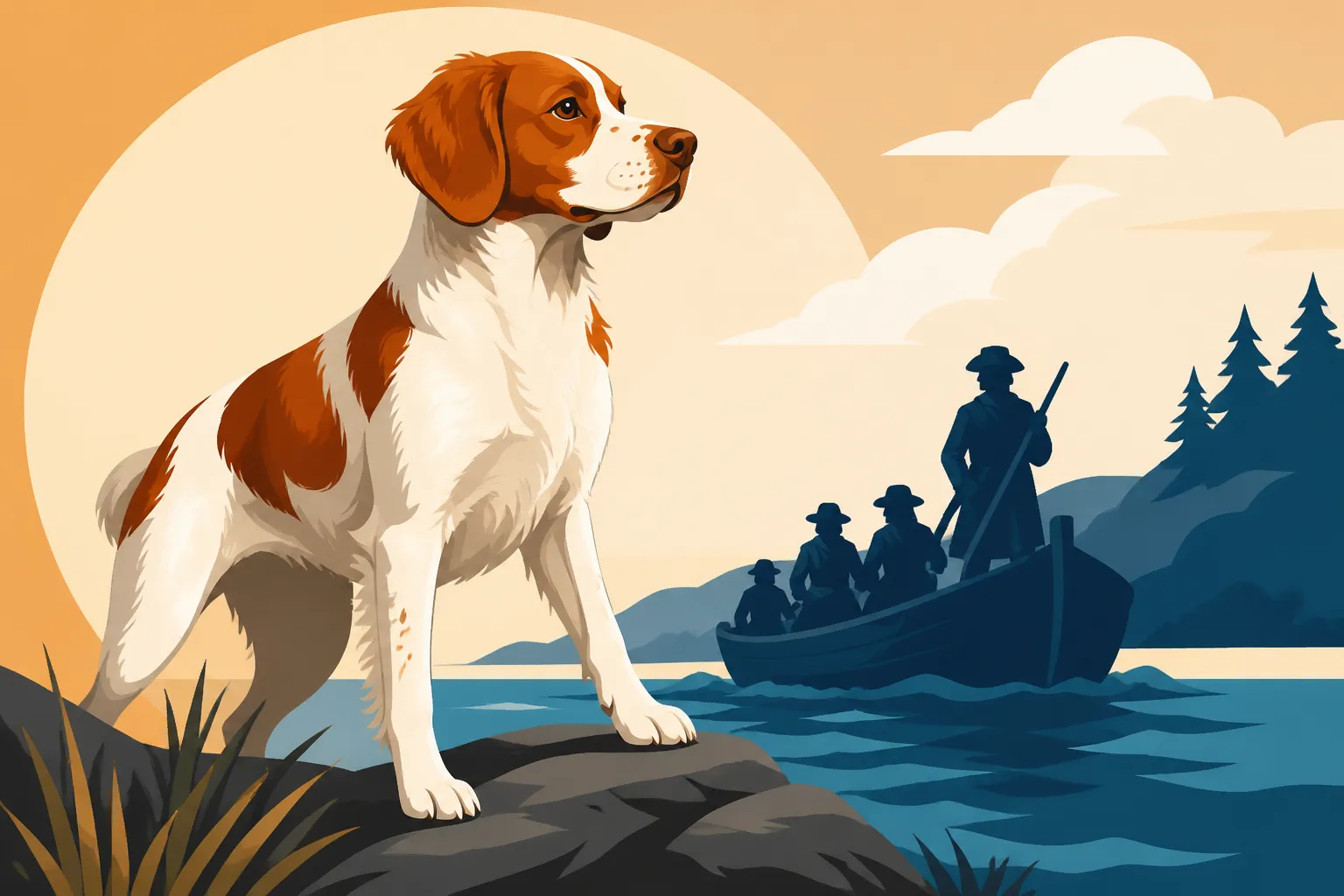
When the Brittany Reached America
It's easy to look at a sleek, eager Brittany bounding through a field today and imagine it's always been a fixture in the American sporting dog scene. But like all breeds, the Brittany had a specific journey to reach these shores and carve out its place. Many new owners or aspiring Brittany enthusiasts wonder about this history, and this guide will walk you through exactly when and how this remarkable dog found its way into American hearts and homes.
The First Footprints: When Brittanys Crossed the Atlantic
The story of the Brittany in America isn't a single, dramatic arrival, but rather a gradual introduction over several decades. Unlike some breeds imported with grand fanfare by wealthy enthusiasts, the Brittany's journey was often more organic, reflecting its working-class roots in France. It was a dog prized for its utility, and that utility made it valuable to people seeking practical bird dogs.
Early Introductions and Anecdotal Sightings
While definitive records are scarce for the very earliest arrivals, it's generally understood that Brittanys began appearing in North America in the early 20th century. Think about it: travel between Europe and America was becoming more common, and for sportsmen or immigrants from Brittany, bringing a prized hunting companion was a natural thing to do. These dogs wouldn't have been immediately recognized as a distinct breed in the diverse landscape of American gun dogs at the time. They were simply excellent, compact bird dogs.
These initial arrivals were likely scattered, often brought over by individuals who understood the breed's value in the field. They might have been kept privately, their abilities admired by local hunting circles without widespread recognition. There wasn't a coordinated effort initially; it was more about individual dogs making their way into new homes and demonstrating their innate talent. This kind of slow, word-of-mouth spread often characterizes the introduction of a truly effective working dog.
The Role of Returning Soldiers and Travelers
A significant push for the Brittany's introduction to America can be attributed to the period surrounding the World Wars. American soldiers stationed in France, particularly those who were sportsmen themselves, would have encountered the Epagneul Breton – the breed's original name. Witnessing their incredible prowess in hunting game birds firsthand, it's not hard to imagine why many would want to bring these dogs home. They saw a dog that hunted differently, perhaps even better, for their style of hunting.
These soldiers, often returning with a deep appreciation for the breed's intelligence and bird sense, brought individual dogs back with them. This influx helped to seed the breed across various regions of the United States, far more effectively than isolated private imports. They acted as accidental ambassadors for the breed, sharing their stories and demonstrating the Brittany's capabilities to a wider audience of American hunters. This personal connection forged in wartime likely cemented the Brittany's reputation as a top-tier hunting partner.
Establishing the Breed's Identity in a New Land
Once these dogs started to multiply and their excellent hunting traits became more widely known, the need for formal identification and organization grew. American hunters, already familiar with English setters and pointers, began to recognize the distinct advantages of this French import. They were smaller, highly biddable, and possessed an intense bird drive. This growing recognition spurred discussions among enthusiasts about establishing a formal presence for the breed.
This period was crucial for the Brittany to move beyond being just "that good French bird dog" to becoming a recognized breed with a future in American sporting dog culture. It laid the groundwork for the more organized efforts that would follow, leading to the formation of a dedicated breed club. Enthusiasts started to seek out more Brittanys, leading to further imports and a nascent breeding population that would eventually form the foundation of the American Brittany. You can learn more about its origins in The Brittany Comes From the Northwest Corner of France.
Formal Recognition: The American Brittany Club and AKC
The scattered individual introductions eventually gave way to a more structured approach as dedicated fanciers saw the potential of the Brittany in America. This collective effort was essential for the breed to gain official standing and expand its presence beyond regional pockets.
Founding the American Brittany Club
The growing number of Brittanys and their undeniable success in the field led to the formal organization of breed enthusiasts. The American Brittany Club (ABC) was officially founded in 1942. This was a pivotal moment, as it provided a unified voice and a structured approach to promote, preserve, and protect the breed in the United States. Such a club was vital for developing a breed standard that suited American hunting conditions and for coordinating breeding efforts to maintain quality.
The founders of the ABC were passionate individuals who recognized the unique qualities of the Brittany and wanted to ensure its long-term success. They understood that without a dedicated club, the breed's development could become fragmented. The club immediately set about establishing guidelines for breeding, health, and conformation, paving the way for eventual recognition by larger kennel organizations. This formal structure allowed for better record-keeping and a more cohesive strategy for the breed's future. For more on this, check out When the American Brittany Club Was Founded.
The Journey to AKC Recognition
With the American Brittany Club established, the next logical step was to achieve recognition from the American Kennel Club (AKC). AKC recognition is crucial for a breed to participate in sanctioned events like conformation shows and field trials, which in turn boosts its visibility and popularity. The ABC worked diligently to meet the AKC's stringent requirements, which include having a sufficient population of dogs with documented pedigrees, an established breed standard, and a functioning parent club.
The Brittany officially gained AKC recognition in 1934. Yes, the club was founded in 1942, but the breed itself, under its original name, was recognized earlier. This timing highlights a common pattern where a breed gains initial recognition, and then a dedicated club forms or solidifies its presence to steward its future. Once recognized, the Brittany was able to compete against other established sporting breeds, further solidifying its reputation and bringing it to the attention of a broader audience of dog enthusiasts. This was a huge step for the breed, making it a legitimate player in the American dog world. If you're curious about the specifics, see When the AKC Recognized the Brittany.
Setting the American Standard
Part of the journey to AKC recognition involved the American Brittany Club establishing its own breed standard, which, while based on the original French standard, began to reflect the preferences and hunting styles prevalent in America. This meant subtle differences in emphasis, perhaps on range, speed, or certain physical traits that were deemed advantageous for American hunting environments. This gradual adaptation laid the groundwork for the eventual divergence between the American Brittany and the French Epagneul Breton.
This process of standardization is never static; it evolves as the breed itself adapts to its environment and purpose. The early American Brittany fanciers were keenly aware of What the Brittany Was Bred to Hunt, and they wanted to ensure that the American version of the breed retained and even enhanced those critical working abilities for the varied terrain and game birds found across the United States. This commitment to maintaining working ability would become a defining characteristic of the American Brittany, influencing its development for decades to come.
The Brittany's Rise: Popularity and Adaptation
Once formally recognized and with a strong parent club, the Brittany truly began to flourish in America. Its inherent traits made it highly suitable for the American sporting dog scene, leading to a steady increase in popularity, particularly among foot hunters.
How the Brittany Gained Favor Among Hunters
The Brittany's appeal to American hunters was multifaceted. First and foremost, its intense bird drive, keen nose, and natural pointing ability were undeniable. Unlike some larger, wider-ranging pointers, the Brittany was perfectly suited for the foot hunter who appreciated a close-working dog that didn't require a horse to follow. Its smaller size and biddable nature also made it a more manageable companion in the home.
Secondly, its versatility was a major selling point. The Brittany was not just a pointer; many individuals also naturally retrieved, making them a true "all-around" gun dog. This was highly attractive to hunters who wanted a single dog to handle multiple tasks in the field, from finding and pointing game to retrieving downed birds. This combination of traits meant the Brittany quickly carved out a niche for itself, differentiating it from other established breeds.
The Development of the American Brittany Type
Over time, distinct characteristics began to emerge in the American-bred Brittanys, differentiating them from their French counterparts. While still undeniably Brittanys, the emphasis in American breeding programs often leaned towards a slightly larger, leggier dog with a wider range in the field, suited for covering more ground in vast American landscapes. This was a subtle but significant shift, driven by the hunting preferences and terrain of North America.
This divergence means that if you look at How a French Brittany Differs From an American One today, you'll see these distinct preferences reflected in their physical appearance and working style. While both are exceptional bird dogs, the American Brittany has been shaped by its adoptive home to excel in a particular way. Breeders consciously or unconsciously selected for traits that enhanced performance in American field trials and hunting scenarios, leading to a unique interpretation of the breed.
The "Spaniel" Debate and Name Change
Perhaps one of the most interesting adaptations in America was the eventual dropping of "Spaniel" from the breed's official name. Originally known as the "Brittany Spaniel," its pointing style of hunting was more akin to setters and pointers than to flushing spaniels. This caused confusion and, for many fanciers, a misrepresentation of the breed's primary function. The breed truly points, holding game steadfastly rather than flushing it out.
The American Brittany Club championed the cause to update the name to simply "Brittany," which the AKC officially adopted in 1982. This change was a reflection of the breed's true nature as a pointing dog and helped to clarify its role in the sporting group. It also symbolized the breed's full integration and unique identity within the American dog world. You can dive deeper into this fascinating change in Why the AKC Dropped Spaniel From the Brittany's Name in 1982 and consider Whether the Brittany Is a Spaniel at All.
Breeding for the American Landscape: Field vs. Show
The Brittany's deep roots in hunting meant that its development in America was heavily influenced by the needs of sportsmen. This dedication to performance led to distinct breeding philosophies and, ultimately, a breed that holds an impressive record in versatile capabilities.
The Influence of American Hunting Styles
American hunting traditions and the expansive landscapes of the continent naturally shaped the Brittany. Unlike the often denser cover and walking hunts common in parts of Europe, American hunting frequently involved covering larger tracts of land, sometimes on horseback, and often targeting faster, wider-ranging game birds. This demand naturally favored Brittanys that could adapt to these conditions.
Breeders began selecting for dogs with more endurance, a greater natural range, and an independent hunting style that could still be controlled. The goal was to produce a dog that could efficiently quarter fields, locate birds, and hold a solid point, all while remaining within the hunter's practical control. This meant emphasizing certain physical and mental traits that enhanced performance in these specific scenarios, further solidifying the 'American' type.
The Divergence of Bloodlines
As the breed matured in America, a natural divergence began to occur within breeding programs. While many breeders strived for a dog that could excel both in the show ring and the field, some lines began to emphasize one aspect over the other. Field-bred Brittanys were often selected purely for their hunting prowess, focusing on bird sense, stamina, and trainability above all else. Show-bred Brittanys, while still retaining their hunting instincts, might have placed a greater emphasis on conformation to the written standard for appearance.
However, the Brittany remains unique in its ability to produce dogs that can achieve greatness in both arenas. It's truly The Brittany Is the Smallest of the Versatile Pointing Breeds, a fact borne out by its extraordinary number of Dual Champions – dogs that have earned titles in both conformation and field events. This speaks volumes about the breed's inherent balance and the dedication of breeders to preserve its versatile nature. This ability to perform in both spheres is something that continues to draw many enthusiasts to the breed.
The Enduring Appeal of the Versatile Brittany
Despite the subtle distinctions between different bloodlines, the core appeal of the Brittany in America has always been its versatility. It's a dog that can spend a chilly Saturday morning ranging through a stubble field, finding and pointing pheasants, and then curl up by the fireplace with the family that evening. This dual nature—an intense hunter in the field and a gentle companion at home—has ensured its continued popularity.
This versatility also means that when you are looking for a Brittany, you often have choices about what kind of working style you prefer. Whether you're a walking hunter in dense cover or someone who covers wider ground, there's likely a Brittany line that will suit your needs. The adaptability of the breed has allowed it to maintain its strong presence in the American sporting world. For owners considering whether to hunt or show, resources like Chewy offer a wide range of gear for both active field work and comfortable home life, from rugged dog beds to training dummies.
Beyond the Field: Brittanys as Companions
While the Brittany’s roots are firmly in the hunting field, its wonderful temperament quickly made it clear that this breed was destined for more than just working roles in America. Their innate biddability and affectionate nature made them ideal family dogs, even for those not actively engaged in hunting.
Integrating into American Family Life
American families quickly discovered that the Brittany’s qualities extended far beyond its hunting prowess. Their intelligent, eager-to-please nature, combined with a generally cheerful disposition, made them excellent house companions. They adapted well to family routines, enjoying playtime with children and quiet evenings with adults. This seamless integration into the home was a significant factor in their rising popularity, even for non-hunting households.
The Brittany is often described as a "people dog," thriving on companionship and interaction. This isn't a breed content to be relegated to a kennel; they want to be part of the family action. This desire for connection, coupled with their manageable size, made them a desirable addition to many suburban and rural homes. Families found them to be highly trainable and responsive, whether learning basic obedience or more complex tasks. It's truly The Brittany Is the Pointing Breed You Can Live With.
Why Temperament Contributed to Popularity
The Brittany's temperament is a huge part of why it has such an enduring appeal in America. They are known for being affectionate without being overly demanding, energetic outdoors but generally calm indoors after sufficient exercise. This balance is often what families seek in a dog – a lively companion for adventures, but one that can settle down and be a respectful member of the household.
Their gentle nature also made them great with children and often amenable to other pets, provided they were properly socialized from a young age. This harmonious disposition broadened their appeal significantly beyond the hunting community, allowing them to establish a strong foothold as beloved family pets. Owners could find all the supplies they needed for their newest family member, from food to toys, at retailers like Chewy, making the transition easier. This adaptability helped answer the question of Whether the Brittany Was Ever a Popular Pet Breed.
Looking Ahead: The Brittany's Place in Modern America
Today, the Brittany remains a cherished breed in America, holding a consistent position in AKC registrations. While many are still actively hunted and excel in field trials, a significant number of Brittanys are also cherished family companions, hiking buddies, and agility stars. Their versatility and excellent temperament have ensured their longevity and continued relevance in a changing world.
The breed's journey from the fields of Brittany, France, to the heartland of America is a testament to its intrinsic qualities. It’s a story of a working dog whose abilities were recognized, cultivated, and adapted to a new environment, resulting in a beloved companion and an exceptional hunting partner. The Brittany's story in America is still being written, with each new puppy carrying on the legacy of this remarkable breed. You can see Where the Brittany Sits in America Today for its current standing.
Financial Considerations: The Cost of Bringing a Brittany Home
While the allure of the Brittany's history and temperament is strong, understanding the financial commitment involved in bringing one into your life is crucial. The breed's journey to America and its subsequent popularity have impacted its accessibility and cost.
Initial Purchase and Adoption Costs
When considering adding a Brittany to your family, the initial cost can vary significantly. A well-bred Brittany puppy from a reputable breeder, one who performs all the necessary health screenings and comes from proven hunting or show lines, will represent a substantial investment. These breeders are ensuring the health and temperament of their puppies, which often reflects in the price. The cost often reflects the breeder's dedication to the health and genetic soundness of their lines, including checks for issues like hip and elbow dysplasia, eye certifications, and genetic testing for conditions specific to the breed.
Alternatively, adopting a Brittany from a rescue organization can be a more budget-friendly option for the initial acquisition, though it might come with its own set of considerations regarding the dog's history and health needs. Rescue organizations often cover initial vet care, spaying/neutering, and vaccinations, which can be a significant saving. Both avenues offer a path to owning a Brittany, but it's important to research and understand what each entails. You can learn more about this in What a Brittany Puppy Costs From a Breeder.
Ongoing Expenses and Lifetime Care
Beyond the initial purchase, owning a Brittany, or any dog for that matter, comes with ongoing expenses. Food is a primary concern, especially for an active sporting breed like the Brittany. They require a high-quality diet to fuel their energy levels, and you'll find a wide selection of suitable performance foods at places like Chewy. Regular veterinary care, including annual check-ups, vaccinations, and parasite prevention, is also a necessity to keep your Brittany healthy.
Then there are the potential costs associated with their active lifestyle, especially if you plan to hunt with your dog. Gear like e-collars, specialized vests, first-aid kits for the field, and even training birds can add up. Furthermore, unexpected veterinary emergencies, while hopefully rare, are always a possibility. Understanding Whether a Brittany Is Expensive to Own requires a holistic view of not just the purchase price, but the lifetime commitment. Planning for these costs is a responsible step for any prospective owner.
| Cost Category | Initial (Puppy/Rescue) | Annual (Estimate) | Lifetime (12-14 years) |
|---|---|---|---|
| Purchase/Adoption | Varies widely | N/A | N/A |
| Food & Treats | Starter bag included | Varies by brand | Significant |
| Vet Care (Routine) | First shots included | Varies by region | Ongoing |
| Vaccinations | Included in puppy price | Regular booster | Recurring |
| Preventatives | Initial dose | Monthly/Quarterly | Continuous |
| Training Gear | Basic leash/collar | Replacements | As needed |
| Beds & Toys | Basic | Replacements | Ongoing |
| Grooming Supplies | Brush/Shampoo | Replacements | Ongoing |
| Insurance | Optional | Monthly/Annually | As chosen |
| Unexpected Vet Bills | N/A | Variable | Potentially High |
This table provides a general overview, but it's crucial to research current costs in your specific area.
Disclaimer
This article is for general informational purposes only and does not constitute professional advice. Laws, prices and regulations vary by location and change over time. Consult a qualified professional for guidance on your specific situation.