When the Brittany Standard Was Written in France
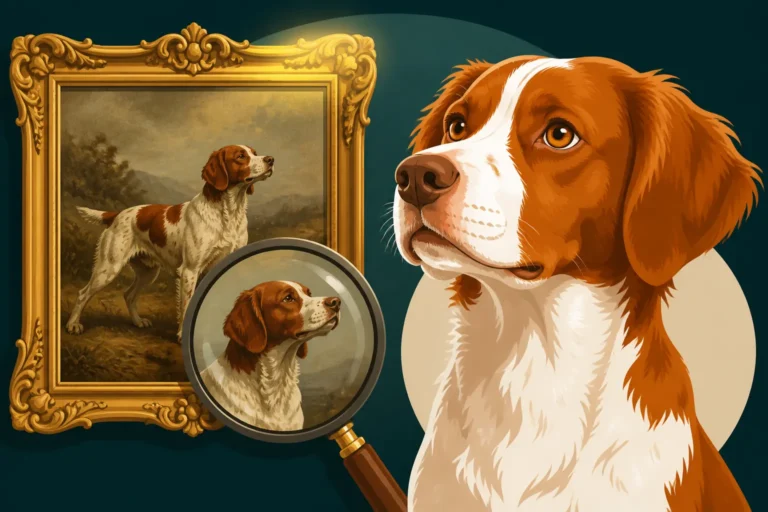
It can feel a bit abstract to talk about "breed standards" when all you want is a happy, healthy hunting companion. But understanding the historical bedrock of your Brittany, especially its foundational breed standard, helps us appreciate why they look and act the way they do. This guide dives deep into the fascinating origins of the Brittany's written standard in its native France, revealing how a group of dedicated enthusiasts formalized the traits that define this incredible bird dog today, and how that legacy still shapes the breed you know and love.
The Early Days: Before a Written Standard
Before the official ink ever dried on a breed standard, the Brittany existed as a cherished, functional dog in the rural landscape of France. These were not dogs bred for ribbons or show rings, but for their ability to put food on the table and provide companionship in demanding environments. Their development was organic, shaped by the practical needs of their owners rather than rigid aesthetic rules.
Unwritten Traditions and Local Variations
Imagine the farming communities and small villages of Brittany, the northwestern region of France from which our beloved breed hails. Here, dogs were selected and bred based on word-of-mouth, personal experience, and, most importantly, performance. If a dog was a superb pointer, tireless in the field, and brought birds home reliably, its lineage was prized. There wasn't a universal definition of what a "Brittany" should look like, but rather a collection of local "types" that shared certain characteristics because they excelled at a similar job. Each farmer or hunter might have had their own ideal, passed down through generations, making the breed's origins a rich tapestry of localized selection. For more on their origins, you can read Which Part of France the Brittany Comes From.
The shape of their ears, the length of their coat, or even their precise markings might have varied quite a bit from one valley to the next, as long as they performed their duties with distinction. This fluid, functional approach meant that the breed was incredibly adaptable, retaining the core instincts that made them exceptional hunting partners, without being constrained by an arbitrary "look" that might hinder their abilities. It’s truly a testament to the working dog ethos that drove their early development.
The Brittany's Purpose Before Formal Recognition
In those early days, the Brittany's existence was inextricably linked to the hunt. These were not pampered pets; they were essential members of the family, earning their keep by assisting with hunting small game and upland birds. Often, they were the dog of the common person, even a poacher's accomplice, agile and quiet enough to work unnoticed. They needed to be swift, have an incredible nose, and possess a natural instinct to point and retrieve. Their size, which is notably smaller than many other pointing breeds, was a huge advantage in thick cover and for hunters on foot.
Consider the needs of a hunter working on foot, without the benefit of horses or large estates. A dog that could work close, cover ground efficiently, and return birds reliably was invaluable. This natural aptitude for hunting, combined with a biddable and loyal temperament, solidified the Brittany's place in the hearts and homes of the French countryside. This practical utility is the very foundation of the breed, a constant thread that runs through its history and continues to define it today. If you're curious about what specific game they sought, check out What the Brittany Was Bred to Hunt.
The Birth of the Breed Standard in France
As the 19th century drew to a close and the 20th century began, a new movement was taking hold in the dog world: the formalization of breeds. Enthusiasts began to recognize the value in defining and preserving distinct types of dogs, not just for their working ability but also for their consistent appearance and lineage. This shift from purely utilitarian breeding to a more organized, "purebred" approach paved the way for the Brittany's official recognition.
The Push for Formalization
The late 1800s and early 1900s saw a burgeoning interest in dog shows and kennel clubs across Europe. This era marked a desire to document, categorize, and standardize dog breeds, moving away from purely regional types. For many, it was about national pride and preserving unique canine heritage. For the Brittany, this meant a concerted effort by fanciers to establish a clear identity for their beloved regional pointer. They saw the value in codifying the traits that made the Brittany so special, ensuring that future generations would exhibit the same excellence in the field and the same distinctive appearance. This formalization was seen as a way to protect the breed from dilution and ensure its continued development.
It wasn't just about showing off; it was about protecting the working heritage. A standardized description allowed breeders to make informed choices, aiming for consistency in both form and function. Without a written standard, desirable traits could easily be lost, or the breed could slowly drift, losing the very characteristics that made it unique and effective. This forward-thinking approach laid the groundwork for the Brittany we know today, a dog admired for both its beauty and its unparalleled hunting prowess.
The First Official Document: Dates and Details
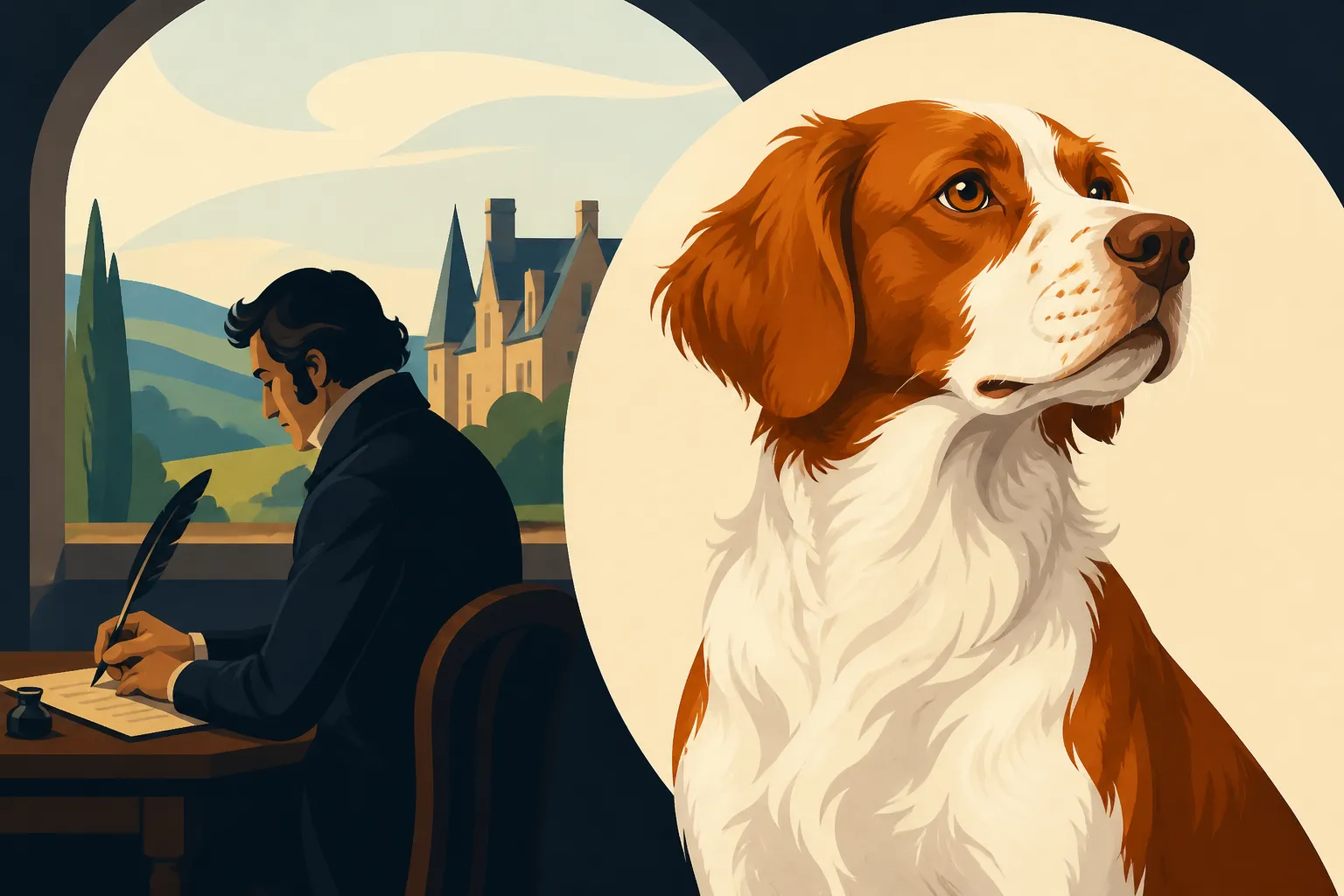
The pivotal moment for the Brittany breed arrived in 1907. This was the year that the first breed club, the Club de l'Epagneul Breton à queue courte naturelle (Club of the Brittany Spaniel with a natural bobtail), was founded in Loudéac, France. With the establishment of this club came the very first official breed standard. It's truly a landmark date for anyone who loves these dogs, as it marked the official birth of the Brittany as a recognized, standardized breed. For more on this crucial development, see When the French Brittany Club Was Founded.
This initial standard, approved in 1907, was relatively brief but incredibly significant. It laid out the fundamental physical characteristics and temperament traits that defined the breed. It focused on the "Epagneul Breton" – the French name for the Brittany – emphasizing its role as a pointing dog. This document was the foundation upon which all future understanding and development of the breed would be built, a testament to the vision of those early enthusiasts. It gave breeders a blueprint to follow and judges a guide for evaluation, ensuring the breed's integrity for years to come.
The Role of Early Enthusiasts and Clubs
The creation of the first Brittany standard wasn't a top-down decree; it was the passionate work of dedicated individuals. These were hunters, farmers, and dog lovers who recognized the unique qualities of the Brittany and sought to safeguard them. Key figures like Arthur Enaud and Albert Courtois were instrumental in gathering support, discussing ideals, and drafting the initial language that would become the standard. They understood that mere informal breeding wasn't enough to secure the breed's future; a collective effort and a shared vision were necessary.
These early clubs served as critical forums for discussion, debate, and the promotion of the breed. They organized field trials and conformation shows, which, in turn, reinforced the need for a consistent standard. By actively participating in these events, members could see which dogs embodied the ideal and learn how to improve their own breeding programs. Without the tireless efforts of these pioneers, the Brittany might have remained a regional hunting dog, its distinct characteristics fading into obscurity. Their commitment ensured the breed's enduring legacy.
Key Elements of the Original French Standard
When the first standard for the Epagneul Breton was penned, it wasn't just a list of physical traits. It was a comprehensive description designed to encapsulate both the appearance and the spirit of the ideal Brittany. Every element served a purpose, aiming to produce a dog that was as effective in the field as it was pleasing to the eye.
Defining the Physical Ideal
The original French standard outlined a dog of medium size, sturdy yet elegant, built for endurance and agility in the field. It described a proportionate head, with a gentle but expressive eye, reflecting the breed's intelligent and tractable nature. The ears, set high and relatively short, were noted for how they framed the face without being overly heavy, preventing them from getting snagged in dense cover. The body was to be compact, with a strong back and well-sprung ribs, indicative of a powerful engine capable of long days hunting.
Of particular importance was the gait – the standard called for a quick, energetic, and light trot, covering ground with purpose. It wasn't about flashy movements but efficient ones, allowing the dog to range widely and tirelessly. The coat was also specified: fine but not silky, often dense, and slightly wavy, providing protection from the elements without being cumbersome. These details, meticulously documented, painted a vivid picture of the physical type these early enthusiasts strove to achieve, a type that still rings true today. For a quick comparison, you might find The Brittany Is the Smallest of the Versatile Pointing Breeds interesting. It’s significantly smaller than, say, How Much Smaller a Brittany Is Than a Setter.
Emphasizing Temperament and Working Ability
Beyond mere looks, the core of the Brittany's original standard was its temperament and innate working ability. It explicitly highlighted the breed's intelligence, biddability, and eagerness to please. A Brittany was to be enthusiastic but not unruly, possessing a strong hunting instinct combined with an amenable disposition. The standard emphasized its natural pointing ability, keen nose, and stamina – traits that were absolutely non-negotiable for a successful gun dog. Breeders were not just producing pretty faces; they were cultivating partners for the hunt.
The concept of a "soft mouth" for retrieving was also critical, ensuring birds were brought back undamaged. This focus on performance in the field meant that physical characteristics, while important, always had to align with functional requirements. A dog might be beautiful, but if it couldn't hunt, it didn't truly meet the spirit of the standard. This duality of form and function is a hallmark of the Brittany and something deeply ingrained from its very first definition. If you've ever wondered about their nature, What a Brittany's Temperament Is Really Like explores this further.
Initial Color and Tail Considerations
The original French standard was quite specific regarding coat colors, primarily recognizing orange and white, or liver and white. Roan patterns (a fine mingling of colored and white hairs) were also accepted. While other colors might have existed regionally, these were the ones deemed characteristic of the developing breed. This defined palette helped create a recognizable "look" that could be consistently identified and bred for. Check out Which Colors a Brittany Comes In for more details.
Perhaps one of the most distinctive features addressed in the early standard was the tail. The "queue courte naturelle" – the natural bobtail – was specifically mentioned and highly valued. While some Brittanys are born with full tails, many are born with naturally short tails, or no tail at all, due to a genetic trait. The standard embraced this natural bobtail, making it a desired characteristic. This wasn't just an aesthetic preference; a shorter tail meant less risk of injury in dense brush during a hunt. The fascinating aspect of this trait is further explored in How Many Brittanys Are Born Tailless. This emphasis on a naturally occurring bobtail set the Brittany apart and remains a strong identifier for the breed.
Evolution and International Recognition
Breed standards are living documents, evolving over time as breeds develop, geographic populations diverge, and new scientific understanding emerges. The Brittany's standard, while foundational, has undergone its own journey of refinements and, significantly, has seen the emergence of distinct interpretations across the Atlantic.
Revisions and Updates to the French Standard
Since its initial drafting in 1907, the French standard for the Epagneul Breton has seen several revisions. These updates typically occur to clarify descriptions, incorporate new insights into genetics or health, or to address subtle shifts in the breed's characteristics over decades of breeding. For instance, the original standard was primarily concerned with functionality, but later revisions might have refined aesthetic details or more explicitly addressed gait or muscle structure. These changes are always made with the aim of preserving the breed's essence while ensuring its continued health and vitality.
The process of revision usually involves breed club members, judges, and experienced breeders who meticulously review the standard, proposing amendments that are then debated and voted upon. It’s a democratic process, albeit one steeped in tradition and a deep understanding of the breed's history and purpose. These revisions ensure that the standard remains a relevant and accurate blueprint for the ideal Brittany, guiding generations of breeders and preserving its heritage in France.
The American Standard's Divergence
One of the most significant evolutions in the Brittany's standard occurred with its journey to North America. When the breed arrived in the United States, breeders and enthusiasts began to develop their own interpretation of the dog, influenced by different hunting styles and preferences. This eventually led to the American Kennel Club (AKC) adopting its own standard, which, while similar in many respects, began to diverge from the French original. The most notable difference often cited is the preferred range in the field, with American Brittanys historically bred to cover more ground for hunters using vehicles or horses, while French Brittanys typically work closer for foot hunters.
This divergence created what are essentially two distinct "types" or interpretations of the same breed: the American Brittany and the French Brittany (often still referred to as Epagneul Breton). While both are incredible hunting dogs with similar core traits, subtle differences in build, head shape, and hunting style emerged due to these different standards and breeding goals. It's a common point of discussion among enthusiasts, and How a French Brittany Differs From an American One offers a deeper dive into these distinctions. Even though Chewy might offer products suitable for both, understanding these differences helps owners pick the right food, like a high-performance formula for a wide-ranging American Brittany, or a more moderate one for a closer-working French type.
Global Acceptance and Consistency
Despite the divergence between the French and American standards, the Brittany has achieved widespread international recognition. Most kennel clubs around the world base their standards on either the French or, less commonly, the American model, or a combination thereof. The Fédération Cynologique Internationale (FCI), the largest international canine organization, recognizes the Epagneul Breton, and its standard is heavily influenced by the French original. This global acceptance has helped to maintain a level of consistency for the breed worldwide, even with regional variations.
Judges at international shows and trials often refer back to the core principles established by the original French standard, appreciating the balance of form and function that defined the breed from its inception. This consistent global framework helps ensure that while there might be subtle stylistic differences, the fundamental characteristics that make a Brittany a Brittany – its bird sense, biddability, and distinctive appearance – are preserved across continents. Understanding the breed's classification in international bodies can be found in What FCI Group the Epagneul Breton Sits In.
| Standard Version | Year Adopted | Key Emphasis | Notable Features |
|---|---|---|---|
| First French | 1907 | Functionality, hunting prowess | Natural bobtail, orange/white or liver/white, medium size, biddable temperament |
| Revised French | Later dates | Clarifications, subtle refinements | Maintained core values, adjusted aesthetic details based on breed evolution |
| American (AKC) | Early 1930s | Hunting style, emphasis on wider range | Similar in core, but developed distinct preferences for field performance |
| FCI Standard | (Based on French) | International recognition, consistency across nations | Largely aligns with modern French standard, promoting a unified breed image |
The Impact of the Standard on the Breed's Future
The existence of a formal breed standard has had an immeasurable impact on the Brittany, guiding its development, protecting its heritage, and ensuring its longevity as one of the world's premier pointing breeds. It's not just a historical document; it's a living guide that continues to shape every Brittany puppy born today.
Preserving Breed Characteristics
The most profound impact of the standard is its role as a living blueprint for the breed. It ensures that desirable traits, both physical and temperamental, are preserved and propagated. Without such a guide, breeders might unconsciously select for traits that deviate from the breed's original purpose or appearance, leading to a loss of identity. The standard acts as a quality control mechanism, a constant reminder of what a Brittany should be, from its keen expression to its tireless drive in the field. This commitment to preserving the breed's essence is why Brittanys remain so recognizable and so consistent in their abilities across generations.
When breeders adhere to the standard, they are not just creating dogs that conform to a certain look; they are ensuring the perpetuation of the very characteristics that make the Brittany unique. This includes their incredible bird sense, their stamina, and their wonderfully affectionate nature. It's this continuous effort to breed to a well-defined standard that allows the Brittany to maintain its status as an exceptional all-around gun dog and a beloved family companion. This dedication is crucial for keeping their working instincts strong, as discussed in Why the Brittany Keeps Its Working Ability.
Guiding Breeders and Judges
For breeders, the standard is an invaluable tool. It provides a clear set of goals for their breeding programs, helping them make informed decisions about which dogs to pair and which traits to prioritize. It offers guidance on structure, movement, temperament, and health, all aimed at producing the best possible examples of the breed. Reputable breeders, often found through the American Brittany Club or Club de l'Epagneul Breton, consult the standard religiously, ensuring their lines maintain the integrity of the breed. They also undertake significant health testing, which complements the standard's goals of producing sound dogs. What a Brittany Spaniel Breeder Should Have Tested provides excellent insight into this.
For judges in conformation shows, the standard is the ultimate authority. It provides the criteria against which every dog is evaluated, ensuring fairness and consistency across competitions. A judge's role is to assess how closely each dog embodies the ideal described in the standard, rewarding those that best represent the breed's characteristics. This dual role of the standard – as a guide for creation and a tool for evaluation – is fundamental to the continued development and health of the Brittany breed.
Ensuring the Brittany's Legacy as a Hunter
Ultimately, the writing and evolution of the Brittany standard in France, and subsequently worldwide, has cemented its legacy as an outstanding hunting dog. The focus on working ability, intelligence, and a biddable nature ensures that the breed never loses sight of its original purpose. Even as some Brittanys become cherished family pets, their innate desire to hunt and their keen instincts remain powerful, a testament to the careful selection and standardization that occurred over a century ago. A Brittany might enjoy cuddling on the couch, but that strong bird drive is still very much alive within them.
The standard ensures that the physical attributes that make them such efficient hunters – their moderate size, powerful musculature, and protective coat – are maintained. It guarantees that the intelligence and trainability required for complex field work are continually emphasized. Thanks to these dedicated efforts, the Brittany continues to thrive both in the field and as a beloved companion, a truly versatile breed that fulfills its historical role with grace and enthusiasm. When stocking up on gear or performance food for your hunting Brittany from a place like Chewy, you're investing in a legacy defined by that very first French standard.
Disclaimer
This article is for general informational purposes only and does not constitute professional advice. Laws, prices and regulations vary by location and change over time. Consult a qualified professional for guidance on your specific situation.