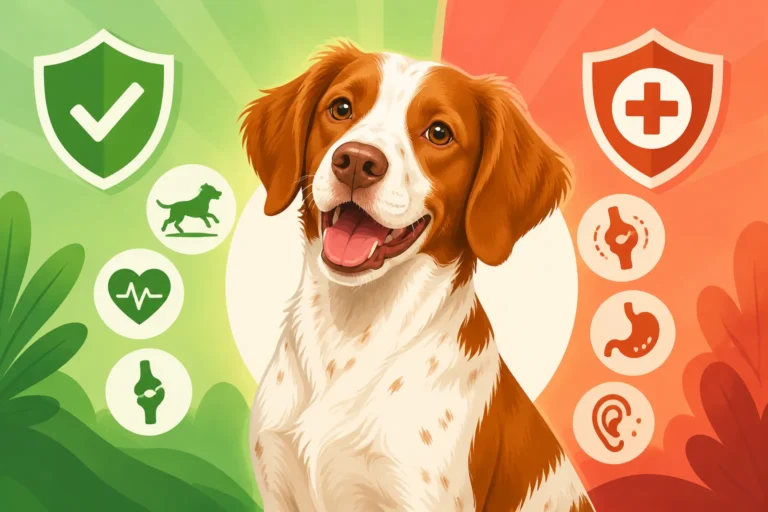
Caring for a Brittany Past Ten
Watching your beloved Brittany, once a whirlwind of energy and boundless enthusiasm, begin to slow down is a bittersweet experience. Many of us find ourselves grappling with the subtle shifts – a grey muzzle, a slightly slower gait, a touch more sleep – and wonder how best to support them through their golden years. This comprehensive guide is here to walk you through the nuances of caring for your Brittany Spaniel once they reach the ripe old age of ten and beyond, ensuring their comfort, health, and happiness every step of the way.
Understanding the Aging Brittany
It's a tough pill to swallow, but time marches on for our furry companions just as it does for us. For a Brittany Spaniel, reaching double digits marks a significant milestone, shifting them into their senior years. This isn't just about a number; it’s about a physiological transition that impacts every aspect of their being, from their energy levels to their senses. Understanding these changes is the first step in providing truly compassionate and effective care.
Recognizing the Subtle Signs of Aging
Aging in Brittanys isn't like flipping a switch; it's a gradual process, often starting with changes so subtle you might miss them if you're not looking closely. One day, your Brittany might not bolt to the door with the same explosive speed when you grab the leash, opting instead for a more dignified trot. Or perhaps they used to jump onto the sofa with ease, and now they hesitate, looking for a paw up or choosing to settle on the floor nearby. These small shifts in behavior are your dog's way of communicating that things are changing internally.
Beyond activity levels, you might notice alterations in their sleep patterns. They might sleep more deeply during the day but become restless at night, pacing or seeming disoriented. Their coat, once vibrant, might start to thin or become dull, and you'll likely see more grey hairs, particularly around their muzzle and eyes. Pay close attention to their eyes themselves; a slight cloudiness, known as lenticular sclerosis, is common and usually doesn't impact vision significantly, but it’s a visible marker of age. However, more serious issues like cataracts or glaucoma can also develop, making regular eye checks crucial.
Even their personality can shift. A formerly boisterous Brittany might become more reserved, while a shy one might seek more reassurance. Some become a bit more vocal, perhaps barking at things they never noticed before, or whimpering when they feel uncomfortable. It’s important not to dismiss these changes as "just old age" but rather to view them as clues that warrant investigation and potentially, adjustments to their care routine. Your keen observation skills are paramount in catching these early signs and intervening appropriately.
The Brittany's Lifespan and What to Expect
When we talk about our Brittanys getting older, one of the most common questions is, "How long do I have with them?" Generally, The Twelve to Fourteen Years a Brittany Gets is considered the average lifespan for this wonderfully robust breed. Many Brittanys, thanks to good genetics, diet, and care, live well into this range, and some even surpass it, reaching fifteen or sixteen years. It's truly a testament to their overall hardiness and the dedication of their owners.
However, it's not just about the number of years, but the quality of those years. As they progress past ten, you'll start to see a more pronounced deceleration. The spring in their step might be replaced by a cautious, deliberate gait. Their famous high-energy bursts become shorter, and recovery times lengthen. A long hunt that once invigorated them might now leave them stiff and exhausted for days. It's during these later stages that preventative care and proactive management of age-related conditions become absolutely critical to ensure they remain comfortable and engaged in life.
Every Brittany is an individual, of course. Some will retain a surprising level of vigor well into their teens, while others may show signs of decline earlier. Factors like their genetic lineage, their diet throughout their life, the amount of exercise they've had, and any chronic health issues they may have developed will all play a role. Understanding this general timeline helps us appreciate the time we have and make informed decisions about their ongoing care, always striving to maximize their health and happiness for as long as possible.
What Changes in a Brittany After Ten
Reaching the age of ten for a Brittany often means a noticeable shift in their daily existence. It's more than just a slowing down; it's a holistic change that affects their body, mind, and even their emotional state. What Changes in a Brittany After Ten often includes a decrease in metabolism, leading to a tendency to gain weight more easily even if their food intake hasn't changed. Their immune system might not be as robust, making them more susceptible to infections or taking longer to recover from illnesses.
Internally, organ function can begin to decline. Kidneys and liver might not process toxins as efficiently, and their heart might show signs of age-related weakening. Dental issues become more prevalent, with plaque and tartar buildup potentially leading to painful gum disease and even affecting other organ systems if left unchecked. You might also notice changes in their sleep-wake cycle, sometimes accompanied by increased anxiety or disorientation, which can be early indicators of cognitive decline.
Perhaps one of the most impactful changes for a once-athletic Brittany is the onset or worsening of musculoskeletal issues. Arthritis, disc disease, and general joint stiffness become more common, making simple movements like getting up, climbing stairs, or jumping into the car uncomfortable or even painful. Their muscle mass can start to decrease, particularly in their hindquarters, further affecting their mobility and stability. Recognizing these varied changes allows us to tailor their environment, diet, and veterinary care to support their evolving needs and make their senior years as comfortable and joyful as possible.
Maintaining Physical Health in Senior Years
As our Brittanys age, their physical needs evolve significantly. What worked for them as a spry, energetic youngster often needs adjustment as they enter their golden years. A proactive approach to their physical health can make a huge difference in their comfort and longevity, focusing on managing common ailments and supporting their changing bodies.
Managing Joint Pain and Arthritis
This is perhaps one of the most common and heartbreaking realities of an aging Brittany. Years of enthusiastic running, jumping, and bird-finding take their toll on their joints. The Age a Brittany Gets Arthritis can vary, but by ten, it's very common for them to experience some degree of discomfort, particularly in their hips, elbows, and spine. You might notice them struggling to get up after lying down, a reluctance to jump, a shortened gait, or even a subtle limp after exercise. Cold, damp weather often exacerbates these symptoms, making them visibly stiffer.
There are many ways to help manage arthritis. Your vet might recommend non-steroidal anti-inflammatory drugs (NSAIDs) to reduce pain and inflammation, or other medications that improve cartilage health. Dietary supplements like glucosamine, chondroitin, and omega-3 fatty acids (fish oil) can be very beneficial for joint health, helping to lubricate joints and reduce inflammation. It's important to discuss these with your veterinarian to find the right combination and dosage for your individual dog. Providing soft, supportive bedding is also crucial, especially in their favorite resting spots, to alleviate pressure on aching joints.
Beyond medication and supplements, physical therapy can work wonders. Gentle exercises, controlled leash walks, and even hydrotherapy (swimming in a heated pool) can help maintain muscle mass around the joints, improve flexibility, and reduce pain without putting excessive strain on their bodies. Keeping your Brittany at a healthy weight is also paramount, as every extra pound puts additional stress on already compromised joints. Even if your Brittany is still keen to get out, remember that Whether an Arthritic Brittany Can Still Hunt depends on careful management and not overdoing it. Listen to your dog and adjust activities accordingly.
Addressing Sensory Decline: Vision and Hearing
It's common for an aging Brittany's senses to gradually diminish, particularly their eyesight and hearing. You might first notice that they don't respond to your voice as readily, or that they bump into furniture more frequently, especially in dim light or unfamiliar surroundings. Deafness in an Aging Brittany can be frustrating for both you and your dog, as communication becomes more challenging. Hand signals, gentle touches, and stomping your foot to create vibrations on the floor can become effective ways to get their attention. Patience and consistency are key as you adapt to new ways of interacting.
When it comes to vision, a common age-related change is lenticular sclerosis, where the lenses of the eyes become cloudy, giving them a bluish-grey appearance. This usually doesn't severely impair their vision. However, more serious conditions like cataracts, glaucoma, or progressive retinal atrophy can significantly reduce their ability to see. Regular veterinary eye exams are crucial to distinguish between benign age-related changes and more serious conditions that might require treatment. Whether a Brittany Needs a Yearly Eye Exam becomes even more important as they age to catch these issues early.
To help your Brittany navigate their world with diminished senses, maintain consistency in your home environment. Avoid rearranging furniture, keep pathways clear, and use consistent commands and signals. For those with significant vision loss, adding scents to doorways or stairs can help them navigate. For hearing loss, ensure they are always on a leash in unfamiliar or unfenced areas, as they won't hear cars or your calls. Their noses, however, often remain quite sharp, which can be a great tool for them to explore their environment and maintain some independence.
The Importance of Regular Veterinary Check-ups
This cannot be stressed enough: regular veterinary check-ups become even more critical for your aging Brittany. While annual visits were standard when they were younger, many veterinarians recommend twice-yearly examinations for senior dogs. This allows for earlier detection and intervention of age-related conditions, many of which are much easier to manage if caught in their initial stages. How Often a Brittany Needs a Wellness Exam increases as they age, evolving from an annual routine to a more frequent, comprehensive approach.
During these visits, your vet will conduct a thorough physical examination, paying close attention to their weight, muscle condition, joints, eyes, ears, and teeth. They will also likely recommend What a Brittany's Yearly Bloodwork Should Cover, including a complete blood count (CBC) and a biochemistry panel to assess organ function (kidneys, liver, thyroid) and look for signs of infection or other underlying health issues. A urinalysis is also often part of the panel, providing valuable information about kidney function and potential urinary tract infections, which can be common in older dogs.
These regular check-ups aren't just about finding problems; they're about establishing a baseline for your dog's health. This baseline helps your vet identify subtle changes over time that might indicate an emerging issue. It’s also an invaluable opportunity for you to discuss any changes you’ve noticed at home, no matter how small they seem. Your observations combined with your vet’s expertise create the most comprehensive care plan for your senior Brittany, helping them age gracefully and comfortably.
Nutrition and Weight Management for Older Brittanys
Just like us, an aging Brittany's nutritional needs shift. Their metabolism slows down, activity levels decrease, and their bodies might struggle to absorb nutrients as efficiently. This means the diet that fueled their energetic youth might not be the best choice for their golden years, making mindful nutrition and weight management paramount.
Adjusting Diet for Decreased Activity
As your Brittany enters their senior years, you'll likely notice a natural decrease in their overall activity level. They might still enjoy a good walk or a short session in the field, but the duration and intensity will probably lessen. This reduction in activity means they are burning fewer calories, and if their diet isn't adjusted accordingly, weight gain can become a significant issue. Excess weight puts undue stress on their aging joints, exacerbates arthritis, and can contribute to other health problems like diabetes and heart disease.
Many senior dog foods are specifically formulated to address these changes. They typically have fewer calories, lower fat, and often higher fiber to promote satiety and aid digestion. However, they also maintain adequate protein levels to help preserve muscle mass, which naturally declines with age. It's crucial to resist the urge to feed them the same large portions they enjoyed in their prime. Start by slightly reducing their current food intake or transitioning to a senior-specific formula, always monitoring their weight and body condition.
The best approach is to work with your veterinarian to determine the ideal caloric intake and food type for your individual Brittany. They can help you assess your dog's current body condition score and recommend a plan that supports their health without packing on extra pounds. Remember, even a slight reduction in calories can make a big difference over time, ensuring your senior Brittany remains lean and comfortable, which is especially important when managing conditions like arthritis.
Addressing Dental Health Concerns
Dental health often becomes a major concern as Brittanys age, and it's a topic that many owners overlook until a problem arises. Over the years, plaque and tartar can accumulate on their teeth, leading to gingivitis, painful periodontal disease, and even tooth loss. The bacteria associated with severe dental disease can also enter the bloodstream, affecting vital organs like the heart, kidneys, and liver. If your Brittany has bad breath, red and swollen gums, or seems reluctant to chew hard food, these are clear signs that a dental check-up is overdue.
Regular dental care is essential. Ideally, brushing your Brittany's teeth several times a week with a dog-specific toothbrush and toothpaste is the gold standard. While this can be challenging to introduce to an older dog, even starting with wiping their teeth with a dental wipe can help. Dental chews and water additives can also offer some benefit, but they are generally not as effective as brushing or professional cleanings.
Your veterinarian will assess your Brittany's dental health during their routine check-ups and will likely recommend professional dental cleanings under anesthesia. While the thought of anesthesia for an older dog can be daunting, modern veterinary practices use advanced protocols, including pre-anesthetic bloodwork and careful monitoring, to make the procedure as safe as possible. The relief and improved health your Brittany experiences after a thorough cleaning and any necessary extractions are often well worth the concern, significantly improving their overall quality of life.
Maintaining Hydration and Digestive Health
As Brittanys age, their internal systems, including digestion and kidney function, can become less efficient. Maintaining proper hydration and supporting a healthy digestive tract are crucial for their overall well-being. Older dogs can sometimes be more prone to dehydration, either because they drink less due to discomfort or because their kidneys don't conserve water as effectively. Dehydration can exacerbate existing health issues and make them feel generally unwell, leading to lethargy and appetite loss.
Encourage your senior Brittany to drink plenty of fresh water. Always have multiple water bowls available throughout the house, and consider adding water to their dry food or offering wet food to increase their fluid intake. Some dogs enjoy drinking from pet fountains, which can entice them with circulating, filtered water. Monitoring their water intake and urine output can give you clues about their hydration status and kidney function; any significant changes warrant a call to your vet.
Digestive issues like constipation or diarrhea can also become more common. This might be due to a slower digestive system, changes in diet, or underlying health conditions. Feeding a high-quality senior diet that includes prebiotics and probiotics can help support a healthy gut microbiome. Adding a small amount of canned pumpkin (not pie filling!) to their food can aid with both constipation and mild diarrhea. If digestive upset is persistent or severe, it's essential to consult your vet to rule out more serious causes and ensure your Brittany is absorbing the nutrients they need to thrive.
Exercise and Mental Stimulation for Senior Brittanys
Just because your Brittany is getting older doesn't mean they want to become a couch potato. While their physical capabilities might change, their innate desire for activity and engagement remains. Adapting their exercise routine and finding new ways to keep their minds sharp are key to maintaining their zest for life.
Adapting Exercise Routines
The days of boundless, all-day runs might be behind your senior Brittany, but that doesn't mean exercise should cease. In fact, gentle, consistent exercise is vital for managing their weight, maintaining muscle mass, improving joint flexibility, and boosting circulation. The key is adaptation and listening to what your dog is telling you. Instead of one long, strenuous outing, consider several shorter, more frequent walks throughout the day. A 15-20 minute walk in the morning, another in the afternoon, and a final potty break before bed might be much more beneficial than trying to push them for an hour-long hike.
Flat, even surfaces are often more comfortable for arthritic joints than uneven terrain or steep hills. Avoid slippery floors inside the house by adding rugs or mats in high-traffic areas. If your Brittany still enjoys water, swimming can be an excellent low-impact exercise that works their muscles without stressing their joints. Just ensure the water isn't too cold and they have easy access in and out. Always be mindful of the weather; extreme heat or cold can be much harder on an older dog.
Observe your Brittany closely during and after exercise. Are they lagging behind? Are they stiff or limping later in the day? These are signs that you might be overdoing it. Adjust the duration or intensity. The goal is to keep them moving comfortably, not to push them to their limits. A steady, gentle pace that allows them to sniff and explore can be just as enriching, if not more so, than a fast-paced jog, and much safer for their aging body.
Keeping Their Minds Sharp
While physical activity might diminish, a Brittany's intelligent mind still craves engagement. Mental stimulation is just as important as physical exercise for senior dogs, helping to ward off cognitive decline and keep them happy and engaged. Don't underestimate the power of a good brain workout!
Interactive puzzle toys, where your Brittany has to figure out how to get a treat, are fantastic for mental enrichment. You can start with simpler ones and gradually introduce more complex challenges. Hide-and-seek games, where you hide treats or even yourself and encourage them to find you, are also great fun and use their natural scenting abilities. Even teaching them new, simple tricks or reviewing old ones can keep their brains active and reinforce your bond.
Continuing with short, positive training sessions, even if it's just practicing "sit" or "stay," can be very beneficial. It reinforces their sense of purpose and gives them something to think about. Varying your walking routes, even if they are shorter, provides new smells and sights, which are incredibly stimulating for a dog's senses. The goal is to keep them thinking, problem-solving, and engaged with their environment and with you.
Whether an Aging Brittany Still Wants to Hunt
This is a question close to the heart of many Brittany owners: Whether an Aging Brittany Still Wants to Hunt. The answer, for many, is a resounding yes, though the how and how much will certainly change. Brittanys are bred for the field, and that deep-seated desire to find birds often persists long after their bodies can keep up with their youthful drive. You might notice your senior Brittany still getting excited at the sight of a shotgun or hunting vest, and their nose might still twitch with the scent of game.
If your Brittany is still physically able, short, controlled hunts can be incredibly rewarding for them. Focus on quality over quantity. Choose days with mild weather and terrain that isn't too challenging. Keep the hunts brief, perhaps an hour or two at most, and focus on areas where birds are likely to be found quickly, minimizing the amount of ground they need to cover. Consider working them on a check cord or keeping them closer to you, even if they used to range wide. This allows you to manage their energy output and prevent them from overexerting themselves.
It’s crucial to be honest about their physical limitations. If they are showing signs of significant joint pain, extreme fatigue, or struggling to recover after a short session, it might be time to transition to less strenuous forms of bird work. This could mean training sessions with planted birds in the yard, or even just letting them enjoy the scent of game birds without the full hunt. Their passion for birds is enduring, and finding ways to safely tap into that drive, even if modified, can greatly enhance their quality of life. Just ensure you carry essentials like water, a first-aid kit, and perhaps a supportive harness for assistance, and consider using a reliable GPS collar like one from Garmin for peace of mind, should they get a bit disoriented or wander further than anticipated.
Comfort and Safety in the Home Environment
As your Brittany ages, their home environment becomes even more crucial for their comfort, safety, and overall well-being. Simple adjustments can make a world of difference, allowing them to navigate their familiar surroundings with greater ease and reducing the risk of accidents.
Creating an Accessible and Safe Space
Imagine having stiff joints or diminished eyesight and trying to navigate your home. This is the reality for many senior Brittanys. Making their living space more accessible is a compassionate and practical step. One of the biggest challenges can be slippery floors, which are treacherous for dogs with arthritis or weakened hindquarters. Lay down non-slip rugs or runners, especially in high-traffic areas and on pathways to food, water, and outdoor access. Consider paw grips or anti-slip socks if your dog tolerates them.
Stairs can become a major obstacle. If you have multiple levels, try to limit your senior Brittany to one floor if possible. If stairs are unavoidable, consider installing a ramp or carrying them up and down, especially if they are a smaller Brittany. For access to the car or higher furniture, portable ramps can save their joints from painful jumps and potential injury. Ensure their bed is easily accessible and provides ample orthopedic support. A good quality, thick memory foam bed can offer significant relief for aching joints, allowing them to rest more comfortably.
Lighting also plays a role. As their vision declines, dimly lit areas can be disorienting. Increase lighting in key areas, especially at night, to help them navigate safely. Block off any hazardous areas, like steep drop-offs or areas where they might get stuck, using baby gates. Creating a safe, predictable, and comfortable environment allows your senior Brittany to retain a sense of independence and reduces stress.
Dealing with Incontinence and Potty Changes
One of the more challenging aspects of caring for an aging Brittany can be the onset of incontinence or changes in their potty habits. This can range from occasional leaks to more frequent accidents inside the house. It's often distressing for both the dog, who might be embarrassed or confused, and the owner. First and foremost, never punish an older dog for accidents; it's almost always a physical issue, not a behavioral one.
Many factors can contribute to incontinence in senior dogs. Weakening bladder muscles, hormonal imbalances (especially in spayed females), cognitive dysfunction, kidney disease, or even conditions that cause increased thirst and urination (like diabetes) can all be culprits. The first step is always a visit to your veterinarian to diagnose the underlying cause. Many causes are treatable with medication, such as hormone therapy for spayed females or medications to strengthen bladder control.
While treating the cause, you can also manage the symptoms. Increase the frequency of potty breaks, especially after waking up, after meals, and before bed. Doggy diapers or male wraps can be incredibly helpful for managing leaks and keeping your home clean. Ensure these are changed frequently to prevent skin irritation. Using waterproof pads on their bedding or in areas where accidents are common can also make cleanup easier. Remember, patience and understanding are paramount during this time; your Brittany needs your gentle support more than ever.
Providing Adequate Rest and Sleep
Sleep and rest are paramount for an aging Brittany's health and recovery. Just like older people, senior dogs need more sleep, and their quality of sleep can directly impact their energy levels, mood, and overall well-being. You'll likely notice them napping more frequently throughout the day and possibly sleeping longer at night. This increased need for rest isn't laziness; it's their body's way of conserving energy and repairing itself.
Ensure your Brittany has multiple comfortable, quiet, and easily accessible resting spots around the house. Orthopedic beds are a game-changer for senior dogs, providing pressure relief for their joints and cushioning their aging bodies. Place these beds in areas where they feel secure and can still be part of the family action without being disturbed. Avoid high-traffic areas where they might be constantly woken up by people or other pets.
Respect their need for uninterrupted sleep. If they're napping, let them be. Teach children and other pets to give them space when they're resting. While an occasional restless night might happen due to discomfort or cognitive changes, consistent good sleep is vital for their cognitive function and physical recovery. A well-rested Brittany is a happier, more comfortable Brittany, better equipped to enjoy their golden years.
Emotional Well-being and Quality of Life
Beyond physical health, the emotional well-being of your aging Brittany is just as important. They've spent a lifetime as your loyal companion, and their emotional needs might shift as they grow older. Nurturing their mental and emotional health ensures they remain engaged, confident, and content.
Recognizing and Managing Canine Cognitive Dysfunction
One of the more challenging aspects of senior dog care is the potential onset of Canine Cognitive Dysfunction (CCD), often referred to as "doggy dementia." It's a progressive neurodegenerative disorder, and its signs can be subtle at first, gradually worsening over time. You might notice your once-alert Brittany starting to seem disoriented in familiar surroundings, getting stuck in corners, or staring blankly at walls. They might forget commands they've known for years, struggle with house training, or experience changes in their sleep-wake cycles, leading to restlessness at night.
Other signs of CCD include altered social interactions, such as becoming more withdrawn or irritable, or developing separation anxiety even if they never had it before. They might also show changes in activity level, becoming either more lethargic or exhibiting repetitive behaviors like pacing. If you observe several of these symptoms, it's crucial to discuss them with your veterinarian. Early diagnosis is important because while CCD can't be cured, its progression can often be slowed, and symptoms managed.
Treatment often involves a multi-modal approach. Your vet might recommend prescription medications designed to improve brain function, as well as dietary supplements like omega-3 fatty acids and antioxidants. Environmental enrichment and consistent routines are also vital. Stick to a predictable schedule for feeding, walks, and bedtime. Continue engaging them with gentle mental stimulation, like puzzle toys or short training sessions. Providing a safe, familiar, and predictable environment can significantly reduce their anxiety and improve their quality of life as they navigate the confusion of CCD.
Maintaining Social Connections
Brittanys are inherently social dogs, thriving on interaction with their human families and often other animals. As they age, it’s vital to maintain these social connections, even if the nature of their interactions changes. A senior Brittany might not chase a ball with the same vigor or engage in rough-and-tumble play, but they still crave companionship and feeling like a valued member of the pack.
Continue to include your Brittany in family activities, even if it's just letting them rest on their bed in the same room where you're working or watching TV. Gentle petting, quiet conversations, and regular cuddle sessions are incredibly reassuring and reinforce your bond. If you have other dogs, observe their interactions. Sometimes younger dogs can be too boisterous for an older, more fragile Brittany, and you might need to supervise play or provide separate quiet spaces.
If your Brittany has always enjoyed meeting other dogs, continue with short, controlled encounters, perhaps with calm, known canine friends. Avoid crowded dog parks or situations that might overwhelm them. Human visitors should be encouraged to interact gently and respectfully, allowing your Brittany to approach them on their own terms. Maintaining these social ties helps combat loneliness, reduces anxiety, and keeps their spirits high, reminding them that they are loved and cherished members of your family.
The Unspoken Bond: How a Brittany Hides Pain
One of the most heart-wrenching realities of caring for an aging Brittany is that they are masters at masking discomfort. It's an instinctive survival mechanism from their wild ancestors – showing weakness can make them vulnerable. This means that by the time you notice overt signs of pain, such as limping or yelping, they've likely been experiencing it for a while. How a Brittany Hides Pain is a crucial concept for owners to understand, as it requires us to become highly attuned to subtle behavioral changes.
Instead of clear cries of pain, you might see subtle shifts: a reluctance to jump into the car, a change in their sleeping posture, a refusal to go up or down stairs, or an unexpected growl when touched in a particular spot. They might become more withdrawn or, conversely, more clingy. Licking a specific area excessively, panting more than usual when at rest, or a general decrease in enthusiasm for their favorite activities can all be indicators of underlying pain. Sometimes, even just a duller look in their eyes or a loss of their usual sparkle can signal that something is amiss.
This is where your deep understanding of your individual dog comes into play. You know their quirks, their routines, and their baseline demeanor. Any deviation from that baseline, no matter how minor, warrants investigation. Don't dismiss a change as "just old age." Work closely with your veterinarian, describing every subtle change you've observed. Advocating for your Brittany and ensuring their pain is recognized and managed is one of the most important aspects of providing compassionate senior care, allowing them to live out their golden years with dignity and comfort.
Proactive Care and Financial Considerations
Caring for a senior Brittany Spaniel inevitably brings with it increased considerations, both in terms of the time and effort you invest, and the financial commitment required. Being proactive and preparing for these aspects can alleviate stress and ensure your beloved companion receives the best possible care throughout their golden years.
Planning for Increased Vet Bills
Let's be realistic: as dogs age, vet bills tend to increase. Just like humans, senior Brittanys are more prone to a range of health issues that require diagnostic tests, medications, and sometimes specialist care. From managing arthritis with regular pain medication and joint supplements to more complex issues like heart disease, kidney problems, or even cancer, the costs can add up quickly. This isn't a reflection of poor health choices on your part, but simply the natural progression of aging.
It's wise to budget for these potential expenses. What a Brittany Costs Over Its Lifetime includes a significant portion dedicated to senior care. Having a dedicated savings fund, even if it's just a small amount set aside each month, can provide peace of mind when unexpected health challenges arise. Discuss with your veterinarian common age-related conditions they see in Brittanys and what the typical costs for managing those might be. This can help you anticipate and plan.
Don't hesitate to openly discuss financial concerns with your vet. Many clinics understand the burden of senior pet care and can offer various options, such as payment plans, or suggest generic medications where appropriate. Being prepared for these increased costs allows you to focus on your Brittany's health rather than worrying about the financial strain, ensuring they receive the necessary treatments without delay.
Exploring Pet Insurance Options
Pet insurance can be a real lifesaver when it comes to managing the costs of senior pet care, though it's often more beneficial to enroll a dog when they are younger. If your Brittany is already a senior, some insurance providers might have age limits for new enrollments, or certain pre-existing conditions (which are common in older dogs) might be excluded from coverage. However, it's still worth exploring your options. Providers like Healthy Paws, for instance, offer plans that can help with accidents and illnesses, even if some age-related conditions might not be fully covered if they've already been diagnosed.
When looking at pet insurance for a senior Brittany, pay very close attention to the policy details. Understand what is covered (accidents, illnesses, routine care, specialist visits, emergency care), what deductibles apply, and what the reimbursement percentages are. Crucially, look for policies that cover conditions that commonly arise in senior dogs, such as arthritis, diabetes, or cancer, if your dog doesn't already have them. Also, investigate their policy on chronic conditions – some plans will cover ongoing treatment, while others might have limits.
Even if full coverage for every possible age-related ailment isn't available, an accident-only plan or a more limited illness plan can still provide a financial safety net against unexpected injuries or acute illnesses. A broken bone or a sudden infection can still result in substantial bills, and insurance can help mitigate that impact. It’s always worth getting a few quotes and reading the fine print to see if a policy makes financial sense for your situation, especially if Whether a Brittany Fits a Modest Budget is a concern.
When to Consider Quality of Life Discussions
This is perhaps the hardest conversation any pet owner will ever have, but it's a vital part of responsible senior pet care. There comes a point when, despite all our best efforts and veterinary interventions, a Brittany's quality of life might significantly diminish due to chronic pain, untreatable illness, or profound cognitive decline. Your veterinarian is your most trusted partner in these discussions, helping you assess your dog's overall well-being.
A quality of life assessment involves looking at several factors: their ability to eat and drink comfortably, manage their bodily functions, experience joy and engage in activities they once loved (even if modified), manage pain effectively, and interact with the family. Consider their "good days" versus "bad days." If the bad days consistently outnumber the good, or if they are suffering despite all available treatments, it might be time to consider euthanasia. This decision is an act of profound love and compassion, aimed at preventing prolonged suffering.
It’s an incredibly emotional process, and there’s no right or wrong answer or a perfect time. Discussing it openly and honestly with your veterinarian, involving family members, and focusing on your Brittany's comfort and dignity can help guide you through this difficult journey. The goal is always to provide them with a peaceful and loving end, honoring the lifetime of joy and companionship they've given you.
Disclaimer
This guide provides general information and recommendations for caring for a senior Brittany Spaniel. It is not a substitute for professional veterinary advice, diagnosis, or treatment. Always consult with your veterinarian regarding any health concerns, medical conditions, or before making any changes to your pet's diet, exercise, or medication regimen. Individual needs may vary.