Whether Long Nails Change a Brittany’s Gait
It's easy to overlook something as seemingly minor as your Brittany's nails, but for such an active, athletic breed, overgrown claws can subtly yet significantly alter their entire way of moving, leading to discomfort and potential long-term issues. Many owners don't realize the quiet damage long nails can do, often mistaking a change in gait for aging or generalized stiffness. This guide will delve into the critical connection between nail length and your Brittany's healthy, efficient movement, helping you understand the impact and how to maintain optimal paw health for your energetic companion.
The Subtle But Significant Impact of Overgrown Nails on Your Brittany
When you think about your Brittany, you likely picture that ground-covering, agile stride in the field, or perhaps their joyful, bounding energy in the backyard. Their movement is a hallmark of the breed, a testament to their purpose. But imagine trying to walk or run efficiently when your shoes are constantly tripping you up, or your toes are crammed uncomfortably. That’s a bit like what an overgrown nail situation can feel like for your dog, even if they don't complain vocally. The impact is often insidious, building over time, affecting not just their comfort but their entire musculoskeletal system.
How a Brittany's Paw Anatomy Works
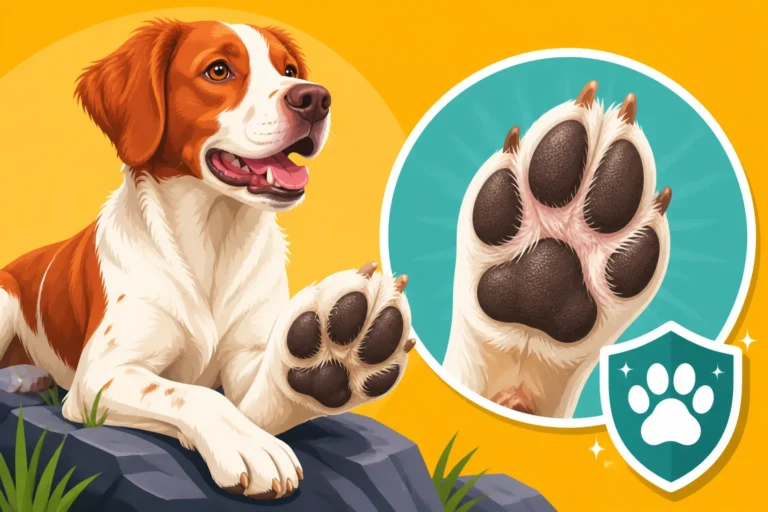
To truly grasp why nail length matters, let's take a quick look at how a Brittany's paw is supposed to function. Their paws are beautifully designed for speed, agility, and traction across varied terrain. Each paw consists of sturdy bones, resilient tendons and ligaments, and sensitive paw pads. When your Brittany stands or moves correctly, their weight should be distributed evenly across the large central pad and the four smaller digital pads. The nails, in their ideal state, should not touch the ground when the dog is standing naturally on a flat surface. They are there for grip when digging or climbing, not for constant contact with the ground during normal locomotion.
Think of those strong, well-muscled legs and compact feet as the foundation for their incredible athleticism. If that foundation is compromised, even slightly, the entire structure above it — from the pasterns and wrists to the shoulders, hips, and spine — has to adjust. This adjustment can lead to uneven wear and tear, muscle strain, and overall inefficiency. A Brittany's natural stance, with those elegant, ready-to-spring paws, is key to their performance and comfort.
The Mechanics of a Healthy Gait
A Brittany's healthy gait is a marvel to behold: smooth, tireless, and efficient. Whether they are quartering a field or trotting alongside you on a hike, their movement should be fluid, powerful, and balanced. In a correct gait, the paw pads make the primary contact with the ground, providing essential traction and shock absorption. The nails should ideally clear the ground, only engaging when the dog needs extra grip, like when pushing off for a sprint or navigating uneven terrain. This allows the toes to spread slightly, optimizing balance and distributing weight effectively.
When a Brittany moves, their limbs should swing freely, with the foot landing squarely beneath them. This optimizes propulsion and minimizes stress on their joints. Their ability to turn on a dime, stop quickly on a point, or gracefully navigate dense cover relies heavily on this perfect interplay between bone structure, muscle strength, and healthy paws. Any impedance to this natural movement, even a subtle one from long nails, forces compensatory actions that break down this efficiency and can create a cascade of problems.
Understanding How Long Nails Alter Movement
The subtle pressure of long nails against the ground during everyday activity forces your Brittany's paw into an unnatural position. It's not just a minor annoyance; it's a constant, low-grade stressor that reshapes their entire kinetic chain. Over time, this small issue can blossom into significant discomfort and lead to more serious orthopedic concerns. Owners might notice their dog slowing down or showing less enthusiasm for walks, attributing it to age, when in reality, the culprit might be right at the end of their legs.
The 'Tilting Back' Effect
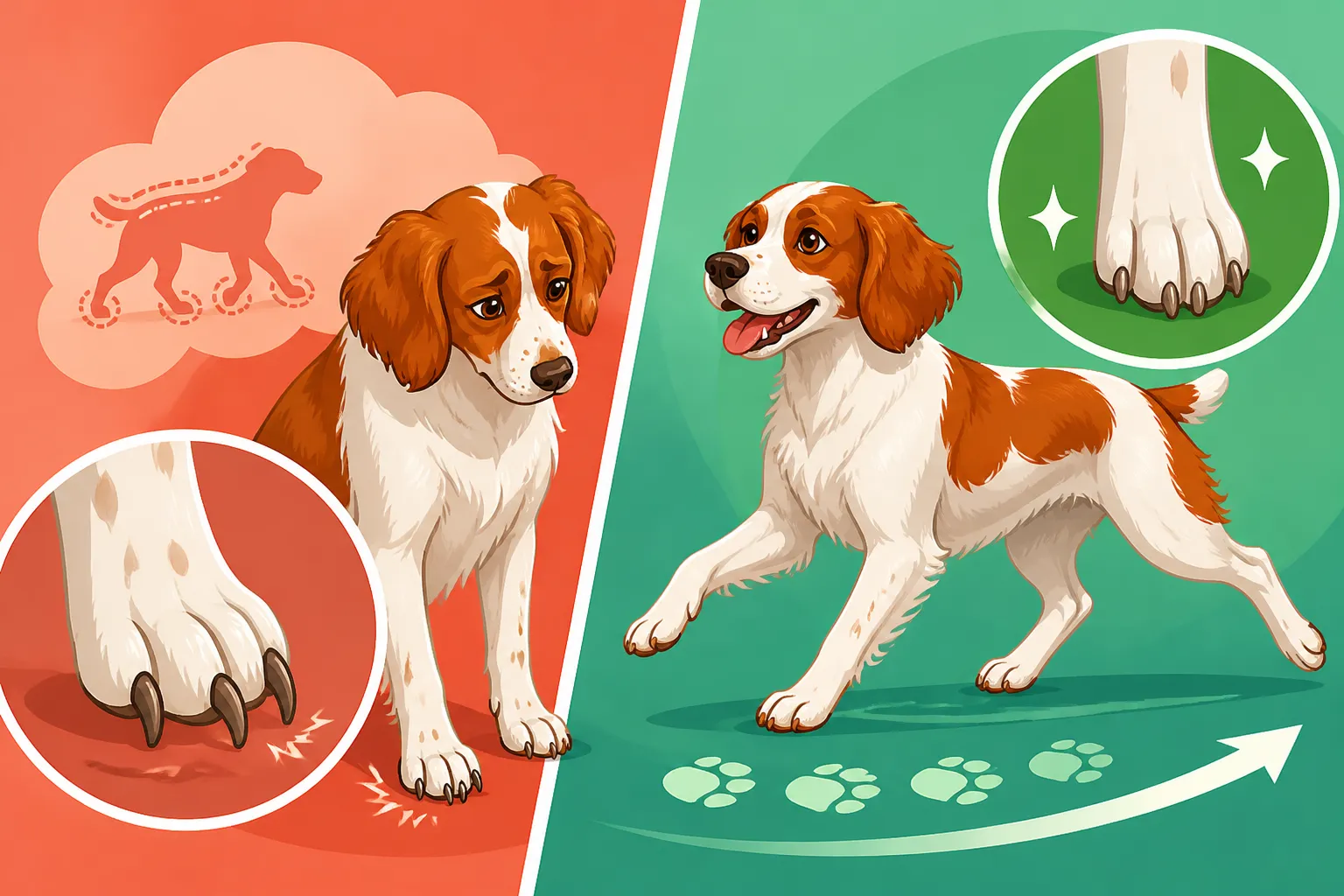
Imagine wearing shoes that are too small, where the toe box constantly pushes your toes back. Now imagine that feeling not just for a few hours, but day in and day out, every time you take a step. That's essentially what happens to your Brittany when their nails become too long. Instead of the paw pads landing flat and absorbing impact, the overgrown nails act like tiny stilts, pushing the entire paw backward and upward. This forces your dog to walk on the very back of their paw pads, or even to shift their weight further back onto their heel, disrupting the natural alignment of their bones and joints.
This constant 'tilting back' means the toes are perpetually splayed, and the joints in the paw and lower leg are held in an extended, unnatural position. This isn't just uncomfortable; it fundamentally changes the angle at which their bones meet, creating abnormal pressure points and stressing ligaments and tendons that are designed for a different kind of load. The natural shock absorption of the paw is compromised, sending jarring forces further up the leg with every step.
Compensatory Movement and Strain
Because walking with overgrown nails is uncomfortable and inefficient, your Brittany will instinctively try to compensate. They might alter their stride, shortening their steps, or shifting their weight more to one side. You might notice them walking with a flatter foot, or even a slight rocking motion, as they try to avoid direct pressure on the long nails. This isn't a conscious decision on their part, but an automatic adjustment to alleviate immediate discomfort.
However, these compensatory movements come at a high cost. By changing how they move, they place abnormal strain on other parts of their body. The muscles in their legs, shoulders, and back have to work differently, leading to fatigue, soreness, and potentially muscle imbalances. Joints like the hocks, stifles (knees), and hips bear increased and uneven loads, which can accelerate the development of degenerative joint diseases like arthritis. Over time, what started as a simple nail problem can contribute to chronic pain and reduced mobility, impacting their ability to enjoy their active life. This is especially important for a breed known for its hunting prowess; even a slight alteration in gait can affect their performance and endurance in the field. Issues like Cruciate Tears in a Brittany can become more prevalent due to the added stress on knee joints from altered gait.
Loss of Traction and Stability
A healthy paw uses its pads for optimal traction, gripping surfaces and providing stability during movement. When overgrown nails are constantly touching the ground, they prevent the paw pads from making full, flush contact. This significantly reduces the amount of grip your Brittany has, especially on smooth surfaces like hardwood floors or ice. It's like trying to run in worn-out athletic shoes on a slippery surface—you're prone to sliding and losing your footing.
In the field, this loss of traction can be even more problematic. A Brittany needs to be able to stop on a dime, make quick turns, and maintain balance while pointing or retrieving over uneven terrain. Long nails make them less stable, increasing the risk of slips, falls, and injuries such as sprains or strains. They may hesitate to jump or navigate obstacles, which can impact their hunting performance and overall confidence. Furthermore, constantly slipping and regaining balance expends more energy, leading to quicker fatigue during a hunt. The breed's natural athleticism demands impeccable foot health, otherwise, they can be prone to The Injuries a Brittany Picks Up in the Field.
Recognizing the Signs and Taking Action
It's easy to miss the signs of overgrown nails, especially with an active, stoic breed like the Brittany. They are often masters at hiding discomfort, pushing through minor aches to continue doing what they love. However, being attuned to subtle changes in their behavior and physical appearance can help you catch the issue early and prevent more serious complications. The key is consistent observation and proactive care, which should be part of your routine What to Check on a Brittany After Every Outing.
Identifying Overgrown Nails
The most obvious sign of overgrown nails is often an auditory one: a distinct clicking sound as your Brittany walks across hard floors. If you hear this, their nails are definitely too long. Visually, when your dog is standing still on a flat surface, their nails should not touch the ground. If they do, even slightly, they are due for a trim. You might also notice their toes splaying out more than usual, or the nails themselves starting to curl under, sometimes even growing into the paw pad, which is incredibly painful and can lead to infection.
Beyond the visual and auditory cues, look for changes in their behavior. Are they reluctant to go for walks or jump in the truck? Do they seem stiffer after resting? Are they licking or chewing at their paws more often? A slight limp, a hesitation before standing up, or a change in their running stride can all be subtle indicators that their nails are causing them discomfort. Don't dismiss these signs as just "getting old" or "being lazy"; investigate their paws thoroughly.
The Importance of Regular Nail Trimming
Regular nail trimming is paramount for paw health and maintaining a healthy gait. For many Brittany owners, it's a dreaded chore, but it's crucial. The goal isn't just to cut the tip; it's to encourage the 'quick' — the pink, blood-filled part of the nail — to recede. The more consistently you trim, the shorter the quick becomes, allowing you to achieve a shorter, healthier nail length.
You have several tool options: traditional guillotine-style clippers, scissor-style clippers, or a Dremel-style rotary grinder. Many prefer grinders because they allow for more gradual removal and can smooth the nail, reducing sharp edges. You can find a wide variety of these tools on platforms like Chewy or Amazon, along with styptic powder to stop any accidental bleeds. The frequency of trimming depends on your Brittany's activity level and nail growth rate, but for many, every 2-4 weeks is appropriate. Some working dogs, whose nails are naturally worn down by various terrains, might need less frequent trims, but indoor dogs or those primarily on soft surfaces will need more attention. How Often a Brittany's Nails Need Trimming will tell you more.
Correcting a Compromised Gait
If your Brittany's gait has already been compromised by long nails, consistent trimming is the first, most crucial step towards correction. It won't happen overnight, especially if the quick has become long. You'll need patience and consistency, trimming small amounts frequently (e.g., once a week or every few days with a grinder) to encourage that quick to recede.
For severe cases, where the nails are significantly overgrown or have started to curl into the paw, or if your dog is showing signs of lameness, a visit to your veterinarian or a professional groomer with experience in therapeutic nail care is highly recommended. They can often do a more aggressive trim, sometimes under sedation if necessary, to jump-start the process. Beyond trimming, consider supportive care such as comfortable bedding, controlled exercise, and potentially joint supplements. A high-quality diet, perhaps one that focuses on fresh ingredients, can also support overall health and mobility, ensuring your Brittany has the nutritional building blocks for strong joints and muscles needed for an active life.
Long-Term Consequences and Prevention
Ignoring overgrown nails isn't just about temporary discomfort; it can lead to a cascade of chronic health issues that significantly diminish your Brittany's quality of life and athletic potential. As responsible owners of these incredible working dogs, understanding and preventing these long-term problems is key to their well-being throughout their The Twelve to Fourteen Years a Brittany Gets.
Potential Health Issues
When a Brittany is forced to walk with long nails, the constant abnormal pressure on their paw joints can eventually lead to arthritis, not just in their feet but potentially higher up in their ankles, knees, and hips. The altered gait also creates muscle imbalances, as certain muscles become overused and others underused, contributing to chronic pain and stiffness. Over time, this can even lead to skeletal deformities in the paws themselves, such as splayed toes or flattened feet.
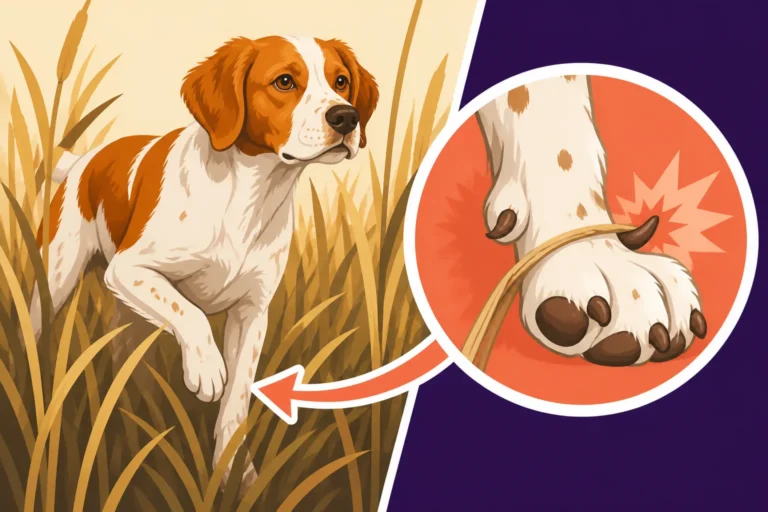
Beyond joint and muscle issues, long nails are more prone to tearing, especially in the field where they can catch on brush or rocks. A torn nail is incredibly painful, often bleeds profusely, and can easily become infected, requiring veterinary attention. For a working Brittany, these issues can lead to a shortened career or a reduced ability to perform their job effectively, which is heartbreaking for both dog and owner. Preventing these issues starts with understanding their onset. The Age a Brittany Gets Arthritis can guide you on joint care.
Maintaining Optimal Paw Health
Preventing the problems associated with long nails comes down to consistent, proactive care. Beyond regular trimming, make it a habit to inspect your Brittany's paws thoroughly after every outing, especially if they've been in the field. Check between their toes for debris, burrs, or foxtails, and examine their paw pads for cuts, cracks, or excessive wear. This routine check not only helps catch nail issues but also identifies other potential problems. Whether a Brittany Needs Boots in the Field is another consideration for paw protection.
Maintaining a clean, healthy environment at home can also contribute to paw health. Ensure their bedding is comfortable and supportive, and keep an eye on their weight, as extra pounds put more strain on their joints and feet. Providing appropriate surfaces for exercise—a mix of soft ground and pavement—can help wear nails down naturally, but should never replace regular trimming. Consider using paw balms or waxes to keep pads supple and less prone to cracking.
The journey with a Brittany is one of shared adventures and boundless energy. By prioritizing paw health and ensuring their nails are always at an optimal length, you're not just preventing problems; you're preserving their natural athleticism, comfort, and joy for every run, every point, and every moment by your side. It's a small act with a monumental impact on their quality of life.
| Feature | Healthy Nails | Overgrown Nails | Impact on Gait |
|---|---|---|---|
| Ground Contact | Do not touch the ground when standing on flat surface | Consistently touch the ground, even on flat surfaces | Forces paw to tilt backward, disrupting natural footfall. |
| Paw Pad Function | Pads make full contact, providing optimal traction | Pads cannot make full contact, reducing grip | Leads to slipping, instability, and less efficient push-off. |
| Toe Spreading | Toes can spread naturally for balance and grip | Toes are pushed together, restricting movement | Limits natural balance and proprioception, causing splaying. |
| Weight Distribution | Evenly distributed across all pads | Shifts weight unevenly, often to the back of the paw | Creates abnormal pressure points on joints, leading to strain. |
| Joint Alignment | Bones and joints are in natural, correct alignment | Forces joints into unnatural angles | Increases stress on paw, hock, stifle, and hip joints, accelerating arthritis. |
| Overall Comfort | Comfortable, fluid movement | Constant discomfort, leading to compensatory steps | Results in shortened stride, stiffness, reluctance to move, and chronic pain. |
Disclaimer
This article is for general informational purposes only and does not constitute professional advice. Laws, prices and regulations vary by location and change over time. Consult a qualified professional for guidance on your specific situation.