Epilepsy in a Brittany Spaniel
Witnessing your beloved Brittany suddenly collapse, shake uncontrollably, or stare blankly into space is one of the most terrifying experiences a dog owner can face. The confusion, the fear, and the helplessness are overwhelming. This comprehensive guide aims to shed light on epilepsy in Brittany Spaniels, a condition that can be incredibly distressing but is often manageable with the right knowledge and care, helping you understand, cope, and advocate for your furry companion.
Understanding Epilepsy in Brittany Spaniels: The Basics
Epilepsy is a chronic neurological disorder characterized by recurrent, unprovoked seizures. It's not a single disease but rather a symptom of abnormal electrical activity in the brain. For Brittany Spaniel owners, this condition can be particularly concerning because, like many purebred dogs, Brittanys can have a genetic predisposition to certain health issues. Understanding the fundamental nature of epilepsy is the first step toward managing it effectively and ensuring your dog's well-being.
What Exactly Is Epilepsy?
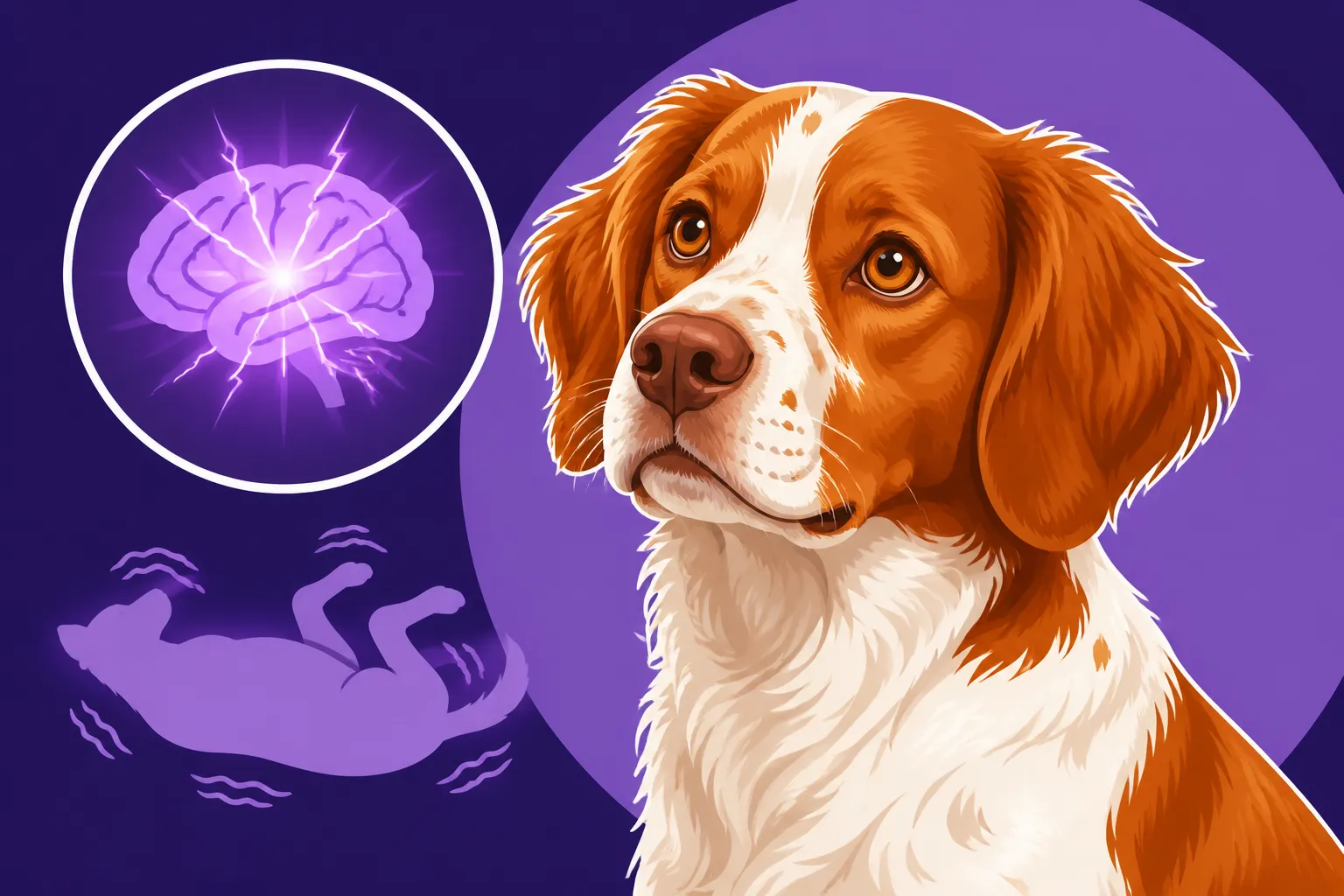
At its core, epilepsy is essentially an electrical storm in the brain. Neurons, the brain's signaling cells, transmit information via electrical impulses. In an epileptic dog, these impulses sometimes fire abnormally and excessively, leading to a temporary disruption of normal brain function. This disruption manifests as a seizure. Think of it like a short circuit in your home's wiring system; suddenly, lights might flicker, or appliances might behave erratically. Similarly, a dog's body can react in various unpredictable ways during a seizure.
Idiopathic epilepsy, often referred to as primary epilepsy, is diagnosed when there's no identifiable cause for the seizures, such as a brain tumor, infection, or metabolic disorder. This form is strongly suspected to be genetic in many breeds, including the Brittany. Secondary or symptomatic epilepsy, on the other hand, is when seizures are a symptom of another underlying condition. It’s crucial for veterinarians to differentiate between these types, as the treatment approach can vary significantly. Learning about Whether Brittany Epilepsy Is Inherited can offer further insights into this genetic component.
Why Brittanys Are Prone to It
The Brittany is known for its incredible energy, intelligence, and generally robust health, making them fantastic companions and hunting partners. However, like many purebreds, they come with a genetic roadmap that can include predispositions to certain conditions, and epilepsy is unfortunately one of them. While not all Brittanys will develop epilepsy, there's a higher incidence in the breed compared to the general dog population, suggesting a strong hereditary component.
The exact mode of inheritance for epilepsy in Brittanys isn't fully understood, which makes breeding decisions challenging. It's likely complex, involving multiple genes, rather than a simple dominant or recessive trait. This genetic vulnerability means that even if a dog doesn't exhibit seizures, they could still carry the genes and pass them on to their offspring. This adds a layer of complexity for responsible breeders who strive to produce healthy puppies, highlighting the importance of transparency and thorough health clearances.
The Different Types of Seizures
Seizures aren't a one-size-fits-all event. They can vary dramatically in their presentation, intensity, and duration. Generally, they are categorized into two main types: generalized and focal (or partial) seizures. Understanding these distinctions can help you accurately describe what you witnessed to your veterinarian, which is vital for proper diagnosis and treatment.
Generalized seizures, often the most recognized type, involve both sides of the brain and typically manifest as what's known as a "grand mal" seizure. This is where you'd see the dog lose consciousness, fall to its side, paddle its legs, vocalize, drool excessively, and potentially lose bladder or bowel control. These are the frightening, dramatic events that often prompt immediate veterinary attention.
Focal seizures, however, are often much more subtle and can be easily missed or misinterpreted. These involve abnormal electrical activity in only one part of the brain. A focal seizure might look like involuntary twitching of a single limb, repetitive licking or chewing, fly-biting, unusual aggression, or even just staring into space. Sometimes, a focal seizure can escalate into a generalized seizure, which is then called a focal seizure with secondary generalization. Describing What a Brittany's Seizure Looks Like in detail can be incredibly helpful for your vet.
Recognizing the Signs: What a Seizure Looks Like
When a seizure occurs, it’s not just the dramatic convulsion that matters. Seizures typically unfold in three distinct phases: the pre-ictal (or aura) phase, the ictal phase, and the post-ictal phase. Each phase offers clues, and understanding what to look for can help you identify a seizure in progress, provide immediate support, and give your vet critical information.
The Subtle Pre-Seizure Cues (Aura and Pre-Ictal Phase)
The pre-ictal phase, sometimes referred to as the aura, happens just before the visible seizure activity begins. Not all dogs exhibit clear pre-ictal signs, but for those who do, these cues can be subtle and varied. Owners often describe their Brittany acting "odd" or "not quite right" in the minutes or even hours leading up to a seizure.
These subtle changes might include an unusual clinginess or seeking comfort, perhaps your dog won't leave your side, or they might seem anxious and try to hide. Conversely, some Brittanys might become unusually restless, pacing, whining, or appearing disoriented. They might yawn excessively, drool more than usual, or simply seem agitated. Paying close attention to these behavioral shifts, even if they seem minor, can sometimes give you a precious few moments to prepare for the impending event, perhaps by moving your dog to a safer, padded area away from stairs or sharp objects. This keen observation can be a huge part of managing What Triggers a Brittany's Seizure.
The Dramatic Main Event (Ictal Phase)
The ictal phase is the actual seizure itself – the part most people associate with epilepsy. This is when the abnormal brain activity is most outwardly apparent. For a generalized seizure, your Brittany will typically lose consciousness, collapse, and exhibit involuntary muscle activity. Their legs might paddle frantically, their body could stiffen, and they might twitch or convulse rhythmically.
During this phase, it’s common for dogs to drool profusely, bite their tongue (though rarely sever it), urinate, or even defecate involuntarily. Their eyes might dart back and forth or stare blankly. It's important to remember that during a seizure, your dog is not aware of what's happening and cannot control their actions. The duration of the ictal phase can vary, but most generalized seizures last between 30 seconds and a few minutes. While it feels like an eternity when you're watching it, timing the seizure is incredibly important information for your vet. Remember, your goal is to keep your dog safe and observe, not to interfere directly with their mouth or attempt to stop the seizure.
The Confused Aftermath (Post-Ictal Phase)
The post-ictal phase is the recovery period immediately following a seizure, and it can be just as disorienting and varied as the pre-ictal phase. Your Brittany might seem confused, disoriented, or temporarily blind. They might wander aimlessly, bump into objects, or struggle to recognize familiar people or surroundings. This period can last from a few minutes to several hours, and in some cases, even a full day.
Other common post-ictal signs include excessive thirst and hunger, increased urination, profound fatigue, or temporary changes in temperament, such as being unusually lethargic or even mildly aggressive if startled. It’s vital to give your Brittany space and comfort during this time. Speak to them calmly, offer water, and allow them to recover at their own pace. Avoid loud noises, sudden movements, or trying to rush them back to their normal routine. This is a sensitive time when they are vulnerable and need gentle reassurance, not overstimulation. Understanding How a Brittany Hides Pain can also be relevant here, as some dogs might try to mask their confusion or discomfort.
| Seizure Phase | Common Signs | Owner Actions | Duration |
|---|---|---|---|
| Pre-Ictal (Aura) | Restlessness, anxiety, clinginess, pacing, whining, staring, excessive drooling/yawning. | Observe calmly, move dog to safe, padded area if possible. | Minutes to hours |
| Ictal | Loss of consciousness, muscle rigidity/paddling, vocalization, drooling, urination/defecation. | Time the seizure, keep dog safe from injury, avoid mouth/hands. | 30 seconds to 3 minutes |
| Post-Ictal | Disorientation, temporary blindness, aimless wandering, increased thirst/hunger, fatigue, behavioral changes. | Offer quiet comfort, water, space. Avoid loud noises/sudden movements. | Minutes to 24 hours |
The Journey to Diagnosis: Getting Answers for Your Brittany
Once you've witnessed a seizure, the natural next step is to seek veterinary help. Diagnosing epilepsy isn't always straightforward because seizures can be caused by a myriad of underlying issues, not just idiopathic epilepsy. The diagnostic process involves a careful elimination of other possibilities to arrive at an accurate conclusion, which is essential for determining the most effective course of treatment.
The Importance of a Detailed History and Vet Visit
When you bring your Brittany to the veterinarian after a seizure, the single most valuable piece of information you can provide is a detailed, accurate account of what you observed. Your vet will ask a lot of questions, and the more specific you can be, the better. This includes:
- Frequency: How often are the seizures occurring?
- Duration: How long did each phase (pre-ictal, ictal, post-ictal) last?
- Description: Exactly what did your dog do during each phase? (e.g., did they paddle? foam at the mouth? lose bladder control?)
- Triggers: Did anything unusual happen before the seizure? (e.g., loud noise, excitement, change in routine, medication error)
- Age of Onset: The Age Epilepsy Appears in a Brittany is a significant factor, as idiopathic epilepsy typically begins between 6 months and 5 years of age.
- Medical History: Any prior illnesses, injuries, or medications?
- Family History: Does your Brittany have relatives with seizure disorders?
Bringing video footage of a seizure, if you managed to capture it safely, can be incredibly helpful for your vet to visualize the event and differentiate seizure types. The initial physical and neurological examination will help the vet assess your dog's overall health and look for any obvious neurological deficits.
Ruling Out Other Conditions (Diagnostic Tests)
Before a diagnosis of idiopathic epilepsy can be made, your veterinarian will need to rule out other potential causes of seizures, often referred to as secondary or symptomatic epilepsy. This typically involves a battery of diagnostic tests to check for metabolic disorders, toxins, infections, or structural brain abnormalities.
Common diagnostic tests include:
- Complete Blood Count (CBC) and Biochemistry Panel: These tests check organ function (liver, kidneys), blood sugar levels, electrolyte imbalances, and look for signs of infection or inflammation. For instance, low blood sugar (hypoglycemia) or severe liver disease can cause seizures.
- Urinalysis: This can provide further information about kidney function and screen for certain metabolic issues.
- Thyroid Testing: Signs a Brittany's Thyroid Is Low can sometimes include neurological symptoms, though seizures are less common with hypothyroidism alone.
- Infectious Disease Screening: Depending on your geographical location and your dog's exposure, tests for tick-borne diseases (e.g., Lyme, Ehrlichia) or fungal infections might be recommended, as these can sometimes cause neurological symptoms.
These initial tests are crucial for narrowing down the possibilities. If all these tests come back normal, it strengthens the suspicion of idiopathic epilepsy, especially in a breed like the Brittany with a known predisposition.
When to Consider Advanced Diagnostics (MRI, CSF Tap)
If the standard blood and urine tests don't reveal a cause, and especially if your Brittany's seizures are atypical (e.g., starting at an unusual age, focal seizures that don't generalize, or unresponsive to initial medication), your vet might recommend advanced diagnostics. These tests delve deeper into the brain itself.
- Magnetic Resonance Imaging (MRI): An MRI is considered the gold standard for visualizing the brain. It can detect structural abnormalities such as brain tumors, inflammation (encephalitis), stroke, or congenital malformations that might be causing seizures. It's a non-invasive procedure but requires general anesthesia. Learning Whether a Brittany Should Have an MRI is a common question for owners facing this decision.
- Cerebrospinal Fluid (CSF) Analysis: A CSF tap involves collecting a small sample of fluid that surrounds the brain and spinal cord. This fluid is then analyzed for signs of inflammation, infection, or abnormal cells. This procedure also requires general anesthesia and is often performed in conjunction with an MRI.
While these advanced diagnostics can be expensive and require a referral to a veterinary neurologist, they are often essential for definitively ruling out secondary causes of seizures. If the MRI and CSF analysis are normal, and other causes have been excluded, a diagnosis of idiopathic epilepsy can be made with greater confidence. This entire diagnostic process can be emotionally and financially taxing, and understanding What a Brittany's Seizure Medication Costs or even the diagnostic procedures themselves can be important for budgeting.
Managing Epilepsy: Treatment Options and Strategies
Once your Brittany has been diagnosed with epilepsy, the focus shifts to management. The goal of treatment isn't necessarily to cure epilepsy, as idiopathic epilepsy is typically a lifelong condition. Instead, it's about reducing the frequency, severity, and duration of seizures, thereby improving your dog's quality of life and minimizing the stress on both your dog and your family.
Anticonvulsant Medications: First-Line Defense
For most epileptic Brittanys, medication is the cornerstone of seizure management. These drugs, known as anticonvulsants or antiepileptic drugs (AEDs), work by stabilizing the electrical activity in the brain to prevent or reduce seizures. The choice of medication, dosage, and timing will be determined by your veterinarian, often in consultation with a veterinary neurologist.
- Phenobarbital: This is often the first-line drug for canine epilepsy due to its effectiveness and relatively low cost. It's usually given twice daily. While very effective, it can have side effects such as sedation, increased thirst and hunger, and, in rare cases, liver toxicity. Regular blood tests are necessary to monitor drug levels and liver function.
- Potassium Bromide (KBr): Often used in conjunction with phenobarbital or as a sole agent if phenobarbital isn't tolerated, KBr has a very long half-life, meaning it takes a while to reach therapeutic levels in the body. Side effects can include sedation, increased thirst and hunger, and hind limb weakness.
- Levetiracetam (Keppra): This drug is often favored because it has fewer side effects and interactions with other medications. It can be given two or three times daily. It's frequently used as an add-on therapy or for dogs with liver issues where phenobarbital is not ideal.
- Zonisamide: Similar to levetiracetam, zonisamide is another option with a good safety profile and fewer side effects compared to older drugs. It can also be used as a primary or add-on therapy.
It's crucial to understand that finding the right medication or combination, and the correct dosage, is often a process of trial and error. How an Epileptic Brittany Is Treated will often involve starting with one medication and gradually increasing the dose or adding another if seizures persist. Consistency is key – never stop or change medication without veterinary guidance, as this can trigger severe rebound seizures.
Beyond Medication: Dietary and Supplemental Approaches
While medication is primary, some owners explore complementary therapies to support their Brittany's epileptic management. It’s important to discuss any alternative approaches with your vet to ensure they are safe and won't interfere with prescribed medications.
- Dietary Changes: Some anecdotal evidence and emerging research suggest that certain diets, particularly those rich in medium-chain triglycerides (MCTs) derived from coconut oil, might have anticonvulsant properties. Specific veterinary therapeutic diets formulated for cognitive support and seizure management, like Purina Pro Plan Veterinary Diets Neurocare, are also available and can be beneficial for some dogs. These diets are carefully balanced and should only be introduced under veterinary supervision.
- Supplements: Omega-3 fatty acids (fish oil) are often recommended for their anti-inflammatory and neuroprotective benefits, though their direct impact on seizure frequency is still being researched. Other supplements, like CBD oil, have gained popularity, but scientific evidence of their efficacy and appropriate dosing for canine epilepsy is still limited, and quality control can vary widely. Always ensure any supplement is sourced from a reputable provider and discussed with your vet.
These complementary approaches are generally used as adjuncts to prescribed medication, not as replacements. They might help reduce seizure severity or frequency in some dogs, allowing for lower doses of traditional anticonvulsants, but their role is supportive.
Emergency Protocols: What to Do During a Cluster Seizure
While most seizures are single events, some Brittanys can experience cluster seizures (multiple seizures within a 24-hour period) or status epilepticus (a single seizure lasting more than 5 minutes, or multiple seizures without full recovery in between). These are medical emergencies that require immediate veterinary attention.
Your vet might prescribe emergency medications to have at home, usually in the form of a rectal gel (e.g., diazepam or midazolam). If your Brittany enters a cluster seizure or status epilepticus, administering this emergency medication can help break the seizure cycle and prevent serious brain damage or overheating. Your vet will provide clear instructions on when and how to administer it. It's crucial to have this plan in place, especially if your Brittany is prone to severe seizures.
During an emergency, remain calm but act swiftly. Keep your dog safe, time the seizure, administer emergency medication if instructed, and call your veterinarian immediately. They will guide you on whether to bring your dog to the clinic. Overheating can be a major concern during prolonged seizures, so gently applying cool, wet towels to your dog’s paws and groin area while en route to the vet can be helpful.
Living with an Epileptic Brittany: Daily Care and Support
Managing epilepsy is a marathon, not a sprint. It requires dedication, consistency, and a deep understanding of your dog's individual needs. Beyond medication, daily care and a supportive home environment are critical for ensuring your epileptic Brittany thrives.
Creating a Seizure Log and Managing Triggers
One of the most powerful tools you have as an owner of an epileptic Brittany is a detailed seizure log. This log should record:
- Date and Time: When did the seizure start and end?
- Duration: How long was the ictal phase?
- Type: What did the seizure look like (generalized, focal)?
- Severity: How intense was it?
- Recovery: How long did the post-ictal phase last, and what were the symptoms?
- Medication Doses: What medications were given, and at what times?
- Potential Triggers: Was there anything unusual before the seizure (stress, excitement, changes in diet, loud noises, storms, vaccination)?
Over time, this log can reveal patterns, help your vet adjust medication, and identify potential triggers that you can then try to minimize. For example, some Brittanys are sensitive to stress, excitement, or even certain foods. While What Triggers a Brittany's Seizure isn't always identifiable, a log can certainly provide clues. Maintaining a consistent routine for feeding, exercise, and medication can also help stabilize your dog and potentially reduce seizure frequency.
Adjusting Daily Routines and Ensuring Safety
Living with an epileptic dog means making some adjustments to ensure their safety and well-being. Your Brittany needs to live as normal a life as possible, but with thoughtful precautions.
- Safe Spaces: Identify or create safe, carpeted areas in your home where your Brittany can be during a seizure, away from hard furniture, stairs, or water. If they frequently have seizures at night, consider having them sleep in your bedroom or a nearby crate.
- Supervision: While you can't be with them every second, try to avoid leaving them unsupervised for extended periods, especially if they have frequent or severe seizures. If you have to leave, ensure they are in a safe, contained space.
- Swimming and Heights: If your Brittany loves to swim, be extra cautious. A seizure in water could be catastrophic. Consider a life vest or strict supervision. Similarly, avoid situations where a fall from a height could cause injury if a seizure were to occur.
- Exercise: Brittanys are energetic dogs, and regular exercise is vital for their physical and mental health. Continue to exercise your Brittany, but be mindful of extremes. Overheating or extreme exertion can sometimes be a trigger for some dogs. Monitor them closely, especially on warmer days. Remember, Whether an Epileptic Brittany Can Still Hunt is a question many owners face, and it often comes down to seizure control and individual assessment.
These adjustments are about harm reduction and creating an environment where your Brittany can thrive despite their condition.
Emotional and Financial Considerations for Owners
Living with an epileptic dog can be emotionally draining. The fear of the next seizure, the helplessness during an event, and the constant worry can take a toll. It's important to acknowledge these feelings and seek support if needed, whether from family, friends, or online communities of owners facing similar challenges. Remember, you're not alone in this journey.
Financially, epilepsy management can be a significant commitment. Medication, regular vet visits, bloodwork to monitor drug levels and organ function, and potential emergency care all add up. For example, What a Brittany's Seizure Medication Costs can range from tens to hundreds of dollars a month, depending on the drug and dosage. This is where pet insurance can be a lifesaver. Companies like Healthy Paws often cover chronic conditions like epilepsy, especially if the policy was in place before the diagnosis. Having a good pet insurance plan from Healthy Paws can significantly alleviate the financial burden of ongoing treatment and allow you to make decisions based on your Brittany's health needs rather than your wallet. Healthy Paws offers comprehensive coverage that can help with these unexpected and ongoing costs.
Breeding and Genetics: Understanding the Heritability
The genetic component of epilepsy in Brittany Spaniels is a crucial topic for both current owners and those considering acquiring a Brittany puppy. Understanding the hereditary nature of this condition is vital for responsible breeding practices and making informed decisions about your dog's future.
The Suspected Genetic Link in Brittanys
As discussed earlier, idiopathic epilepsy in Brittanys is strongly suspected to have a genetic basis. This means that certain genes or combinations of genes passed down from parents can predispose a Brittany to developing seizures. Unlike some genetic diseases where a simple DNA test can identify carriers, the genetics of epilepsy are complex and not fully understood. It's likely polygenic, involving multiple genes acting together, which makes screening and eradication from the gene pool much more challenging.
Because of this genetic link, if a Brittany develops idiopathic epilepsy, there is an increased chance that their close relatives (parents, siblings, offspring) may also carry the genetic predisposition or develop the condition themselves. This underscores why responsible breeders are so careful about pedigree research and health testing. Learning Whether Brittany Epilepsy Is Inherited highlights the importance of asking breeders about the health history of their lines.
Ethical Breeding Practices and Testing
For ethical Brittany breeders, managing epilepsy in their lines is a serious responsibility. While there isn't a direct genetic test for epilepsy, breeders employ several strategies to minimize its occurrence:
- Pedigree Research: Breeders thoroughly investigate the health history of both the dam and sire, as well as their ancestors and siblings. They aim to avoid breeding dogs from lines with a high incidence of idiopathic epilepsy.
- Age of Breeding: Reputable breeders typically wait until their dogs are at least two years old, sometimes older, before breeding them. This allows time for many genetic conditions, including epilepsy, to manifest if present. What a Brittany Spaniel Breeder Should Have Tested often includes screening for other common health issues, but careful observation for epilepsy is also key.
- Open Communication: Ethical breeders are transparent about any health issues, including epilepsy, that have appeared in their lines. They are willing to discuss the health history of the sire and dam's relatives and provide health guarantees that address genetic conditions.
Even with the most diligent breeding practices, epilepsy can still appear. The complex genetic nature means that carriers can exist without showing symptoms, and occasional spontaneous mutations can occur. This is why ongoing research is so important to better understand and eventually develop definitive tests for these conditions. Whether an Epileptic Brittany Should Be Bred is a question with a clear answer for responsible breeders: typically, no, to avoid passing on the genetic predisposition.
The Implications for Offspring and Relatives
If your Brittany is diagnosed with idiopathic epilepsy, it has significant implications for their offspring and close relatives. As mentioned, the likelihood of their siblings, parents, and any potential puppies also carrying the genes for epilepsy is increased.
- For Siblings and Parents: While not a guarantee, these dogs should be monitored closely for any signs of seizures. Responsible owners of these relatives should inform their breeders and consider this information for future breeding decisions.
- For Offspring: If an epileptic Brittany has been bred prior to diagnosis, their puppies will have a higher risk of developing epilepsy. Owners of these puppies should be made aware of the risk and counselled on monitoring and care. This is a primary reason why breeders typically do not breed dogs with diagnosed idiopathic epilepsy.
This is not to say that a dog with an epileptic relative is doomed, but it means a higher level of vigilance and awareness is warranted. It also highlights the importance of supporting breed health research to one day find a genetic marker that can simplify screening for this complex and devastating disease.
Prognosis and Long-Term Outlook for Epileptic Brittanys
Receiving an epilepsy diagnosis for your Brittany can feel like a life sentence, but it’s essential to remember that many epileptic dogs, with proper management, can live full, happy lives. Understanding the factors that influence prognosis and being prepared for potential challenges can help you provide the best possible long-term care for your companion.
Factors Influencing Prognosis
The long-term outlook for a Brittany with epilepsy is influenced by several key factors:
- Severity and Frequency of Seizures: Dogs with less frequent and less severe seizures generally have a better prognosis. If seizures can be well-controlled with medication, the dog's quality of life can remain very high.
- Response to Medication: How well your Brittany responds to anticonvulsant medication is perhaps the most critical factor. Many dogs achieve good seizure control with one or two medications, while others may be more refractory, meaning their seizures are harder to control.
- Age of Onset: Generally, Brittanys that develop idiopathic epilepsy at a younger age (e.g., closer to 6 months to 1 year) sometimes have a more challenging prognosis, but this is not a hard and fast rule.
- Presence of Cluster Seizures or Status Epilepticus: Dogs that frequently experience cluster seizures or status epilepticus tend to have a poorer prognosis due to the increased risk of brain damage and other complications.
- Owner Compliance and Dedication: Consistent medication administration, regular veterinary check-ups, and diligent seizure logging significantly improve a dog's long-term outcome. Your commitment to their care is paramount.
It's important to have open and honest conversations with your veterinarian about your Brittany's specific prognosis. They can provide a more tailored assessment based on your dog's individual case. Many Brittanys live for years with well-controlled epilepsy, continuing to enjoy walks, playtime, and even modified hunting activities.
Potential Complications and Side Effects of Treatment
While anticonvulsant medications are life-saving for many epileptic dogs, they do come with potential side effects and long-term complications that owners need to be aware of.
- Side Effects: Common side effects, especially when first starting medication or increasing doses, include sedation, ataxia (wobbliness), increased thirst (polydipsia), increased urination (polyuria), and increased appetite (polyphagia). These often lessen over time as your Brittany's body adjusts, but some dogs may experience them chronically.
- Organ Toxicity: Some anticonvulsants, particularly phenobarbital, can affect the liver over time. This is why regular blood tests are essential to monitor liver enzymes and drug levels in the bloodstream. If liver values become concerning, your vet might adjust the medication or switch to a different drug.
- Drug Resistance: Over time, some Brittanys may develop a tolerance to their medication, or their epilepsy may progress, leading to a breakthrough seizure. This often necessitates adjusting dosages or adding a second or third anticonvulsant.
- Behavioral Changes: In some rare cases, anticonvulsants can lead to subtle behavioral changes, such as increased anxiety or aggression. It's important to report any such changes to your vet.
Staying vigilant about monitoring for side effects and adhering to your vet's recommended blood test schedule is crucial for managing these potential complications and keeping your Brittany healthy and comfortable. This kind of ongoing care can rack up costs, making pet insurance, such as a plan from Healthy Paws, a valuable asset for many owners. Healthy Paws can cover the regular monitoring bloodwork and potential changes in medication if issues arise.
Maintaining Quality of Life for Your Companion
Ultimately, the goal of epilepsy management is to ensure your Brittany has the best possible quality of life. This means more than just controlling seizures; it means providing a loving, stable, and stimulating environment where they can thrive.
- Love and Routine: A consistent daily routine helps reduce stress, which can be a seizure trigger for some dogs. Continue to engage your Brittany in their favorite activities, adjusting as needed based on their energy levels and medication side effects. Love and affection go a long way in supporting their emotional well-being.
- Regular Vet Check-ups: Beyond monitoring medication, regular wellness exams are important to catch any other health issues early. Your Brittany's long-term health is complex, and proactive care is always best. This includes understanding the importance of Caring for a Brittany Past Ten as they age, as their needs may change.
- Advocacy: You are your Brittany's best advocate. Don't hesitate to ask questions, seek second opinions from veterinary neurologists, or connect with other owners. Staying informed and proactive is the key to successfully managing this condition.
- Financial Planning: Having a clear understanding of the financial commitment, including regular medication, vet visits, and potential emergency care, is important. A robust pet insurance plan like those offered by Healthy Paws can provide significant peace of mind, allowing you to focus on your Brittany's health without added financial strain. Healthy Paws understands the ongoing nature of chronic conditions and can be a strong partner in your pet's healthcare journey.
Epilepsy is a journey, not a destination. With dedication, careful management, and a whole lot of love, your Brittany can continue to bring joy and companionship to your life for many years to come, proving that The Twelve to Fourteen Years a Brittany Gets can be rich and fulfilling, even with health challenges.
Disclaimer
This article is intended for informational purposes only and is not a substitute for professional veterinary advice, diagnosis, or treatment. Always seek the advice of your veterinarian or other qualified animal health provider with any questions you may have regarding a medical condition.