Whether an Epileptic Brittany Should Be Bred
Discovering that your beloved Brittany Spaniel has epilepsy can be heartbreaking, and for many owners, it raises difficult questions about the future, especially if they had dreams of breeding their cherished companion. It’s natural to feel a mix of sorrow, concern, and perhaps even confusion about what this means for your dog and the breed. This guide aims to tackle the sensitive topic of breeding an epileptic Brittany head-on, offering a comprehensive look at the genetic realities, ethical considerations, and responsible paths forward, ensuring you have the information you need to make the best decisions for your dog and the future of the breed.
Understanding Epilepsy in Brittany Spaniels
Epilepsy is a neurological disorder characterized by recurrent, unprovoked seizures. In Brittanys, as with many purebred dogs, it's often inherited, making it a particularly complex and distressing condition for owners and breeders alike. While some seizures can be triggered by external factors like toxins or head trauma (known as symptomatic or reactive seizures), the form most commonly seen in Brittanys is idiopathic epilepsy, meaning there's no identifiable cause other than a presumed genetic predisposition.
What Causes Epilepsy in Brittanys
Idiopathic epilepsy in Brittany Spaniels isn't linked to a single, easily identifiable gene. Instead, research suggests it's likely a polygenic disorder, meaning that multiple genes, interacting with environmental factors, contribute to its development. This makes tracing its inheritance pattern much more challenging than simple dominant or recessive traits. When we talk about Epilepsy in a Brittany Spaniel, we're often looking at a condition that emerges without warning, typically presenting during specific life stages. This complex genetic background is why affected dogs can sometimes appear in litters from seemingly healthy parents, and why screening for it is not as straightforward as a simple DNA test. It's not a matter of a single "bad" gene, but rather a combination of genetic vulnerabilities that, when present, increase the likelihood of seizures.
The Age Epilepsy Appears
One of the frustrating aspects of epilepsy in Brittanys is that it often doesn't manifest until the dog is past puppyhood, complicating early detection in breeding programs. Typically, the age of onset for idiopathic epilepsy in Brittanys falls between six months and five years old. This means a breeder might not know a dog carries or expresses the condition until well after it has been bred, and its offspring have gone to their new homes. This delayed onset is a significant hurdle in trying to eliminate the condition from breeding lines, as seemingly healthy young adults might unknowingly pass on the predisposition before they ever show symptoms themselves. Understanding The Age Epilepsy Appears in a Brittany helps underscore why vigilance and careful pedigree research are so vital for responsible breeders.
The Inherent Risks of Breeding an Epileptic Brittany
Given the strong inherited component of idiopathic epilepsy in Brittanys, breeding an affected dog carries substantial ethical and practical risks. The primary concern is the potential to perpetuate and spread a debilitating genetic disorder within the breed, leading to more suffering for future generations of dogs and heartbreak for their owners.
Passing the Condition to Offspring
The most immediate and concerning risk of breeding an epileptic Brittany is the high probability of passing on the genetic predisposition to its puppies. While it's not a guarantee that every puppy will develop epilepsy, the chances are significantly elevated compared to breeding from a line with no history of the disease. Imagine the distress for new puppy owners when their beloved companion starts experiencing seizures, often requiring lifelong medication and constant management. This isn't just a hypothetical scenario; it's a very real outcome that responsible breeders strive to prevent. Even if the affected dog is bred to a partner from a completely clear line, the offspring will at least be carriers of some of those predisposing genes, potentially passing them on to their future litters. This is precisely why the question of Whether Brittany Epilepsy Is Inherited is central to all breeding discussions.
Impact on the Breed's Overall Health
Beyond individual puppies, breeding epileptic Brittanys has a detrimental impact on the overall health of the breed. Each time an affected dog is bred, it adds to the genetic load of epilepsy in the wider Brittany population. Over time, this can increase the prevalence of the disease, making it harder for future breeders to find lines that are genuinely clear. The Brittany is known as The Brittany Is One of the Healthiest Sporting Breeds, a reputation built on the dedication of responsible breeders over generations. Introducing or continuing to breed dogs with known genetic conditions actively works against this reputation and the breed's long-term well-being. This is why breed clubs and conscientious breeders advocate strongly against breeding any dog diagnosed with idiopathic epilepsy.
Ethical and Responsible Breeding Decisions
Making the decision not to breed a dog you love, especially one that may have wonderful qualities in other areas, is incredibly tough. However, the ethical responsibility of a breeder extends far beyond individual preference, focusing instead on the health and longevity of the entire breed.
The Breeder's Moral Imperative
A responsible Brittany breeder operates under a moral imperative to produce healthy, sound dogs. This means prioritizing the genetic health of future generations over any personal desire to breed a particular dog. When a Brittany is diagnosed with epilepsy, regardless of its field accomplishments or conformation titles, the responsible decision is to remove it from the breeding program. This might feel harsh, especially if the dog is otherwise exceptional, but it's a necessary step to prevent the propagation of a serious medical condition. This principle is similar to the care taken when considering Whether two Brittany C3 carriers should be bred – even carriers of a severe genetic disease should be handled with extreme caution in breeding programs.
Consulting Veterinary Experts and Breed Organizations
When faced with an epileptic Brittany, the first step is always to consult with your veterinarian. They can confirm the diagnosis, discuss treatment options for How an Epileptic Brittany Is Treated, and provide insights into the specific nature of your dog's condition. Beyond your vet, engaging with the American Brittany Club or other reputable breed organizations is crucial. These organizations often have health committees and databases that track genetic conditions within the breed. They can offer guidance, share research, and provide support. For instance, the Orthopedic Foundation for Animals (OFA) collects health data, and while there isn't a direct OFA certification for epilepsy, their general recommendations for responsible breeding practices, such as requiring What a Brittany Spaniel Breeder Should Have Tested, certainly apply. A responsible breeder will disclose all known health issues and work collaboratively with the wider Brittany community to improve breed health.
Alternative Paths for an Epileptic Brittany
While breeding may no longer be an option, an epileptic Brittany can still live a full, wonderful life and bring immense joy to its family. The focus shifts from reproduction to quality of life, management, and companionship.
Focusing on Quality of Life and Management
The primary goal for an epileptic Brittany is to manage its condition effectively to ensure the highest possible quality of life. This means working closely with your vet to find the right medication regimen, understanding What a Brittany's Seizure Looks Like so you can accurately report to your vet, and identifying What Triggers a Brittany's Seizure if possible, to minimize occurrences. It's a journey that requires patience, consistency, and dedication, but it’s incredibly rewarding to see an epileptic dog thriving despite its challenges. Many owners find immense satisfaction in providing a loving home and specialized care, turning their focus to the unique bond they share with their dog. This commitment often involves budgeting for ongoing veterinary care and medication, which can add up. Considering pet insurance options from providers like Healthy Paws can be a real lifeline for managing these long-term health expenses, allowing you to prioritize your Brittany's well-being without constant financial worry.
A Brittany's Life Beyond Breeding
An epileptic Brittany can still excel in many areas of life, from being a cherished family companion to participating in dog sports or therapy work, assuming their seizures are well-controlled. Just because a dog can't be bred doesn't mean its life is any less valuable or meaningful. Many Brittanys, even with chronic conditions, maintain their zest for life and their incredible bond with their human families. You might wonder Whether an Epileptic Brittany Can Still Hunt, and often, with careful management and veterinary consultation, the answer can be yes, albeit with modifications to ensure their safety and well-being in the field. The joy they bring, their affectionate nature, and their boundless energy can still light up a home. This dog can still be an ambassador for the breed, demonstrating resilience and the profound impact of dedicated ownership. Pet insurance plans, such as those offered by Healthy Paws, can help cover the costs associated with regular vet visits, diagnostic tests, and medications, making it easier to provide consistent care for your special companion throughout their entire life. Think of all the incredible experiences you can share with your Brittany, whether it's long walks in the park, snuggle sessions on the couch, or even competitive endeavors outside of breeding.
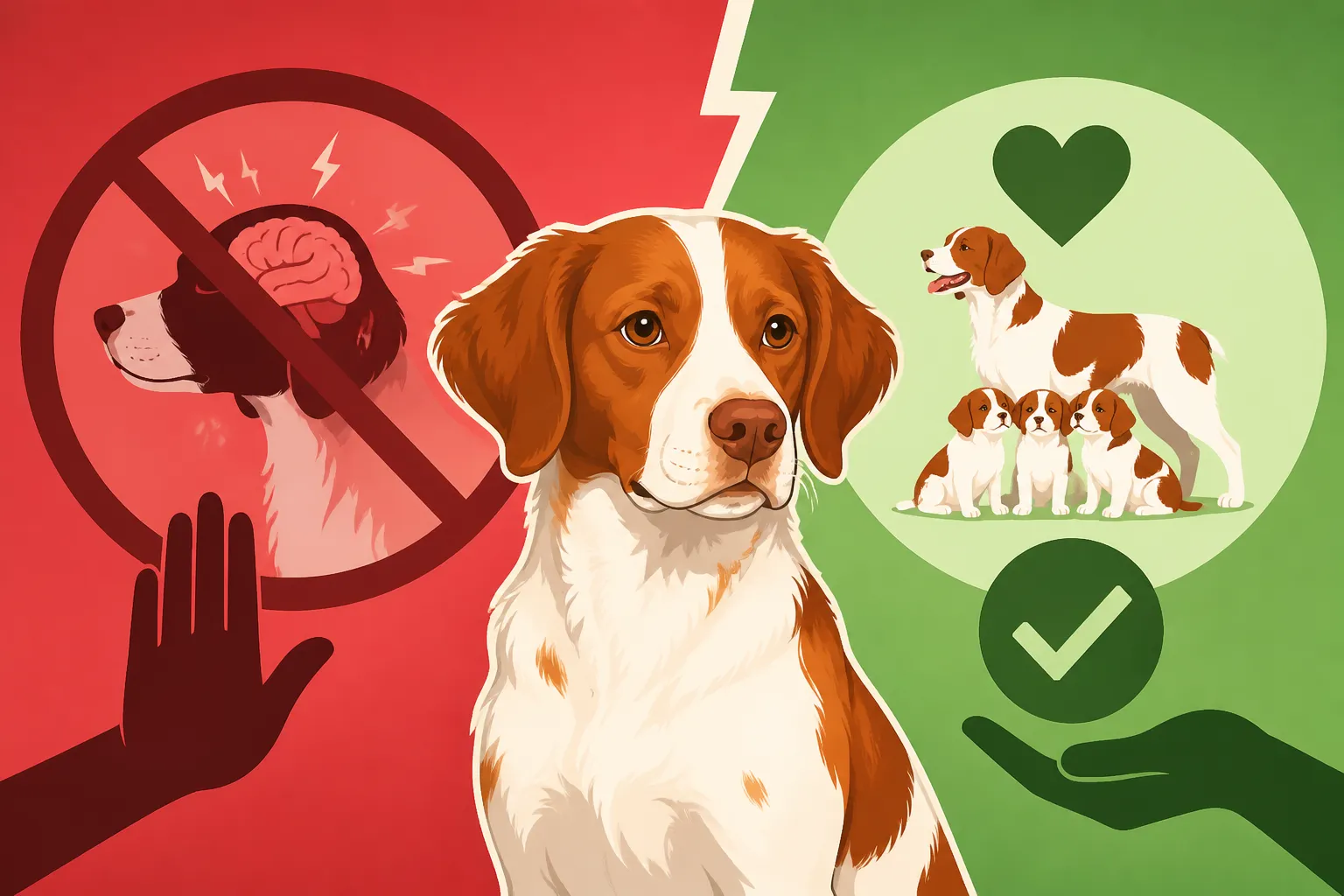
Here's a look at the stark choices faced by breeders:
| Consideration | Breeding an Epileptic Brittany | Not Breeding an Epileptic Brittany |
|---|---|---|
| Genetic Impact | Increases prevalence of epilepsy in the breed, perpetuates suffering. | Prevents passing on the genetic predisposition, protects future generations. |
| Ethical Stance | Irresponsible, prioritizes individual dog/owner desire over breed health. | Responsible, prioritizes breed health and welfare. |
| Offspring Health | High risk of producing epileptic puppies, potential for lifelong medical issues. | No risk of transmitting epilepsy from this dog, helps ensure healthier puppies from other lines. |
| Owner Burden | Creates significant emotional and financial burden for future puppy owners. | Avoids creating preventable burdens for future puppy owners. |
| Breed Reputation | Damages breed's reputation for health and responsible breeding practices. | Upholds and improves the breed's reputation for health and ethical stewardship. |
| Dog's Role | Focus on reproductive potential, ignoring potential for genetic harm. | Focus on the individual dog's health, happiness, and role as a companion. |
| Financial Cost | Potential for increased veterinary costs for offspring and financial risk for breeders. | Potentially reduces long-term breed-wide veterinary costs associated with epilepsy treatment. |
Broader Considerations for Brittany Owners
While this discussion focuses on epilepsy, the principles of responsible pet ownership and breeding extend to many other areas of a Brittany's health and life. Understanding the full scope of care and commitment required for a Brittany helps put breeding decisions into perspective.
The Lifelong Commitment
Owning a Brittany Spaniel is a lifelong commitment, typically spanning The Twelve to Fourteen Years a Brittany Gets. This commitment involves not only daily care but also being prepared for potential health challenges, whether they are genetic, age-related, or injury-induced. From regular veterinary check-ups to managing unexpected illnesses, the financial and emotional investment is significant. Pet insurance, like policies from Healthy Paws, can be an invaluable tool to help manage unforeseen veterinary bills, ensuring you can always provide the best care for your Brittany without having to make difficult choices based on cost. Thinking about What a Brittany Costs Over Its Lifetime really puts into perspective the long-term responsibility involved.
Comprehensive Health Screening for All Brittanys
Even if you're not planning to breed, understanding the importance of comprehensive health screening is vital for your Brittany's well-being. Regular check-ups, appropriate vaccinations, and specific tests based on breed predispositions can catch issues early. For example, knowing What a Brittany's Yearly Bloodwork Should Cover can provide valuable insights into their overall health, detecting problems like hypothyroidism or kidney issues before they become advanced. Responsible ownership extends to being proactive about your dog's health, whether they are a future champion, a hunting partner, or a beloved family pet. This comprehensive approach to care contributes to a longer, healthier, and happier life for your Brittany.
Disclaimer
The information provided in this article is for educational purposes only and should not replace professional veterinary advice. Always consult with a qualified veterinarian regarding your Brittany Spaniel's health and any breeding decisions.