Whether a Brittany Should Be Lean or Covered
It's a common dilemma for Brittany owners, isn't it? You want your athletic companion to be in peak condition, but sometimes it feels like you're walking a tightrope between "too thin" and "a little chunky." Many of us worry if our dog is getting enough to eat, or perhaps getting too much, especially with their endless energy. This guide will help you understand what a healthy, working Brittany should look and feel like, and how to maintain that ideal physique for a long, active life.
Understanding the Brittany's Athletic Build
When you think of a Brittany, you probably picture a dog that's constantly on the move—a blur of orange and white tearing through the field or tirelessly retrieving a bumper. This image isn't just for show; it's deeply ingrained in their genetics and purpose. Brittanys were bred to be agile, quick, and possess incredible endurance, and their body condition needs to support that.
Why "Lean" is Relative for a Brittany
For a Brittany, "lean" doesn't mean bony or underfed; it means having a streamlined, athletic build that allows for maximum performance. Unlike some breeds where a more "cushioned" appearance might be considered normal, a Brittany needs to be light on its feet, capable of sprinting, jumping, and navigating tough terrain without excess weight slowing it down. Their metabolism is often higher than many other breeds, burning calories at an impressive rate, especially during hunting season. This means their ideal weight is often at the lower end of what some might consider "normal" for a dog of their size. They are built for speed and stamina, not bulk. It's about finding that sweet spot where they have ample muscle and energy reserves without carrying any unnecessary fat.
The Importance of Palpating Ribs and Spine
One of the most effective ways to assess your Brittany's condition isn't just by looking, but by feeling. This is called palpation. You should be able to easily feel your Brittany's ribs when you run your hands along their sides, much like feeling the knuckles on the back of your hand. There should be a slight covering of fat over them, but no thick padding. If you have to press hard to feel them, your dog is likely carrying too much weight. Conversely, if the ribs are clearly visible or feel sharp to the touch without any noticeable fat covering, your Brittany might be too lean. The same goes for their spine and hip bones; you should be able to feel them distinctively, but they shouldn't protrude sharply. Learning How to Feel a Brittany's Ribs is a foundational skill for every owner. This hands-on assessment gives you a much clearer picture than just stepping on a scale.
The Dangers of Being Too Lean or Too Covered
Striving for that ideal, athletic build isn't just about aesthetics or performance; it's about safeguarding your Brittany's long-term health and well-being. Both extremes—being too lean or too heavy—come with their own set of serious risks that can impact everything from their daily comfort to their lifespan.
Risks of Being Underweight
While we talk about Brittanys being "lean," there's a fine line between lean and genuinely underweight. An underweight Brittany, especially one that's regularly active or a working dog, can face a host of problems. They might lack the necessary energy reserves to sustain long periods of exercise, leading to poor stamina in the field or even during a vigorous walk in the park. Imagine trying to run a marathon without enough fuel in your tank—that's what an underweight hunting dog experiences. They can become more susceptible to cold, as they have less body fat for insulation. An inadequate fat reserve can also compromise their immune system, making them more prone to illness and slower to recover from injuries. Their recovery time after a strenuous hunt will be longer, and they might even suffer from increased muscle fatigue and weakness. Furthermore, a consistently underweight dog may be dealing with underlying health issues that need veterinary attention, or simply not getting enough of the right nutrition. We sometimes see How Much Weight a Brittany Drops in a Hard Season, and it's crucial to replenish those calories to avoid health issues.
The Problems with Being Overweight
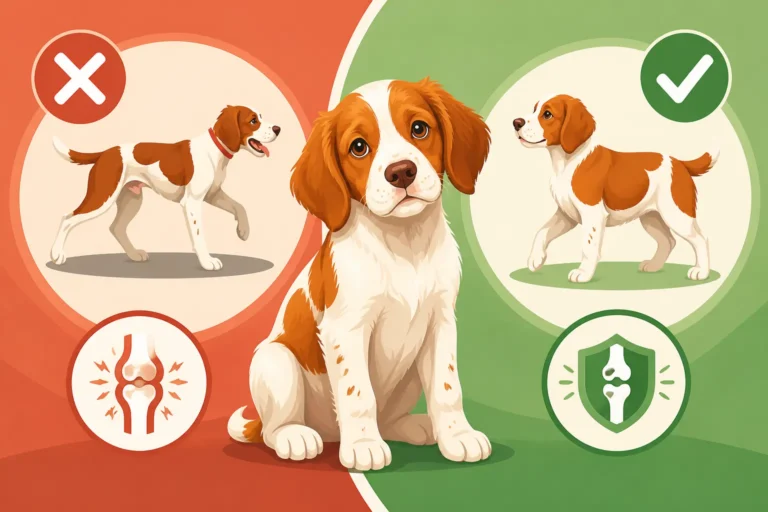
On the other end of the spectrum, an overweight Brittany is far from a healthy one. While a little extra cushioning might seem harmless, it puts immense strain on their joints, particularly their hips and elbows, which are already areas of concern for many active breeds. This can exacerbate conditions like hip or elbow dysplasia, leading to pain, arthritis, and reduced mobility as they age. An overweight Brittany will also have significantly decreased stamina, struggling to keep up during runs or hunts, and will be much more prone to overheating. Their cardiovascular system works harder, increasing the risk of heart disease and other metabolic issues, including diabetes. They lose their characteristic agility and spring, impacting their ability to maneuver in cover or jump obstacles. Ultimately, being overweight severely diminishes their quality of life, making everyday activities more difficult and painful, and shortening their active years. Paying attention to Signs a Brittany Is Overweight can help you intervene before these problems become severe.
Practical Assessment: Is Your Brittany "Just Right"?
So, how do you really know if your Brittany is hitting that sweet spot—not too lean, not too heavy, but perfectly conditioned for their active lifestyle? It's a combination of visual cues, hands-on checks, and understanding their energy levels. It’s an ongoing process, not a one-time check.
The Visual Check: Body Condition Scoring
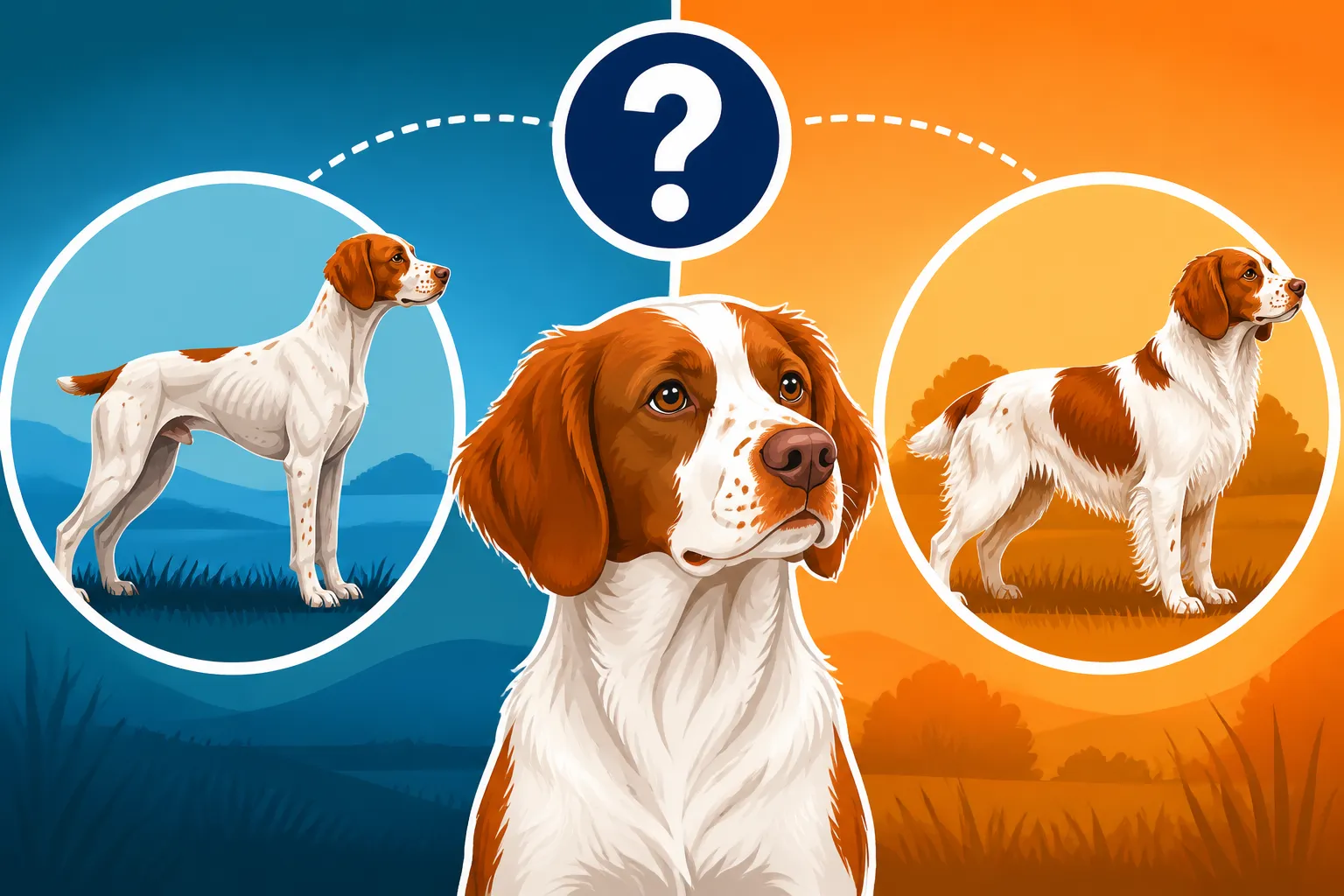
Beyond just feeling the ribs, a visual assessment is key. When you look at your Brittany from above, you should see a distinct waistline, an hourglass figure if you will, tapering in from the ribs to the hips. If they look more like a straight line or bulge out, they're likely carrying too much weight. From the side, their abdomen should tuck up neatly from the bottom of their rib cage towards their hind legs, not hang low or appear flat.
Think of it like this:
- Too Lean: Ribs, spine, and hip bones are clearly visible without pressing. Abdomen is severely tucked. Minimal muscle mass.
- Ideal: Ribs are easily felt with light pressure but not prominently visible. A distinct waist is visible from above, and an abdominal tuck is evident from the side. Muscle mass is well-defined.
- Too Covered: Ribs are difficult to feel under a layer of fat. No visible waist from above, and the abdomen may sag or be flat from the side. Fat deposits may be visible over the base of the tail.
This visual and tactile combination helps you place your dog on a body condition score chart, a tool veterinarians often use. Aiming for a score of 4 or 5 out of 9 is generally considered ideal for an athletic breed like the Brittany.
Activity Level and Energy
Your Brittany’s energy and activity levels are huge indicators of their overall health and weight. A healthy, well-conditioned Brittany should have an abundance of energy, ready for whatever adventure you throw their way. They should be able to run and play for extended periods without tiring quickly, and they should recover relatively fast after strenuous exercise. If you notice your Brittany becoming sluggish, easily winded, or uninterested in activities they once loved, it might be a sign that their weight isn't optimal, or that there's an underlying issue. A dog that is too heavy will struggle to maintain stamina, while one that is too thin might simply not have the fuel. Consider how long your Brittany can genuinely hunt in a day and recover effectively; this is a true test of their conditioning. How Long a Brittany Can Hunt in a Day can offer more insights into what's expected.
Consulting Your Vet and Breeder
While your observations are incredibly valuable, nothing replaces professional advice. Your veterinarian is your best resource for assessing your Brittany's body condition and overall health. During routine check-ups, they can perform a thorough examination, discuss your dog's diet and exercise regimen, and help you set realistic weight goals if needed. They can also rule out any medical reasons for weight fluctuations. Don't hesitate to ask them, "Does my Brittany look like they're at a healthy weight?"
Additionally, a reputable Brittany breeder can provide invaluable insights. They know their lines intimately and can tell you what the typical healthy weight and build look like for dogs from their program. They often have years of experience with many Brittanys and can recognize nuances that might escape a newer owner. Your breeder is a partner in your dog's lifelong health journey, and they want to see your Brittany thrive. Remember to bring up questions about ideal weight during your regular vet visits, especially when they conduct What a Brittany's Yearly Bloodwork Should Cover, as metabolic health ties directly into weight.
Achieving and Maintaining the Ideal Weight
Once you've assessed your Brittany's current condition, the next step is to either maintain that perfect weight or gently guide them towards it. This isn't about crash diets or extreme exercise; it's about consistent, sensible practices that support their natural athleticism and well-being.
Tailoring Nutrition for an Active Brittany
Nutrition is the cornerstone of maintaining an ideal weight. For a Brittany, especially one that's actively hunting or competing, a high-quality, protein-rich diet is absolutely essential. Look for dog foods where meat is the first ingredient, providing the necessary building blocks for strong muscles and sustained energy. Not all dog foods are created equal, and a working Brittany needs more than just basic kibble.
During hunting season, your Brittany's caloric needs can skyrocket. They're burning an incredible amount of energy, and failing to meet those demands can lead to dangerous weight loss and decreased performance. You'll likely need to increase their food intake, potentially switching to a "performance" or "active dog" formula that's higher in fat and protein. Some owners find that splitting their Brittany's daily food into two or three smaller meals helps with digestion and keeps their energy levels steady. Conversely, in the off-season, when activity might naturally decrease, you'll need to slightly reduce their food intake to prevent them from putting on excess weight. It's a constant dance of adjustment based on their activity. Places like Chewy and Amazon offer a huge selection of dog food brands, including those with higher protein and fat content suitable for working dogs. Some owners even explore fresh food options, with services like Ollie delivering tailored meals directly to your door, which can be fantastic for precise calorie control. Understanding How Much More a Brittany Eats in Hunting Season and What Protein Level Suits a Working Brittany will be incredibly helpful.
Consistent Exercise is Key
Alongside nutrition, consistent exercise is paramount. Brittanys are not couch potatoes; they need to run, explore, and expend energy daily. Regular, vigorous exercise not only burns calories but also builds and maintains lean muscle mass, which is crucial for joint support and overall strength. This means daily long walks, runs, or off-leash play in a safe, fenced area. If you're a hunter, conditioning your Brittany before the season opens is critical. Don't wait until the week before; a gradual increase in exercise over several weeks helps build their endurance and toughen their pads, preventing injuries. How Many Weeks a Brittany Needs to Get Fit is a great resource for planning this.
Even in the off-season, when you might not be hitting the fields as hard, maintaining a good base level of fitness is important. Daily exercise keeps their metabolism humming and prevents them from packing on those extra pounds that can be so hard on their joints once hunting season rolls around again. Without adequate exercise, even a perfectly portioned diet can lead to weight gain. Think about How Much Exercise a Brittany Needs Off Season to keep them in top shape year-round. Remember, a fit Brittany is a healthy, happy Brittany.
| Body Condition | Visual Assessment | Palpation (Ribs/Spine) | Energy & Performance | Health Risks |
|---|---|---|---|---|
| Underweight | Ribs, spine, hip bones very visible; severe abdominal tuck. | Ribs feel sharp, no fat covering; spine/hips protrude. | Low stamina, fatigue, less playful. | Weakened immune system, poor cold tolerance, increased injury risk, muscle loss. |
| Ideal | Visible waist from above; abdominal tuck from side; good muscle definition. | Ribs easily felt with slight fat covering; spine/hips felt but not sharp. | High energy, excellent stamina, quick recovery. | Optimal health, reduced joint strain, efficient performance. |
| Overweight | No waist, rounded body; flat or sagging abdomen; fat deposits over tail. | Ribs hard to feel under thick fat; spine/hips difficult to locate. | Low stamina, easily winded, sluggish, heat intolerance. | Joint pain, arthritis, heart disease, diabetes, reduced lifespan, poor performance. |
Disclaimer
This article is for general informational purposes only and does not constitute professional advice. Laws, prices and regulations vary by location and change over time. Consult a qualified professional for guidance on your specific situation.