How to Put Weight Back on a Brittany
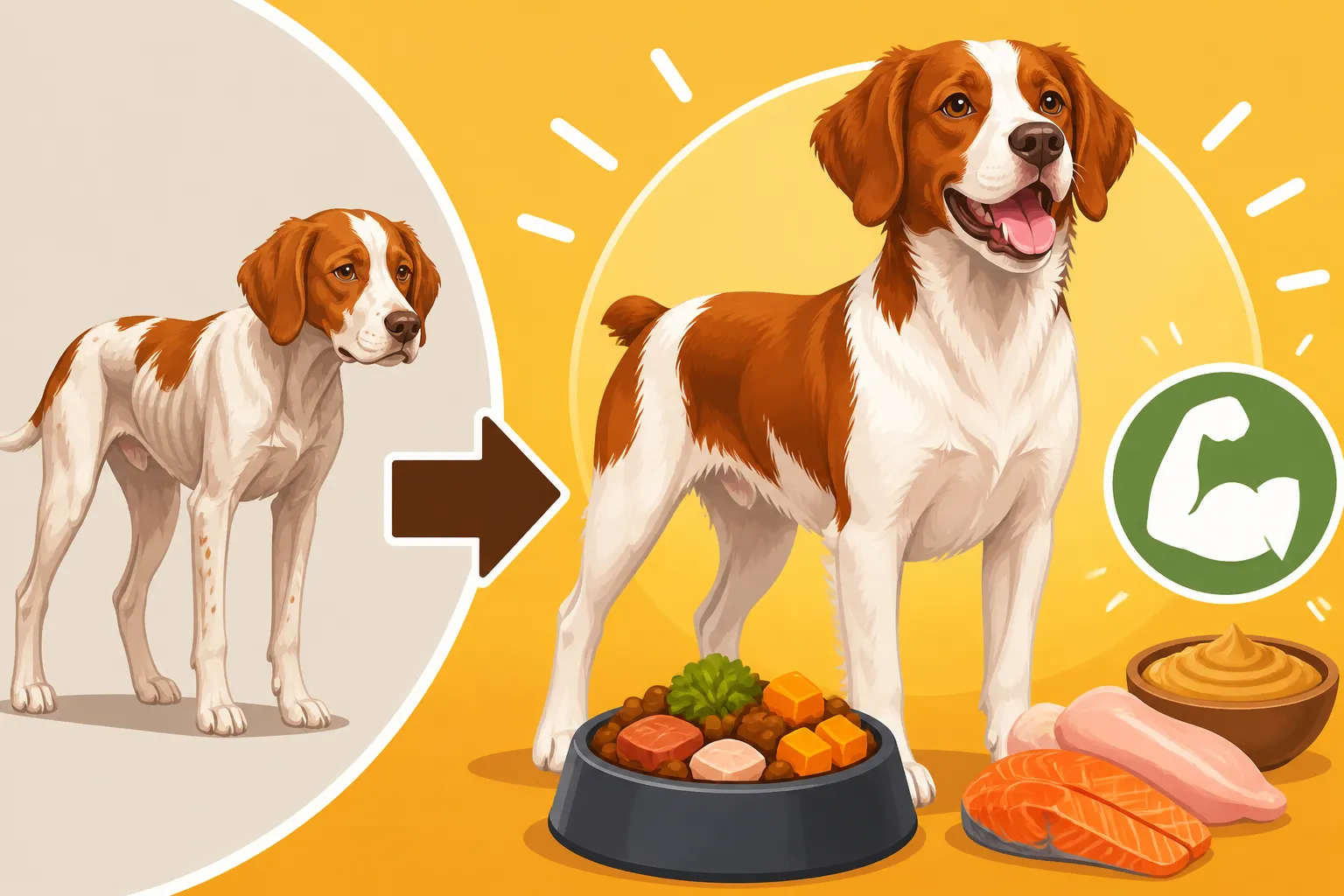
It's incredibly worrying to see your usually vibrant Brittany looking a bit gaunt, especially after a demanding hunting season or if they've been under the weather. That sunken look, those prominent ribs – it can make any dog owner's heart ache. This comprehensive guide is here to walk you through the practical steps, dietary adjustments, and important considerations for safely and effectively helping your beloved Brittany regain a healthy, robust weight.
Unraveling the Mystery: Why Your Brittany Might Be Losing Weight
When your Brittany starts to shed pounds, it's natural to jump to conclusions, but it's crucial to approach this with a detective's mindset. Weight loss isn't just about not eating enough; it can be a symptom of various underlying issues. Understanding the "why" is the first and most critical step before you can effectively implement a plan to put weight back on.
The Demands of a Working Brittany's Lifestyle
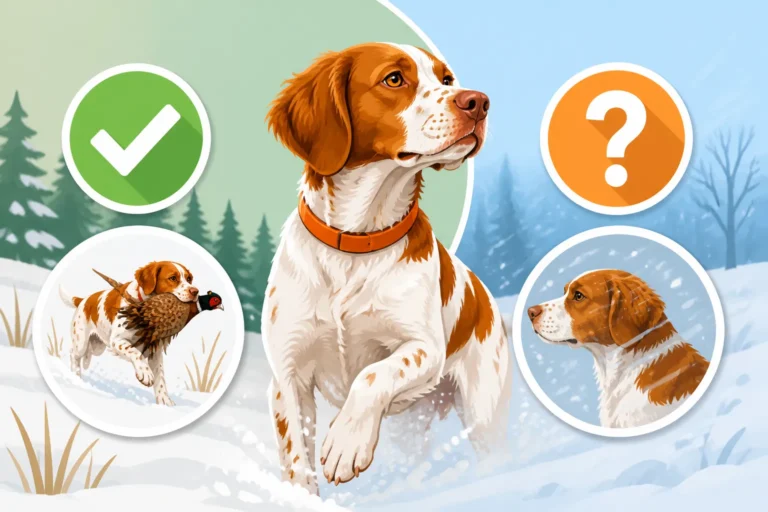
Let's face it, Brittanys are not couch potatoes. They are lean, athletic machines, bred for high energy and stamina in the field. This intense activity level is often the most common culprit behind a working dog's weight loss. During hunting season, especially a particularly rigorous one, your Brittany expends an incredible amount of energy. They're running miles, quartering fields, pushing through thick cover, and constantly engaging their brains and bodies. This calorie output can easily outpace their intake if not managed carefully.
Think about a typical day in the field: your Brittany might be working for hours, pushing through dense brush, retrieving in cold water, and doing it all with an intensity that would exhaust a human in minutes. How Much More a Brittany Eats in Hunting Season directly addresses this increased need. Their metabolism is roaring, burning through calories at an alarming rate. If their food intake isn't adjusted significantly to match this output, they'll inevitably start to tap into their fat reserves and even muscle mass. It's not uncommon for owners to notice How Much Weight a Brittany Drops in a Hard Season, and while a lean, fit Brittany is healthy, a visibly bony one is a cause for concern.
Beyond just the hunting season, even a highly active Brittany in the off-season, perhaps one involved in agility, obedience, or long daily runs, can struggle to maintain weight if their caloric needs aren't being met. Their genetic predisposition for activity means they're constantly burning energy, even when they seem "at rest" compared to a hunt.
Unseen Villains: Underlying Medical Conditions
While activity is a common cause, it's absolutely vital not to overlook potential health issues. Persistent weight loss, especially if it's sudden or accompanied by other symptoms, warrants an immediate veterinary visit. Your Brittany is a stoic breed, often hiding discomfort until it's quite advanced.
One of the first things a vet will investigate is the possibility of parasites. Worms, both intestinal and heartworm, can steal nutrients directly from your dog, leading to weight loss despite a seemingly healthy appetite. Beyond that, a whole host of more serious conditions can manifest as unexplained weight loss. These include:
- Dental Issues: Painful teeth or gums can make eating uncomfortable, leading to reduced intake. Imagine trying to eat with a throbbing toothache – your dog feels the same.
- Gastrointestinal Problems: Chronic diarrhea, vomiting, or malabsorption issues mean your dog isn't properly digesting and absorbing the nutrients from their food. Conditions like Inflammatory Bowel Disease (IBD) or exocrine pancreatic insufficiency (EPI) can severely impair nutrient uptake.
- Thyroid Imbalance: While hypothyroidism (underactive thyroid) often causes weight gain, hyperthyroidism (overactive thyroid) can lead to weight loss, though it's less common in dogs than cats. However, a full What a Brittany's Yearly Bloodwork Should Cover will help identify any hormonal imbalances.
- Kidney or Liver Disease: These organ failures can lead to a general decline in health, including loss of appetite and muscle wasting.
- Diabetes: Uncontrolled diabetes results in the body not being able to use glucose properly, leading to weight loss despite a good appetite.
- Cancer: Sadly, various forms of cancer can cause significant weight loss and muscle atrophy. This is particularly true for Which Cancers a Brittany Spaniel Gets as they age. Early detection is key, which is why a veterinarian should rule this out if other causes are not apparent.
- Chronic Infections: Persistent infections can drain the body's resources, causing a dog to become thin and weak.
A good veterinarian will conduct a thorough physical exam and recommend diagnostics, such as blood work, fecal tests, and potentially imaging, to get to the bottom of any medical reasons for weight loss. Never try to guess or self-diagnose when it comes to your dog's health; a professional opinion is indispensable. This is also why maintaining a regular schedule for How Often a Brittany Needs a Wellness Exam is so important.
Stress and Behavioral Factors
Sometimes, the reasons for weight loss are less physiological and more psychological or environmental. Brittanys are sensitive dogs; Why a Brittany Is Called Soft isn't just a saying, it's a reflection of their temperament. Changes in routine, environment, or even emotional distress can impact their appetite and overall well-being.
- New Environment or Routine: A recent move, a new family member (human or pet), or even a change in your work schedule can stress a Brittany. Some dogs respond to stress by eating less, much like some people do.
- Separation Anxiety: If your Brittany suffers from separation anxiety, the stress of being alone can lead to decreased appetite, pacing, and restlessness, all of which burn calories without adequate intake. What an Under Exercised Brittany Does at Home can sometimes manifest as anxiety, which in turn affects appetite.
- Competition or Dominance Issues: In a multi-dog household, a more timid Brittany might not feel comfortable eating in the presence of more dominant dogs, especially if food bowls are too close or if there's perceived competition.
- Pickiness or Food Aversion: Some Brittanys can be notoriously picky eaters. If they don't like their food, they simply won't eat enough, leading to gradual weight loss. This can also happen if they associate their food with an unpleasant experience. This is especially true if Whether a Brittany Has a Sensitive Stomach and a previous food caused issues.
- Grief or Depression: Dogs can experience emotions deeply. The loss of a companion animal or a beloved human can lead to a period of grief and disinterest in food. Why an Aging Brittany Slows Down Suddenly might sometimes be linked to depression, impacting appetite.
Observing your Brittany's behavior around meal times and throughout the day can provide valuable clues. Are they anxious? Are they guarding their food or avoiding it? Do they show interest but then walk away? These observations are crucial to help pinpoint if a behavioral component is at play. Why a Brittany Hides Pain can also extend to hiding discomfort with eating, so keen observation is key.
Assessing Your Brittany's Current Condition
Before you embark on a weight-gain journey, you need a clear picture of where your Brittany stands right now. This isn't just about looking at them; it's about feeling and understanding their body composition. This baseline assessment will guide your strategy and help you track progress.
The Rib Test: A Hands-On Assessment
The "rib test" is a simple, effective way to gauge your Brittany's body condition score (BCS). You want to be able to feel their ribs easily, but not see them prominently.
- Feel for the ribs: Gently run your hands along your Brittany's sides, over their rib cage.
- Ideal: You should be able to feel each rib individually with slight pressure, almost like feeling the back of your hand with your palm. There should be a thin layer of fat covering them.
- Underweight: If you can see the ribs clearly without even touching, or if you feel them sharply with no fat covering (like feeling your knuckles), your Brittany is likely too thin.
- Overweight: If you have to press hard to feel the ribs, and there's a noticeable layer of fat, your dog is carrying too much weight.
- Check the waist: Look at your Brittany from above. They should have a distinct waistline that tucks in behind the ribs.
- Ideal: A clear, hourglass figure.
- Underweight: A very pronounced tuck, almost appearing "pinched."
- Overweight: No discernible waist, appearing more like a straight line or even bulging.
- Observe the abdominal tuck: Look at your Brittany from the side. Their belly should tuck up from their chest, not hang low.
- Ideal: A moderate tuck, indicating good muscle tone.
- Underweight: A very extreme tuck, almost racing greyhound-like.
- Overweight: A sagging or pendulous abdomen.
You can also use a visual guide. Many vets and reputable organizations provide Body Condition Score charts, usually on a scale of 1-9 (with 5 being ideal) or 1-5 (with 3 being ideal). Print one out and keep it handy. Regularly performing How to Feel a Brittany's Ribs will become second nature, allowing you to quickly spot changes.
Consulting Your Veterinarian
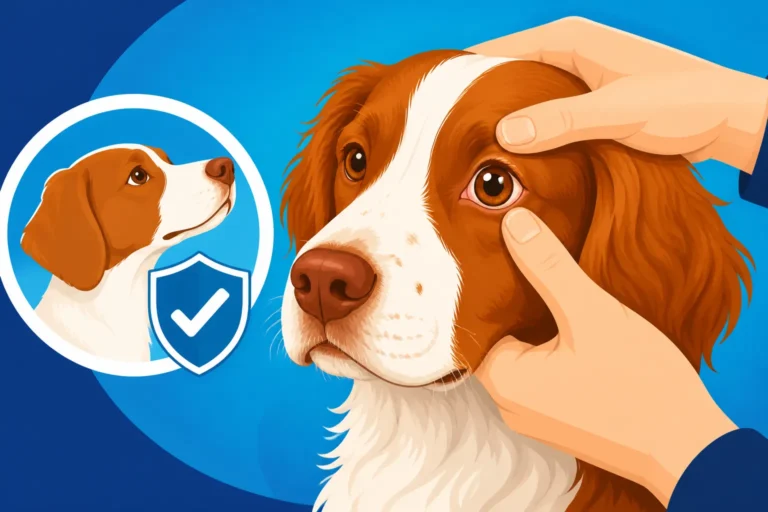
Even if you suspect the weight loss is simply due to high activity, a veterinary check-up is non-negotiable before implementing any drastic dietary changes. As discussed earlier, myriad medical conditions can cause weight loss, and you don't want to overlook something serious.
During the visit, your vet will:
- Perform a full physical examination: Checking teeth, gums, lymph nodes, palpating the abdomen, and listening to heart and lungs.
- Discuss your Brittany's history: Diet, activity level, recent changes, any other symptoms (vomiting, diarrhea, lethargy, coughing, changes in drinking/urination).
- Recommend diagnostic tests: This might include blood work (CBC, chemistry panel, thyroid panel), urinalysis, and fecal tests to check for parasites. Depending on findings, further tests like X-rays, ultrasound, or specialized GI panels might be suggested.
This is not a step to skip. Getting a clean bill of health or identifying an underlying issue ensures that any weight-gain strategy you implement is safe and appropriate for your individual Brittany.
Strategic Nutritional Approaches to Gaining Weight
Once you've ruled out medical issues and established your Brittany's starting point, it's time to craft a feeding plan. The goal is to increase caloric intake and nutrient absorption without upsetting their digestive system.
Choosing the Right Food: High-Calorie & Nutrient-Dense
Not all dog foods are created equal, especially when you're trying to add weight. You need a food that packs a punch nutritionally.
- Performance or All Life Stages Formulas: These foods are specifically designed for highly active dogs or puppies, often with higher protein and fat content. They offer more calories per cup than maintenance adult formulas. Look for foods that state "high performance," "sporting dog," or "all life stages" on the bag. These are often designed for dogs like Brittanys who burn a lot of energy. Whether a Working Brittany Needs a Performance Food is a question many active dog owners grapple with, and for weight gain, the answer is often yes.
- Higher Protein Content: Protein is essential for building and maintaining muscle mass. Aim for foods with at least 25-30% protein, preferably from high-quality animal sources like chicken, beef, or lamb.
- Higher Fat Content: Fat is the most calorie-dense nutrient, providing more than double the calories per gram compared to protein or carbohydrates. Look for fat content in the 18-25% range for weight gain.
- Digestibility: A highly digestible food means your Brittany can absorb more of the nutrients. Ingredients like easily digestible carbohydrates (rice, sweet potato) and quality animal proteins contribute to this. Some owners find that fresh food options, like those from Ollie, can be highly palatable and digestible, which is a huge plus for dogs that might be finicky or have sensitive stomachs.
- Avoid "Filler" Ingredients: While some fiber is good, excessive amounts of low-nutrient fillers can reduce the caloric density of the food, meaning your dog gets full faster on fewer calories.
When switching foods, do it gradually over 7-10 days to avoid digestive upset. Start by mixing a small amount of the new food with the old, slowly increasing the new food while decreasing the old.
Increasing Portions and Frequency
Simply put, your Brittany needs more calories. This can be achieved in two main ways: feeding more at each meal and feeding more meals throughout the day.
- Gradual Increase in Portions: Don't double their food overnight. Start by adding about 10-15% more food to their current meals for a few days, then monitor their stool and energy. If all is well, increase again. Keep a log of how much you're feeding and how your Brittany is responding. The bag guidelines are a starting point, but an active Brittany might need significantly more than the recommendation for their weight. This is particularly relevant when considering How Many Cups a Day an Adult Brittany Eats.
- More Frequent Meals: Instead of two large meals, consider three or even four smaller meals spaced throughout the day. This can be easier on your Brittany's digestive system and allow for better nutrient absorption, especially for dogs that might eat too quickly or get bloated from large meals. For a Brittany that tends to gulp its food, a slow feeder bowl can also be helpful.
- Calorie Boosters and Toppers: These can be a game-changer for adding extra calories without drastically increasing the volume of dry kibble.
- Wet Food: Mixing a high-quality wet food into their kibble is often highly palatable and adds significant moisture and calories.
- Cooked Meat: Lean ground beef, chicken, or turkey (cooked and unseasoned) can be a fantastic, protein-rich addition. Start with small amounts.
- Eggs: Cooked eggs (scrambled or hard-boiled) are a great source of protein and healthy fats.
- Canned Pumpkin: While lower in calories, a tablespoon or two of pure canned pumpkin (not pie filling) can aid digestion, which helps with nutrient absorption.
- Omega-3 Fatty Acid Supplements: Fish oil or salmon oil not only provide healthy fats (and thus calories) but also benefit skin, coat, and joint health. You can find many reputable brands of these supplements on Amazon or Chewy.
- Weight Gain Supplements: There are specific supplements formulated for weight gain in dogs. These often contain a concentrated blend of fats, proteins, and digestive enzymes. Always consult your vet before adding supplements to ensure they're appropriate for your dog.
- High-Calorie Gel: Some companies offer high-calorie nutritional gels that are easy to administer and packed with energy.
A balanced approach is best. Don't just add fat; ensure a good balance of protein and fat to build muscle, not just fat.
Table: Comparing Weight Gain Strategies
| Strategy | Description | Pros | Cons |
|---|---|---|---|
| High-Calorie Kibble | Switching to performance or all-life-stage formulas. | Consistent, convenient, balanced for active dogs. | May require gradual transition, some dogs still need more. |
| Increased Portions | Feeding more of the current or new food at each meal. | Simple, direct increase in calories. | Can overwhelm digestive system if too much too fast, risk of bloat with large meals. |
| Increased Frequency | Breaking daily intake into 3-4 smaller meals. | Easier digestion, better nutrient absorption, maintains satiety. | Requires more frequent feeding times throughout the day. |
| Wet Food Toppers | Mixing high-quality wet food with kibble. | Highly palatable, adds moisture and calories, easy to find. | Can be more expensive, some dogs become picky about plain kibble afterward. |
| Cooked Meat/Eggs | Adding unseasoned cooked meats (chicken, beef) or eggs. | Excellent source of protein and fat, highly appealing. | Requires preparation, must be unseasoned, careful with fat content if not balanced. |
| Omega-3 Supplements | Adding fish or salmon oil. | Healthy fats, supports skin/coat/joints, easy to mix in. | Small caloric impact compared to food, too much can cause loose stool. |
| Weight Gain Powders/Gels | Concentrated calorie and nutrient supplements. | Highly caloric, specifically formulated for weight gain. | Can be expensive, always consult vet, may contain ingredients unsuitable for sensitive dogs. |
Monitoring Progress and Addressing Challenges
Getting your Brittany back to a healthy weight isn't an overnight process. It requires patience, consistency, and careful observation.
Regular Weigh-Ins and Body Condition Checks
Consistency is key. Make it a routine to:
- Weigh your Brittany: Use a bathroom scale (weigh yourself, then weigh yourself holding your dog, subtract the difference). Do this once a week at the same time of day. Keep a written record of their weight.
- Perform the "rib test": Continue to do this every few days, noting the subtle changes in how their ribs, waist, and tuck feel.
- Take photos: Weekly photos from the side and top can be incredibly helpful. Sometimes, gradual changes are hard to notice day-to-day, but photos over several weeks will clearly show progress.
Remember, slow and steady wins the race. Rapid weight gain isn't healthy and can lead to digestive issues or other problems. Aim for a gradual increase, perhaps 1-2 pounds a week for a medium-sized Brittany, depending on how underweight they are.
Adjusting the Plan as Needed
Your Brittany's weight gain journey won't be a straight line. You'll need to be flexible and adjust your strategy based on their response.
- If weight gain is too slow: You might need to slightly increase portion sizes, add another calorie booster, or introduce another small meal. Ensure your Brittany is actually eating all the food you're offering. Sometimes, a dog will push away the extra food if they're not used to it.
- If digestive upset occurs (loose stools, vomiting): This is a sign you've increased calories or changed food too quickly. Roll back to the previous successful feeding level, let their system settle for a few days, then restart the increases more slowly. Consider adding a probiotic supplement (available on Chewy or Amazon) to support gut health during this transition.
- If your Brittany seems lethargic or unwell: Stop the weight gain plan and contact your vet immediately. This could indicate a new underlying health issue or an adverse reaction to a dietary change.
- Consider Activity Level: While the goal is weight gain, don't stop exercising your Brittany entirely. Moderate, consistent exercise helps build healthy muscle mass, which is preferable to just fat. However, if they are severely underweight, you might need to temporarily reduce strenuous activities to conserve energy for weight gain. Whether an Aging Brittany Still Wants to Hunt or Whether an Aging Brittany Loses Muscle are important considerations for older dogs where activity may naturally decrease.
Putting weight back on a Brittany requires dedication and a watchful eye, but with the right approach and a little patience, you'll soon see your lean, athletic companion return to their healthy, robust self, ready to tackle the field or simply enjoy life to the fullest.
Disclaimer
This article is for general informational purposes only and does not constitute professional advice. Laws, prices and regulations vary by location and change over time. Consult a qualified professional for guidance on your specific situation.