Whether a Brittany’s Ear Canal Stays Damp
One of the most common worries for Brittany Spaniel owners, especially those with active dogs who love the water or spend a lot of time in damp cover, is managing their ears. It’s a legitimate concern: many wonder if their Brittany's ear canals perpetually remain damp, creating a constant battle against infections. This guide will explore the unique challenges Brittanys face with ear dampness and offer practical advice to keep those ears healthy and dry.
The Unique Anatomy of a Brittany's Ear
Brittanys, like many other sporting breeds, have a specific ear structure that, while charming, can unfortunately predispose them to moisture retention and subsequent issues. Understanding this anatomy is the first step in effective preventative care.
The Droop and the Fur: A Perfect Storm
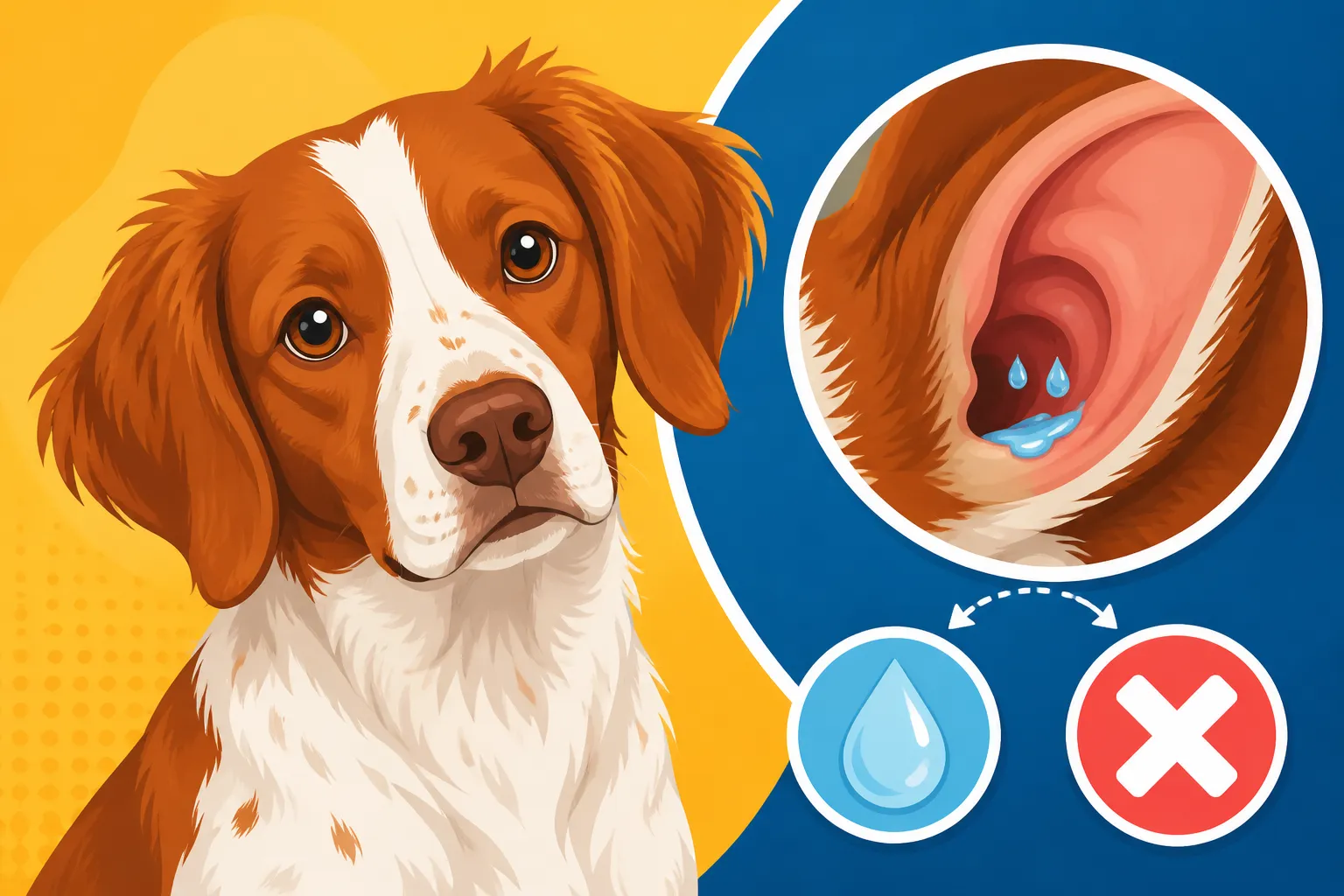
Unlike breeds with upright ears, a Brittany’s ears are described as "pendulous," meaning they hang down. This droop effectively covers the ear canal opening, limiting air circulation. Think of it like a curtain drawn over a window—less fresh air gets in, and less moisture evaporates out. On top of this, Brittanys have feathering, those lovely longer hairs, often on the edges and undersides of their ears. While beautiful, this feathering can act like a sponge, soaking up water and holding it right against the ear opening. After a vigorous hunt through dewy grass or a refreshing swim in a pond, these furry curtains become saturated, holding moisture stubbornly close to the skin and inside the ear canal. This combination of a floppy ear and dense fur creates a warm, humid environment that is far from ideal.
How Airflow (or Lack Thereof) Contributes
The lack of natural airflow is a significant factor in why a Brittany's ear canal can stay damp. In an upright-eared dog, air can easily move in and out of the ear canal, helping any moisture evaporate quickly. For a Brittany, however, the ear flap essentially seals off the opening. Every time your dog shakes their head, water and debris might be pushed further down the canal rather than expelled. This creates a miniature greenhouse effect within the ear, where moisture has nowhere to go. It’s not just water from external sources either; natural ear wax and oils can also trap moisture, and without proper ventilation, this can lead to an accumulation of dampness. This persistent humidity is precisely what breeds a host of problems we want to avoid.
The Glandular Factor
Beyond the physical structure, a Brittany's ear canals contain sebaceous glands, just like skin elsewhere on the body. These glands produce sebum, a natural oily substance that helps keep the skin and hair healthy. However, in an already damp and poorly ventilated environment, this sebum can become excessive. When combined with trapped moisture, it can create a greasy, waxy buildup that is an even more potent breeding ground for microorganisms. Some Brittanys are naturally prone to producing more wax than others, making them even more susceptible to moisture-related issues. Understanding this internal factor helps us realize that preventing dampness isn't just about drying external water, but also managing the internal environment of the ear canal.
Why Dampness is a Problem for Brittany Ears
Persistent dampness in a Brittany's ear canal is more than just an annoyance; it’s a direct pathway to discomfort, pain, and potentially serious health issues for your beloved companion. The moist, warm, and dark environment is essentially an open invitation for opportunistic invaders.
The Ideal Breeding Ground for Yeasts and Bacteria
Imagine a stagnant puddle on a warm day – it doesn't take long for life to start thriving there. The same principle applies to your Brittany's ear canal when it stays damp. Yeast, specifically Malassezia pachydermatis, is a common inhabitant of dog skin, usually in harmless numbers. However, when the ear canal becomes a humid, warm, and poorly ventilated haven, this yeast can rapidly overgrow. The result is a yeasty ear infection, characterized by a distinct sweet, often pungent odor, brown waxy discharge, and intense itching.
Bacteria, too, find these conditions irresistible. Common culprits like Staphylococcus and Pseudomonas can multiply quickly in a damp environment. Bacterial infections are typically more foul-smelling, with yellow or green pus-like discharge, and can be excruciatingly painful for your dog. A severe bacterial infection can lead to deeper issues if left untreated, making early detection and prevention crucial. When you are asking yourself Why a Brittany's Ears Get Infected Every Season, dampness is almost always a primary contributing factor.
Common Ear Infections and Their Symptoms
Brittanys are particularly prone to external ear infections, known as otitis externa, due to the factors mentioned above. Recognizing the signs early can save your dog a lot of discomfort and prevent the infection from escalating. Here's what to look out for:
- Head shaking: This is often the first and most obvious sign. Your dog will shake their head vigorously, trying to dislodge the irritation.
- Ear scratching: They'll paw at their ears, sometimes quite frantically, leading to skin irritation around the ear flap.
- Redness and inflammation: The skin inside the ear flap and around the canal opening may appear red, swollen, and warm to the touch.
- Discharge: As mentioned, this can range from brown and waxy (yeast) to yellow or green and pus-like (bacteria).
- Odor: A distinct, often unpleasant smell emanating from the ear.
- Pain: Your dog may yelp when you touch their ear, or become withdrawn and reluctant to interact.
- Changes in behavior: They might seem lethargic, lose their appetite, or generally act "off."
If you notice any of these Signs a Brittany's Ear Is Infected, it's time for a vet visit. Ignoring these symptoms can lead to more chronic conditions, internal ear infections, or even permanent hearing damage.
The Cycle of Itch, Scratch, and Inflammation
The problem with ear infections is that they often become a vicious cycle. The initial dampness fosters yeast or bacteria, which causes itching. The itching leads to scratching and head shaking, which further irritates the delicate skin lining the ear canal. This irritation causes inflammation and swelling, making the ear canal even narrower, trapping more moisture and debris, and further reducing airflow. This creates an even more perfect environment for the microbes to thrive, intensifying the itch and pain.
It's a frustrating loop for both you and your dog. Chronic inflammation can lead to thickening of the ear canal tissues, making it even harder to treat and manage future infections. In some severe, long-standing cases, the ear canal can become so damaged that surgical intervention might be necessary. This is why proactive care and quick action at the first sign of trouble are so vital for Brittanys.
Strategies to Keep Your Brittany's Ears Dry and Healthy
Given the challenges inherent in a Brittany's ear anatomy, proactive and consistent care is not just recommended, it's essential. Preventing dampness and promoting a healthy ear environment should be a regular part of your routine, especially if your dog is active outdoors or enjoys water.
Post-Water Care: Immediate and Thorough Drying
This is perhaps the most critical step for any Brittany owner whose dog loves to swim, retrieve from water, or simply spend time romping through wet grass. Water quickly gets trapped in those floppy ears, and if left there, it's a guaranteed path to trouble.
After any exposure to water—whether it's a bath, a dip in the lake, or a morning spent hunting in dewy cover—you must thoroughly dry your Brittany's ears. Start by gently folding back the ear flap and using a soft, absorbent towel or cotton balls to blot away as much moisture as possible from the visible parts of the ear. Never insert cotton swabs deep into the ear canal, as this can push debris further in and potentially damage the eardrum.
Next, consider using an ear drying solution. These products are specifically formulated to help evaporate residual moisture and often contain ingredients that discourage microbial growth. Look for solutions labeled for post-swimming use. You can find excellent options on platforms like Amazon or Chewy. Follow the instructions on the product carefully: typically, you'll squirt a small amount into the ear canal, gently massage the base of the ear for 30 seconds to distribute it, and then allow your dog to shake their head. Wipe away any expelled solution or debris. Making this a non-negotiable step will dramatically reduce the risk of dampness-related infections. Remember, Whether a Brittany's Ears Should Be Dried After Water is not a question, it's a necessity.
Routine Cleaning and Maintenance
Beyond post-water care, regular ear cleaning is crucial, even if your Brittany hasn't been in water. This helps remove excess wax, dirt, and any environmental debris that might find its way into the ear canal. The frequency will depend on your individual dog, but a good starting point is checking their ears weekly and cleaning as needed. If your Brittany is prone to ear issues, more frequent cleaning might be necessary, perhaps every few days. How Often a Brittany's Ears Should Be Checked usually increases during hunting season.
For routine cleaning, use a veterinarian-approved ear cleaner. These solutions are formulated to break down wax without irritating the delicate skin. Again, you can find various reputable brands on Chewy or at your local pet supply store. Apply the cleaner as directed: fill the ear canal (it might seem like a lot, but it helps flush things out), massage the base of the ear to work the solution, and then let your dog shake their head. Finish by wiping the visible parts of the ear with a cotton ball or soft cloth. Never use harsh soaps, alcohol, or hydrogen peroxide, as these can cause irritation and damage.
Some Brittany owners also find that judicious trimming of the hair around the opening of the ear canal can improve airflow. This isn't about plucking hair from inside the canal (which can cause micro-traumas and infection), but rather carefully trimming the longer feathering that might be trapping moisture and obstructing air circulation around the ear opening. Consult your vet or a professional groomer if you're unsure how to do this safely.
Environmental Considerations for Ear Health
Your Brittany's environment also plays a significant role in ear health. While you can't control everything, being mindful of certain factors can help.
- Allergies: Many ear infections are secondary to underlying allergies, either environmental (pollen, dust mites) or food-related. If your Brittany experiences recurrent ear infections despite diligent cleaning, talk to your vet about allergy testing. Managing allergies, sometimes with specialized diets from brands like Ollie or prescription medications, can significantly improve ear health. What a Brittany Is Most Often Allergic To can be a complicated question, often manifesting in skin and ear issues.
- Humidity: While you can't change the weather, be extra vigilant with ear checks and drying routines during periods of high humidity. If your dog spends time in a kennel or dog box, ensure it's well-ventilated to prevent a humid microclimate.
- Parasites: Ear mites, though less common in adult dogs than puppies, can cause intense itching and irritation, leading to inflammation and secondary infections. Regular parasite prevention should be part of your overall care routine.
- Diet and overall health: A balanced diet supports a strong immune system, which is your dog's first line of defense against infections. Ensure your Brittany is on a high-quality dog food appropriate for their activity level.
By combining diligent post-water care, routine cleaning, and attention to environmental and health factors, you can significantly reduce the likelihood of your Brittany's ear canal staying damp and ward off those troublesome ear infections.
| Ear Care Action | When to Perform | Why It's Important | Key Considerations |
|---|---|---|---|
| Thorough Drying | After every water exposure (swim, bath, wet hunt) | Prevents moisture retention, which is a breeding ground for microbes. | Use soft towel/cotton, ear drying solution. Never use Q-tips deep in canal. |
| Routine Cleaning | Weekly, or as needed based on dog's ear wax/dirt | Removes wax, debris, and minimizes microbial buildup. | Use vet-approved cleaner. Consult vet for frequency. |
| Ear Checks | Daily/weekly, especially during hunting season | Early detection of redness, odor, discharge, or pain allows for prompt action. | Look, smell, gently feel. Know what healthy ears look like. |
| Hair Trimming (external) | As needed to improve airflow | Helps air circulate, reducing humidity inside the ear flap. | Trim carefully, only around the opening. Avoid plucking inside. |
| Allergy Management | Ongoing, if allergies are diagnosed | Addresses underlying causes of inflammation and recurrent infections. | Consult vet for testing and treatment plan (diet, medication). |
When to Seek Veterinary Help for Persistent Dampness or Infections
Despite your best efforts, sometimes ear issues can still arise or persist. It's crucial to know when to stop home remedies and seek professional veterinary attention. Delaying treatment can turn a minor problem into a chronic, painful, and more expensive one.
Recognizing Red Flags
While minor redness or a bit of wax might be manageable with a routine cleaning, certain signs demand immediate veterinary intervention. If you notice any of the following, don't hesitate to call your vet:
- Intense pain: Your Brittany yelps, cries, or snaps when you try to touch their ear, or holds their head tilted constantly.
- Swelling: Significant swelling around the ear canal or on the ear flap itself. This could indicate an advanced infection or even an aural hematoma, which is a blood blister on the ear flap that often occurs from vigorous head shaking.
- Foul odor: A very strong, putrid smell, especially if it’s accompanied by yellow or green discharge. This often signals a bacterial infection that requires specific antibiotic treatment.
- Excessive discharge: A sudden increase in the amount of discharge, or a change in its color or consistency.
- Lethargy or loss of appetite: These systemic signs suggest the infection is impacting your dog's overall health and is likely quite advanced.
- No improvement with home care: If you've been diligently cleaning and drying for a few days and the symptoms haven't improved, or have worsened, it's time for professional help.
- Balance issues or disorientation: These can indicate a middle or inner ear infection, which is much more serious and can affect hearing and balance.
Never assume an ear infection will "just go away." Signs a Brittany's Ear Is Infected should always prompt a call to your veterinarian.
Understanding Diagnostic Steps
When you bring your Brittany to the vet for an ear problem, they won't just guess what's going on. They'll perform a thorough examination to get to the root of the issue.
First, the vet will carefully examine your dog's ear using an otoscope, a specialized instrument with a light and magnifying lens. This allows them to visualize the ear canal, assess the level of inflammation, check for foreign bodies (like a sneaky foxtail!), and determine if the eardrum is intact.
Next, they will likely take a swab of any discharge or debris from the ear canal. This sample will be examined under a microscope (cytology) to identify the presence and type of yeast, bacteria, or mites. This step is crucial because it dictates the specific medication needed. For instance, an infection primarily caused by yeast will require antifungal medication, while a bacterial infection will need antibiotics. Sometimes, if the infection is recurrent or resistant, the vet might send a culture and sensitivity test to an external lab to determine exactly which antibiotic will be most effective.
This diagnostic approach ensures your Brittany receives the correct and most effective treatment, rather than a generic guess that might not resolve the issue.
Long-Term Management and Prevention
For Brittanys prone to recurrent ear infections, long-term management goes beyond just treating the current flare-up. Your vet will work with you to develop a preventative strategy to keep future problems at bay. This might include:
- Scheduled cleanings: Establishing a regular ear cleaning schedule, perhaps with a specific medicated cleaner, even when the ears appear healthy.
- Prescription drying solutions: For very active water dogs, a stronger prescription drying agent might be recommended.
- Addressing underlying allergies: As mentioned, if allergies are suspected, managing them with diet, environmental changes, or medication (e.g., antihistamines, steroids, or allergy shots) is paramount. Brands like Ollie offer specialized hypoallergenic food options that could be beneficial.
- Topical medications: In some cases, a vet might prescribe a maintenance topical medication to be used a few times a week to keep yeast and bacteria in check.
- Surgery (in rare, severe cases): For chronic, irreversible ear canal disease, a total ear canal ablation (TECA) might be considered. This is a last resort to remove the diseased ear canal and alleviate pain, but it's important to prevent reaching this stage with good preventative care.
Staying vigilant, adhering to your vet's recommendations, and maintaining a consistent ear care routine are your best tools for ensuring your Brittany enjoys a lifetime of healthy, comfortable ears. After all, a healthy Brittany is a happy Brittany, ready for the field!
Disclaimer
This article is for general informational purposes only and does not constitute professional advice. Laws, prices and regulations vary by location and change over time. Consult a qualified professional for guidance on your specific situation.