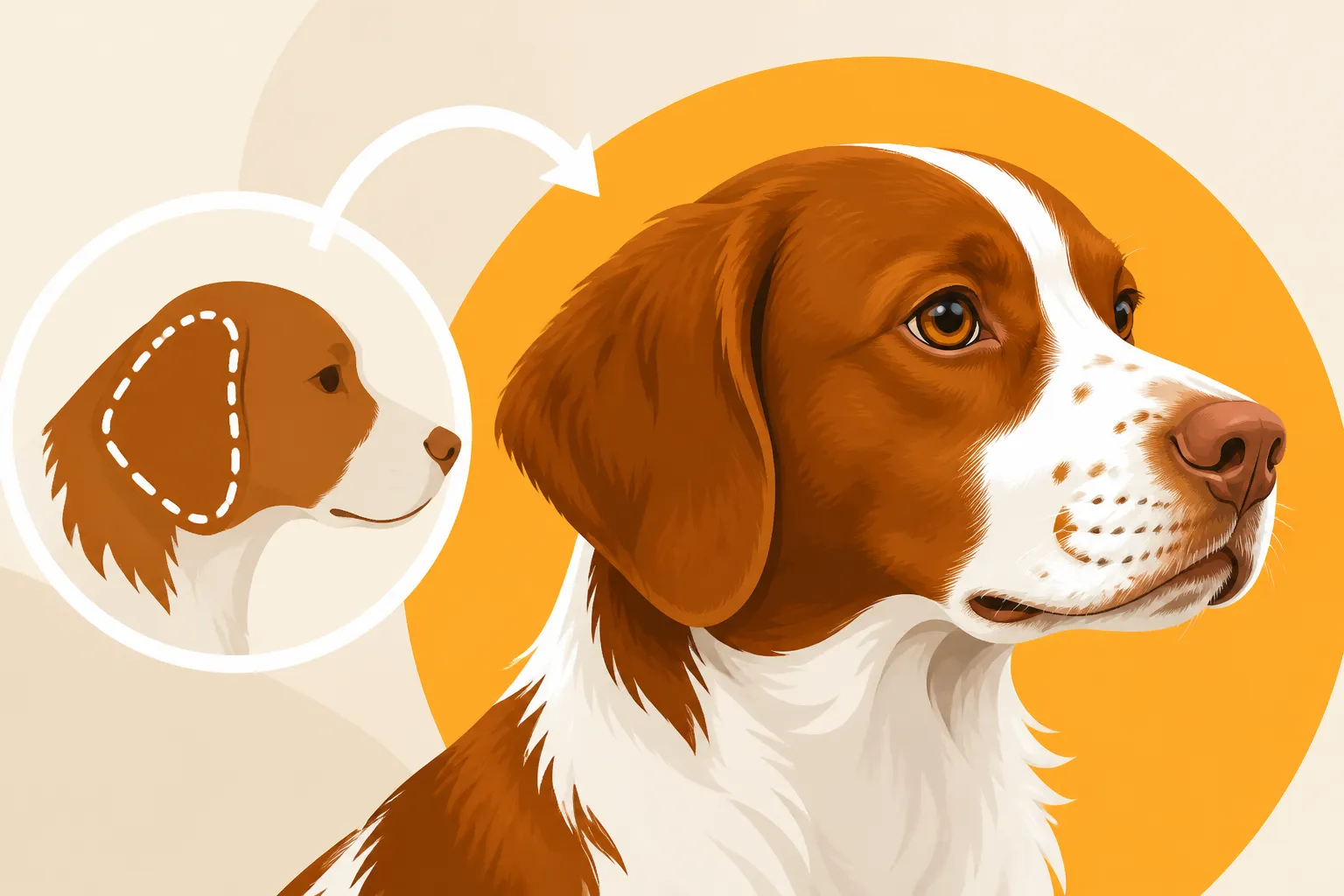
Why a Brittany’s Ear Sits Flat Against Its Head
Oh, the quintessential Brittany ear! Many of us Brittany owners have found ourselves staring fondly at our beloved companions, perhaps when they're snoozing by the fire or intently watching a squirrel, and noticed how perfectly those ears lie flat against their heads. It’s a characteristic that’s both endearing and, as we'll explore, deeply tied to their breed's purpose and health. This comprehensive guide is going to dive deep into why a Brittany's ear naturally sits flat, what that means for their health, and when this perfectly normal trait might actually be a red flag.
Understanding the Brittany's Unique Ear Anatomy
The way a Brittany's ears are shaped and set is no accident; it’s a design honed over generations for their specific role as a versatile gun dog. Unlike some breeds with prick ears that stand straight up, or even other spaniel types with heavier, lower-set ears, the Brittany's ear has a distinct configuration that allows for both functionality in the field and that charming, close-fitting look we adore.
The Low Set and Pendant Ear
A Brittany's ear is what we call "pendant," meaning it hangs down. But it's not just any floppy ear; it's quite distinct. They are set high on the head, but the leathers themselves hang close to the cheeks, creating a rather neat, triangular shape that frames their intelligent, expressive eyes. This relatively high setting, coupled with a moderate length that doesn't drag on the ground but still covers the ear canal, is a hallmark of the breed. It allows them to maintain an alert posture while still offering protection.
This design is a masterclass in form meeting function for a hunting dog. Imagine your Brittany pushing through dense cover, brambles, and tall grasses. Those ears, lying flat, are less likely to snag on thorns or collect burrs and seeds directly into the ear canal. They act almost like natural deflectors, guiding debris away from the sensitive inner workings of the ear. Contrast this with a breed whose ears stand up, like a German Shorthaired Pointer, or those with excessively long, heavy ears that can become waterlogged or easily injured. The Brittany’s design strikes a lovely balance.
Beyond protection, this natural ear carriage also plays a role in their scenting ability. While not solely responsible for it, the way the ears lie close to the head can subtly help funnel scent towards the nose, creating a slightly more enclosed area to concentrate those fleeting airborne particles. It's a small detail, but in a breed so dedicated to finding birds, every little bit counts. You'll often see them tilting their head, using their ears as subtle guides, especially when working a scent trail through varied terrain.
Cartilage, Muscle, and Natural Position
The underlying structure of a Brittany's ear is all about flexible strength. The cartilage in their ear flaps is firm enough to give the ear its shape, yet pliable enough to allow it to lie relatively flat or to lift slightly when they are focused and listening intently. This isn't a rigid structure; it's dynamic, responding to the dog's mood, environment, and sensory input. Think of it as a well-engineered hinge, designed to move with purpose.
The musculature around the ears is equally important. Brittanys have a surprisingly complex array of tiny muscles that allow them to swivel and adjust their ears independently. When they’re relaxed, these muscles are at ease, allowing the ear to rest in its most natural, flat position. However, when a sound catches their attention – the rustle of a pheasant in the brush, the crinkle of a treat bag, or your voice calling their name – those muscles engage instantly, lifting and orienting the ear to better capture the sound. This demonstrates the sophisticated auditory system they possess, crucial for a dog that relies on subtle cues in the field.
This combination of cartilage and muscle contributes to the signature "Brittany look." When your dog is calm, sleeping, or simply enjoying a cuddle, those ears will often appear pressed quite snugly against the sides of their head. It's a testament to their inherent design, a beautiful blend of physical robustness and sensitive awareness that makes them such exceptional companions and hunting partners. This natural resting position, while mostly benign, also has implications for moisture and air circulation within the ear canal, which we'll delve into shortly.
Common Reasons for Ears Lying Extra Flat
So, we know the Brittany's ears are naturally pendant and designed to lie close. But sometimes, they might seem extra flat. Often, this is just your dog communicating their state of mind or reacting to their environment in a completely normal, healthy way. It’s part of their charming body language that we learn to interpret as owners.
Comfort and Relaxation
One of the most common and delightful reasons you’ll see your Brittany’s ears lying particularly flat against their head is pure comfort. When your Brittany is completely relaxed, perhaps curled up on their favorite dog bed or stretched out on the living room rug, those ear muscles loosen their hold, and the ears settle into their most natural, unencumbered position. It's the canine equivalent of letting your hair down after a long day!
You'll often observe this when they’re dozing off or deep in slumber. A Brittany dreaming of chasing birds in the field might have ears twitching subtly, but for the most part, they'll be flat and unmoving. Similarly, during those cherished moments of affectionate interaction – a good ear rub, a scratch behind the shoulders, or simply leaning into you for a pet – their ears will often flatten further as a sign of contentment and trust. This is them melting into the moment, feeling safe and loved.
This relaxed ear carriage is usually accompanied by other signs of a happy dog: soft, blinking eyes, a loose body posture, perhaps a sigh of pure bliss. It's a wonderful indicator that your Brittany feels secure and at peace in their environment. So, if you see those ears plastered to their head while they’re enjoying a nap or a cuddle, take it as a compliment – your dog is truly happy.
Protection in the Field and During Activity
Beyond comfort, the flat-lying nature of a Brittany's ears serves a very practical purpose, especially for a working dog: protection. When your Brittany is charging through thick cover, whether it’s a cornfield, dense brush, or a wooded area, those ears tuck themselves in close to minimize exposure to hazards. Think of it as their natural protective helmet. This reduces the chances of them getting scratched, torn, or having irritating debris, like burrs or grass awns, entering the ear canal.
This protective reflex is particularly evident when they’re moving at high speed or pushing through challenging terrain. The force of their movement, combined with the wind and friction from vegetation, pushes the ears back against the head. This isn't a conscious effort on their part but rather an instinctive anatomical response to their environment. It helps them avoid the kind of minor injuries that could become a real nuisance or even lead to infection if left unchecked. You can read more about The Injuries a Brittany Picks Up in the Field to understand the range of challenges their ears face.
Water activities also cause the ears to lie flat, almost plastered to the head. If your Brittany is diving into a pond after a retrieving dummy or crossing a stream during a hunt, the water pressure and the streamlining effect of movement will press those ears tightly against their skull. While this offers some protection from water rushing directly into the ear canal, it also means moisture can get trapped under the ear flap. That's why it's crucial to diligently dry their ears after any water exposure to prevent problems like infections. We’ll discuss this more in a bit, but for now, remember that a flat ear in action is often just a sign of a dog doing what they were bred to do.
When a Flat Ear Might Signal a Problem
While a flat-lying ear is often a sign of comfort or practical protection, there are times when it can be a subtle indicator of discomfort or an underlying health issue. Brittanys are stoic dogs, and they can sometimes hide pain or irritation, so it's up to us as observant owners to recognize when something might be amiss.
Ear Infections and Irritation
The very design that protects a Brittany's ears in the field – the pendant, close-lying nature – can also be a double-edged sword when it comes to ear health. Because the ear flap covers the ear canal so effectively, it creates a warm, moist, and relatively dark environment. This is absolutely ideal for the growth of bacteria and yeast, which are common culprits behind painful ear infections. When an ear starts to become irritated or infected, your Brittany might hold it even flatter against their head as an attempt to protect it or to alleviate the discomfort.
You'll need to look for other tell-tale signs to differentiate this from simple relaxation. Is there a strong, yeasty or foul odor emanating from the ear? Do you see redness, swelling, or discharge (like brown, waxy buildup or yellow pus) inside the ear canal? Is your Brittany scratching at their ear excessively, shaking their head, or rubbing it along the furniture or floor? Do they cry out when you touch the ear? Any of these signs, coupled with an ear that seems unnaturally flat or painful to the touch, should prompt a closer inspection and likely a vet visit. This is especially true if you notice the ear has suddenly become sensitive or hot. Understanding Why a Brittany's Ears Get Infected Every Season is key to prevention.
It's a frustrating cycle for many Brittany owners. The dog loves to swim, loves to hunt in wet cover, and then the moisture gets trapped, leading to an infection, and they might press the sore ear flat against their head trying to find relief. This is why vigilance and proactive care are so incredibly important. Don't assume a flat ear is always a sign of contentment; sometimes it's a cry for help.
Aural Hematomas and Trauma
Another concerning reason for an ear to lie unnaturally flat or appear distorted is an aural hematoma or other forms of trauma. An aural hematoma is essentially a blood blister that forms between the cartilage and skin of the ear flap. It's usually caused by vigorous head shaking or scratching, often in response to an untreated ear infection, mites, or allergies that cause intense itching. When a hematoma develops, it can cause significant swelling and pain, temporarily distorting the ear's shape.
Once a hematoma is treated (which often involves drainage and sometimes sutures to reattach the skin to the cartilage), the ear can sometimes heal with a crumpled or thickened texture. This scarring can permanently alter the ear's natural drape, causing it to sit flatter or have an uneven appearance compared to the healthy ear. It’s a cosmetic change, but also a reminder of the underlying issue that caused the hematoma in the first place. This is why addressing ear infections promptly is so vital. Catching the signs early, like those described in Signs a Brittany's Ear Is Infected, can prevent such complications.
Beyond hematomas, direct trauma can also affect how an ear lies. A deep cut, a severe bite wound from another animal, or even an impact injury can damage the cartilage or muscles of the ear flap. As the ear heals, scar tissue might form, pulling the ear into an altered position. If you notice a sudden change in how one of your Brittany’s ears sits, especially if accompanied by pain, swelling, or an open wound, it’s imperative to have your veterinarian examine it right away. Timely intervention can often minimize long-term issues. For more on this, you can look into Whether a Brittany Gets an Aural Hematoma.
Allergic Reactions and Skin Issues
Allergies are a common, frustrating reality for many dogs, including Brittanys, and they can certainly manifest in the ears, causing them to sit flatter than usual due to irritation. Whether it's environmental allergies (like pollen, dust mites, or certain grasses) or food allergies, the ears are a prime target for itchiness and inflammation. When an ear canal becomes inflamed, it can swell, becoming uncomfortable and intensely itchy. Your Brittany might press their ears flat against their head, or rub them vigorously, in an attempt to relieve that maddening itch.
Beyond the ear canal itself, skin issues affecting the outer ear flap can also alter its carriage. Skin allergies can cause rashes, redness, flakiness, or even secondary bacterial or yeast infections on the outside of the ear. This discomfort can lead your dog to hold the ear differently, perhaps more tightly against their head, to avoid irritation or to seek relief from the itch. Whether a Brittany Gets Skin Allergies delves deeper into these widespread issues.
Sometimes, a flat ear might also be a subtle sign of a more widespread skin condition, even if the primary irritation seems focused on the ears. Owners often tell me that their Brittanys become intensely bothered by something, and the ear posture changes long before other symptoms become obvious. Monitoring for other signs of allergies, such as paw licking, body itching, or gastrointestinal upset, can help you and your vet piece together the puzzle. It's a reminder that our dogs' bodies are interconnected, and a seemingly isolated symptom might be part of a larger systemic issue.
Best Practices for Brittany Ear Health
Given their anatomy and active lifestyles, a Brittany's ears require consistent attention to stay healthy. Proactive care is truly the best defense against discomfort, infections, and more serious problems. Establishing a good routine can save you and your furry friend a lot of heartache (and vet bills!).
Routine Cleaning and Inspection
Regular inspection and cleaning are the cornerstones of Brittany ear health. I always tell new Brittany owners that their dog’s ears aren't just for listening; they're a window into their overall well-being. Aim to check your Brittany's ears at least once a week, and more frequently if they've been particularly active in the field or in water. For working dogs, checking How Often a Working Brittany Gets an Ear Infection suggests you might be checking them daily in season! What are you looking for? The inside of the ear flap should be clean, pale pink, and free of any odor, excessive wax buildup, redness, or discharge.
When it comes to cleaning, gentle is the name of the game. Use a veterinarian-approved ear cleaning solution – you can find these at most pet supply retailers like Chewy or Amazon. Avoid cotton swabs, as these can push debris further into the ear canal and potentially damage the eardrum. Instead, lift the ear flap, apply the solution directly into the ear canal, and then gently massage the base of the ear for about 30 seconds. This helps loosen any wax and debris. After massaging, let your Brittany shake their head (brace yourself for some spray!), and then use a soft cotton ball or gauze pad to wipe away any excess solution and visible gunk from the outer ear and the folds of the ear flap.
Establishing a routine from puppyhood can make this process much easier. Positive reinforcement, gentle handling, and making ear cleaning a calm, normal part of their grooming will help your Brittany tolerate it, if not outright enjoy it. Remember, consistency is key to staying ahead of potential problems. How Often a Brittany's Ears Should Be Checked details these schedules more.
Drying After Water Exposure
This cannot be stressed enough: thoroughly drying your Brittany's ears after any water exposure is absolutely critical. Whether they've been swimming in a lake, retrieving from a marsh, or just had a bath, trapped moisture is the number one culprit for creating that warm, damp environment where bacteria and yeast thrive. It's like leaving a wet towel in a dark, humid bathroom – eventually, things start to grow.
Immediately after your Brittany comes out of the water, gently but thoroughly dry the visible parts of the ear flap with a soft towel. Pay special attention to the folds and crevices. For the deeper parts of the ear canal, you can use a cotton ball to absorb excess moisture, but again, avoid pushing anything down into the canal. Many owners also find that a specific ear drying solution, often containing a mild astringent like witch hazel or boric acid, can be incredibly beneficial. These solutions help evaporate residual moisture and slightly acidify the ear canal, making it less hospitable to pathogens.
Make this a non-negotiable step in your post-water routine. It only takes a few minutes, but it can save your Brittany weeks of discomfort and you, dear owner, a trip to the vet. For more detailed tips on this, refer to Whether a Brittany's Ears Should Be Dried After Water. It’s a small effort with a huge payoff for your dog’s comfort and health.
When to Seek Veterinary Attention
Knowing when to clean your Brittany's ears versus when to call the vet is vital. While routine care can prevent many issues, some problems warrant professional intervention. You should always err on the side of caution if you notice any of the following symptoms, especially if they persist or worsen:
- Persistent Head Shaking or Scratching: Occasional head shaking is normal, but if it becomes frequent, aggressive, or continuous for more than a day, it's a red flag.
- Foul Odor: A healthy ear should have minimal scent. A strong, sweet, yeasty, or foul smell is a clear sign of infection.
- Discharge: Any discharge—brown, yellow, green, or black—is abnormal. Healthy ears might have a little pale tan wax, but anything in excess or with unusual color or consistency means trouble.
- Redness or Swelling: The inside of the ear flap and the visible part of the ear canal should be pale pink. Any significant redness, inflammation, or swelling indicates irritation or infection.
- Pain or Sensitivity: If your Brittany flinches, cries out, or tries to bite when you touch their ear, they are in pain.
- Heat: An ear that feels noticeably warmer than the other or warmer than the rest of their body is often infected.
- Changes in Ear Carriage: While this article discusses natural flat ears, if one ear suddenly begins to sit abnormally flat, droop, or becomes crumpled after an injury or chronic itching, it's time for a vet check.
Delaying treatment for an ear infection can lead to more serious conditions, including chronic infections, middle or inner ear infections (which can affect balance and hearing), or the development of painful aural hematomas. Your vet can accurately diagnose the cause of the problem (whether it's bacteria, yeast, mites, or allergies) and prescribe the appropriate medication. Don't try to self-diagnose or treat severe ear issues, as incorrect treatments can sometimes worsen the condition.
Here's a quick comparison of healthy vs. problematic ear signs:
| Feature | Healthy Brittany Ear | Potentially Problematic Brittany Ear |
|---|---|---|
| Position | Lays flat when relaxed, moves when alert/active | Abnormally flat/crumpled, held stiffly or unevenly |
| Appearance | Clean, pale pink, smooth skin | Redness, swelling, crusts, flakes, bumps |
| Odor | Minimal to no odor | Strong, yeasty, foul, or sweet odor |
| Discharge | Very minimal pale wax, easily wiped away | Excessive brown, yellow, green, or black discharge |
| Comfort | Tolerates touch, no scratching/head shaking | Painful to touch, excessive scratching, head shaking |
| Temperature | Cool to touch, same as surrounding skin | Noticeably warm or hot |
Remember, your Brittany relies on their sharp senses, including hearing, for their hunting prowess and overall quality of life. By being diligent with their ear care and recognizing when a trip to the vet is necessary, you're ensuring they can continue to live their best, happiest, and healthiest life. What a Brittany's Yearly Bloodwork Should Cover might include certain indicators related to chronic inflammation or allergies that impact ear health, making those regular checks even more important.
Disclaimer
This article is for general informational purposes only and does not constitute professional advice. Laws, prices and regulations vary by location and change over time. Consult a qualified professional for guidance on your specific situation.