Whether a Brittany Should Be Checked for Cuts Twice
As a Brittany owner, you know the pure joy of watching your dog work the field, nose to the ground, tail blurring with excitement. But that same dedication and boundless energy that makes them such incredible hunting partners also puts them squarely in harm's way. It's a hard truth, but cuts, scrapes, and deeper wounds are an inevitable part of the hunting life. This guide isn't just going to tell you that you should check your Brittany for cuts twice after a hunt; it's going to explain why that second, often overlooked, inspection is absolutely critical to their well-being and how to perform both checks effectively to catch even the most elusive injuries.
The Hidden Dangers: Why One Check Isn't Enough for a Brittany
You've just wrapped up a long day in the field, maybe chasing pheasants through dense cover or quartering for quail in stubble fields. Your Brittany is probably panting happily, muddy, and full of the day's adventure. Your first instinct, quite rightly, is to give them a quick once-over, pat them down, and maybe check their pads. But here's the thing: a quick check at the tailgate, even a diligent one, often isn't enough to catch everything. Brittanys are notoriously tough, high-drive dogs, and they can mask pain incredibly well, especially when they're still buzzing from the hunt.
Think about it from their perspective. They've been running through tall grass, thorny bushes, over rocks, and maybe even through some barbed wire. Their beautiful feathering, while protective, can also act as a camouflage for small nicks or punctures. Adrenaline is still pumping, their focus still slightly on the hunt, and they're likely covered in dirt, burrs, and whatever else the field threw at them. This combination makes a truly thorough inspection almost impossible roadside. Missing a small cut can lead to bigger problems down the line, from infection to more serious complications if a foreign object, like a foxtail, has managed to embed itself.
The Adrenaline Factor and Concealed Wounds
When your Brittany is actively hunting, their body is in a heightened state. Adrenaline acts as a natural painkiller, allowing them to push through minor discomfort or even significant injuries without showing obvious signs. I've seen Brittanys limp slightly, then miraculously "forget" about it when a bird flushes. This isn't them being dramatic; it's their innate drive taking over. Once the hunt is over, this high-octane state gradually wears off. It's often hours later, when they're finally settling down at home, that they start to feel the aches and pains, and injuries that were easily ignored in the heat of the moment become apparent.
Imagine your Brittany, after a few hours of hard running, finally relaxing in their crate or on their dog bed. The mud has dried, the excitement has waned, and their body begins to process the day's exertions. This is when a small, previously unnoticed cut might start to throb, or a deep puncture wound might begin to swell. The dirt and debris that clung to their coat in the field can obscure these wounds, and even a quick wipe-down might not reveal the full extent of the damage. This delayed reaction is precisely why a second, more meticulous check is so crucial. It’s about giving their body (and yours) a chance to reset, so you can both truly assess the situation.
The Brittany's Coat as a Camouflage for Injuries
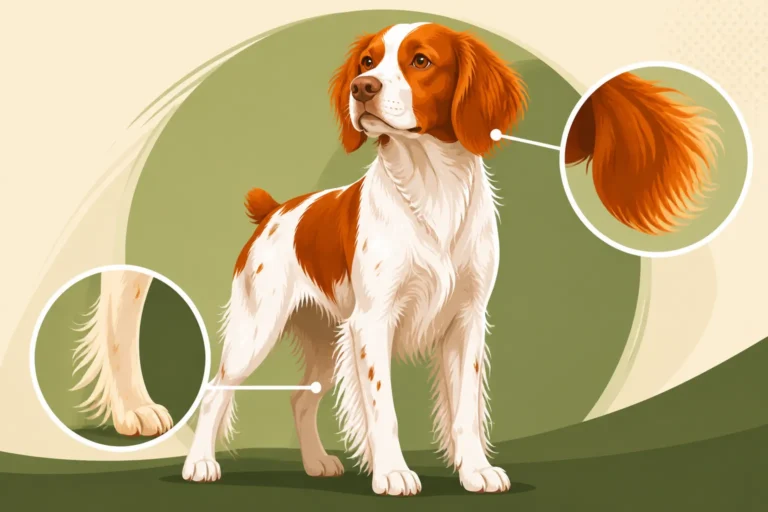
That gorgeous orange and white (or liver and white, or tri-color!) coat, with its lovely feathering on the legs, chest, and ears, is a double-edged sword when it comes to injury detection. While it offers some protection against scratches and thorns, it also provides excellent cover for smaller wounds. A tiny puncture mark from a sharp twig or a shallow laceration from a piece of stubble can be completely hidden beneath a dense curtain of hair, especially if there's no active bleeding.
You might run your hands over their legs and feel nothing amiss. But consider the areas where the feathering is thickest: behind the elbows, on the hocks, the belly, and especially between the toes. These are prime spots for debris to get tangled and for cuts to go unseen. A quick look often isn't enough; you need to part the hair, really feel the skin, and visually inspect these densely coated areas. The Feathering on a Brittany's Legs and Ears highlights just how much hair we're talking about, and why a superficial check just won't cut it. Missing these hidden wounds can lead to localized infections, abscesses, or even embedded foreign bodies that migrate and cause serious issues if not addressed promptly.
When and How to Perform Your Brittany's Double Check
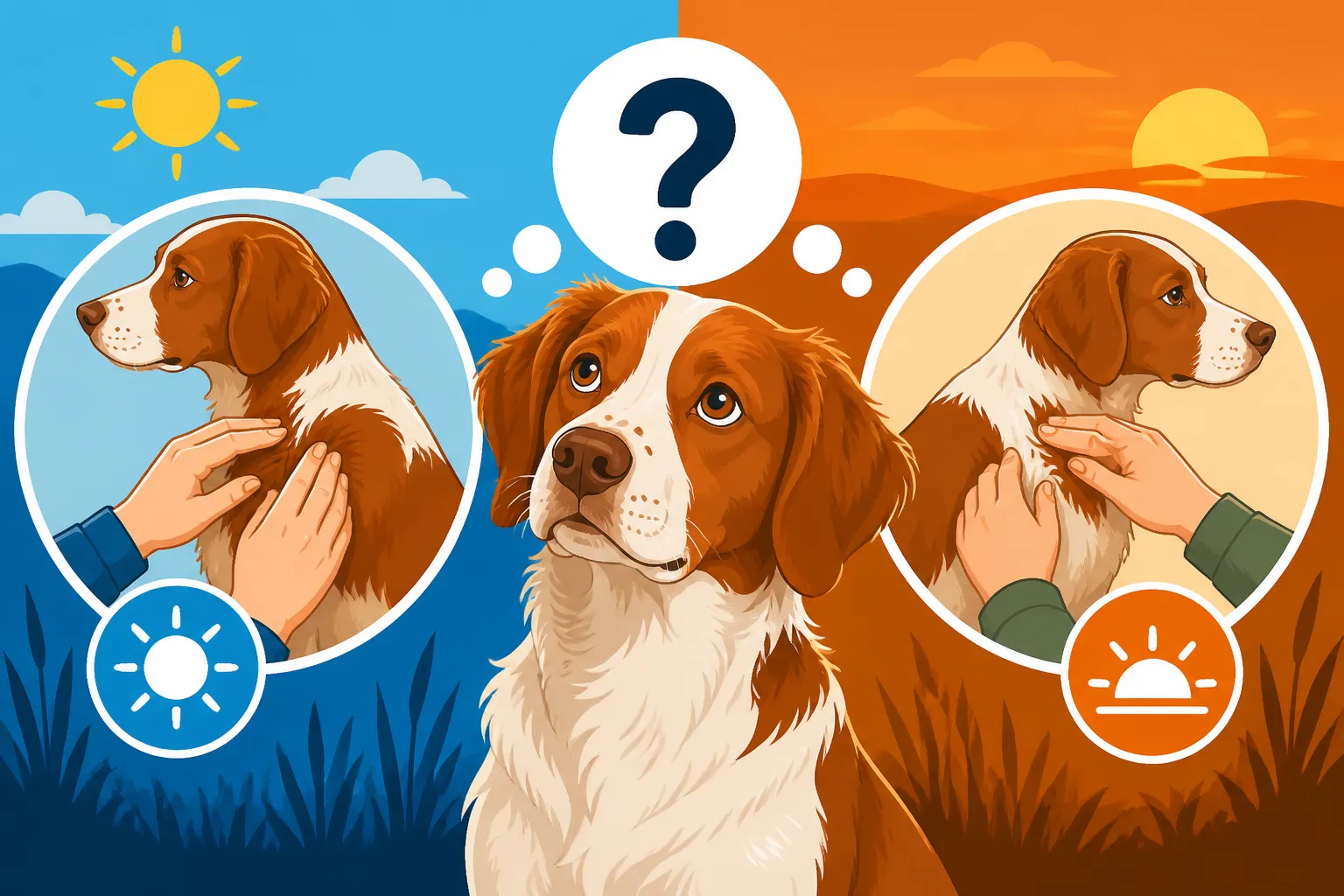
Okay, so we've established that one check isn't enough. Now let's talk about how to implement a reliable double-check system that maximizes your chances of finding any issues before they escalate. It's not about being paranoid; it's about being proactive and loving your Brittany enough to invest that extra bit of time.
The Immediate, Fieldside Check
Your first check happens right there, at the truck, before you even load your Brittany up for the ride home. This is your initial damage assessment. The goal here is to identify any obvious, severe injuries that might require immediate attention or influence how you transport them.
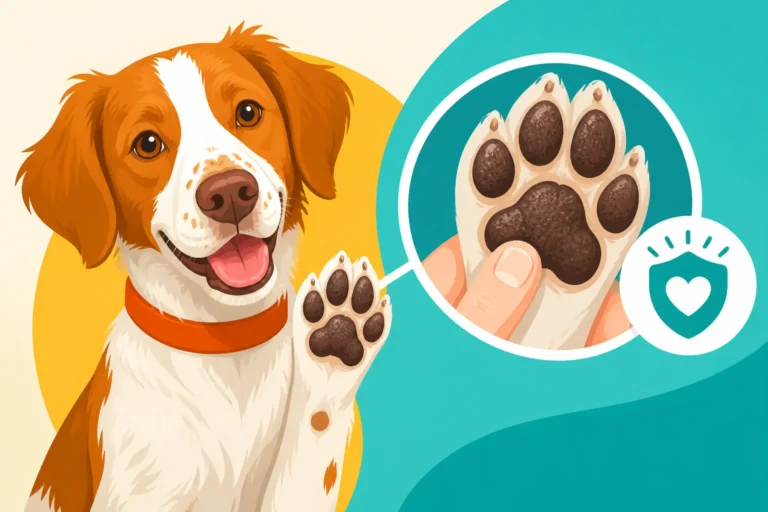
- Pads and Toes: Start with the feet. Your Brittany's pads take a serious beating. Look for tears, punctures, or excessive wear. Gently spread their toes apart and check the webbing for cuts, thorns, or deeply embedded burrs. How to Check a Brittany Between the Toes is a good resource for this. This is also where foxtails love to hide and burrow.
- Legs and Belly: Quickly run your hands over their entire legs, from shoulder to paw, and along their belly. Feel for any wetness (blood), swelling, or obvious lumps. Part the feathering in critical areas like the armpits and groin.
- Ears: Open their ears and peek inside. Look for any visible cuts on the ear flap or debris deep inside the canal. Feel the outside of the ear for any signs of swelling or tenderness.
- Overall Body: Give them a general pat down, checking for any obvious limping or signs of discomfort as you touch them.
- Water and Basic First Aid: Have a bottle of water handy (like a large jug from Chewy or a sturdy travel bowl) to rinse off any obvious dirt or fresh blood. A basic field first aid kit is invaluable for this immediate stage. What a First Aid Kit for a Brittany Should Hold is something every owner should review. You might need to clean a visible scrape or apply pressure to a bleeding wound.
This first check is about rapid response. You're not looking to groom them or treat every minor issue, but rather to ensure they're stable enough for the journey home and to catch anything that demands urgent care.
The Thorough, At-Home Inspection
This is the critical second check, often performed once you've arrived home, and your Brittany has had a chance to decompress, hydrate, and maybe even have a little snack (I'm a big fan of high-quality, easily digestible options like those from Ollie to help them recover their energy). This inspection should be systematic and done in a well-lit area, preferably after they've had a chance to dry off if they were wet, or after a quick brush-down to remove loose debris.
- Preparation: Have a good light source, maybe a headlamp or a bright room light. Gather your grooming tools (a good slicker brush, a comb), antiseptic wipes, and any other first aid supplies you might need. A clean towel is also a good idea.
- Head and Neck: Start at the nose and work your way back. Check the nose leather for cracks or scrapes. Look inside the mouth for any cuts on the gums or tongue (especially if they were retrieving hard or chewing on something in the field). Carefully examine the eyes for irritation or foreign objects. Now, meticulously check their ears, both inside the flap and the ear canal itself, feeling for lumps or tenderness. Signs a Brittany's Ear Is Infected can guide you if you find something suspicious. Run your hands down their neck, feeling for any swelling or punctures.
- Chest and Shoulders: Part the feathering on their chest and underarms. These areas can get scraped or poked when pushing through dense cover. Feel for bumps, nicks, or embedded plant material.
- Forelegs and Paws: Go back to the forelegs, but this time, be much more thorough. Systematically part the hair, section by section, from elbow to paw. Pay extra attention to the back of the legs where feathering is thick and can hide wounds. Flex each toe and paw to expose all surfaces of the pads and webbing. Look for tiny thorns, splinters, or punctures that might have been missed in the field. How to Treat a Brittany's Torn Pad offers excellent advice if you find a problem.
- Back and Ribs: Run your hands firmly along their spine and ribs, checking for any tenderness, bumps, or cuts. Sometimes, a brush against a sharp object can leave a long, shallow cut that's hard to see initially.
- Belly and Groin: This area is particularly vulnerable. Part the hair on their entire underside, looking for any scrapes, punctures, or signs of irritation. This is a common spot for ticks to attach, too. How to Check a Brittany for Ticks describes what to look for.
- Hindquarters and Tail: Check their rear legs, hocks, and tail for any injuries. A natural bobtail Brittany might have fewer tail issues, but all dogs can get scrapes or burrs in this area.
- Full Body Grooming: As you do this, a thorough brushing helps remove any remaining burrs or debris, which itself can reveal hidden issues. How to Get Burrs Out of a Brittany's Coat is a must-read for managing post-hunt tangles.
By performing this systematic, unhurried second check, you increase your chances exponentially of catching something that could turn into a serious problem. It’s a habit that every dedicated Brittany owner should cultivate.
Beyond Cuts: What Else to Look For During Your Inspections
While cuts and lacerations are certainly a primary concern, your post-hunt double-check should be an all-encompassing health assessment. The field throws a lot more than just sharp objects at our Brittanys. A comprehensive check means looking for a variety of potential issues that can arise from a day of intense outdoor activity.
Embedded Debris and Parasites
Beyond the obvious cuts, it's the insidious, hidden invaders that can cause long-term misery for your Brittany. Foxtails are notorious for this; they have barbs that allow them to burrow deeply into soft tissue. They can enter through any opening – between toes, in ears, up nostrils, or even through small cuts. A tiny red spot that looks like a minor irritation could be the entry point for a much larger problem. Where Foxtails Hide on a Brittany gives specific locations to examine. I've had to pull foxtails from paw pads, ear canals, and even eyelids, and they almost always require a vet visit if they've gone deep.
Ticks are another major concern, especially if you're hunting in areas known for them. They can transmit diseases, and while a quick visual might spot a few, many can be well-hidden. During your thorough at-home check, systematically parting the hair allows you to feel for the tell-tale bumps of engorged ticks. Run your hands against the grain of the fur, paying special attention to the ears, armpits, groin, and around the muzzle. An effective tick prevention regimen (which you can often find from retailers like Amazon or Chewy) is crucial, but manual checks are still the first line of defense.
Swelling, Heat, and Tenderness
Sometimes there won't be an open wound, but your Brittany might have sustained a blunt force injury or a muscle strain. As the adrenaline wears off, you might notice localized swelling, an area that feels unusually warm to the touch, or a spot where your dog flinches when you apply gentle pressure. These can indicate sprains, bruising, or even a deep tissue injury that needs veterinary attention. Signs a Brittany's Hips Hurt and The Injuries a Brittany Picks Up in the Field offer insights into common musculoskeletal issues.
Pay particular attention to joints – ankles, knees, elbows, and hips. Over-exertion or an awkward landing can cause subtle damage that doesn't manifest as an obvious limp until hours later. If you notice any persistent limping or reluctance to bear weight, even without a visible cut, it's always best to consult your veterinarian. Early intervention can prevent minor issues from becoming chronic problems.
Ear and Eye Irritations
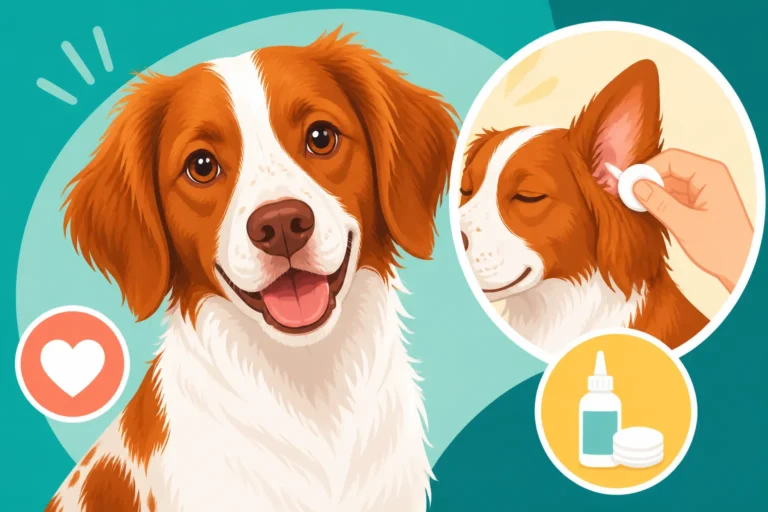
Brittanys, with their beautiful drop ears, are particularly prone to ear issues. Grass seeds, burrs, and even small twigs can easily work their way into the ear canal. Once inside, they can cause significant irritation, leading to head shaking, scratching, or even infection. During your second check, gently lift the ear flap and inspect the entire outer canal with a good light. Look for redness, discharge, or any foreign objects. Why a Brittany's Ears Get Infected Every Season details the common culprits. Keeping those ears clean and dry, especially after a hunt, is paramount.
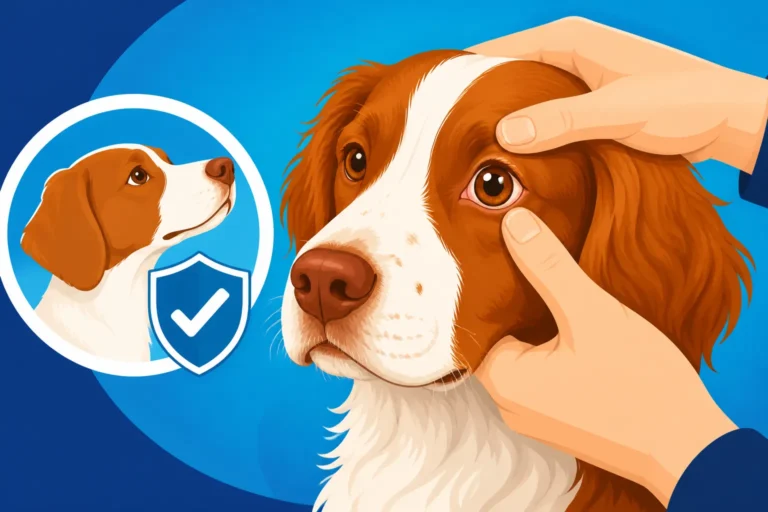
The eyes are also vulnerable. Fast runs through brush can lead to scratches on the cornea, or small pieces of debris can become lodged under the eyelid, causing irritation and potential infection. During your thorough check, gently part the eyelids and look for any redness, excessive tearing, squinting, or cloudiness in the eye itself. If your Brittany is rubbing at their face or if their eye appears swollen or irritated, don't delay in getting them to a vet. Eye injuries can progress rapidly and lead to serious vision problems if left untreated.
The Long-Term Benefits of Vigilant Post-Hunt Care
Establishing a routine for thorough post-hunt checks isn't just about finding immediate injuries; it's about a holistic approach to your Brittany's health and longevity. This consistent care builds a stronger bond between you and your dog, fosters trust, and contributes significantly to their overall well-being throughout their life as a working companion.
Preventing Infections and Complications
Catching a small cut or puncture early means you can clean and treat it before bacteria have a chance to set up a serious infection. A tiny wound that might seem insignificant can quickly become a painful abscess or cellulitis if left untended, requiring antibiotics, drainage, and more extensive veterinary care. Similarly, removing a foxtail or a tick promptly prevents them from embedding deeper or transmitting diseases.
This proactive approach saves you headaches and potentially significant vet bills down the road. It means your Brittany is more likely to recover quickly and be ready for the next hunt without prolonged downtime due to preventable complications. Being able to quickly How to Close a Brittany's Field Laceration or appropriately dress a pad injury makes all the difference.
Building Trust and Tolerance for Handling
Regularly handling your Brittany in a calm, thorough manner after a hunt also builds their trust and tolerance for examination. Dogs that are accustomed to having their ears, paws, and body checked are generally more cooperative when actual medical attention is needed, whether by you or a veterinarian. This makes future grooming, first aid, and vet visits less stressful for everyone involved.
From puppyhood, getting your Brittany used to having their feet touched, their ears examined, and their coat parted prepares them for the inevitable bumps and scrapes of a hunting life. It's a key part of their socialization and training, helping them understand that your touch, even when probing for potential injuries, is a sign of care.
Contributing to Your Brittany's Lifelong Health
Ultimately, a diligent post-hunt care routine contributes to your Brittany's overall health and extends their active life. By mitigating the risks of field injuries, preventing infections, and catching other issues like joint strains early, you're investing in their physical well-being. This attention to detail ensures they can continue to do what they love – hunting – for as many seasons as possible.
Brittanys are known for their athleticism and zest for life. As they age, these thorough checks become even more important, as older dogs might be more prone to injuries or take longer to recover. Caring for a Brittany Past Ten emphasizes the changing needs of senior dogs. Your commitment to these inspections is a testament to the special bond you share, ensuring your faithful hunting partner receives the best possible care throughout their journey with you.
| Aspect of Check | Immediate (Fieldside) | Thorough (At-Home) |
|---|---|---|
| Timing | Immediately after the hunt, before transport | Once home, settled, hydrated, and preferably dry/clean |
| Environment | Truck bed, tailgate, relatively quick | Well-lit, quiet room, calm atmosphere |
| Focus | Obvious, major injuries; gross debris | Hidden cuts, punctures, embedded items, swelling, ticks |
| Tools Needed | Basic first aid kit, water, towel | Grooming tools, antiseptic, detailed first aid, good light |
| Speed | Fast, efficient | Slow, systematic, meticulous |
| Goal | Stabilize for transport, address acute bleeding | Detect subtle issues, prevent infection, overall health check |
| Common Misses | Foxtails in ears/toes, small punctures, hidden ticks, minor strains | Deep-seated issues requiring vet attention (still rare if truly thorough) |
Disclaimer
This article is for general informational purposes only and does not constitute professional advice. Laws, prices and regulations vary by location and change over time. Consult a qualified professional for guidance on your specific situation.