How Often a Brittany’s Pads Should Be Checked
As a Brittany owner, you know their boundless energy and enthusiasm for exploration mean their paws take a beating. It’s not just about comfort; a healthy set of paws is absolutely critical for a bird dog's performance and overall well-being. This guide will walk you through how often you really need to check those busy paws, what to look for, and how to keep them in top shape, preventing minor irritations from becoming major setbacks.
Why Your Brittany's Paw Health Is Non-Negotiable
Those little feet are your Brittany's primary tools for traversing fields, scrambling over rough terrain, and pushing through dense cover. They're built for action, but constant exposure to varied environments means they're also highly susceptible to injury and irritation. Neglecting paw care isn't just uncomfortable for your dog; it can severely impact their ability to work, their zest for life, and can even lead to more serious health issues down the line. It's truly a foundational element of responsible Brittany ownership, especially if your dog is an active hunter or enjoys long hikes.
The Role of Paws in a Brittany's Performance
Think of a Brittany's paws as their specialized athletic footwear. Just like a runner needs well-cared-for feet and proper shoes to perform, your Brittany relies entirely on its paw pads, toes, and nails for traction, balance, and shock absorption. Strong, resilient pads mean they can cover miles without pain, maintain their characteristic rapid, ground-covering trot, and execute those sudden stops and pivots when they hit scent. If their paws are tender, cracked, or injured, every step becomes a painful ordeal. Their gait might change, they might hesitate on certain terrains, and their focus on birds could easily be diverted by discomfort. This can ruin a hunt and, more importantly, diminish their enjoyment of the very activity they were bred for.
Preventing Minor Issues from Becoming Major Problems
It's easy to overlook a small nick or a bit of redness when you're wiping down your dog after a long day in the field. But a small cut can quickly become infected if dirt and bacteria get in, potentially leading to swelling, lameness, and a trip to the vet. A minor crack can deepen, exposing sensitive tissue and causing significant pain. Foreign objects, like a sharp thorn or a persistent grass awn, might seem innocuous but can migrate deeper into the paw, causing abscesses or chronic lameness. Early detection through regular checks allows you to address these issues when they're small and manageable, often with simple at-home care, saving your Brittany from unnecessary pain and you from potentially hefty vet bills and downtime. What a Brittany's Torn Pad Costs to Treat is a prime example of how quickly a minor injury can escalate financially and medically.
Factors Influencing Pad Wear and Tear
A Brittany's paw pads are tough, but they're not invincible. Their durability is constantly tested by the surfaces they encounter, the intensity of their activities, and even the weather. Understanding these factors helps you tailor your paw care routine to your individual dog and local conditions.
Terrain and Activity Level
The ground your Brittany covers is probably the single biggest determinant of paw wear. Hard, abrasive surfaces like asphalt, concrete, or rocky trails are far tougher on pads than soft grass or loamy soil. A dog regularly hunting in stubble fields, across frozen ground, or through thorny brush will experience much more wear and tear than a Brittany that primarily runs in a well-maintained park. Think about the texture – sharp rocks, gravel, icy crust, or even coarse sand can cause abrasions, cuts, and cracks.
Moreover, the sheer volume and intensity of activity play a huge role. A Brittany that runs twenty miles a week chasing birds will naturally put more stress on its paws than one that enjoys leisurely strolls. High-impact activities, like jumping or retrieving from dense cover, also add to the workload on their pads. It's a cumulative effect, and over a long season, those pads can become significantly thinned, making them more vulnerable to injury.
Environmental Conditions: Heat, Cold, and Moisture
Weather isn't just a concern for your dog's overall body temperature; it directly impacts paw health. In summer, hot pavement or sand can cause severe burns, blistering the sensitive pads. Even warm, dry conditions can lead to pads becoming brittle and prone to cracking, especially around the edges. When the mercury drops, cold and ice present their own challenges. Frozen ground can be incredibly abrasive, and ice balls can form between the toes, causing pain and splaying the paw. Road salt and chemical de-icers are caustic and can irritate or burn the pads, in addition to being toxic if licked.
Moisture, or the lack thereof, also plays a part. Constant dampness, whether from rain, snow, or marshy hunting grounds, can soften the paw pads, making them more susceptible to cuts and abrasions. Conversely, overly dry conditions can lead to cracking. It's a delicate balance, and Brittanys, with their love for all types of terrain and weather, are particularly exposed to these environmental stresses. Whether a Brittany's Feet Crack in Winter and Whether a Brittany's Pads Burn on Hot Ground highlight just how crucial it is to consider these seasonal impacts.
The Anatomy of a Brittany's Paw and Common Issues
Understanding the basic structure of your Brittany's paw helps you better identify potential problems. Each part plays a vital role in their mobility and comfort, and each is susceptible to specific types of injuries.
Pads, Toes, and Nails: What to Examine
A Brittany's paw is a marvel of engineering, perfectly adapted for covering ground. The paw pads, particularly the large metacarpal (front) and metatarsal (rear) pads, are thick, fatty cushions designed to absorb shock and provide traction. They are covered by tough, keratinized skin, but this can still be cut, punctured, or abraded. Between the main pads and the toes are smaller digital pads, and then there are the toes themselves, each ending in a nail. The nails are crucial for grip and stability, and their length directly affects your dog's comfort and gait. Overly long nails can splay the toes, put strain on the joints, and even cause pain with every step as they push into the ground.
The spaces between the toes and pads, often covered by some feathering, are prime spots for foreign objects to lodge, like burrs, foxtails, or small stones. These areas are also susceptible to irritation from moisture or chemicals. The dewclaws, if present, are located higher up on the inside of the leg and can sometimes catch on brush or tear, especially if not kept trimmed. When you examine your Brittany's paw, you're looking at a complex system where every component needs to be in good working order.
Common Paw Afflictions for Active Brittanys
Given their active lifestyle, Brittanys are prone to a range of paw issues. Cuts and abrasions are perhaps the most common, resulting from sharp rocks, glass, or rough ground. These can range from superficial scrapes to deep lacerations requiring stitches. Punctures, often from thorns or sharp sticks, can be particularly insidious as they may not bleed much but can introduce infection deep within the paw. Cracks in the paw pads are another frequent complaint, especially in dry or cold weather, which can be incredibly painful, sometimes splitting deep enough to expose sensitive underlying tissue.
Foreign objects are a constant menace. Foxtails, those barbed seed heads, are notorious for burrowing into the soft tissue between toes, causing inflammation, infection, and lameness. Burrs get tangled in the hair, causing matting and skin irritation. Beyond injuries, skin irritations like contact dermatitis from allergens or chemical exposure, interdigital cysts, or even yeast infections can occur between the toes, often signaled by redness, itching, or an unpleasant smell. Why a Brittany's Feet Itch After a Hunt could be related to many of these issues, from allergies to simple irritation.
How Often to Check Your Brittany's Paws
Establishing a consistent routine for paw checks is your best defense against serious problems. The frequency will naturally vary depending on your Brittany's lifestyle and current activities, but vigilance is always key.
Daily Checks for Active Dogs
If your Brittany is a dedicated hunting companion, runs regularly, or spends significant time outdoors exploring rough terrain, daily paw checks are absolutely non-negotiable. This isn't just about after a hunt; it's after every substantial outing. Make it part of your post-adventure routine, perhaps when they're winding down after a meal or a good brush. A quick visual inspection can be done while they're relaxing beside you, but a thorough check involves gently handling each paw.
Think of it this way: a sharp twig could puncture a pad on a morning walk, and if left unnoticed until the evening, it could lead to infection. The beauty of Brittanys is their stoicism; they often hide pain until it becomes unbearable. Daily checks allow you to catch these things early. You're looking for anything out of the ordinary: new cuts, tenderness, swelling, limping, or excessive licking. This proactive approach is the single most effective way to keep your Brittany comfortable and ready for their next adventure. What to Check on a Brittany After Every Outing is a great resource to integrate into this daily habit.
Weekly Checks for Less Active or Senior Brittanys
For Brittanys who lead a more sedate life – perhaps they're house dogs with only yard access and short, leashed walks, or beloved seniors whose hunting days are behind them – a thorough weekly paw check might suffice. Even indoor dogs can step on something sharp, develop an irritated pad from lying on a rough surface, or suffer from overgrown nails. Seniors, in particular, can be prone to drier, more brittle pads or may develop arthritic changes in their toes that lead to abnormal wear or tender spots.
During this weekly check, take your time. This is also a good opportunity to trim nails if needed, or to apply a protective paw balm. Make it a positive experience with treats and praise, reinforcing the bond you share. Even if your Brittany isn't tearing through dense cover, gravity and everyday friction still impact their paws. Caring for a Brittany Past Ten often involves increased attention to mobility and comfort, and paw health is a big part of that.
Pre- and Post-Hunt Inspections
For hunting season, "daily" might not even be enough. You should be doing a quick check before you head out to the field. Are the pads looking healthy? Are there any existing cracks or tenderness that could be exacerbated by a day's hunt? Starting a hunt with already compromised paws is asking for trouble.
Then, immediately after every hunt, especially if you've been in challenging cover, on rocky terrain, or in extreme weather, a meticulous inspection is paramount. This isn't just about spotting obvious injuries. It's about finding those hidden thorns, embedded seeds, or tiny cuts that your Brittany might not be showing signs of yet. This post-hunt ritual should be as ingrained as putting away your gun or packing up your truck. Have a small first-aid kit ready – antiseptic wipes, paw balm, self-adhesive wrap – for immediate care. How to Treat a Brittany's Torn Pad explains what to do when you find an injury.
| Activity Level | Recommended Paw Check Frequency | Key Focus Areas |
|---|---|---|
| Highly Active | Daily, after every significant outing | Cuts, punctures, embedded objects (burrs, foxtails), cracks, swelling, tenderness, nail length. |
| Moderate Activity | Every 2-3 days, or after long walks | Minor abrasions, redness, early signs of cracking, nail length, irritation between toes. |
| Low Activity | Weekly | Nail length (overgrowth), dryness, skin irritation, early signs of any unusual lumps or tenderness. |
| Pre/Post Hunt | Before and immediately after each hunt | Thorough check for any potential injury or foreign object from the specific terrain and cover encountered. |
What to Look For During a Paw Check
Knowing when to check is only half the battle; knowing what to look for is equally important. A systematic approach ensures you don't miss anything that could lead to discomfort or injury.
Visual Cues and Touch: The First Line of Defense
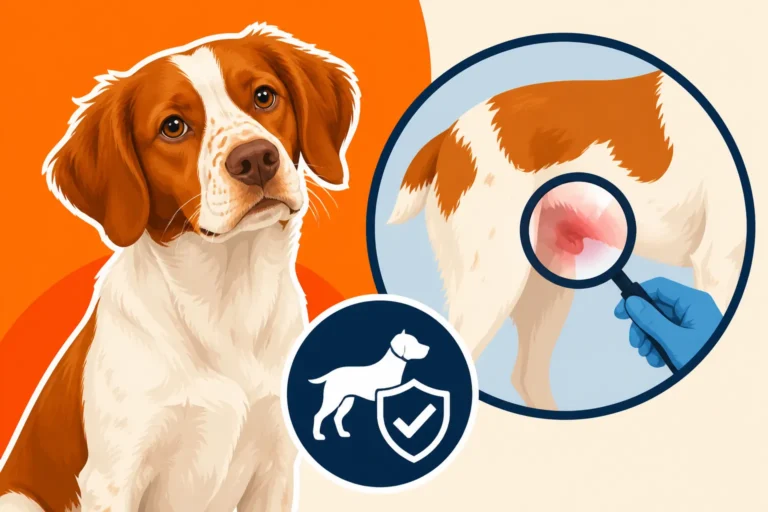
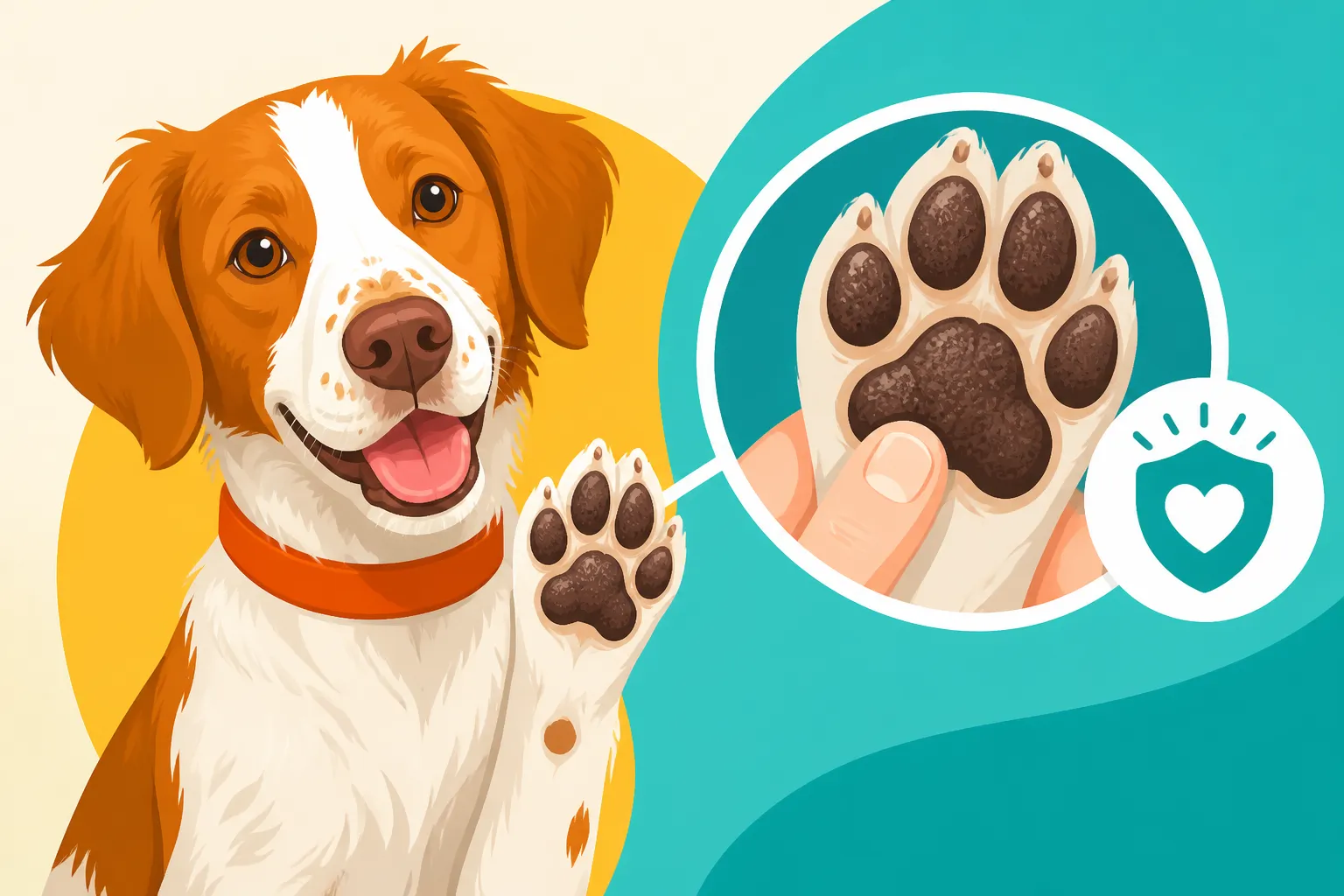
Start with a visual inspection of each paw. Look at the pads: are they smooth and intact, or do you see any cuts, scrapes, cracks, or punctures? Notice their color – healthy pads are generally pigmented and uniform. Redness or inflammation can indicate irritation or infection. Pay close attention to the edges of the pads, as these areas are prone to cracking. Next, examine the nails. Are they an appropriate length? Are any broken, split, or ingrown? Check the dewclaws too.
After the visual, use your hands. Gently feel each pad for any swelling, lumps, or tenderness. Carefully spread the toes apart and examine the webbing and skin between them. This is where many foreign objects like foxtails, burrs, or ticks love to hide. Feel for any heat, which can be a sign of inflammation or infection. Your Brittany might offer subtle cues – a slight flinch, pulling their paw away, or a sigh – if an area is sensitive. Don't be afraid to be thorough, but always be gentle and reassuring.
Specific Signs of Trouble: Beyond the Obvious
Sometimes, the problems aren't immediately visible. Here are some less obvious but crucial signs to watch for:
- Excessive Licking or Chewing: If your Brittany is constantly licking, chewing, or biting at a paw, it's a huge red flag that something is bothering them. It could be an itch, pain from a subtle injury, an allergen, or even a deeper issue like an infection.
- Lameness or Favoring a Paw: Any limping, even intermittent or slight, should prompt an immediate paw inspection. Sometimes they'll favor a paw by putting less weight on it or lifting it slightly while standing.
- Swelling: Localized swelling on a pad or between the toes often indicates inflammation, infection, or a reaction to a foreign body.
- Discharge or Odor: Pus, blood, or any unusual discharge from a wound or between the toes is a clear sign of infection. A yeasty or foul odor, especially from between the toes, can point to a fungal or bacterial infection that thrives in moist environments.
- Changes in Nail Appearance: Discolored, brittle, or crumbly nails could indicate a fungal infection or other health issues. Nails that are splitting or tearing are painful and need attention.
- Behavioral Changes: A typically energetic Brittany who suddenly becomes reluctant to walk, run, or jump, or seems generally subdued, might be dealing with paw pain that's affecting their overall mood.
If you spot any of these signs, don't delay in addressing them. Many can be managed at home, but some will require a vet's intervention.
Essential Paw Care and Prevention Tips
Proactive care is always better than reactive treatment. Incorporating preventative measures into your routine can significantly reduce the incidence of paw injuries and keep your Brittany ready for anything.
Protective Measures for Paws
One of the best protective measures, especially for working Brittanys, is applying a good quality paw balm or wax. Products like Musher's Secret or paw balms available on Chewy or Amazon can create a protective barrier against harsh elements, moisturize pads to prevent cracking, and even offer a bit of extra grip. Apply it before heading out and again after a thorough cleaning. For very rough terrain, sharp stubble, or extreme weather conditions (think ice or scorching pavement), dog boots are a wise investment. It might take some getting used to for your Brittany, but they offer unparalleled protection. Whether a Brittany Needs Boots in the Field is a question many owners ponder, and the answer is often yes, depending on conditions.
Regular nail trims are also non-negotiable. Nails that are too long can cause discomfort, lead to splayed toes, and increase the risk of breaking or tearing. You should trim them often enough so they don't touch the ground when your Brittany is standing. If you're unsure how to do this safely, ask your vet or a professional groomer for a demonstration.
Cleaning and First Aid After Outings
After every outing, especially those in muddy, wet, or otherwise challenging conditions, clean your Brittany's paws thoroughly. A simple rinse with warm water can remove mud, dirt, and chemical residues. Pay special attention to the spaces between the toes and pads. For stubborn dirt or if you suspect chemical exposure, a mild dog shampoo or a specialized paw wash can be used. Make sure to dry the paws completely, particularly between the toes, to prevent moisture-related skin issues like yeast infections.
Keep a basic paw first-aid kit handy, both at home and in your vehicle. This should include:
- Antiseptic wipes or spray (like chlorhexidine wipes)
- Self-adhesive bandage wrap (Vetwrap)
- Gauze pads
- Tweezers (for splinters, thorns, or ticks)
- Blunt-nosed scissors (for trimming matted hair or cutting bandages)
- Paw balm or antibiotic ointment
For minor cuts or abrasions, clean the area, apply a thin layer of antibiotic ointment, and if needed, protect it with a light dressing. Always change dressings daily and monitor the wound for signs of infection. If a wound is deep, bleeding heavily, or shows signs of infection (redness, swelling, pus, heat), it's time to call your veterinarian.
Nutrition and Overall Health for Strong Paws
Believe it or not, your Brittany's diet plays a role in the health and resilience of their paw pads, skin, and coat. A high-quality diet rich in essential fatty acids (Omegas 3 and 6) can contribute to healthier skin and tougher, more pliable paw pads. Look for foods that list quality animal protein as the first ingredient and contain beneficial fats. Some owners even add fish oil supplements, which are excellent sources of Omega-3s, to their dog's diet.
Brand examples like Ollie, known for fresh, human-grade ingredients, or high-quality kibble from Chewy, often include formulations that support skin and coat health, which extends to paw integrity. If your Brittany is a hard-working field dog, a performance-formulated food might be beneficial to support overall conditioning, which in turn helps their entire body, including their paws, cope with the demands of their work. Whether a Working Brittany Needs a Performance Food delves deeper into dietary considerations for active dogs. Remember, a healthy dog from the inside out is better equipped to resist injury and recover quickly.
Disclaimer
This article is for general informational purposes only and does not constitute professional advice. Laws, prices and regulations vary by location and change over time. Consult a qualified professional for guidance on your specific situation.