Whether a Brittany’s Groin Should Be Checked
After a long, exhilarating day of hunting with your Brittany, whether it's navigating dense cover or splashing through marshy terrain, you're probably tired, and your dog is likely exhausted but happy. It's easy to just give them a quick once-over, brush out the most obvious burrs, and call it a day. But neglecting a thorough post-hunt inspection, especially in those tucked-away spots, can lead to painful, costly, and even dangerous problems down the line. This guide will walk you through exactly why and how you absolutely must check your Brittany's groin area after every outing, highlighting the hidden hazards and how to keep your loyal hunting companion healthy and happy.
Why the Groin Area is a Hidden Hazard Zone for Brittanys
The Brittany is built for agility and endurance, an athletic dog that thrives on pushing through thickets and splashing through water. This very design, however, makes certain areas of their body highly vulnerable to picking up debris and pests, and the groin is perhaps the most insidious of these spots. It’s warm, often moist, and usually covered by feathering, making it a perfect hiding place for trouble.
Anatomy and Exposure: A Brittany's Vulnerable Undercarriage
Think about how a Brittany moves in the field. They run low to the ground, quartering through tall grass, underbrush, and briars, their belly and inner thighs constantly brushing against the environment. This means that the soft skin of the groin, the folds of the inner thighs, and the area around the genitals are in constant contact with whatever hazards the field throws their way. Unlike their back, which might be protected by a vest, or their legs, which might be somewhat shielded by muscle, the groin area is often unprotected and directly exposed. The beautiful feathering that Brittanys are known for, while lovely, can also act like a net, trapping all sorts of unwelcome guests and making them nearly invisible. It's truly a perfect storm for things to go unnoticed.
Common Culprits Hiding in the Groin
You'd be amazed at what can take up residence in your Brittany's groin area. It's not just the obvious burrs you might find on their shoulders. We're talking about things that can burrow, bite, and cause serious irritation.
- Burrs, Stickers, and Plant Material: These are the most common offenders. Bristly burrs from burdock or cockleburs, prickly stickers from thistles, and even tough seeds or small twigs can get entangled in the fine hair around the inner thighs and groin. They can quickly pull at the skin, cause painful matting, and if left unchecked, lead to skin irritation or even open sores as your dog tries to scratch or chew them out.
- Foxtails (Grass Awns): These are perhaps the most dangerous plant material. Foxtails are barbed seed heads that can migrate deeply into skin, ears, or even nasal passages. The groin, being so close to the ground and full of crevices, is a prime entry point. Once under the skin, they can cause abscesses, severe infections, and can travel through the body, sometimes requiring surgical removal. It’s why you always hear warnings about where foxtails lodge in a Brittany.
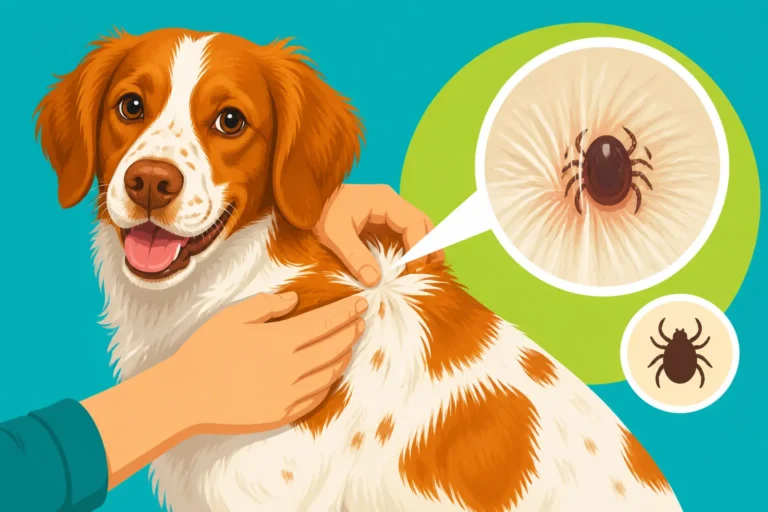
- Ticks: Oh, the ticks! They absolutely love warm, protected areas of the body where they can attach undisturbed. The groin, armpits, and behind the ears are tick magnets. A tick can be tiny when it first latches on, growing larger and engorged over days if not found. Besides the local irritation, ticks can transmit serious diseases like Lyme disease or Ehrlichiosis, making their early detection crucial. You can find excellent tick removal tools on sites like Amazon or Chewy to keep handy.
- Small Cuts, Scrapes, and Abrasions: Pushing through dense cover can result in minor nicks and scrapes from branches, thorns, or even sharp stubble. In the excitement of the hunt, your Brittany won't show you every little owie. These small wounds, if not cleaned and treated, can easily become infected, especially in a moist, dirty area like the groin.
The Risk of Overlooked Injuries and Pests
Ignoring these hidden hazards isn't just about discomfort; it can have serious health consequences. A small burr left unattended can cause significant matting and skin inflammation, potentially leading to a hot spot that quickly spirals out of control. A foxtail working its way under the skin can lead to chronic pain, swelling, and a deep abscess that requires veterinary intervention and antibiotics. What a Foxtail Removal Costs on a Brittany can give you a sobering perspective on how quickly costs can add up.
Ticks, as mentioned, are vectors for disease. The longer a tick is attached, the higher the risk of disease transmission. Early detection and removal are your best defense. Even minor cuts, if infected, can become painful, hot, and require extensive treatment. Your Brittany might become lame or show general malaise long before you realize the culprit is a small, festering wound in their groin. This is why thorough, consistent checks are non-negotiable for a hunting dog.
How to Thoroughly Check Your Brittany's Groin Area
Making a proper groin check a part of your post-hunt routine is paramount. It needs to be systematic and gentle to ensure nothing is missed and to keep your dog comfortable with the process.
Establishing a Routine and Trust
The key to a successful inspection is consistency and a calm demeanor. Your Brittany should associate these checks with positive reinforcement – praise, gentle petting, and maybe even a small treat afterward. Start early, even during puppyhood, so they get used to being handled all over their body. After every hunt, or even after a particularly vigorous romp in tall grass, make this a non-negotiable part of their cool-down. It might feel tedious at first, but it quickly becomes second nature for both of you. You might find some excellent grooming tools and supplies for this routine on Chewy.
Step-by-Step Inspection Process
Here’s how to perform a thorough check of your Brittany’s groin area:
- Find a Quiet, Well-Lit Spot: Lay your Brittany down on their side, or have them stand calmly, whichever is easier for both of you. Good lighting is crucial so you don't miss anything.
- Start with the Inner Thighs: Gently lift one of your Brittany's hind legs, bending it slightly at the knee if needed to give you better access. Start at the top of the inner thigh, where the leg meets the body.
- Work Systematically Downwards: Using your fingertips, slowly run your hands along the inner thigh, feeling for any lumps, bumps, swelling, or matted areas. Move slowly, separating the feathering with your fingers to expose the skin beneath. Don't just look at the surface; you need to feel deeply.
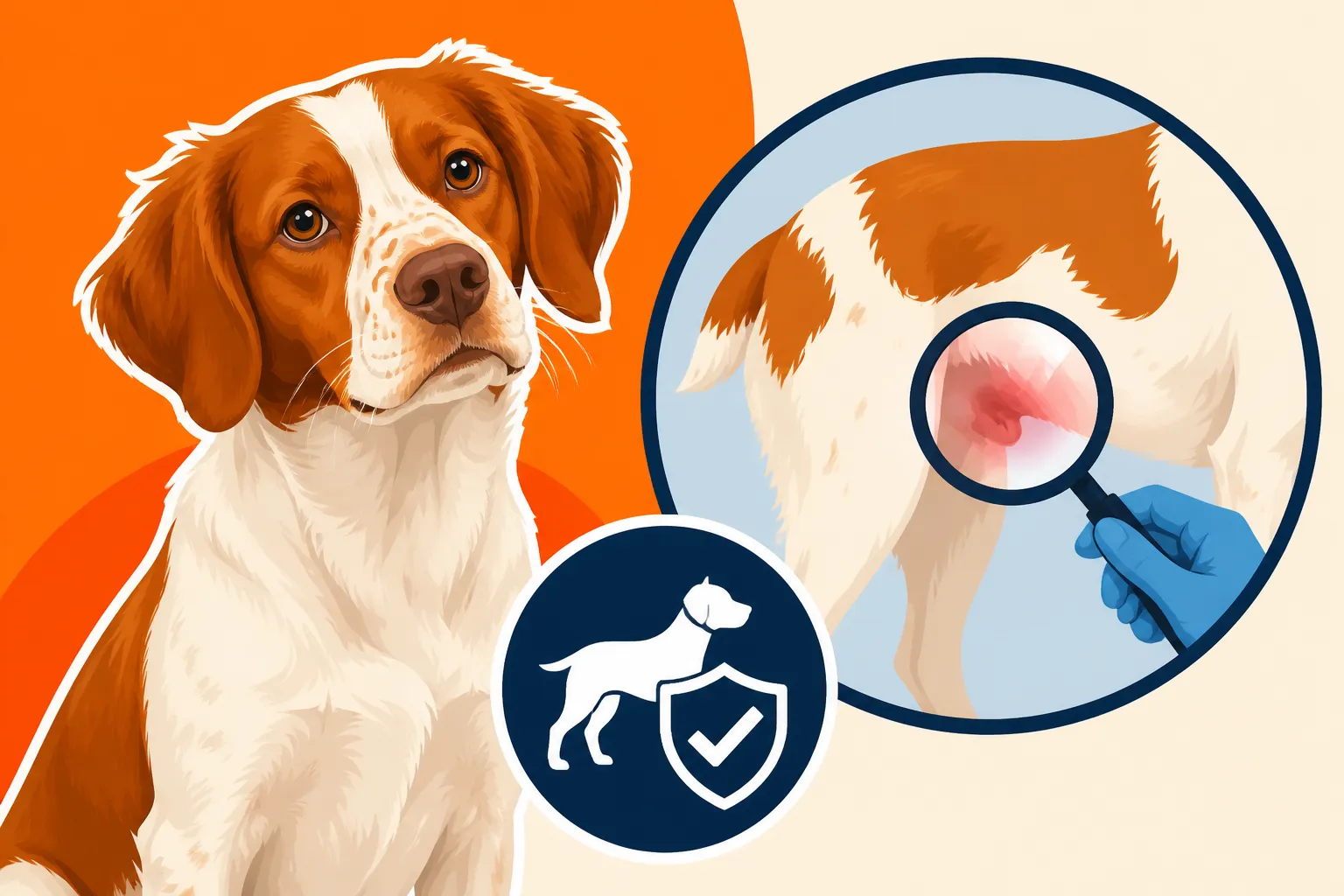
- Inspect the Groin Fold and Genital Area: This is a critical zone. In males, gently inspect around the sheath. In females, check around the vulva. These areas have skin folds that are perfect for concealing ticks, burrs, or small lesions. Be very gentle and reassuring here.
- Check the Opposite Side: Repeat the entire process for the other hind leg and inner thigh.
- Don't Forget the Belly: While technically not just the groin, the lower belly and armpits are often overlooked and prone to similar issues. Give the entire undercarriage a thorough tactile and visual inspection. Whether a Brittany's Groin Should Be Checked is part of a larger full-body check after a field excursion.
What to Look (and Feel) For
You’re not just looking for massive burrs; you're developing a keen sense of what "normal" feels like and looks like on your dog.
- Visual Cues:
- Redness or Inflammation: Any patches of irritated, red skin.
- Swelling: A localized bump or a general puffiness.
- Missing Hair: Small bald spots can indicate irritation, scratching, or a burrowing pest.
- Scabs or Open Sores: These are clear signs of injury or secondary infection.
- Visible Debris: Obvious burrs, seeds, or even tiny specks that weren't there before.
- Ticks: Small, spider-like creatures, or engorged gray/brown bumps.
- Tactile Cues:
- Lumps or Bumps: Feel for anything that shouldn't be there, no matter how small.
- Heat: A localized area that feels warmer than the surrounding skin can indicate inflammation or infection.
- Tenderness: If your Brittany flinches, pulls away, or vocalizes when you touch a specific spot, pay extra attention there.
- Matting: Tightly tangled hair, especially at the skin level, can hide all sorts of issues.
Dealing with Findings: From Minor Irritants to Serious Concerns
Finding something in your Brittany's groin can be startling, but knowing how to respond appropriately is key to preventing escalation. Sometimes, it's a quick fix; other times, it's a sign to head to the vet.
Removing Burrs and Foxtails Safely
When you find burrs or plant material, act carefully and methodically.
- Burrs: For simple burrs caught in the feathering, try to disentangle them gently with your fingers first. If they’re really stubborn or matted, a comb (like a flea comb or a fine-toothed metal comb) can help work them out, starting from the ends of the hair and working your way towards the skin. Sometimes, a little cornstarch or a small amount of dog-safe conditioner (available on Chewy or Amazon) can help them slide out. Never just pull; you’ll hurt your dog and break the hair. If the burr is causing a skin lesion, carefully clip the hair around it with blunt-nosed scissors to prevent further irritation before treating the skin. How to Get Burrs Out of a Brittany's Coat offers even more in-depth techniques.
- Foxtails: If you see a foxtail that's still superficial and hasn't started to burrow, you might be able to carefully pull it out with tweezers, ensuring you get the entire seed head. However, if it has already entered the skin, or if you're unsure, do not attempt to dig it out yourself. Foxtails are designed to only move forward, and digging can push them deeper. This is a situation where a prompt vet visit is absolutely essential. The vet can numb the area, explore the wound, and remove the foxtail before it causes more serious internal damage.
Addressing Ticks and Insect Bites
Ticks require swift and proper removal to minimize the risk of disease.
- Tick Removal: Use a specialized tick removal tool (many great options on Amazon) or fine-tipped tweezers. Grasp the tick as close to the skin as possible, avoiding squeezing the body. Pull upwards with steady, even pressure. Do not twist or jerk. After removal, clean the area with antiseptic. Keep an eye on the spot for any swelling or redness, and note the date. If your Brittany is on a prescription tick preventative, like those often discussed with your vet, you should still remove any ticks you find, as no preventative is 100% effective. How Many Ticks a Brittany Picks Up in a Season can be quite shocking, so constant vigilance is required.
- Insect Bites: For simple mosquito or fly bites, observation is usually enough. If the area swells significantly, becomes hot, or your dog seems itchy or distressed, an antihistamine might be recommended by your vet. Severe allergic reactions (rare, but possible) would require immediate veterinary attention.
When to Consult the Vet
Knowing when to move from home care to professional care is crucial. Always err on the side of caution.
- Deep Cuts or Lacerations: Any wound that is deep, wide, or bleeding profusely needs immediate veterinary attention. It might require stitches or antibiotics. How to Close a Brittany's Field Laceration is not something you should attempt on a significant wound.
- Persistent Swelling, Redness, or Heat: If an area remains swollen, red, hot to the touch, or painful for more than a day, it could indicate an infection, an embedded foreign body (like a deeply burrowed foxtail), or another underlying issue.
- Lumps or Bumps that Grow or Change: Any new lump that doesn't resolve within a few days, grows rapidly, or seems painful should be checked by a vet. While often benign, it's always best to rule out anything serious.
- Signs of Systemic Illness: If your Brittany develops a fever, lethargy, loss of appetite, or lameness associated with a groin issue, don't delay. These are signs that something serious might be going on, possibly a severe infection or a tick-borne illness.
- Difficulty Urinating or Defecating: Swelling or pain in the groin area can sometimes interfere with normal bodily functions. If your dog is straining or showing discomfort, it's a red flag.
Here's a quick reference table for common findings in the groin area:
| Finding | Appearance/Feel | Initial Action | When to Call the Vet |
|---|---|---|---|
| Burrs/Plant Material | Tangled in hair, sometimes matted, small prickly bits | Gently comb out with fingers/fine comb. Use cornstarch/conditioner if matted. | If skin is broken, red, swollen, or dog is in pain after removal. |
| Foxtail (superficial) | Visible seed head on skin surface, not embedded | Carefully pull with tweezers in direction of entry. Clean area. | IMMEDIATELY if embedded or suspicion of burrowing. |
| Tick (attached) | Small bump, may be engorged (gray/brown), spider-like legs visible | Use tick remover/tweezers to pull straight up. Clean. Observe area. | If head breaks off, area becomes red/swollen, or dog shows illness. |
| Small Cut/Scrape | Superficial break in skin, minimal bleeding, no deep tissue exposure | Clean with mild antiseptic. Keep dry. Apply antibiotic ointment if vet-approved. | If deep, wide, bleeding heavily, hot, swollen, or signs of infection. |
| Redness/Irritation | Patches of pink/red skin, dog may be licking | Gentle cleansing, ensure dry. Prevent licking (cone if necessary). | If widespread, persists >24h, or progresses to open sores/hot spots. |
| Localized Swelling/Lump | New bump, might be soft or firm, may or may not be painful | Observe for changes. Note size, texture, and tenderness. | If growing, painful, hot, or doesn't resolve in 1-2 days. |
Preventing Groin Issues: Proactive Measures for a Healthy Brittany
Prevention is always better than cure, especially when it comes to the nooks and crannies of your active Brittany. A little foresight can save a lot of discomfort and vet bills.
Pre-Hunt Preparations to Minimize Risk
Before you even step into the field, there are a few things you can do to make those post-hunt checks easier and less likely to uncover nasty surprises.
- Consider Strategic Trimming: While Brittanys aren't high-maintenance grooming dogs, strategically trimming the longer feathering on their belly and inner thighs can significantly reduce the amount of debris they collect. It won't affect their performance or comfort and makes finding issues much simpler. This doesn't mean stripping them down, just neatening up the areas most prone to tangles. Whether Trimming a Brittany's Feathering Helps in Burrs is a common question, and for areas like the groin, it can be a lifesaver.
- Topical Protectants (Use with Caution): Some hunters use veterinary-approved paw waxes or protective balms on exposed skin areas, including the inner thighs, believing it creates a barrier against stickers and minor abrasions. Always check with your vet before applying anything to ensure it's safe and won't cause irritation or be ingested.
- Robust Tick and Flea Prevention: This is non-negotiable for any hunting dog. Talk to your vet about the most effective broad-spectrum preventative for your region and your dog's activity level. Oral medications are often preferred for active dogs as they can't wash off. Consistent prevention is your best bet against tick-borne diseases.
Post-Hunt Maintenance Beyond the Groin
While this article focuses on the groin, remember that a truly comprehensive post-hunt check extends to your entire Brittany. This systematic approach is key to their overall health and longevity.
- Full Body Brush and Inspection: After the hunt, give your Brittany a good brush-down, paying attention to all their feathering. While brushing, run your hands over their entire body, checking for any new lumps, bumps, or tender spots. What to Do With a Brittany After Every Hunt covers this in detail.
- Paws and Pads: Their paws take a beating in the field. Check between their toes for debris, cuts, or foxtails. Examine their pads for tears or excessive wear. How Often a Brittany's Pads Should Be Checked is something many owners overlook.
- Ears and Eyes: Brittany's drop ears can trap moisture and debris, leading to infections. Lift and inspect their ears, cleaning them if necessary. Check their eyes for any irritation or foreign bodies. Why a Brittany's Ears Get Infected Every Season is a constant battle for owners.
- Hydration and Nutrition: A hard day's hunt depletes fluids and energy. Ensure your Brittany has access to fresh water immediately and feed them a high-quality, performance-oriented food. Brands like Ollie often offer tailored nutrition plans that can support a working dog's recovery and energy needs.
By making these thorough checks and proactive measures a consistent part of your routine, you're not just caring for your Brittany; you're investing in their health, comfort, and their ability to continue doing what they love most – hunting alongside you.
Disclaimer
This article is for general informational purposes only and does not constitute professional advice. Laws, prices and regulations vary by location and change over time. Consult a qualified professional for guidance on your specific situation.