Whether a Brittany Retrieves to Hand
It's a common scenario for many Brittany owners, isn't it? You toss a training dummy, or your dog brings in a prized bird from the field, full of enthusiasm and pride. They race back to you, tail wagging, only to stop just out of reach, or perhaps drop the item a few feet away, daring you to come get it. While our beloved Brittanys are renowned for their incredible bird drive and eagerness to retrieve, getting them to consistently deliver directly to hand can be a whole different ballgame. This guide will dive deep into understanding your Brittany's natural retrieving instincts and walk you through how to teach that polished, reliable "to hand" delivery every single time.
The Brittany's Natural Instinct for Retrieval
Our Brittanys are born with an incredible drive to hunt and retrieve, it's true. It's part of what makes them such fantastic companions in the field and such engaging pets at home. But "natural retrieve" isn't always the same as "retrieve to hand." Understanding this distinction is the first step toward building that perfect retrieve.
The Desire to Please and the Bird Drive
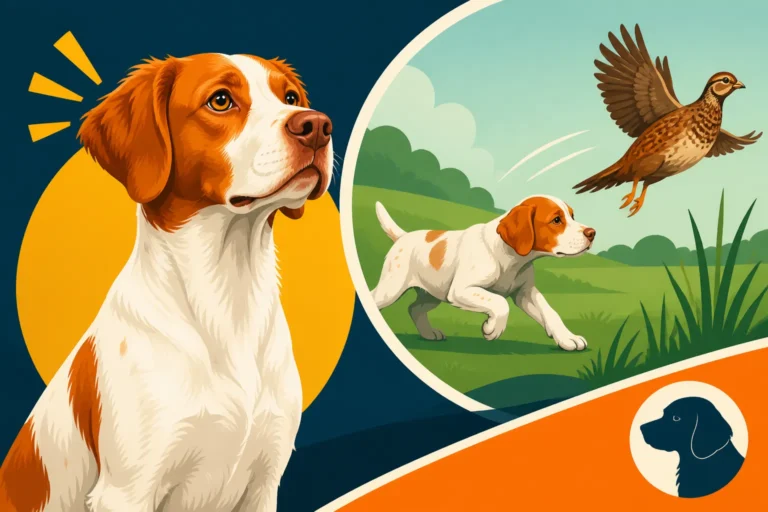
One of the most endearing qualities of a Brittany is their palpable desire to please their person. They thrive on interaction, praise, and the shared experience of working together. This inherent biddability is a huge asset when it comes to training. Coupled with their powerful bird drive, it means they are typically eager to engage with whatever you present as "game," be it a bumper, a ball, or a real bird. When you throw something, their instinct is often to go get it, bring it back, and present it to you as a trophy, a gift, or an invitation to further play. This motivation is the bedrock of all retrieving training. They want to be part of the action, and bringing things back is their way of participating and garnering your approval.
However, this desire to please can sometimes be misinterpreted by the dog. They might think "I brought it back, isn't that good enough?" and not understand the final, crucial step of releasing it into your waiting hand. It's not defiance; it's often a lack of clarity in what's expected of them. Their natural exuberance often means they want to keep the game going, and dropping it just out of reach might be their way of saying, "Catch me if you can!" or "Let's do it again!" It’s important to remember that the Brittany is considered a "soft" breed, meaning they respond incredibly well to positive reinforcement and can easily shut down with harsh corrections. How Sensitive a Brittany Is to Correction is a concept every Brittany owner should understand deeply.
What "Natural Retrieve" Really Means for a Brittany
A natural retrieve for a Brittany means they instinctively go after a thrown object, pick it up, and return to the general vicinity of the person who threw it. They might even parade it around proudly for a moment before dropping it, perhaps a foot or two away, or even trying to play keep-away. For some Brittanys, this is where the retrieve ends in their mind. They've completed the "hunt" part, brought the "prey" back to the pack leader, and now it's time for the next adventure. They aren't necessarily trained to understand that the item needs to be physically placed into your palm and released only on command.
Many owners are delighted that their Brittany retrieves at all, and for casual play, simply dropping the item near you is perfectly fine. But when you're in the field, with valuable game, or training for hunt tests, that precise "to hand" delivery becomes incredibly important. You don't want a valuable pheasant dropped in tall cover or a quail making a break for it because your dog put it down prematurely. Understanding that this final step isn't always inherent, even in a dog with a strong natural retrieve, helps us approach training with patience and the right methods. Whether a Brittany Retrieves Naturally delves further into this inherited trait.
Bridging the Gap: From Natural Retrieve to "To Hand" Delivery
The difference between a natural retrieve and a polished "to hand" delivery might seem small, but it represents a significant leap in a dog's understanding and discipline. It's about taking that raw, beautiful instinct and shaping it into a reliable, consistent behavior crucial for safety and effectiveness, especially in a hunting environment.
Why "To Hand" Delivery is Important
Imagine you've just dropped a bird in thick cattails. Your Brittany, with its boundless energy and incredible nose, bursts through the cover and makes the retrieve. If they bring that bird back and drop it somewhere in the dense vegetation before you can secure it, that bird could easily disappear again. Or, worse yet, if it's a crippled bird, it might run off, leading to a lost retrieve and an ethical dilemma. A "to hand" retrieve ensures that the game is safely transferred directly into your control, minimizing the risk of loss or escape. This is not just about convenience; it's about being a responsible hunter and ensuring humane treatment of game.
Beyond the field, a "to hand" retrieve demonstrates a higher level of control and communication between you and your Brittany. It means your dog understands and respects boundaries, and it builds a stronger foundation for other advanced training. It also prevents wear and tear on valuable training dummies or toys if they aren't being chewed on or dropped haphazardly. Furthermore, if you plan on participating in hunt tests or field trials, a "to hand" retrieve is often a requirement for higher titles. It's a sign of a well-disciplined, well-trained gundog. What a Brittany Needs Within an Hour of a Hunt often includes ensuring good retrieving habits.
The Challenges of Teaching "To Hand"
Teaching "to hand" isn't always straightforward. The biggest challenge is often overcoming the dog's natural inclination to either keep the object (playing keep-away) or drop it too soon (ending the game on their terms). For many Brittanys, the act of possessing the bird or dummy is part of the fun, and letting go seems counterintuitive to their prey drive. They might have a "soft mouth" naturally, carrying birds gently, but still be hesitant to release them directly into your hand. Whether a Brittany Has a Soft Mouth is a good read if you're concerned about damage to game.
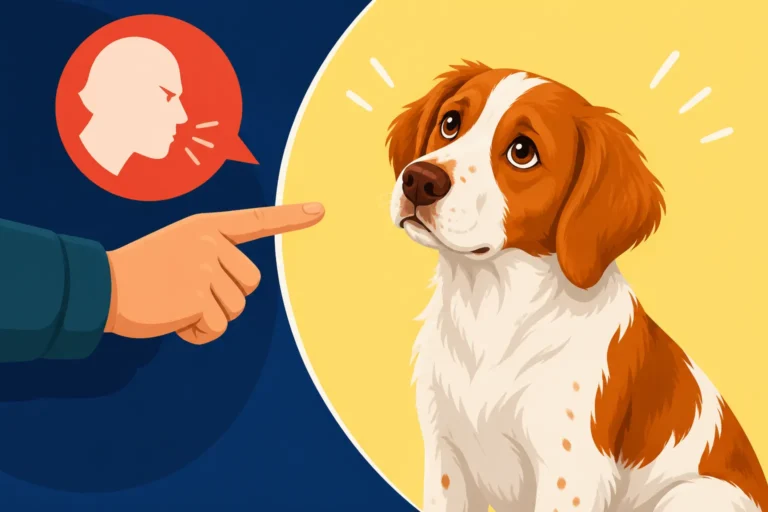
Another challenge can be preventing frustration on both sides. Owners can get impatient, leading to scolding or snatching, which can undermine trust and make the dog even more reluctant to release. A Brittany, being sensitive, might associate the release with something negative if handled poorly. How Long a Brittany Remembers a Bad Session highlights the importance of keeping training positive and fair. Consistency is also key. If sometimes you accept a retrieve dropped at your feet, and other times you demand "to hand," your Brittany will be confused. Every session needs to reinforce the desired behavior. This is where patience, positive reinforcement, and breaking the process into tiny, achievable steps become absolutely essential.
Step-by-Step: Training Your Brittany for "To Hand" Delivery
Training your Brittany for a reliable "to hand" retrieve is a process, not a single event. It requires patience, consistency, and a deep understanding of your dog's temperament. We're going to build on their natural retrieving desire, not suppress it.
Foundation Work and Positive Reinforcement
Before you even think about forcing a retrieve, ensure your Brittany has a solid foundation of basic obedience. Commands like "sit," "stay," and a rock-solid recall are paramount. Use positive reinforcement exclusively when starting this training. Every interaction should be fun and rewarding. Start in a quiet, distraction-free environment, like your living room or a fenced yard.
Choose a soft, easily held dummy or toy. Many people find success with canvas dummies, available widely on platforms like Amazon, or even soft rubber toys. Begin by simply encouraging your Brittany to pick up the item. Praise lavishly when they do. If they bring it back to you, even if they drop it a few feet away, still praise them and gently pick it up yourself, then re-engage in play. You are reinforcing the act of returning to you with the item, not yet the "to hand" part. Keep sessions short and upbeat, perhaps only 5-10 minutes at a time. How Long a Brittany's Training Session Should Be recommends this approach for optimal learning. You want to always end on a high note, leaving them wanting more.
A good program, like those offered by BAXTER & Bella, can help structure these initial steps, providing guidance on how to build drive and focus before moving to more advanced concepts. The goal here is to instill a strong desire to pick up and return, creating a positive association with holding the object. If your Brittany is prone to playing keep-away, use a long line or a check cord, like a 50-foot check cord from a sporting goods store. This allows you to gently guide them back to you if they try to bolt, without having to chase them, which often turns into a game for the dog. What a Fifty Foot Check Cord Costs a Brittany Owner might be an interesting read if you're looking for this particular piece of gear.
Introducing the "Hold" Command
Once your Brittany is happily picking up and returning with the dummy, it's time to introduce the "hold" command. This is arguably the most critical step. Start with your dog in a sitting position, and gently place the dummy in their mouth. As soon as it's in their mouth, say "hold." Hold their muzzle gently for a few seconds if needed, preventing them from dropping it. Immediately, and I mean immediately, praise them and offer a high-value treat as soon as they've held it, even for a split second. Then, and only then, use your "release" command, like "give" or "drop."
Repeat this many times, gradually increasing the duration they hold the dummy. You're teaching them that holding the dummy is a good thing, and releasing it on command is even better because it leads to a reward. Some dogs may resist at first, trying to spit it out. Be patient, be gentle, and keep it positive. Never scold them for dropping it too soon; simply put it back in their mouth and try again. This isn't about physical force; it's about shaping behavior through positive association. This is a key distinction from methods like "force fetch," which is a more advanced technique that some trainers use, but it's often too intense for a soft Brittany if not executed perfectly. Whether a Brittany Needs Force Fetch explores this in more detail.
Gradually Moving to "To Hand"
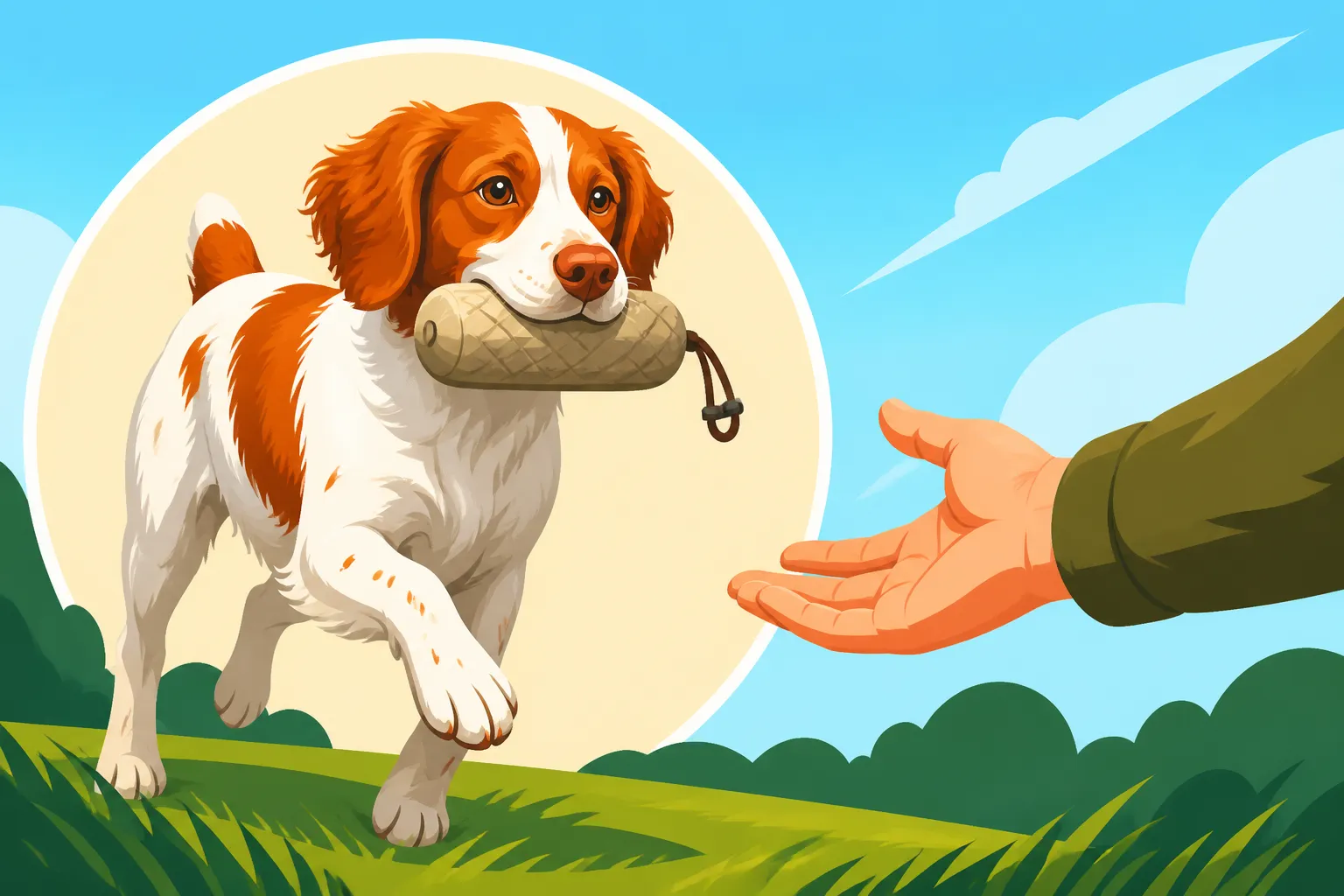
With a solid "hold" in place, you can now connect it to the retrieve. When your Brittany returns with the dummy, ask them to "sit" if they don't do so automatically. Then, with your hand outstretched, give the "hold" command. As they hold it, gently guide their muzzle so that the dummy is positioned over your open palm. Now, give your release command ("give" or "drop"). The moment the dummy lands in your hand, offer immense praise and a treat. The trick is to ensure the dummy actually enters your hand before the release command is given. You want them to give it to you, not just drop it near you.
Practice this repeatedly. Gradually increase the distance you throw the dummy, always ensuring they return, sit, and release directly into your hand. You might have to physically guide their head a few times in the beginning, but eventually, they will anticipate the process. Remember, consistency is vital. Make sure every retrieve ends with a "to hand" delivery. If they drop it before you're ready, calmly pick it up, put it back in their mouth, give the "hold" command, and then practice the "to hand" release again. Make it a game, make it fun, and make it clear what you expect.
Common Pitfalls and Troubleshooting
Even with the best intentions and methods, training for a "to hand" retrieve can sometimes hit snags. It's perfectly normal! Brittanys are intelligent and spirited, and they'll test the boundaries, just like any dog. The key is to address issues calmly and consistently.
The "Drop It" Game
One of the most common frustrations is when your Brittany returns with the item but drops it just out of reach, then perhaps barks at it or tries to play "keep-away" if you try to get it. This often happens because they've learned that dropping the item initiates a new chase game, or they simply haven't grasped that you need to take possession of the item.
To combat this, avoid chasing them. If they drop it too soon, walk away for a few seconds, breaking the game. Then, calmly walk back, pick up the dummy yourself, and restart the retrieve from scratch, ensuring you reinforce the "hold" command more strongly. Alternatively, if they consistently drop it just short, use a treat to lure their head (and thus the dummy) closer to your hand before they drop it. As soon as the dummy is over your hand, give the "give" command and reward. This bridges that gap. For some dogs, this "drop it" game is a sign of needing more engagement during the retrieve itself – make sure you're praising them continuously as they come back to you, reinforcing the entire process, not just the final drop. A general understanding of What a Brittany's Temperament Is Really Like will help you tailor your approach to their specific personality.
Maintaining Enthusiasm and Preventing Burnout
Brittanys are energetic, but even they can get bored or burnt out if training sessions are too long, repetitive, or lack positive reinforcement. If your dog starts to lose interest, misses retrieves, or seems less enthusiastic, it's a sign to change things up. Keep sessions short and fun. Always end on a successful note, even if it's just one perfect "to hand" retrieve.
Vary the dummies and environments. Once they are consistent in a quiet space, gradually introduce mild distractions. Use different types of dummies – canvas, plastic, feather-covered – to keep it interesting. Sometimes a fresh scent on a dummy, like a bird wing tied to it, can rekindle their drive. Remember to always praise and reward generously when they perform correctly. A verbal "Good hold!" or a physical pat, combined with a favorite treat, goes a long way. If you notice them flagging, cut the session short. It's better to do many short, successful sessions than a few long, frustrating ones. Sometimes, a change of scenery, even just from the backyard to a nearby park (if safe and legal for off-leash work), can do wonders to re-engage their minds and bodies.
Here's a quick comparison of the natural retrieve versus the "to hand" retrieve:
| Feature | Natural Retrieve (Typical Brittany) | "To Hand" Retrieve (Trained Brittany) |
|---|---|---|
| Delivery Point | Drops near handler, or within a few feet | Places item directly into handler's outstretched hand |
| Release Control | Dog decides when to release, often quickly | Releases only on handler's specific command ("Give") |
| Motivation | Instinct, desire to play, general pleasure of return | Discipline, clear understanding of command, reward-driven |
| Field Utility | Can be problematic; risk of lost or crippled game | Essential for safe, ethical hunting and competition |
| Training Needs | Minimal specific training for basic return | Consistent, structured, positive reinforcement-based training |
| Required Commands | Often none, just general recall | "Hold," "Sit," "Give/Drop," "Come" |
Teaching a Brittany to retrieve to hand is incredibly rewarding. It strengthens your bond, builds confidence, and ensures your dog is a more effective and reliable partner, whether in the field or just playing fetch in the park. With patience, consistency, and positive methods, your Brittany can absolutely master this skill.
Disclaimer
This article is for general informational purposes only and does not constitute professional advice. Laws, prices and regulations vary by location and change over time. Consult a qualified professional for guidance on your specific situation.