Whether a Gun Shy Brittany Should Be Bred
It’s a truly heartbreaking situation when you’ve poured your dreams and efforts into a Brittany, a breed renowned for its bird sense and field prowess, only to find that loud noises, especially gunshots, send them into a panic. This isn't just a minor inconvenience; it strikes at the core of what many Brittany owners cherish most about the breed. If you're facing this challenge, and perhaps even contemplating breeding your dog, this guide aims to walk you through the complex considerations, focusing on the welfare of the breed and future generations.
Understanding Gun Shyness: More Than Just a Flinch
Gun shyness isn't merely a dog being "startled" by a loud noise; it's a profound fear response that can range from mild anxiety to outright terror. For a breed like the Brittany, which is inherently bred to work in close proximity to gunfire, this is a significant and often debilitating issue. It's a tough pill to swallow when your bird dog won't even approach the sound of a cap gun, let alone a shotgun in the field.
What Gun Shyness Looks Like in a Brittany
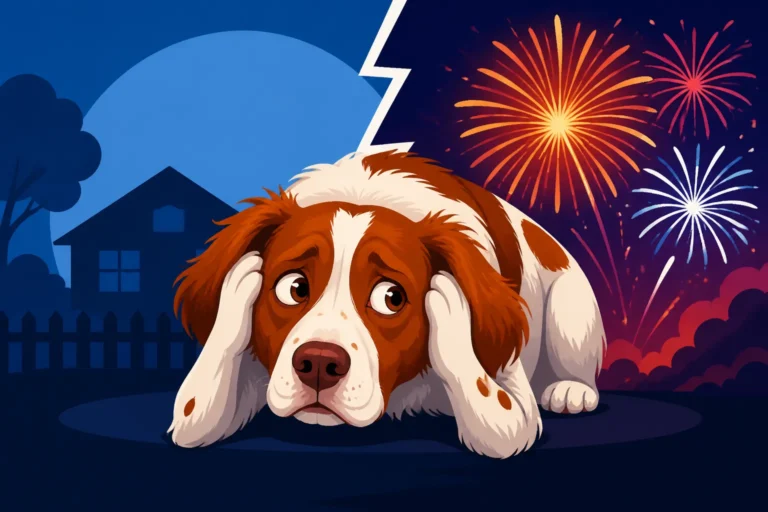
The manifestations of gun shyness can vary, but they all stem from an intense fear. You might see your Brittany exhibiting classic fear behaviors. Some dogs will bolt, running wildly away from the source of the sound, desperate to escape. Others might cower, tucking their tails, pinning their ears back, and trying to hide under anything they can find—a truck, a bush, even behind your legs. You might notice excessive panting, drooling, or trembling, even when the temperature is cool. Some dogs will freeze, becoming completely unresponsive, while others might become destructive if confined, trying to dig or chew their way to freedom. This isn't naughtiness; it's pure, unadulterated panic. A Brittany bred to work with a gun, suddenly paralyzed by its sound, is a dog that cannot fulfill its purpose, and more importantly, is deeply distressed. Understanding Signs a Brittany Is Becoming Gun Shy is crucial for early intervention.
Triggers and the Spectrum of Severity
While "gun shyness" specifically refers to fear of gunshots, often the root cause is a more general noise sensitivity. A dog might react equally strongly to fireworks, thunderstorms, backfiring cars, or even loud claps. The severity also exists on a spectrum. A mild case might see a dog flinch or be a little hesitant, but still recover and continue working. A severe case, however, means the dog shuts down completely, unable to function, and may even develop long-term anxiety issues related to loud noises, impacting their quality of life as a companion animal, not just a hunting dog. It’s important to remember that such sensitivities can be exacerbated by improper introductions to sounds. Many experienced owners will tell you that Why a Brittany Is Easy to Ruin With a Gun often comes down to rushing the process or exposing them too early or too intensely.
The Genetic Component of Temperament and Gun Shyness
This is where the conversation turns particularly sensitive, especially when considering breeding. While environmental factors, such as a traumatic early experience with a loud noise, can certainly contribute to gun shyness, there is a strong consensus among breeders and canine behaviorists that underlying temperament and nervous system resilience have a significant genetic basis.
Is General Nervousness Inherited?
The exact gene for "gun shyness" hasn't been isolated, but what is clear is that traits like boldness, confidence, environmental resilience, and overall nerve strength are heritable. A dog that is generally timid, anxious, or highly sensitive to environmental stimuli is more likely to develop gun shyness than a naturally confident, robust dog, even if both are exposed to the same negative experience. This general nervousness can indeed be passed down from parents to offspring. If a parent, or even grandparents, exhibited strong noise phobias or extreme timidity, there's a higher chance their puppies will inherit a predisposition to similar issues. It's a bit like certain human anxieties; while life events can trigger them, some people are simply wired to be more susceptible. The question of Whether Brittany Epilepsy Is Inherited touches on similar territory – certain predispositions run in families.
Ethical Responsibilities of a Brittany Breeder
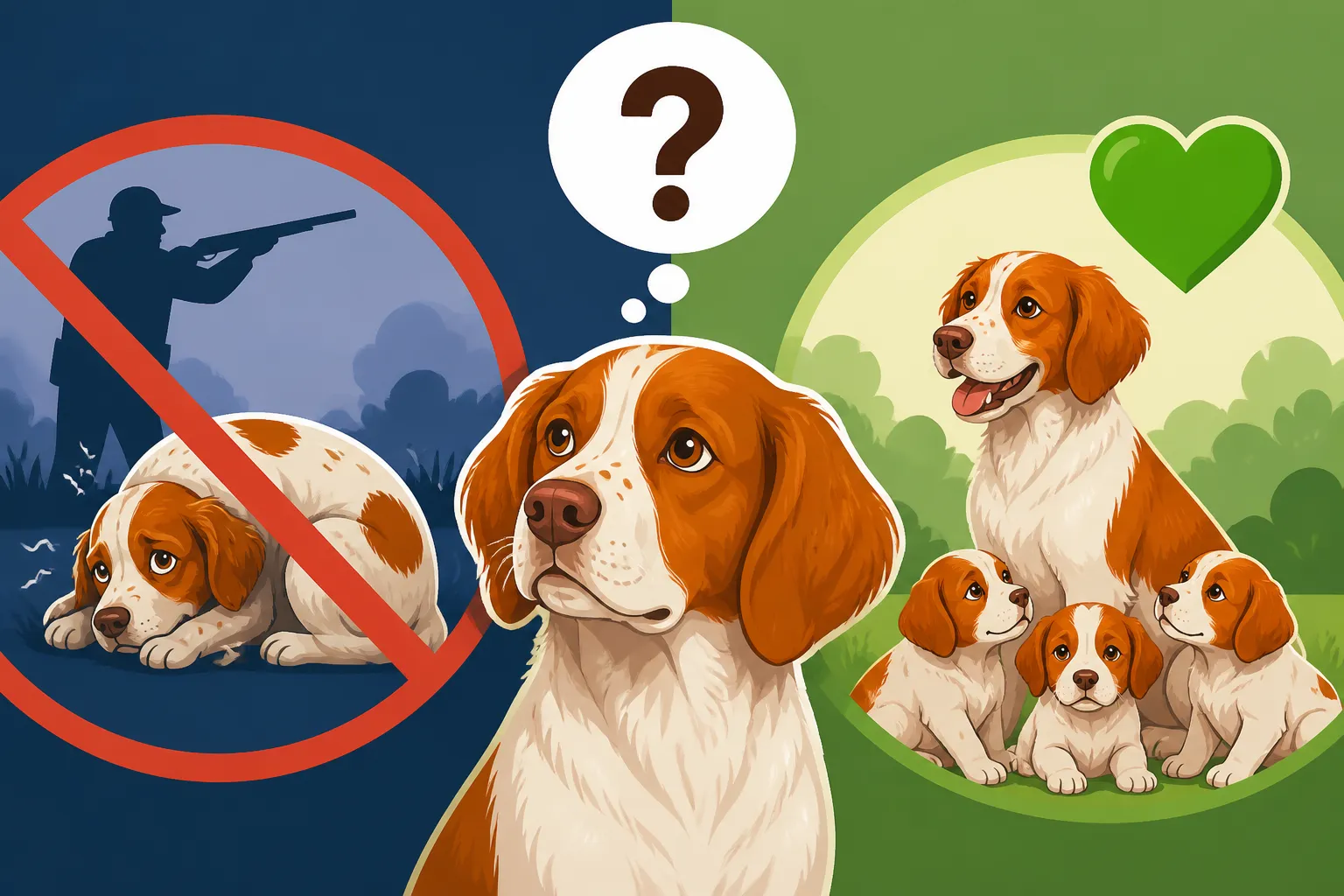
A responsible breeder's primary goal should always be to improve the breed, focusing on health, temperament, and adherence to the breed standard. For Brittanys, that includes working ability, which necessitates a sound, bold temperament unafraid of gunshots. If a dog exhibits gun shyness, breeding them consciously risks passing on that predisposition, potentially creating more fearful dogs and perpetuating a serious fault within the breed. It can feel deeply unfair to the dog, the owner, and to the legacy of such an exceptional hunting companion.
Consider the potential offspring: if a puppy from a gun-shy parent inherits this tendency, it might face a life of anxiety and inability to participate in the activities it was bred for. This isn't just about disappointing an owner; it's about the well-being of the dog itself. Breeders dedicate themselves to producing sound, healthy puppies, and a significant behavioral fault like gun shyness goes against this principle. This is why a breeder should always be transparent about the temperament of their breeding stock, and indeed, what a Brittany Spaniel breeder should have tested extends beyond just physical health.
Impact on the Brittany Breed Standard and Purpose
The Brittany is defined by its working ability. It's a compact, athletic bird dog, known for its keen nose, enthusiasm, and — crucially — its unflappable nature in the field. Gun shyness directly contradicts the very essence of the breed.
Upholding the Working Dog Legacy
Brittanys were developed over centuries in France to be close-working pointing dogs, capable of handling rugged terrain and the loud reports of a shotgun. Why the Brittany Hunts Like a Setter and performs its duties so well is because its core temperament includes steadiness and courage. To introduce or perpetuate gun shyness is to fundamentally undermine these inherent traits. It diminishes the breed's reputation and its ability to serve its intended purpose. A gun-shy Brittany is, by definition, unable to be a proper gun dog, no matter how strong its point or how eager its retrieve otherwise. The breed stands out as the pointing breed you can live with, but also as one that excels in the field; these two qualities are meant to go hand in hand.
Psychological Well-being of Future Generations
Even if some offspring from a gun-shy parent manage to cope with gunfire through intense training, they may still carry an underlying anxiety or sensitivity that affects their general disposition. Is it fair to knowingly produce animals that may struggle with fear throughout their lives, even if that fear isn't always explicitly about gunshots? Perhaps they'll be prone to What a Brittany Does When It Is Corrected Too Hard, or be generally more timid with strangers. The goal of breeding should be to enhance, not to introduce potential vulnerabilities. A breeder has a moral obligation to consider the lifetime well-being of every puppy produced.
Alternatives to Breeding and Living a Full Life with a Gun-Shy Brittany
Discovering your Brittany is gun-shy can feel like the end of a dream, especially if you pictured them as your steadfast hunting partner. However, it's absolutely not the end of a fulfilling life for your dog, nor does it diminish their worth as a companion.
Embracing a Different Path for Your Brittany
A gun-shy Brittany can still be an incredible family dog and excel in many other canine activities that don't involve loud noises. They might be brilliant at scent work, tracking, agility, or obedience. Many Brittanys thrive in these sports, channeling their intelligence, athleticism, and desire to please into new avenues. Imagine the joy of watching your Brittany navigate an agility course with enthusiasm, or use their incredible nose to find hidden articles in a scent work class. Even if their talents don't lie in hunting, their inherent drive and biddability can shine in other ways. Remember, What an Under Exercised Brittany Does at Home still applies; they need a job and plenty of physical and mental stimulation, regardless of their noise sensitivity.
Resources like online training programs, such as those offered by BAXTER & Bella, can provide excellent guidance for building confidence and redirecting your Brittany's energy into positive outlets. You can find all sorts of enrichment toys, puzzle feeders, and training equipment on Amazon to keep their clever minds busy.
Responsible Management and Training
For dogs with noise phobias, management is key. This means avoiding known triggers as much as possible, especially during sensitive times like fireworks season. Desensitization and counter-conditioning protocols, often guided by a professional behaviorist, can help. This involves gradually exposing your dog to very low-level sounds while pairing them with positive experiences (like tasty treats or play). Over time, the sound level is slowly increased. This process takes immense patience and consistency, but it can significantly improve your dog's quality of life.
Here's a comparison of the ethical and practical considerations when deciding whether to breed a gun-shy Brittany:
| Aspect | Breeding a Gun-Shy Brittany | Not Breeding a Gun-Shy Brittany |
|---|---|---|
| Ethical Impact | Risks perpetuating a serious genetic temperament fault in the breed. | Upholds breed integrity and prevents potential suffering in offspring. |
| Offspring Welfare | Higher chance of producing puppies with noise phobias or general anxiety. | All puppies produced come from sound, confident parents. |
| Breeder Reputation | Can negatively impact standing within the Brittany community. | Demonstrates commitment to breed health and temperament. |
| Owner Fulfillment | May lead to disappointment if offspring also develop shyness. | Allows focus on other activities for the individual dog and avoids ethical conflict. |
| Breed Standard Adherence | Contradicts the working nature and required steadiness of the Brittany. | Contributes to maintaining the breed's functional purpose. |
The Decision: Spaying or Neutering
Given the strong genetic component to temperament and the profound impact of gun shyness on a Brittany's quality of life and working ability, the most responsible decision for a gun-shy Brittany is almost always to remove them from the breeding pool. This means spaying females and neutering males. While it’s a difficult truth to face, it’s a decision that prioritizes the welfare of the breed and prevents future generations from potentially inheriting this debilitating fear.
Your gun-shy Brittany deserves a life filled with joy, confidence, and love, even if that life doesn't include hunting. There are countless ways to bond with and celebrate your unique dog, and often, focusing on their strengths in other areas can be incredibly rewarding for both of you. Many Brittanys live long, happy lives, The Twelve to Fourteen Years a Brittany Gets, as cherished family members regardless of their field performance.
Disclaimer
This article is for general informational purposes only and does not constitute professional advice. Laws, prices and regulations vary by location and change over time. Consult a qualified professional for guidance on your specific situation.