Whether a Brittany Gets Carsick
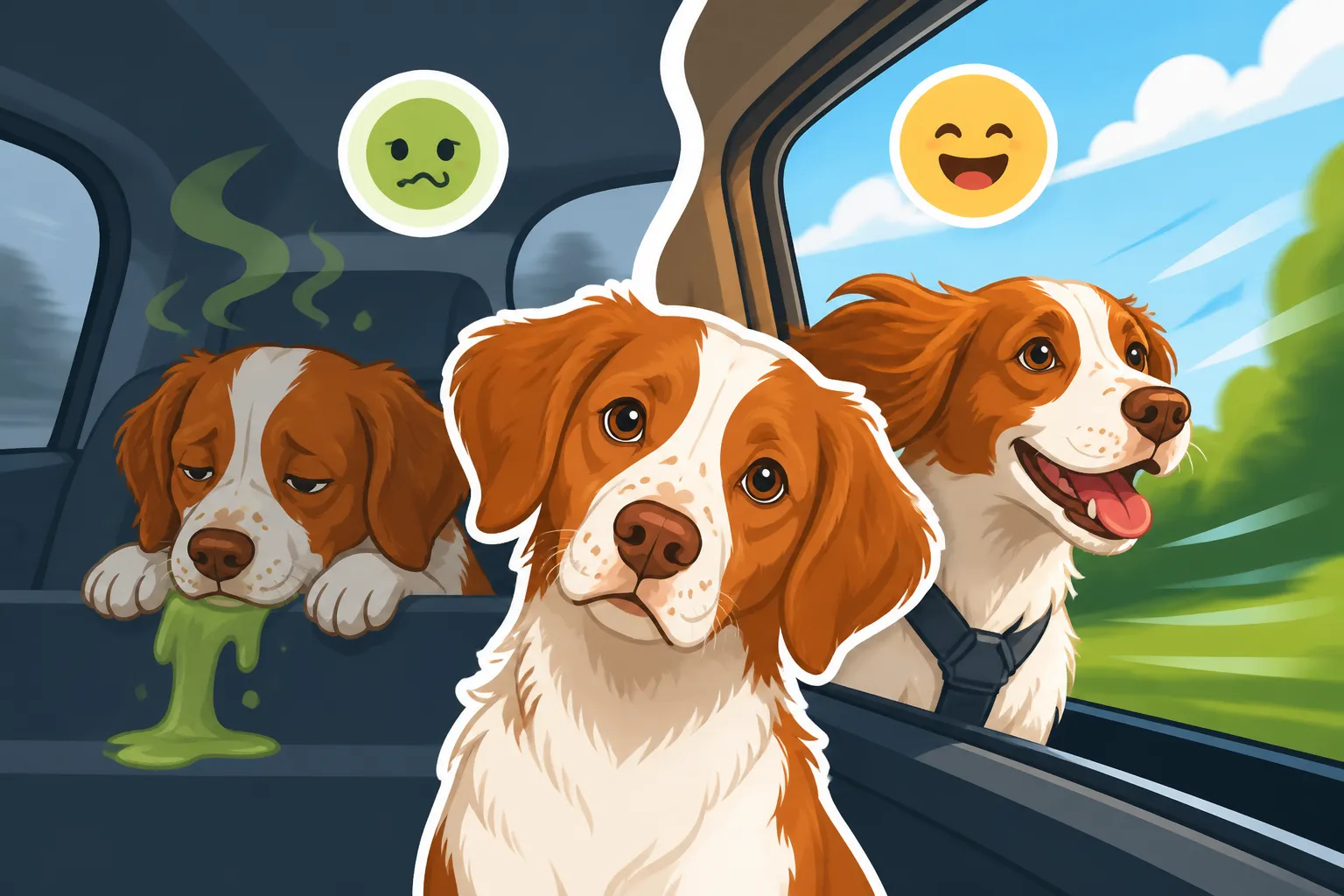
There's nothing quite like the joy of hitting the road with your Brittany Spaniel, whether it's for a hunting trip, a hiking adventure, or just a visit to grandma's house. But for some Brittany owners, the thought of a car ride is met with dread, thanks to the tell-tale signs of carsickness. It's a common, utterly frustrating problem that can turn any journey into a messy, miserable ordeal for both you and your beloved companion. This guide will dive deep into why Brittanys get carsick, how to spot the signs, and most importantly, equip you with practical, empathetic strategies to make car travel a much smoother experience for everyone.
Understanding Why Your Brittany Might Get Carsick
It can be incredibly disheartening when your enthusiastic, usually happy-go-lucky Brittany transforms into a drooling, anxious mess the moment they step paw into the car. Many owners feel guilty, wondering if it's something they're doing wrong. Rest assured, carsickness in dogs, including our beloved Brittanys, is a physiological response, often compounded by psychological factors, and it's certainly not your fault.
The Vestibular System and Motion Sickness
At its core, motion sickness, or carsickness, stems from a conflict within your dog's sensory system. Inside your Brittany's inner ear, there's a delicate structure called the vestibular system. This system is responsible for sensing motion, balance, and spatial orientation. When your Brittany is riding in a car, especially if they're not looking out the window or are secured in a way that limits their view of the horizon, their eyes might register stillness while their inner ear detects movement, turns, and bumps.
Imagine being on a boat below deck – your eyes see a stable cabin, but your body feels the sway of the ocean. That disconnect is what triggers nausea and discomfort. For many Brittany puppies, this system is still developing, making them even more susceptible. They haven't quite learned to integrate the conflicting signals their body is sending, leading to that tell-tale queasy feeling. As they mature, many dogs grow out of it, but some, particularly sensitive breeds like the Brittany, can retain this susceptibility into adulthood. Understanding this physiological basis is the first step toward empathy and effective management.
Psychological Factors: Anxiety and Past Experiences
While the physical aspect is a huge component, for many Brittanys, the issue isn't purely motion sickness. It's heavily intertwined with anxiety. Brittanys are intelligent, sensitive dogs, and they pick up on patterns very quickly. If early car rides consistently led to unpleasant experiences – perhaps a trip to the vet for shots, being left alone somewhere, or simply the discomfort of feeling ill – they can quickly develop a negative association with the car itself. This isn't just about the motion anymore; it's about the vehicle becoming a trigger for fear and apprehension.
Think about it: every time they get in the car, they feel sick, or they end up somewhere they don't want to be. It doesn't take long for them to start anticipating that unpleasantness even before the car moves. You might notice your Brittany resisting getting into the car, panting and whining before you even leave the driveway, or trying to hide. This is their way of communicating that they expect something bad to happen. For a dog that might already be sensitive to correction or loud noises, this anxiety can escalate quickly. Early, positive socialization, including short, happy car trips, can be incredibly important for puppies. Whether a Brittany Puppy Should Be Socialized Heavily can play a big role in preventing these negative associations from forming in the first place.
Spotting the Signs: Is Your Brittany Feeling Queasy?
Before you can tackle carsickness, you need to be able to recognize it. Sometimes, the signs are obvious, like a puddle on your backseat, but often, dogs, being stoic creatures, try to hide their discomfort. Learning to read your Brittany's subtle cues can help you intervene before things get really messy and reinforce their negative association with car rides.
Early Warning Signals
Paying attention to your Brittany's body language is crucial. Long before they actually vomit, there are often subtle indicators that they're feeling unwell or anxious. These early signs can include:
- Excessive Yawning: Not necessarily a sign of tiredness, but often a stress signal or an attempt to equalize pressure in their ears, much like humans might do.
- Lip-Licking and Drooling: A common sign of nausea. If your Brittany is typically not a big drooler but starts salivating heavily in the car, that's a red flag.
- Restlessness or Pacing: They might shift positions constantly, unable to get comfortable, or even try to move from one side of the car to the other.
- Panting: If it's not particularly warm in the car, rapid panting can indicate stress or nausea.
- Whining or Low Moans: These vocalizations are often a sign of discomfort or anxiety.
- Swallowing Repeatedly: Another subtle sign of nausea as they try to keep their stomach settled.
- Reluctance to Get In: If your Brittany usually jumps eagerly into the car but now hesitates, tries to pull away, or even shakes, it's a strong indication they're associating the car with something unpleasant. This is a common early manifestation of fear or anxiety related to previous bad experiences. Whether a Brittany Rides Well in a Truck can shed more light on the ideal setup for comfortable travel.
Catching these early signals allows you to take preventative measures or even pull over for a short break before the situation escalates.
Overt Symptoms and Their Severity
When the early warning signs are missed or ignored, or if your Brittany's carsickness is particularly severe, you'll start to see more unmistakable symptoms. These are the ones that no owner wants to deal with, but recognizing them quickly means you can clean up and make your dog as comfortable as possible.
- Vomiting: The most obvious and dreaded symptom. It can happen suddenly and without much warning once nausea takes hold.
- Diarrhea: Less common than vomiting, but some dogs, particularly those experiencing extreme stress or gastrointestinal upset, may also have loose stools.
- Shaking or Trembling: Beyond mild shivering, intense shaking indicates significant anxiety or discomfort.
- Hiding or Cowering: An anxious Brittany might try to squeeze into a corner of their crate or press themselves against you, seeking comfort or trying to escape the unsettling motion.
- Severe Lethargy: After an episode of carsickness, a dog might appear unusually tired or subdued.
- Excessive Grooming: Some dogs will compulsively lick their paws or other body parts as a self-soothing mechanism when stressed.
It's important to differentiate between a dog that is truly motion sick and one that is simply afraid of the car for other reasons. While the symptoms can overlap, a truly motion-sick dog will usually respond well to anti-nausea medications, whereas a purely fear-based response might require more extensive behavioral training and desensitization. The good news is that many strategies address both components.
| Symptom Category | Early Warning Signs | Overt Symptoms (Severe Discomfort) |
|---|---|---|
| Behavioral Cues | Yawning, lip-licking, restlessness, pacing, whining, excessive panting, swallowing repeatedly, reluctance to enter vehicle | Shaking, trembling, cowering, trying to hide, excessive vocalization (howling/barking), disinterest in surroundings |
| Physical Cues | Increased salivation (drooling), mild lethargy, looking uncomfortable or unsettled | Vomiting, diarrhea, severe lethargy/weakness, loss of bladder/bowel control (rare) |
| Root Cause | Often a combination of motion perception conflict and developing anxiety/negative associations | Primarily intense motion sickness, exacerbated by heightened fear or panic attack |
Practical Strategies for a Smoother Ride
Dealing with carsickness requires a multi-faceted approach. You'll want to address both the physical discomfort and any underlying anxiety. By making some simple environmental adjustments and managing your Brittany's feeding schedule, you can often significantly reduce the incidence and severity of car sickness.
Environmental Adjustments in the Car
The way your Brittany experiences the car environment can make a world of difference. Your goal is to minimize conflicting sensory input and maximize comfort and security.
- Provide a View of the Horizon: Just like for humans, seeing the steady horizon can help reconcile the visual and vestibular inputs. If your Brittany is small enough, a booster seat that allows them to look out the window might help. For larger Brittanys, securing them in a well-ventilated crate or using a sturdy seatbelt harness in the back seat can prevent them from being tossed around. A sturdy crate also gives them a sense of security and containment, which can be comforting. You can find excellent travel crates and seat covers on Amazon to make cleanup easier and keep your vehicle tidy.
- Fresh Air and Cool Temperature: A stuffy, warm car can worsen nausea. Roll down the windows a bit to allow fresh air to circulate, or ensure the air conditioning is running. The fresh breeze can be incredibly soothing.
- Secure and Stable Placement: An unsecured dog can slide around with every turn, exacerbating motion sickness. A well-placed, non-slip mat in their crate, or a secure harness that buckles into the seatbelt, keeps them stable. This also ensures their safety, which is paramount. What a First Aid Kit for a Brittany Should Hold might also include cleanup supplies for unexpected accidents.
- Comfort Items: Bring a familiar blanket or a favorite chew toy that smells like home. These items can provide a sense of security and distraction, especially if your Brittany is prone to anxiety during travel.
Timing and Food Management
What and when your Brittany eats before a car ride can have a direct impact on their stomach. This is one of the easiest adjustments you can make!
- Empty Stomach is Often Best: For many dogs, an empty or nearly empty stomach is less likely to lead to vomiting. Try to withhold food for at least 3-4 hours before a car trip, especially if you know your Brittany is prone to severe motion sickness. A small, bland biscuit or a few pieces of kibble might be okay for some, but experiment to see what works for your dog.
- Offer Water, But Not Too Much: Dehydration isn't good, but guzzling a lot of water right before a trip might also fill their stomach uncomfortably. Offer a small amount of water right before departure and then again during planned stops. Make sure to bring a travel bowl for breaks.
- Frequent Breaks: On longer journeys, plan to stop every 1-2 hours for a potty break and a chance for your Brittany to stretch their legs and get some fresh air. This also gives their stomach a moment to settle. These breaks should be calm and positive, allowing them to relieve themselves and sniff around a bit before getting back in.
Natural Remedies and Over-the-Counter Aids
Sometimes, environmental and feeding adjustments aren't quite enough. There are several other options you can explore, from natural supplements to vet-prescribed medications.
- Ginger: Known for its anti-nausea properties, ginger can be given in small doses. You can try a small piece of fresh ginger, a ginger snap (check for low sugar content and no xylitol!), or even a ginger supplement made for dogs. Always consult your vet for appropriate dosing.
- Pheromone Sprays: Products like Adaptil (a synthetic dog appeasing pheromone) can have a calming effect on some dogs. Spray it in the car or on a bandana your Brittany wears before and during the trip. These can be particularly helpful for the anxiety component of carsickness.
- Calming Chews or Supplements: Many brands offer calming chews containing ingredients like L-theanine, chamomile, or tryptophan. These can help reduce anxiety. You can find a variety of options on Amazon or at your local pet supply store. Always read reviews and discuss with your vet.
- Prescription Medications: If carsickness is severe and persistent, your veterinarian can prescribe medications. There are effective anti-nausea drugs specifically designed for dogs that can make a huge difference, turning a miserable experience into a tolerable one. Don't hesitate to talk to your vet if you've tried other methods without success.
Training and Desensitization: Building Positive Associations
Ultimately, the best approach for long-term success with carsickness, especially if anxiety is a major factor, is a gradual desensitization and counter-conditioning program. This means slowly exposing your Brittany to the car in positive, low-stress increments until they form a new, positive association. It requires patience and consistency, but it's incredibly rewarding.
Starting Small: Desensitizing the Car
Imagine trying to teach your Brittany How Long a Brittany's Training Session Should Be – short, positive sessions are always more effective than long, frustrating ones. The same principle applies here.
- The Car as a Happy Place (Stationary): Start by simply approaching the car with your Brittany on a leash. Give them a high-value treat just for being near it. Then open the car door and let them investigate at their own pace. Don't force them inside. Toss treats onto the back seat or into their crate in the car, encouraging them to jump in willingly. Let them explore, then praise and treat them, and let them get back out. Do this multiple times a day for a few days until they are happily jumping into the stationary car.
- Engine On, Still Stationary: Once your Brittany is comfortable getting in and out of the stationary car, move to the next step: getting them into the car, closing the door, and turning the engine on. Sit with them, offering praise and treats. Turn the engine off, then let them out. Gradually increase the time the engine is on.
- Short, Happy Rides: The real test. Start with very short trips – just down the driveway and back, or around the block. The key is that these first few actual drives must not result in sickness. If your Brittany starts showing early signs of nausea, stop the car immediately and let them out. The goal is to keep these initial experiences overwhelmingly positive. Go somewhere fun, like a local park for a quick walk, then immediately return home. This helps them associate the car with good things, not just feeling sick or going to the vet.
- Positive Reinforcement: Always use high-value treats and enthusiastic praise during these sessions. You want your Brittany to think getting into the car means a party! Consistency is crucial. Resources like BAXTER & Bella offer excellent online puppy training programs that emphasize positive reinforcement and could provide structured guidance for desensitizing your dog to various experiences, including car travel.
Creating a Positive "Car Culture"
Beyond the specific desensitization exercises, you need to embed positive associations into your everyday routine.
- Make Car Rides Fun (Not Just Functional): Many dogs only get in the car to go to the vet, the groomer, or other less-than-thrilling destinations. Make a conscious effort to take your Brittany on car rides to exciting places, like the dog park, a favorite hiking trail, or a friend's house where they get lots of attention. This counter-conditions the negative associations. Your Brittany lives for adventure and purpose, so associate the car with those things.
- Avoid Reinforcing Fear: If your Brittany is showing signs of anxiety, don't over-comfort them with "It's okay, it's okay!" in a high-pitched voice. While well-intentioned, this can inadvertently reinforce their belief that there is something to be afraid of. Instead, remain calm, speak in a soothing, normal tone, and redirect their attention with a cheerful "Let's go!" or "Good dog!" and a treat.
- Consider Crate Training: If your Brittany isn't already crate trained, consider starting. A crate can provide a sense of security and a den-like space in the car, which many dogs find comforting. It also limits their ability to move around and get jostled, which can contribute to motion sickness. For tips on how to get them to settle, check out Whether a Brittany Whines in the Crate. A properly secured crate in the car is also the safest way for your Brittany to travel.
- Patience is a Virtue: Changing a deeply ingrained fear or physiological response takes time. There will be setbacks. Don't get discouraged. Celebrate small victories, like a trip around the block with no drooling, and keep working at it. Your Brittany's trust and comfort are worth the effort.
By combining practical adjustments with empathetic, consistent training, you can help your Brittany overcome carsickness and turn car rides from a dreaded ordeal into another enjoyable part of your shared adventures.
Disclaimer
This article is for general informational purposes only and does not constitute professional advice. Laws, prices and regulations vary by location and change over time. Consult a qualified professional for guidance on your specific situation.