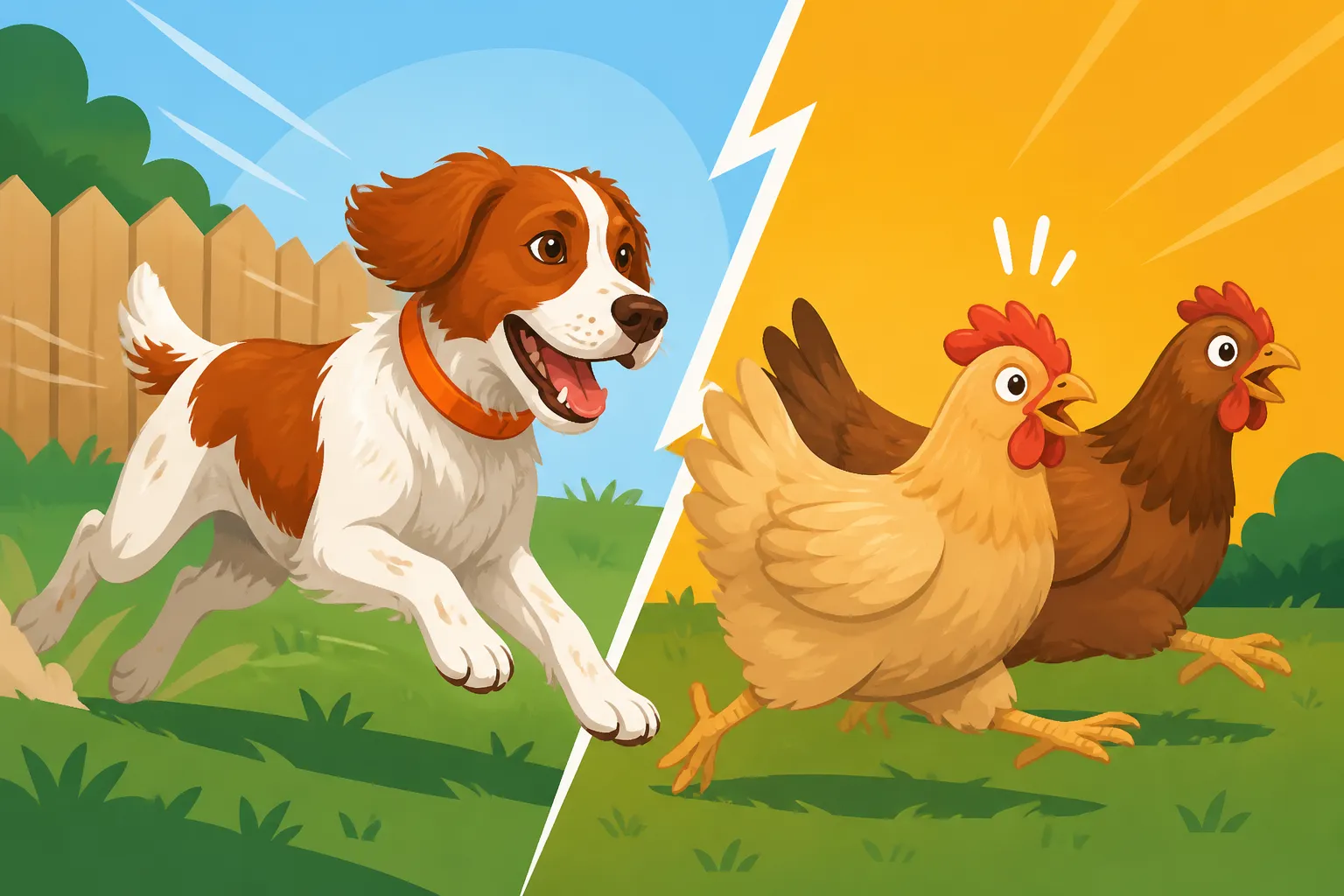
Whether a Brittany Chases Backyard Chickens
It’s a scenario many Brittany owners find themselves in: you love your energetic, bird-crazy companion, but you also dream of fresh eggs from your own backyard flock. The undeniable reality is that a Brittany Spaniel, a dog purpose-bred for generations to find and point birds, views anything with feathers as a prime target for its deeply ingrained instincts. This guide is here to walk you through the very real challenges of coexisting with both your beloved Brittany and your backyard chickens, offering practical advice and setting realistic expectations for managing these two very different parts of your homestead.
Understanding the Brittany's Innate Bird Drive
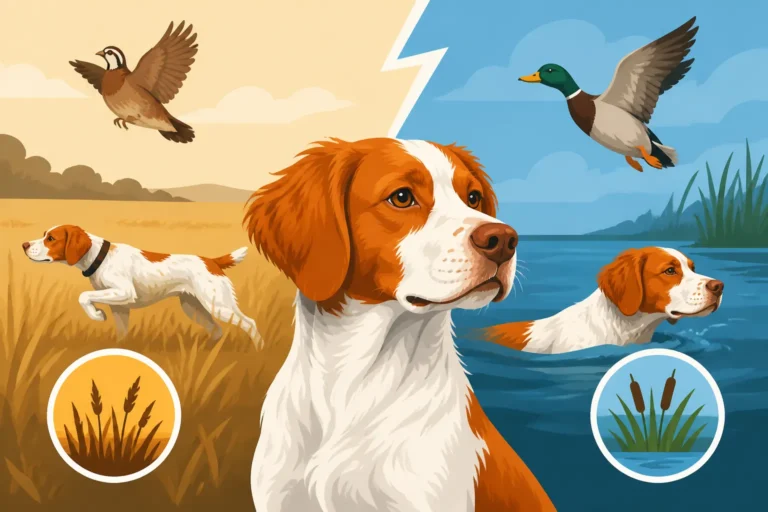
Let's face it: you didn't get a Brittany because you wanted a couch potato. You chose this breed for its incredible energy, intelligence, and above all, its profound desire to hunt birds. This isn't just a quirk; it's the very essence of what makes a Brittany a Brittany. Their ancestors were developed over centuries in the fields of France to locate game birds, hold a rock-steady point, and often retrieve. This isn't something you can simply train out of them with a few stern words.
Why Chickens Are Irresistible Targets
To your Brittany, a chicken isn't a pet; it's a bird. And not just any bird, but often a slow-moving, clucking, flapping bird that looks remarkably like easy prey. The movement, the sounds, the scent – every single aspect of a chicken triggers that primal hunting sequence embedded deep within your dog's DNA.
Imagine your Brittany is in a field. What does it do? It quarters, it uses its nose, it locks onto scent, it points, and given the opportunity, it might flush and retrieve. Now, look at a flock of chickens. They wander, scratch, sometimes fly short distances, and make enticing noises. These behaviors are precisely what a Brittany is hardwired to react to. It’s not malice; it’s instinct. Expecting a Brittany to ignore a chicken is like asking a fish to ignore water. It can be incredibly frustrating for owners who see their sweet, loving companion turn into a driven hunter at the sight of poultry.
The Stages of the Hunt: Point, Chase, Catch
When your Brittany encounters a chicken, it's not usually a direct, immediate attack. Often, you'll see a distinct progression of its hunting sequence, especially if it's not accustomed to chickens. First, there's the intense focus, the "point" – that classic frozen stance, nose directed at the bird, tail often stiff. This is your dog's brain saying, "Bird! Found it!" Then, if the chicken moves or the dog's excitement overwhelms its training, the chase is on. This can quickly escalate to catching and, unfortunately, harming the bird.
The power of this instinct is why early and consistent management is so crucial. A Brittany might start with just a curious sniff, but that curiosity can quickly morph into a full-blown chase instinct once the bird starts to move. If you've ever watched your Brittany intently follow the flight of a songbird in your yard, you can picture that same intensity magnified when it comes to the easier-to-catch, ground-dwelling chickens.
Managing the Risk: Strategies for Coexistence
Given the Brittany's strong prey drive, expecting them to simply ignore chickens is often unrealistic. Instead, a multi-faceted approach focusing on containment, supervision, and consistent training is your best bet for peace and safety. It's less about "curing" the instinct and more about managing the environment and your dog's behavior within it.
Secure Fencing and Enclosures
The first line of defense is always physical separation. Your chickens need a secure run and coop that your Brittany cannot breach, dig under, or jump over. This means solid fencing, ideally buried a foot or so into the ground to prevent digging. The fence should be tall enough that your Brittany can’t easily jump it – remember, these are athletic dogs!
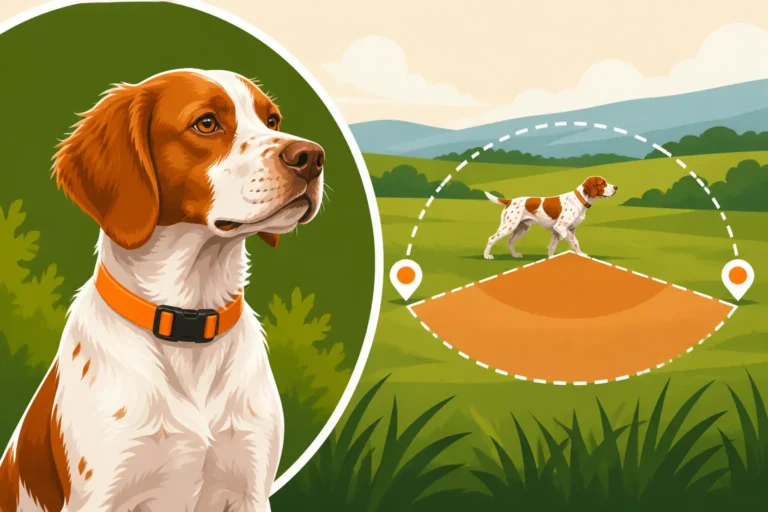
Conversely, your Brittany also needs a securely fenced yard or designated area where it can exercise without access to the chickens. Never assume a single fence is enough. A chicken wire fence might deter chickens, but it's often no match for a determined Brittany. Consider a dual-fence system if the chicken run is within your dog's primary exercise area. Think about electric poultry netting, too; while primarily for keeping predators out of the coop, it can also create a barrier that teaches your Brittany to keep its distance. You can find robust fencing options and even electric netting online through retailers like Amazon, offering different heights and mesh sizes to suit your specific needs.
Supervised Interactions and Leash Training
Supervision is non-negotiable, especially in the beginning. Never leave your Brittany unsupervised with your chickens, even for a moment. This is where disaster can strike. When they are together, your dog should always be on a leash, ideally a long line. This allows you to maintain control and immediately intervene if your Brittany shows too much interest in the chickens.
Use a sturdy leash and a reliable harness or collar. As you progress, you might introduce a check cord, which is essentially a very long leash that drags on the ground, allowing you to quickly step on it and stop your dog if it makes a move toward the birds. This method allows for a bit more freedom than a short leash but still provides critical control. Practice walking past the chicken coop, teaching your dog to calmly acknowledge the birds but then focus back on you. Reinforce calm behavior with high-value treats and praise. The goal is to make ignoring the chickens the most rewarding option.
| Method | Description | Pros | Cons |
|---|---|---|---|
| Secure Coop/Run | Physical barrier for chickens (tall, buried fence, secure top). | Prevents direct contact; protects chickens 24/7. | Can be costly to build; still requires dog management outside the run. |
| Dedicated Dog Zone | A separate, securely fenced area for the Brittany. | Allows dog off-leash exercise; keeps chickens completely safe. | Requires additional space and fencing; dog still needs walks. |
| Leash/Long Line | Dog is always on a lead when near chickens. | Direct control; immediate correction possible; builds good habits. | Requires constant human presence; limits dog's freedom. |
| E-Collar Training | Remote training collar for consistent and immediate correction. | Effective for long-distance control; reinforces commands quickly. | Requires proper training and understanding; misuse can cause fear or aggression. |
| Desensitization | Gradual exposure to chickens from a distance, rewarding calm behavior. | Aims for habituation; reduces excitement over time. | Very time-consuming; may never achieve complete indifference due to instinct. |
| Distraction/Redirection | Engaging the dog with toys or commands when chickens are present. | Positive reinforcement-based; avoids direct confrontation. | Requires owner vigilance; may not work with high-drive dogs. |
Training for Impulse Control and "Leave It"
This is where your training truly comes into play. Commands like "leave it" and a rock-solid recall are absolutely essential. Start practicing these commands in low-distraction environments and gradually introduce distractions, not involving the chickens initially. Use high-value treats to make these commands irresistible. A strong "leave it" means your dog understands that even if something is interesting, it's not for them to pursue.
You also need an incredibly reliable recall. If your Brittany ever gets too close to the chickens, you need to be able to call them back immediately, every single time. Work on this command daily, practicing in various environments. Many online dog training programs, like those offered by BAXTER & Bella, include extensive modules on impulse control and reliable recall, which can be invaluable resources for Brittany owners facing this particular challenge. Remember, a Brittany's recall needs to be more reliable than "most dogs" because of its innate desire to hunt. How Reliable a Brittany's Recall Is is a topic that requires serious dedication.
Setting Realistic Expectations and Long-Term Solutions
It’s important to manage your own expectations when it comes to your Brittany and backyard poultry. While some dogs can learn to coexist peacefully, expecting complete indifference or to eradicate their deeply ingrained prey drive is often unrealistic. The goal should be safe coexistence through management and consistent training, not necessarily a total transformation of your dog's nature.
Can a Brittany Ever Be Truly Trustworthy Around Chickens?
For many Brittanys, especially those with a high prey drive or strong field lines, being truly trustworthy unsupervised around chickens is a big ask, and for some, it might never happen. Their instinct to hunt birds is simply too powerful. We’re talking about a breed that often holds the record for Dual Champions (dogs that excel in both conformation and field trials), which speaks volumes about their inherent birdiness. The Brittany Holds the Dual Champion Record for a reason!
While you might achieve a level of controlled tolerance where your Brittany can be present under strict supervision without lunging, allowing them free roam with a flock often carries too high a risk. It only takes one lapse in judgment, one moment of high excitement, for tragedy to strike. If you value your flock, constant vigilance and secure physical barriers are paramount.
Long-Term Management and Training Reinforcement
Living with a Brittany and chickens is often a commitment to long-term management. This isn't a "train once and forget" situation. You'll need to reinforce training regularly, especially if your Brittany isn't regularly in the field. Maintaining a high level of physical exercise for your Brittany is also incredibly important. An under-exercised Brittany with pent-up energy is much more likely to look for an outlet, and your chickens might just become that outlet. How Much Exercise a Brittany Needs Off Season directly impacts their behavior around other animals.
Consider continuing with a long line or an E-collar (with proper, professional training) even after you feel confident in your dog's understanding. These tools serve as crucial safety nets. If you find yourself struggling, don't hesitate to consult a professional dog trainer experienced in working with hunting breeds and prey drive. They can offer tailored strategies and hands-on guidance. Some breeders will tell you Whether a Brittany Chases the Family Bird is a question of individual temperament, but really, it's about setting boundaries.
The Brittany's Temperament and Socialization
While their bird drive is strong, Brittanys are generally intelligent and eager to please, making them highly trainable for other aspects of life. Their "soft" nature means they respond best to positive reinforcement and can be sensitive to harsh corrections. What a Brittany's Temperament Is Really Like is one of their most endearing qualities, but it doesn't diminish their hunting drive.
Early socialization for a Brittany puppy is incredibly important, not just with other dogs and people, but with various environments and stimuli. While exposing a puppy to chickens under very strict, controlled conditions might help them habituate to their presence, it will not remove the inherent instinct. Whether a Brittany Puppy Should Be Socialized Heavily applies to all aspects of their life, but don't mistake exposure for eradication of prey drive around feathered creatures.
Ultimately, balancing your love for your Brittany with your desire for a backyard flock requires diligence, patience, and a healthy dose of realism. By implementing robust containment, consistent training, and unwavering supervision, you can create a household where both your bird dog and your birds can coexist, albeit with clear boundaries.
Disclaimer
This article is for general informational purposes only and does not constitute professional advice. Laws, prices and regulations vary by location and change over time. Consult a qualified professional for guidance on your specific situation.