What Happened at Pontou in the 1850s
You often hear stories about the origins of our beloved Brittany Spaniels, and sometimes, a specific place and time like "Pontou in the 1850s" pops up, leaving you wondering what exactly transpired. It's easy to get lost in the mists of history, but this period was incredibly significant in shaping the breed we know and adore today. This guide will take a deep dive into that crucial moment, peeling back the layers of time to understand the foundational events that truly kicked off the Brittany's journey.
The Breeding Landscape in Brittany Before the 1850s
Before we get to Pontou, it’s vital to understand the world into which the Brittany was born. This wasn't a time of fancy pedigrees or formal kennel clubs. Instead, it was a practical, rural environment where dogs earned their keep, and their lineage was often a blend of necessity and serendipity. The land itself played a massive role in shaping the kind of dogs that thrived there.
A Land of Farmers and Poachers
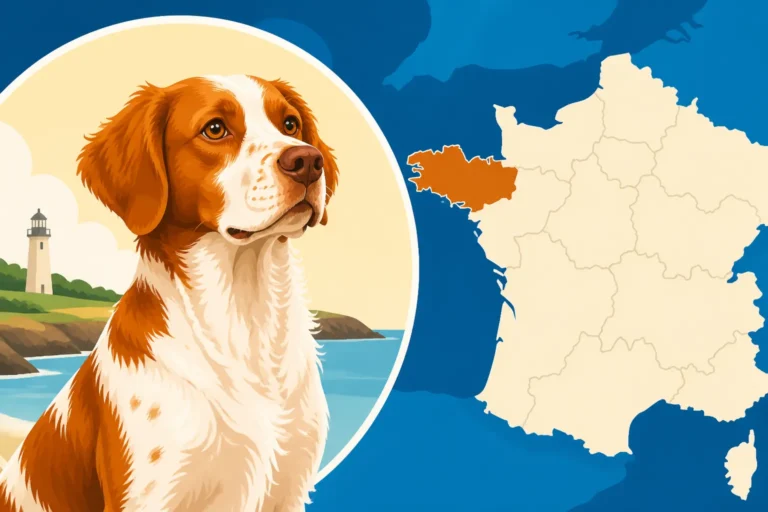
Imagine the northwest corner of France, the region of Brittany, in the early to mid-19th century. This was primarily a landscape of small farms, dense hedgerows, and mixed woodlands, far from the grand estates of English nobility. For the local peasants and farmers, hunting wasn't a sport; it was a means of putting food on the table or supplementing meager incomes. They needed dogs that were adaptable, hardy, and, above all, effective at finding game in challenging terrain without ranging so far that they'd be lost or attract unwanted attention.
The dogs of the region were, by all accounts, quite varied. Many were small to medium-sized, often described as "fawn-colored" or orange and white, with a keen nose and a willingness to work. They weren't bred to a specific "type" as we understand it now; rather, they were selected informally for their ability to find birds, drive them into nets, or flush them for traps or early, crude firearms. These were truly working dogs, integral to daily survival, and their intelligence and biddability were prized above all else. They had to be quiet, efficient, and able to cover ground without announcing their presence to game or gamekeepers. You can really see how What the Peasants of Brittany Used the Dog For was a matter of practical survival.
Life for these dogs involved a lot of close interaction with their human families. They often lived in or very near the home, sharing the same harsh conditions and receiving their training through daily tasks rather than formal sessions. This close bond naturally fostered a dog that was attentive to its owner, eager to please, and deeply connected to its human partner. This innate biddability, though not yet formalized, was a hallmark of the local dogs long before any breed standard was conceived. It's a trait that endures in the Brittany today, making them such wonderful companions and hunting partners.
The Arrival of English Sporting Dogs
While the local dogs were certainly capable, they lacked the refined pointing instincts that were being rigorously developed in other parts of Europe, particularly England. English noblemen, with their passion for elaborate bird hunting, would often visit Brittany. The region was known for its abundant game birds, and it offered a different hunting experience than their manicured estates back home. With these sportsmen came their specialized hunting dogs: the English Setters and Pointers.
These English dogs were magnificent animals, bred for generations to cover vast estates, locate game with precision, and hold a staunch point until the hunter arrived. They were typically larger, faster, and ranged much wider than the local Breton dogs, designed for hunters on horseback or those with vast open fields. While efficient, their temperament could sometimes be a bit more independent, reflecting their breeding for expansive territories. It's fascinating to consider Whether an English Setter Is in the Brittany lineage, and indeed, it's widely believed.
It wasn't uncommon for some of these visiting English sportsmen to leave behind a dog or two, either intentionally or accidentally. Perhaps a prized Setter went missing, or a less-than-stellar performer was simply abandoned or traded to a local. Alternatively, and more likely, local farmers, recognizing the superior game-finding ability of these foreign breeds, would intentionally breed their local females to these English males. This was a pragmatic decision: blend the best of both worlds – the biddability and compact size of the local dogs with the refined pointing power of the English imports.
This cross-breeding was a slow, informal process, but it was incredibly significant. It introduced a new level of bird sense and a more intense, unwavering point into the existing stock of Breton dogs. This influx of outside genetics provided the raw material, the genetic spark, that would eventually lead to the distinctive characteristics of the Brittany. Without these influences, the Breton dog might have remained a general-purpose farm dog, rather than evolving into the world-class pointing dog we cherish today.
The Genesis of the Modern Brittany at Pontou
The 1850s marks a pivotal period in the informal development of the Brittany, with the village of Pontou, near Callac, becoming synonymous with a key breeding event. This wasn't a formal scientific breeding program but a fortunate series of events that solidified the "type" that would eventually become recognized as the Brittany Spaniel.
The Legendary Breeding at Pontou, Callac
The story often told, which has strong historical backing, centers around an accidental or informal crossbreeding event that occurred in or around Pontou, a small locality near Callac, France. The prevailing account describes a local, fawn-colored female dog, a descendant of the utilitarian Breton dogs we discussed, being bred with an English Setter. This wasn't a planned breeding by a sophisticated kennel, but rather a coupling between two dogs that happened to be in the same vicinity and possessed complementary traits. It's the kind of happy accident that often shapes the origins of many ancient breeds. This particular cross resulted in offspring that truly stood out.
These puppies exhibited an uncanny blend of traits. They retained the biddability, hardiness, and more compact size of their local Breton mother, making them ideal for a foot hunter navigating the dense cover and smaller landholdings of the region. Critically, however, they also inherited the sophisticated pointing instinct of their English Setter sire. This was a game-changer. Instead of merely flushing birds, these dogs would locate them and hold them staunchly on point, allowing the hunter time to approach and get into position. This combination of traits made them incredibly valuable and highly sought after by local hunters.
This specific cross at Pontou is often cited as Where the First Brittany Cross Was Made, creating a foundational line. While the precise details — the exact names of the dogs, the exact date — are lost to time and oral tradition, the impact of this pairing cannot be overstated. It essentially created a blueprint: a small, intelligent, close-working pointing dog perfectly suited to the needs and hunting styles of the Breton people. It also largely answers the question Whether an English Pointer Sired the First Brittany, as setter influence is more commonly attributed to this key moment.
The success of these dogs likely spread by word of mouth among the local hunting community. Farmers and hunters seeing the exceptional abilities of these "Pontou type" dogs would naturally seek out their offspring or try to replicate the cross themselves. This wasn't about establishing a purebred line in the modern sense, but about identifying and propagating dogs that were supremely effective in the field. This informal selection process, driven by practical results, began to shape a more consistent dog type in the region.
The Qualities That Emerged
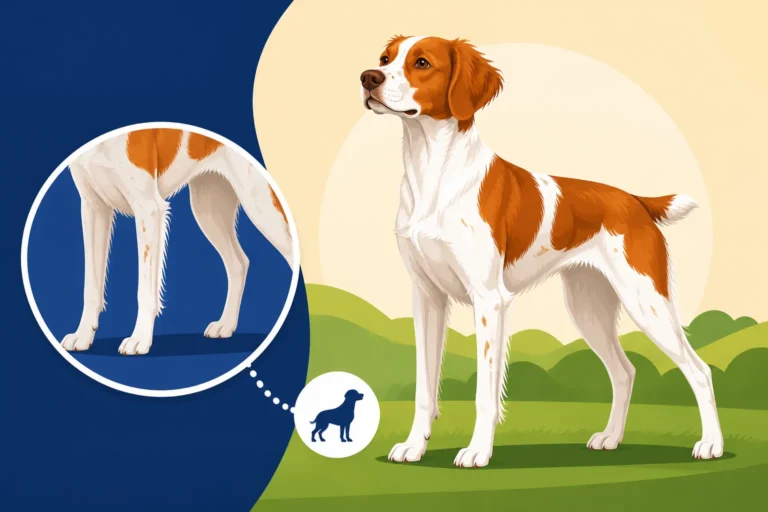
What made these dogs from the Pontou area so special and influential? It was the unique synergy of characteristics that truly set them apart. Firstly, their size was a huge advantage. They were smaller and more agile than the grander English Setters and Pointers, making them easier to transport, feed, and manage in dense undergrowth. A hunter on foot didn't want a dog ranging hundreds of yards away; they needed a partner that worked within gun range, consistently checking in and adjusting to the terrain.
Secondly, their biddability was paramount. The local Breton dogs were already known for being eager to please and responsive, and this trait carried over strongly. This made them highly trainable, even for the average farmer who didn't have the luxury of professional trainers or extensive time for formal lessons. They were quick to learn, forming deep bonds with their owners, which is a hallmark of the Brittany temperament even today. This trait, combined with their incredible bird sense, made them truly indispensable.
Perhaps the most significant emerging quality was the blend of pointing and retrieving abilities in a compact, tenacious package. These dogs didn't just point; they often showed a natural desire to retrieve fallen game. This "versatile" nature, being able to both point and retrieve, made them incredibly efficient and desirable for the subsistence hunter. They were also hardy, able to withstand the often-chilly, damp climate of Brittany, with a dense coat and a robust constitution. You can see how Which Breeds Went Into the Brittany truly created something special.
This combination of traits – compact size, incredible biddability, an excellent nose, staunch point, and natural retrieve – was revolutionary for the time and place. It created a dog that could truly do it all for the walking hunter. These were not just good hunting dogs; they were loyal companions, adaptable family members, and tireless workers, all wrapped up in a package that was practical and manageable. This distinct "type" would slowly but surely gain renown, paving the way for the breed's eventual formal recognition.
The Impact of the Pontou Cross on Brittany Development
The events at Pontou in the 1850s were more than just a localized breeding occurrence; they were a foundational moment that set the trajectory for the entire Brittany breed. The success of these early crosses resonated through the region, slowly shaping a collective understanding of what an ideal local hunting dog could and should be.
Spreading the "Pontou Type"
Once the effectiveness of these crosses became apparent, the "Pontou type" began to spread organically throughout the region of Brittany. It wasn't through organized sales or formal advertising; it was through the grapevine of hunting communities. A neighbor would see a farmer's dog demonstrating an exceptional point or a tireless retrieve, and they would inquire about its lineage. This led to requests for puppies from these successful pairings or for opportunities to breed local females to proven "Pontou type" males. This informal, word-of-mouth propagation ensured that the desirable traits – close-working, biddable, staunchly pointing, and compact – became more prevalent in the general dog population of the area.
This diffusion of genetics was crucial for establishing a recognizable "type" before any formal breed standard existed. Hunters began to actively select for these traits, favoring dogs that embodied the characteristics demonstrated by the successful Pontou offspring. This natural selection, driven by practical hunting efficacy, slowly began to unify the appearance and working style of the dogs in the region. There wasn't a single breeder guiding this; it was the collective intelligence and needs of the hunting community.
Over time, this meant that while individual dogs still varied, there was a growing consistency in the overall characteristics of what people in Brittany considered a "good hunting dog." This process of informal standardization, centered around the traits that made the Pontou crosses so effective, laid the groundwork for the more formal breed development that would occur decades later. It demonstrated that a distinct, superior hunting dog could emerge from combining local resilience with imported pointing prowess, truly solidifying the potential for what the Brittany would become.
Laying the Foundation for the Breed Standard
The success and widespread appreciation of the "Pontou type" dogs in the latter half of the 19th century eventually spurred interest in formalizing the breed. As the number of these distinct-looking and performing dogs grew, the idea of creating a specific breed standard, a written description of the ideal dog, began to take hold. This marked a significant shift from informal, utilitarian breeding to a more organized effort to preserve and improve the breed.
The traits first solidified at Pontou – the compact size, the biddable temperament, the close working range, and the innate, staunch point – became the pillars upon which the first breed standard was eventually built. It was a conscious effort to capture the essence of these highly successful hunting dogs. This is where you can connect the dots to When the Brittany Standard Was First Written and understand that it wasn't a spontaneous creation, but the culmination of generations of practical development.
Early breed enthusiasts and hunters, recognizing the unique value of these Breton dogs, wanted to ensure these characteristics were not diluted but consistently reproduced. They saw the potential for a world-class pointing breed that was distinct from the larger, wider-ranging English breeds. The legacy of Pontou helped cement the idea that a smaller, more intimate working dog had a distinct place in the hunting world. It provided a tangible, living example of what was possible when local stock met refined genetics.
This foundational period meant that when the first French Brittany club was formed and the initial breed standard drafted in the early 20th century, there was already a strong, albeit informally established, type to guide them. The genetic bedrock for what would become the Brittany Spaniel, or Epagneul Breton as it's known in its homeland, was firmly in place thanks to the pivotal developments of the 1850s. It’s a testament to the foresight and practical breeding skills of those early Breton hunters that this foundation was so robust. And don't forget that The Brittany Comes From the Northwest Corner of France is key to understanding its development.
Myth vs. Reality: Understanding Historical Accounts
When we talk about events like those at Pontou in the 1850s, it's easy for them to take on a legendary quality. Understanding the nature of early breed histories helps us appreciate the significance without getting lost in unprovable details.
The Nature of Early Breed Histories
It's crucial to remember that much of what we know about the origins of dog breeds from this era comes from oral traditions, anecdotal accounts, and retrospective observations, rather than meticulously kept studbooks or scientific records. Photography was in its infancy, and DNA testing was centuries away. People weren't documenting every mating with the precision we expect from modern breeders today; they were more concerned with a dog's performance in the field than its exact pedigree.
Because of this, specific details can become blurred over time. Was it exactly one fawn female with one English Setter? Was it multiple such crosses in the same area? The precise individuals involved may be lost to history, but the general narrative of a critical crossbreeding event leading to a superior dog type is almost certainly accurate. The "Pontou in the 1850s" story acts as a powerful origin myth, encapsulating a period of significant genetic development and selective breeding driven by pragmatic needs. It's a way for us to pinpoint a moment when the Brittany's defining characteristics truly began to coalesce.
The story serves to highlight the intentionality, even if informal, behind the development of the breed. It underscores the importance of those particular crosses, even if we can't trace every single ancestor. Think of it less as a scientific report and more as a foundational narrative, a historical touchstone that helps us understand the roots of the breed. This kind of historical understanding, while not always perfectly precise, helps us grasp How Old the Brittany Breed Is and appreciate its journey.
Why the 1850s Matters
So, why does the decade of the 1850s, particularly around Pontou, hold such weight in the Brittany's history? It's because this period represents the crucial transition from a varied, local dog population to the emergence of a consistent "type" that would ultimately become a distinct breed. Before this, you had adaptable local dogs. After this, you had dogs that were increasingly showing the specific blend of traits we now associate with the Brittany: a small, biddable, close-working pointing dog.
This wasn't the moment the breed was "invented" whole cloth, but rather the moment its genetic blueprint truly solidified and gained traction among hunters. It was the spark that ignited a slow but steady process of natural and informal human selection, refining those desirable qualities. The dogs that resulted from these early crosses demonstrated such superior hunting prowess and adaptability that they became the benchmark for what a good Breton hunting dog should be. This period provides a tangible point in time for When the First Brittany Was Recorded in an informal, but incredibly impactful, way.
Understanding the 1850s at Pontou helps us appreciate the deeply ingrained working instincts and biddable nature of the modern Brittany. These traits aren't accidental; they were carefully, albeit informally, selected for over generations because they produced highly effective hunting companions for the walking hunter in the challenging Breton landscape. It's a rich history that speaks volumes about the enduring qualities of this remarkable dog. And even today, when you're looking for gear or supplies, it's comforting to know how far we've come from those early days, with resources like Chewy making it easy to care for our Brittanys.
Below is a simple comparison of the dog types involved in this pivotal period:
| Feature | Local Breton Dogs (Pre-1850s) | English Sporting Dogs (Setters/Pointers) | "Pontou Type" Brittany (Emerging 1850s) |
|---|---|---|---|
| Primary Purpose | Subsistence hunting, poaching | Formal bird hunting, field trials | Walking hunter's versatile companion |
| Working Style | Close-working, often flushing | Wide-ranging, staunch point | Close-to-medium range, innate staunch point |
| Temperament | Hardy, intelligent, adaptable | Energetic, independent, sometimes reserved | Biddable, affectionate, energetic, trainable |
| Size | Varied, generally medium | Medium to large | Compact, medium (smaller than English breeds) |
| Pointing Ability | Variable, often 'setting' | Highly developed, inherited | Strong, natural, inherited from English lines |
| Retrieving Ability | Some natural instinct | Often trained, sometimes natural | Strong natural retrieve, often to hand |
Disclaimer
This article is for general informational purposes only and does not constitute professional advice. Laws, prices and regulations vary by location and change over time. Consult a qualified professional for guidance on your specific situation.