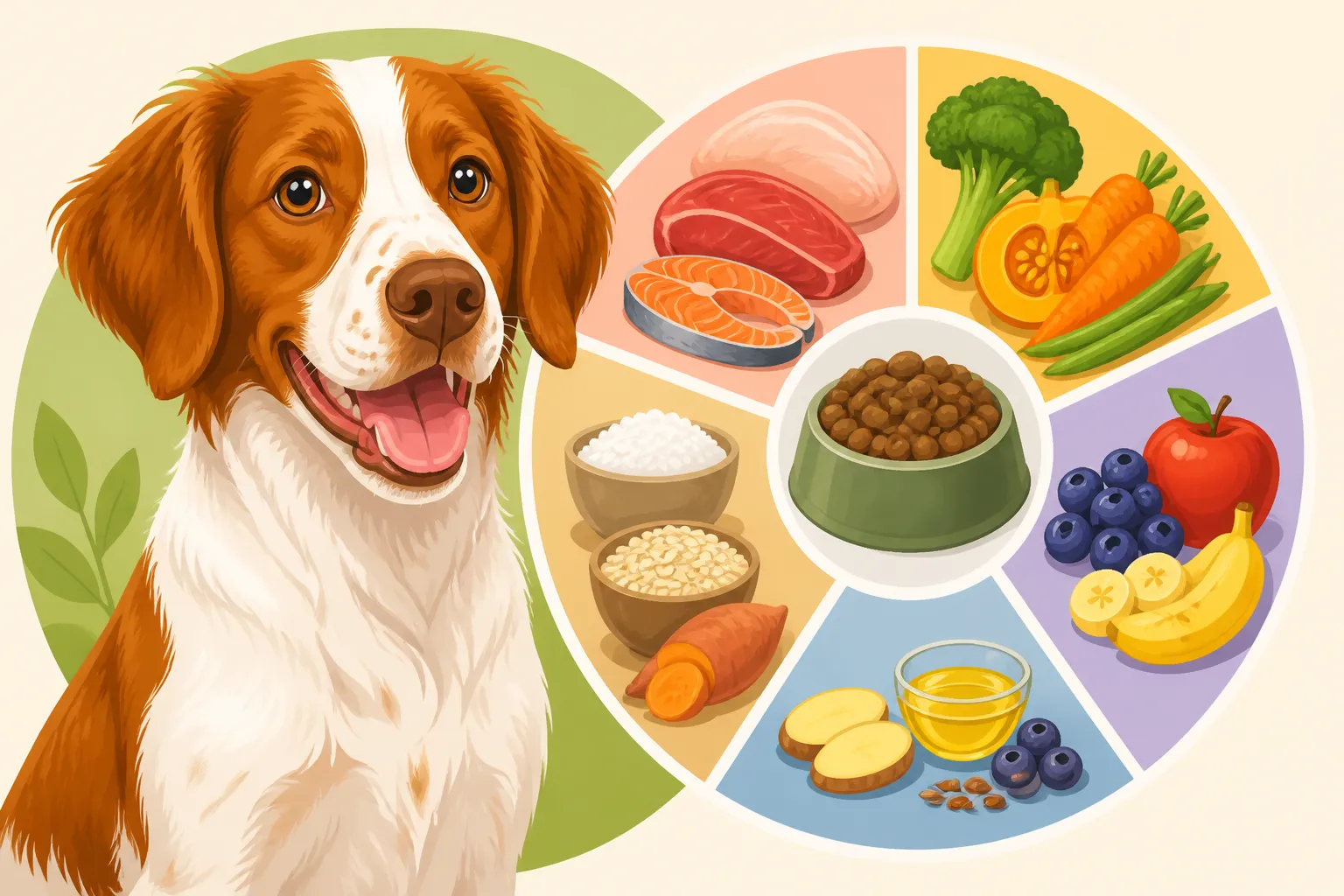
What a Brittany Eats in a Month
One of the biggest questions new Brittany owners grapple with, and frankly, experienced owners continue to tweak, is how much it truly costs to feed their energetic companion each month. It's not just about scooping kibble; it’s a whole dance involving age, activity levels, food quality, and even the occasional unexpected vet-prescribed diet. This guide is here to help you navigate the often-confusing world of Brittany nutrition and give you a realistic breakdown of what you can expect to spend to keep your bird dog happy and healthy.
Factors Influencing a Brittany's Monthly Food Bill
When you think about feeding your Brittany, it's easy to just grab a bag of whatever looks good. But the truth is, a multitude of factors play into the actual monthly cost, and understanding these can help you make more informed decisions for your dog's health and your wallet. It's not a one-size-fits-all equation, especially with a breed as active and particular as the Brittany.
Age and Activity Level Dictate Needs
A tiny Brittany puppy, with its boundless energy and rapid growth, has vastly different nutritional demands than a seasoned hunter or a calm, aging companion. Puppies need more calories per pound of body weight to fuel their development, often requiring special puppy formulas that are denser in nutrients and fat. As they mature into adolescents and then adults, their caloric needs per pound might decrease, but their overall intake could increase due to their size and especially their activity.
For a working Brittany, the game changes entirely when hunting season rolls around. They might be covering miles of challenging terrain, pointing birds, and retrieving through thick cover for hours on end. This intense physical exertion means their bodies are burning through fuel at an incredible rate. During these peak periods, you’ll likely need to increase their food intake significantly or switch to a high-performance formula designed for active dogs. Conversely, in the off-season, when their exercise might be more routine or less strenuous, maintaining that same level of caloric intake could lead to unwanted weight gain, making them less fit for the next season. It's a constant calibration, much like an athlete preparing for their sport.
The Impact of Food Quality and Ingredients
Walk down any pet food aisle, and you’ll see a bewildering array of options, from budget-friendly kibble to premium, grain-free, or even human-grade diets. The quality of ingredients, and consequently the price, varies wildly. Cheaper foods often rely on fillers like corn or soy, and less digestible protein sources. While they might fill your dog up, they may not provide optimal nutrition, potentially leading to a dull coat, lower energy, or even digestive issues over time. This can, in the long run, lead to higher vet bills, so that initial saving might not be a saving at all.
Premium foods, on the other hand, typically feature high-quality animal proteins as the primary ingredient, along with wholesome grains or novel carbohydrate sources, and a blend of vitamins and minerals. These foods are often more digestible, meaning your Brittany absorbs more nutrients from a smaller quantity of food. This can sometimes balance out the higher per-bag price, as you might need to feed less of it. For those considering fresh food, services like Ollie deliver pre-portioned, human-grade meals right to your door, offering an appealing option for owners looking for top-tier nutrition, though at a significantly higher cost point. It’s about finding that sweet spot between what you can afford and what keeps your Brittany thriving.
Brand Recognition and Sourcing Costs
Just like human food, pet food brands range from universally available options to niche, specialized producers. Larger, well-established brands often benefit from economies of scale, allowing them to offer competitive prices. However, some of these brands might have less transparency regarding their ingredient sourcing or manufacturing processes. On the other end, smaller, boutique brands or those focusing on ethically sourced, local, or organic ingredients often come with a steeper price tag. They might tout specific farm-to-bowl practices or unique protein sources, which appeal to owners who want to know exactly what their dog is consuming.
The cost also reflects where the ingredients come from and how they are processed. Foods made with ingredients from specific regions or those undergoing minimal processing (like freeze-dried raw or gently cooked diets) will naturally cost more due to higher production expenses. For many Brittany owners, especially those with dogs prone to sensitivities, the peace of mind that comes with knowing the ingredient origin and processing quality can be worth the extra expense. It's a balance between brand trust, perceived value, and the hard numbers on the price tag.
Calculating Daily and Monthly Food Portions
Getting the right amount of food into your Brittany is more than just pouring until the bowl looks full. Overfeeding can lead to obesity and joint issues, while underfeeding can leave a working dog depleted and unhealthy. It's a careful calculation that needs to be adjusted based on your dog's individual metabolism, activity, and life stage.
Determining an Adult Brittany's Daily Needs
Most dog food bags come with a feeding guideline based on your dog's weight. For an adult Brittany, who typically weighs between 30-40 pounds, these guidelines are a starting point. However, remember that these are averages. A Brittany who spends an hour daily running off-leash in a park will have different caloric needs than one who's training for field trials for several hours a day. Generally, a healthy adult Brittany might consume anywhere from 1.5 to 3 cups of high-quality kibble per day, split into two meals. This can be directly influenced by what an adult Brittany should weigh, and if you notice them getting too lean or too heavy, it's time to adjust.
It's crucial to observe your dog's body condition. You should be able to feel their ribs easily without seeing them protruding, and they should have a discernible waist when viewed from above. If your dog is gaining too much weight, cut back slightly. If they're looking a little too slender, especially after an active period, increase their portions. Consistency is key, and measuring their food precisely with a proper scoop, rather than eyeballing it, helps maintain that balance. Remember that these guidelines are for basic maintenance, and hunting season changes everything.
Adjusting for Working Dog Demands
When your Brittany is actively hunting or participating in rigorous training, their energy expenditure skyrockets. A standard maintenance diet simply won't cut it. During these periods, a working Brittany needs a performance food that is higher in fat and protein to sustain their energy levels and aid in muscle recovery. You might find yourself feeding 30% to 50% more food than during the off-season, or even more for intensely active dogs on multi-day hunts. The frequency of feeding might also change, with some owners opting for a smaller, easily digestible meal a few hours before a hunt, and a larger meal post-exertion.
It’s not just about quantity; it’s about calorie density. A higher-fat food packs more energy into each bite, which is essential for endurance. You'll need to closely monitor their weight and energy levels. If you notice a significant drop in condition or a lack of stamina, it's a clear sign that their diet isn't meeting their working demands. Many owners worry when a Brittany loses weight over a season, but it's a common struggle to keep up with the calories burned. This is where a high-quality performance food truly shines, providing sustained energy without overfilling their stomach right before intense activity.
Puppy Feeding Schedules and Growth
Brittany puppies are bundles of energy and growth. Their bodies are rapidly developing, meaning they need a consistent supply of nutrients. Typically, a Brittany puppy eats three to four meals a day when very young (8-12 weeks), gradually transitioning to two meals a a day by 6-12 months of age. The amount per meal will increase as they grow, following the guidelines on their puppy food bag, which are usually calibrated for their current age and projected adult weight. For example, a three-month-old puppy might need about 1 cup total per day, while a six-month-old might be closer to 2 cups. Understanding what a Brittany puppy eats is critical for healthy development.
It's important to choose a high-quality puppy food, often labeled for "all life stages" or specifically "puppy" formula, which has the correct balance of calcium and phosphorus for bone development. While Brittanys aren't giant breeds, rapid growth can still put stress on their developing joints. By their first birthday, most Brittanys are ready to transition from puppy to adult food. Knowing when a Brittany puppy moves to adult food depends on their individual growth rate and your veterinarian's recommendation, but it's a milestone that will slightly change their caloric needs and feeding schedule. Always make dietary changes gradually over several days to avoid upsetting their sensitive puppy stomachs.
Understanding Different Food Types and Their Costs
The landscape of dog food is diverse, offering options that cater to every budget, lifestyle, and dietary preference. Each type comes with its own set of advantages, disadvantages, and, of course, a distinct price point that will directly impact what a Brittany eats in a month.
Exploring Kibble Options
Kibble remains the most popular and generally the most cost-effective option for feeding a Brittany. Within the kibble category, you'll find a wide spectrum of quality and price.
- Budget-Friendly Kibble: These tend to use more fillers like corn, wheat, or soy, and less expensive protein sources. A large bag (e.g., 30-40 lbs) might cost you less, often translating to a monthly expense on the lower end. While affordable, some Brittanys might not thrive on these diets, potentially experiencing digestive upset, skin issues, or lower energy levels due to less digestible ingredients. You might also find yourself feeding more volume to meet their caloric needs.
- Mid-Range Kibble: These brands offer a better balance of quality ingredients and cost. They typically feature animal protein as the first ingredient and fewer cheap fillers. A bag might be moderately priced, providing a good middle-ground for many owners. These often offer better digestibility and more complete nutrition, which can mean your Brittany needs slightly less food volume. Many owners find convenience in online retailers like Chewy, which often offer auto-ship discounts on recurring orders, making mid-range kibble a very practical choice.
- Premium/Performance Kibble: Designed for highly active dogs or those with specific dietary sensitivities, these kibbles use high-quality, often novel, protein sources, wholesome carbohydrates, and often include beneficial supplements like omega fatty acids, glucosamine, and chondroitin. While the bag price is higher, your Brittany often needs less of it due to its nutrient density. These are excellent choices for working Brittanys, ensuring they get the sustained energy and recovery support they need. You'll find specialty brands that focus on performance, often resulting in a higher monthly bill, but potentially better health and performance in the field.
Wet Food and Fresh Diets
Moving up the cost ladder, wet food and fresh diets offer increased palatability and often higher moisture content, which can be beneficial for hydration.
- Wet Food: Typically sold in cans, pouches, or trays, wet food is often used as a topper for kibble to entice picky eaters or to add extra hydration. Feeding a Brittany solely on wet food would be significantly more expensive than kibble due to its lower calorie density and higher water content. A single can rarely provides enough calories for a day, meaning you'd go through many cans in a month, quickly escalating costs. It's often reserved as an occasional treat or mixed in small amounts with kibble.
- Fresh/Human-Grade Diets: This category has gained popularity, with services like Ollie delivering pre-portioned, human-grade meals right to your door. These diets consist of gently cooked meats, vegetables, and grains, aiming to provide a diet closer to what humans eat. They are highly palatable and often beneficial for dogs with sensitivities or digestive issues. However, the convenience and quality come at a premium. For a 30-40 lb Brittany, a fresh food diet can easily cost several times more than even premium kibble on a monthly basis. The cost varies by portion size and recipe, but it's a significant investment.
Raw Feeding Considerations
Raw feeding, often referred to as Biologically Appropriate Raw Food (BARF) or Prey Model Raw (PMR), involves feeding uncooked meat, bones, and organs. Proponents believe it leads to improved digestion, shinier coats, cleaner teeth, and better overall health.
- Commercial Raw Diets: These are typically freeze-dried, dehydrated, or frozen raw patties/chubs, formulated to be nutritionally complete. They offer convenience, as they are pre-portioned and balanced. Brands offering these products ensure they meet AAFCO standards. However, they are among the most expensive feeding options, often rivaling or exceeding the cost of fresh cooked diets. The convenience of not having to formulate it yourself is reflected in the price.
- DIY Raw Diets: For owners willing to put in the research and effort, preparing a raw diet at home from scratch can be slightly less expensive than commercial raw options, but it requires a deep understanding of canine nutrition to ensure it's balanced. You'll need to source various cuts of meat, organs, and bones from butchers or specialty suppliers. This also involves significant freezer space and careful handling to prevent bacterial contamination. While potentially more affordable than commercial raw, it demands a substantial time commitment and a thorough understanding of proper ratios to avoid nutritional deficiencies that could impact your Brittany's health. Without proper knowledge, a DIY raw diet can actually be detrimental.
Here's a quick comparison of monthly food costs for an average adult Brittany (35 lbs) on different diets:
| Food Type | Estimated Daily Intake | Typical Bag/Service Size | Estimated Monthly Cost Range (USD) | Pros | Cons |
|---|---|---|---|---|---|
| Budget Kibble | 2.5 – 3 cups | 30-40 lb bag | $30 – $50 | Low cost, widely available | Lower quality ingredients, more fillers |
| Mid-Range Kibble | 2 – 2.5 cups | 25-30 lb bag | $50 – $80 | Better ingredients, good value | Still processed, less fresh |
| Premium/Performance Kibble | 1.5 – 2 cups | 20-25 lb bag | $70 – $120 | High quality, nutrient-dense | Higher initial cost, less variety |
| Wet Food (as sole diet) | 4-6 cans | Individual cans/trays | $150 – $300+ | Very palatable, high moisture | Very expensive, less calorie-dense |
| Fresh/Human-Grade (e.g., Ollie) | Pre-portioned meals | Subscription service | $150 – $350+ | Highly palatable, fresh ingredients | Very expensive, requires freezer space |
| Commercial Raw | Pre-portioned patties | Various sizes | $200 – $400+ | Biologically appropriate, no fillers | Most expensive, requires freezer space, handling |
Note: These are estimated ranges and can vary significantly based on brand, specific product, regional pricing, and your Brittany's individual metabolism.
Beyond the Bowl: Treats, Supplements, and Chews
The monthly food budget for your Brittany isn't solely about their main meals. A well-rounded approach to their diet often includes treats for training, supplements for health, and chews for dental hygiene and mental stimulation. These 'extras' can add up, so it's important to factor them into your overall cost analysis.
Training Treats and Recreational Chews
Brittanys are intelligent and biddable dogs, making them highly responsive to positive reinforcement training. And what's better than a tasty treat to reward a perfectly executed "whoa" or a solid retrieve? However, those small rewards can quickly become a significant line item in your budget. High-value training treats, often small, soft, and pungent, are essential for effective training but tend to be pricier per ounce than regular kibble. Buying them in larger quantities or making your own dehydrated liver treats can help manage costs.
Beyond training, recreational chews like bully sticks, dental chews, or dehydrated animal parts (ears, tracheas) serve multiple purposes. They provide mental stimulation, help keep teeth clean, and satisfy your Brittany's natural urge to chew. However, these can range from a few dollars for a small dental chew to much more for larger, longer-lasting options. Many owners rotate through these to keep their dogs engaged. While not strictly "food," these items are a vital part of a Brittany's overall well-being and consumption, so they absolutely factor into the monthly spend. You might spend anywhere from $10 to $50 extra per month on these, depending on your dog's chew drive and your choice of product.
Essential and Supplemental Nutrition
Sometimes, even with a high-quality diet, a Brittany might benefit from additional supplements. This is particularly true for working dogs, aging Brittanys, or those with specific health concerns. Common supplements include:
- Joint Supplements: Given the Brittany's active lifestyle and propensity for conditions like hip dysplasia, many owners opt for joint supplements containing glucosamine, chondroitin, and MSM. These can help support joint health and mobility. While the Brittany is one of the healthiest sporting breeds, protecting their joints is paramount.
- Omega-3 Fatty Acids: Fish oil supplements are excellent for skin and coat health, reducing inflammation, and supporting cognitive function.
- Probiotics: For Brittanys with sensitive stomachs or those undergoing antibiotic treatment, probiotics can help maintain a healthy gut microbiome.
- Multivitamins: Some owners choose a general multivitamin, especially if their dog is on a home-prepared diet that might lack certain nutrients.
These supplements are often recommended by veterinarians, especially if your Brittany needs a preseason vet check or if their yearly bloodwork should cover specific markers. The cost of supplements can vary widely depending on the brand, dosage, and specific ingredients, but expect to add an extra $15-$50 or more to your monthly budget if your dog requires them. It's an investment in their long-term health, helping them stay active and vibrant for many years, truly impacting what a Brittany costs over its lifetime.
Dental Chews and Regular Dental Care
Good dental hygiene is not just about fresh breath; it's critical for your Brittany's overall health. Poor dental health can lead to pain, infection, and even systemic diseases affecting the heart and kidneys. While brushing your Brittany's teeth regularly is the gold standard, dental chews can play a supplementary role. These chews are formulated to help reduce plaque and tartar buildup through mechanical action and sometimes special ingredients.
However, not all dental chews are created equal, and some can be high in calories, so they need to be factored into your Brittany's daily intake. The cost of these chews adds to the monthly budget, but it's often a worthwhile expense to potentially delay or reduce the need for professional dental cleanings, which can be quite costly. It’s also important to remember that these are not a substitute for veterinary dental care. A combination of regular brushing, appropriate dental chews, and professional cleanings as needed, ensures your Brittany's pearly whites stay in top condition.
Smart Shopping Strategies for Brittany Food
Feeding your Brittany a quality diet doesn't have to break the bank, but it does require some strategic planning and smart shopping. With a little effort, you can often find ways to reduce your monthly food bill without compromising on nutrition.
Buying in Bulk and Utilizing Sales
One of the most straightforward ways to save money on dog food is to buy larger bags. The per-pound cost almost always decreases as the bag size increases. If you have the storage space (a cool, dry place away from pests) and your Brittany goes through food quickly enough before it spoils, buying a 30-40 pound bag rather than multiple smaller ones can lead to significant savings over the month. However, be cautious not to buy so much that the food goes stale or attracts bugs. Airtight containers are your best friend here.
Beyond bulk buying, keep an eye out for sales and promotions from pet supply stores, both brick-and-mortar and online. Many retailers offer "buy one, get one half off" deals, seasonal discounts, or manufacturer coupons. Signing up for email newsletters from your favorite brands or stores can alert you to these opportunities. Planning your purchases around these sales can shave a noticeable amount off your monthly expenses.
Leveraging Subscription Services and Auto-Ship Options
In today's digital age, subscription services have become incredibly popular for their convenience, and pet food is no exception. Companies like Chewy offer auto-ship programs where your chosen food is delivered to your door on a recurring schedule. The biggest perk? Many of these services provide a discount (often 5-15%) on auto-ship orders. This not only saves you money but also ensures you never run out of food, which is a huge stress reliever for busy owners.
The beauty of these services is the flexibility. You can usually adjust delivery frequency, pause shipments, or change products with ease. This means you can tailor it perfectly to your Brittany's consumption rate, whether it's a steady flow or adjusted for hunting season demands. This strategy works well for consistent kibble feeding and even for fresh food delivery services like Ollie, which are inherently subscription-based.
Exploring Loyalty Programs and Pet Store Memberships
Many pet supply stores, both large chains and local independent shops, offer loyalty programs or membership discounts. These programs often reward frequent customers with points for every purchase, which can then be redeemed for discounts on future orders. Some even offer exclusive member pricing on certain items or special promotions.
Taking the time to sign up for these free programs can yield tangible savings over time. For example, some programs might offer a free bag of food after purchasing a certain number of bags, essentially giving you a 10-20% discount on that rotation. If you regularly purchase your Brittany's food, treats, and other supplies from the same retailer, consolidating your purchases through their loyalty program is a no-brainer. It's about maximizing every dollar spent on your furry friend.
Special Dietary Needs and Unexpected Costs
While the routine food budget is generally predictable, Brittanys, like all dogs, can sometimes develop special dietary needs that introduce unexpected costs. Being prepared for these possibilities is part of being a responsible owner.
Managing Allergy-Friendly Diets
It's an unfortunate reality that some Brittanys develop food allergies or sensitivities. Common culprits include certain proteins (like chicken or beef), grains (like wheat or corn), or even specific additives. The signs can range from itchy skin and ear infections to gastrointestinal upset like vomiting or diarrhea. If your vet suspects a food allergy, they might recommend a food elimination trial, followed by a switch to an allergy-friendly or "limited ingredient" diet. You may even encounter issues like "What a Brittany is most often allergic to," leading to a change in their regular food.
These specialized diets, whether they're novel protein sources (like duck or venison) or hydrolyzed protein formulas, are almost always more expensive than standard kibble. Sometimes, your vet might even prescribe a specific therapeutic diet. The goal is to provide complete nutrition while avoiding the ingredients that trigger a reaction. While the initial investment might seem steep, a dog free from chronic itching or digestive pain is a priceless outcome. These costs certainly impact what a Brittany eats in a month, potentially adding a significant amount.
Nutritional Adjustments for Senior Brittanys
As your Brittany enters their golden years (typically around 8-10 years old), their nutritional needs shift again. An aging Brittany might slow down, burn fewer calories, and be more prone to weight gain, making it important to consider what an aging Brittany needs fewer calories. Their metabolism changes, and they might also develop issues like arthritis, kidney disease, or dental problems that necessitate dietary modifications.
Senior dog foods are typically lower in calories and fat to help manage weight, but higher in fiber to aid digestion. They often contain added joint support ingredients like glucosamine and chondroitin, and sometimes ingredients to support cognitive function. If your senior Brittany has specific health issues, your vet might prescribe a therapeutic diet designed for kidney health, joint support, or digestive care. These specialized senior or prescription diets will increase your monthly food costs compared to standard adult food. Additionally, an aging Brittany might need softer food or even wet food if dental issues make chewing difficult.
The Expense of Veterinary-Prescribed Diets
Sometimes, a Brittany's health condition necessitates a very specific diet prescribed by a veterinarian. This could be for managing conditions like advanced kidney disease, severe gastrointestinal issues, certain heart conditions, or recovering from specific illnesses that impact their ability to process nutrients. These diets are carefully formulated to support a dog's health needs, often with precise nutrient ratios, restricted ingredients, or enhanced digestibility.
Veterinary-prescribed diets are only available through a vet's office or with a vet's prescription from authorized online retailers. They are generally the most expensive food category, often significantly more costly than even premium over-the-counter options. While pet insurance like Healthy Paws won't cover your regular food bill, it's worth considering for unexpected medical needs that might require a prescription diet down the road, as some conditions requiring these diets might be covered. The good news is that these diets are usually highly effective in managing the underlying condition, proving their worth despite the higher price tag. They are a critical part of treatment and can dramatically impact your Brittany's quality of life.
Disclaimer
This article is for general informational purposes only and does not constitute professional advice. Laws, prices and regulations vary by location and change over time. Consult a qualified professional for guidance on your specific situation.