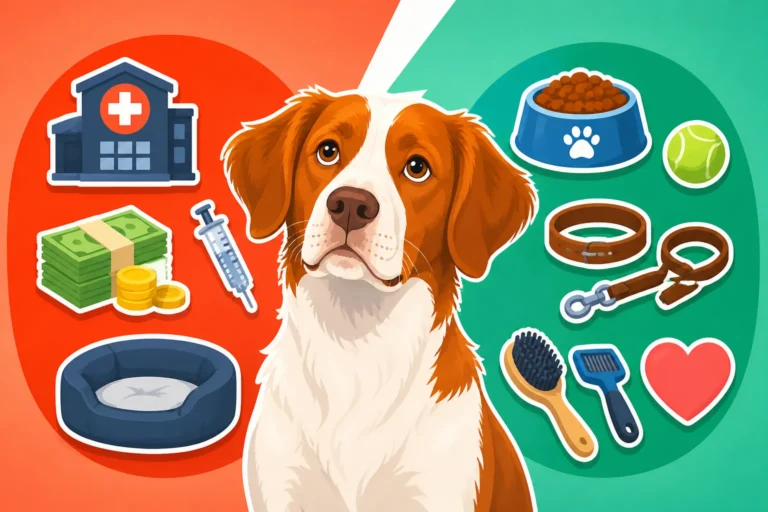
Whether a Liver and White Brittany Costs More
It's a common question among prospective Brittany owners: does a particular coat color, like the striking liver and white, command a higher price tag? Many people believe that certain colors are rarer or more in demand, leading to inflated costs. It's a completely understandable thought process, especially when you see the wide range of prices for puppies. This guide will walk you through what genuinely influences the cost of a Brittany puppy and whether that beautiful liver and white coat plays any significant role in the price you should expect to pay, helping you make an informed decision for your next hunting companion or family pet.
Understanding the Real Drivers of Brittany Puppy Costs
When you start looking for a Brittany puppy, it's easy to get fixated on appearances, but the true value and therefore the cost of a well-bred Brittany lies far beneath the surface of its coat color. Reputable breeders invest heavily in their breeding stock and the puppies they produce, and these investments are the primary factors that determine a puppy's price. Ignoring these foundational elements in favor of a specific color can lead to unexpected challenges down the road.
The Breeder's Investment and Reputation
A truly dedicated Brittany breeder isn't in it for a quick profit. Their breeding program is a passion, often spanning decades, focused on improving the breed's health, temperament, and working ability. This commitment comes with significant financial outlay. They invest in high-quality breeding dogs, often traveling to access excellent genetics or importing lines to broaden the gene pool responsibly. Their dogs receive top-notch veterinary care, premium nutrition, and professional training. When you're paying for a puppy from such a breeder, you're not just paying for the dog itself, but for the careful planning, the ethical practices, and the generations of dedication that stand behind that puppy. This means extensive research into pedigrees, careful selection of mates, and a deep understanding of the breed standard, both in the field and in conformation.
Furthermore, a reputable breeder's reputation is built on trust and consistent quality. They often have a long waiting list because people know the kind of healthy, well-adjusted puppies they produce. They are transparent about their practices, eager to answer questions, and proud to show off their dogs and facilities. This level of integrity and ongoing support is priceless, offering peace of mind to new owners. A breeder who focuses on these core values will price their puppies based on their investment in the overall quality of the litter, not superficial traits like color.
Pedigree, Titles, and Working Ability
One of the most significant factors influencing a Brittany's price is the proven quality of its lineage. This isn't just about a fancy name on a piece of paper; it's about verifiable achievements in the field or show ring. When a puppy comes from parents with strong working titles, like Field Champion (FC), Amateur Field Champion (AFC), or even Master Hunter (MH), it means those parents have demonstrated superior natural hunting instincts, trainability, and stamina. Similarly, parents with show titles such as Champion (CH) or Grand Champion (GCH) indicate they meet the breed's physical standards for structure and conformation.
These titles are a testament to the parents' inherent abilities and the breeder's success in selecting and developing sound dogs. Breeders who campaign their dogs in hunt tests, field trials, or conformation shows spend considerable time, effort, and money on training, travel, and entry fees. This investment is reflected in the price of their puppies, as you are buying into a proven genetic legacy. Even if your primary goal isn't competition, a puppy from titled parents offers a much higher likelihood of possessing the intelligence, drive, and biddability that makes Brittanys such wonderful companions and hunting partners. You'll often find that Why a Field Bred Brittany Costs More Than a Show Bred One directly relates to the extensive training and proven abilities that go into these working lines.
Health Clearances, OFA, and Genetic Testing
This is arguably the most critical aspect of a Brittany's cost, and where discerning buyers should focus their attention. Responsible breeders invest in comprehensive health clearances for their breeding stock to minimize the risk of passing on hereditary diseases to their puppies. For Brittanys, this typically includes screenings for hip and elbow dysplasia, eye certifications, and genetic tests for conditions like C3 deficiency. These tests are not cheap, and they need to be done on both parents before breeding.
For example, hip screenings, often through organizations like the Orthopedic Foundation for Animals (OFA) or PennHIP, provide an objective assessment of joint health. What Hip Screening Did for the Brittany Spaniel highlights the long-term impact of such testing on the breed's overall health. Similarly, regular eye examinations by a board-certified veterinary ophthalmologist ensure that parents are free from hereditary eye conditions. Genetic tests, such as those for Whether a Brittany Breeder Screens for C3, are crucial for preventing serious immune system disorders. A breeder who proudly shares these certifications and test results is demonstrating their commitment to producing healthy puppies. While this upfront cost contributes to the puppy's price, it pales in comparison to the potential veterinary bills and heartbreak associated with owning a dog riddled with preventable genetic conditions. A cheaper puppy without these clearances is a gamble that rarely pays off in the long run.
Does Liver and White Color Really Influence the Price?
Now, let's tackle the specific question that brought you here: does the liver and white color genuinely make a Brittany puppy more expensive? The short answer, for a reputable breeder, is generally no. The breed standard, ethical breeding practices, and the core qualities of a Brittany typically overshadow color as a price determinant.
The Brittany Breed Standard and Color
The official breed standard for the American Brittany, recognized by the American Kennel Club (AKC), is quite clear regarding acceptable coat colors. Brittanys come in a beautiful array of patterns, primarily orange and white or liver and white. These can manifest as clear patches, or with varying degrees of "roaning," where individual colored hairs are mixed with white, creating a speckled effect. Tricolor, which includes liver, orange, and white, is also recognized. Black is the only color that is not permitted in the American Brittany standard, though it is allowed in the French Epagneul Breton.
Crucially, the standard does not state that one color is more desirable or rarer than another. Therefore, a reputable breeder adhering to the standard would not charge more for a liver and white Brittany simply because of its color. The focus is on the overall quality of the dog – its structure, temperament, health, and working ability – rather than a specific hue. While some colors might appear less frequently in a given litter, this is usually due to genetic happenstance within the parents' specific lines, not an inherent rarity across the breed that would justify a higher price. You can dive deeper into this by reading Which Colors a Brittany Comes In.
Supply, Demand, and Perceived Rarity
Sometimes, a perceived rarity or a sudden surge in demand for a specific color can lead some less scrupulous breeders or casual sellers to inflate prices. Perhaps a popular movie or social media influencer features a liver and white Brittany, leading to a temporary spike in interest. However, this is usually a marketing gimmick, not a reflection of genuine breed value. Liver and white Brittanys are not inherently rare; they are simply one of the accepted and beautiful color variations within the breed.
A responsible breeder understands that true demand is for a healthy, well-tempered puppy from proven lines, regardless of its color. They will prioritize finding the right home for each puppy over capitalizing on a trend. If you encounter a breeder who tries to convince you that their "rare" liver and white Brittany is worth significantly more than its orange and white littermates, it's a significant red flag. This often signals a breeder who is prioritizing profit over the long-term health and integrity of the breed, and it suggests they might be cutting corners on the more important aspects of breeding, such as health clearances or proper socialization.
Avoiding "Designer" Color Scams
The concept of "designer" colors, where breeders attempt to create or promote unusual colorations at a premium, is thankfully not as prevalent in the Brittany breed as it is in some others. However, the principle remains: if a breeder is trying to sell a liver and white Brittany at a significantly higher price solely because of its color, they are likely misleading you. The actual value of a Brittany lies in its genetic soundness, its temperament, and its potential as a companion and hunter. These are the qualities that require diligent breeding, health testing, and careful rearing.
A breeder who is genuinely passionate about Brittanys will educate you on the breed's standards and genetic health, not push a superficial color. They understand that a puppy's color is purely aesthetic and has no bearing on its hunting prowess, its trainability, or its suitability as a family member. Your money is better invested in a puppy with a solid health guarantee, a clear pedigree, and a well-socialized upbringing, regardless of whether it's liver and white or orange and white.
Prioritizing Substance Over Superficial Traits
When you're ready to bring a Brittany into your life, shifting your focus from aesthetic preferences to the core qualities that make a Brittany a Brittany will serve you and your future dog best. The initial purchase price is just one small part of the lifetime cost and commitment. Making a wise choice upfront, based on sound breeding practices, will lead to a more fulfilling and less financially burdensome experience in the long run.
The Importance of Health Guarantees and Support
Beyond the initial color, a critical component of a responsible purchase is the health guarantee provided by the breeder. A good breeder stands behind their puppies, often offering a guarantee against serious hereditary diseases for a specified period. This isn't just a piece of paper; it's a reflection of their confidence in their breeding program and their commitment to the health of the puppies they produce. If a serious issue arises, a reputable breeder will work with you, whether that means a partial refund, a replacement puppy, or assistance with veterinary costs.
Furthermore, the ongoing support from a breeder is invaluable. They should be a lifelong resource, available to answer questions about training, diet, health, or behavior. Imagine having a personal expert at your fingertips for the next decade or more! This kind of relationship is far more meaningful than any specific coat color. When you consider the vast amount of information and products available, from specialized food delivery services like Ollie that tailor meals to your dog's needs, to endless gear options on platforms like Chewy, having a human expert who knows your specific dog's lineage is truly special. They understand the nuances of their lines and can offer tailored advice that generic resources simply cannot.
Temperament and Fit for Your Lifestyle
While a striking liver and white coat might catch your eye, the puppy's temperament is what you'll live with every single day. Brittanys are known for their enthusiastic, intelligent, and affectionate nature, but individual personalities within a litter can vary significantly. Some might be bolder and more outgoing, while others are a bit more reserved. A good breeder will spend time getting to know their puppies, observing their personalities, and matching them with the right families.
Consider your own lifestyle: are you an avid hunter looking for a high-drive field partner? Do you need a calm, steady companion for family life with young children? Or perhaps a versatile dog for agility and hiking? Discussing these needs openly with your breeder is essential. They should be able to guide you towards a puppy whose natural inclination aligns with your expectations. What a Brittany's Temperament Is Really Like explores this in detail. A puppy with a mismatched temperament, regardless of its color, can lead to frustration and behavioral issues, which are far more costly in terms of time, effort, and heartache than any difference in initial purchase price.
Long-Term Costs and Investing Wisely
The sticker price of a Brittany puppy is only the beginning of your financial journey. The lifetime cost of owning a dog, especially an active breed like a Brittany, is substantial. This includes high-quality food, routine veterinary care, vaccinations, parasite prevention, training classes, toys, bedding, and potential emergency medical treatments. Considering this, investing in a healthy, well-bred puppy upfront is the most financially prudent decision you can make.
| Factor | Impact on Price | Why it Matters More Than Color |
|---|---|---|
| Health Clearances | Significant (adds to initial cost) | Prevents costly vet bills and heartbreak from genetic diseases. Ensures a healthy companion for years. |
| Proven Pedigree/Titles | Significant (adds to initial cost) | Indicates excellent genetics for temperament, trainability, and working ability. Predicts a higher quality dog. |
| Breeder Reputation/Support | Moderate (reflects quality) | Provides lifelong guidance, ethical practices, and peace of mind. Ensures responsible breeding. |
| Socialization/Early Training | Moderate (reflects breeder's effort) | Creates a confident, well-adjusted puppy, easier to train and live with. |
| Coat Color (e.g., Liver/White) | Minimal to None (should not add cost) | Purely aesthetic. Does not impact health, temperament, or working ability. Inflated prices for color are a red flag. |
Unexpected health issues can quickly escalate into thousands of dollars. This is where pet insurance, such as a policy from Healthy Paws, can be incredibly beneficial, helping to mitigate the financial shock of accidents or serious illnesses. However, even with insurance, preventing problems through responsible breeding is always the first line of defense. When you look at the What the First Year With a Brittany Costs and even Fourteen Years of a Brittany, Priced Out, you'll see that the initial puppy cost is a fraction of the total investment. By choosing a puppy from a breeder who prioritizes health and temperament over superficial traits, you are making a wise, long-term investment in a healthy, happy companion, regardless of whether their coat is liver and white or orange and white.
In the world of Brittany ownership, the beautiful liver and white coat is just one of many lovely variations this breed offers. It's clear that while your personal preference for a specific color is perfectly valid, it should not be the driving factor in the puppy's price. The true determinants of cost—and ultimately, of a rewarding ownership experience—lie in the breeder's dedication to health, temperament, and proven lineage. Focus on finding a reputable breeder who conducts thorough health clearances, has a transparent process, and prioritizes placing their puppies in appropriate homes. A healthy, well-adjusted Brittany, regardless of its specific markings, will bring you many more years of joy and fewer unexpected expenses than a "rare colored" dog from a questionable background.
Disclaimer
This article is for general informational purposes only and does not constitute professional advice. Laws, prices and regulations vary by location and change over time. Consult a qualified professional for guidance on your specific situation.