Which Tests the Brittany CHIC Panel Requires
Many prospective Brittany owners feel overwhelmed by the alphabet soup of health clearances breeders talk about. It's tough to know what's truly essential when you're looking for a healthy puppy, and frankly, some breeders just aren't as transparent as they should be. This guide will cut through the confusion and walk you through the specific health tests the Canine Health Information Center (CHIC) requires for the Brittany Spaniel, helping you understand why each one matters for your future companion.
Understanding the Canine Health Information Center CHIC Program
The journey to finding a healthy, well-adjusted Brittany puppy can feel like navigating a maze, especially with all the jargon surrounding genetic testing and health clearances. That's where the Canine Health Information Center (CHIC) program comes in, offering a beacon of clarity for both breeders and prospective owners. It's not just a fancy acronym; it's a structured approach to breed health, designed to empower informed decisions.
The Goal of CHIC for Breed Health
The CHIC program isn't just another certification; it's a vital tool established by the Orthopedic Foundation for Animals (OFA) and the AKC Canine Health Foundation. Its whole purpose is to provide a standardized method for collecting and centralizing health information on individual dogs from participating parent clubs, like the American Brittany Club. Think of it as a comprehensive health report card for specific breeds. For us Brittany lovers, this means that when a dog earns a CHIC number, it has undergone a specific set of health screenings deemed important for the breed by the breed club itself. This helps breeders make more informed decisions when choosing breeding pairs, aiming to reduce the incidence of heritable diseases in future generations. It's a proactive step towards ensuring the long-term health and vitality of our beloved Brittanys.
For puppy buyers, seeing a CHIC number for the parents of a litter provides a level of reassurance that these dogs have been screened for common issues. It's not a guarantee that a puppy will never develop a health problem – genetics are complex, and environmental factors play a role too – but it significantly stacks the odds in your favor. It shows a breeder's commitment to transparency and responsible breeding practices, moving beyond just hip clearances to a more holistic view of canine health. This kind of comprehensive health testing is a hallmark of a reputable breeder. It’s what you should always be looking for in a puppy’s lineage, providing a solid foundation for The Twelve to Fourteen Years a Brittany Gets.
How a CHIC Number Is Earned
Earning a CHIC number isn't a single test, but rather a compilation of specific tests that are deemed crucial for the Brittany breed by the American Brittany Club. Each breed has its own list of required tests, which makes sense because different breeds are prone to different genetic conditions. For a Brittany to receive a CHIC number, all recommended health screenings must be completed, and the results, whether normal or abnormal, must be publicly available in the OFA database. This transparency is key; it's not about passing every test with flying colors, but about openly sharing the health status. A dog could have a condition, but if the breeder is transparent about it and understands the implications for breeding, that’s considered part of the program.
The process typically involves submitting test results from various veterinary specialists to the OFA. Once all the required tests are submitted and recorded, the OFA then issues a CHIC number. It acts as a permanent record for that specific dog, accessible to anyone who searches the OFA database. This public access is incredibly powerful for potential puppy buyers, as it allows them to verify the health clearances of a puppy's parents independently. When you're talking to a breeder, don't hesitate to ask for the registered names of the sire and dam and then look them up on the OFA website. It’s a simple but effective way to ensure due diligence when looking for a healthy Brittany puppy. You'll want to see What a Brittany Spaniel Breeder Should Have Tested clearly listed, indicating their commitment.
The Core Health Tests Required for a Brittany CHIC Number
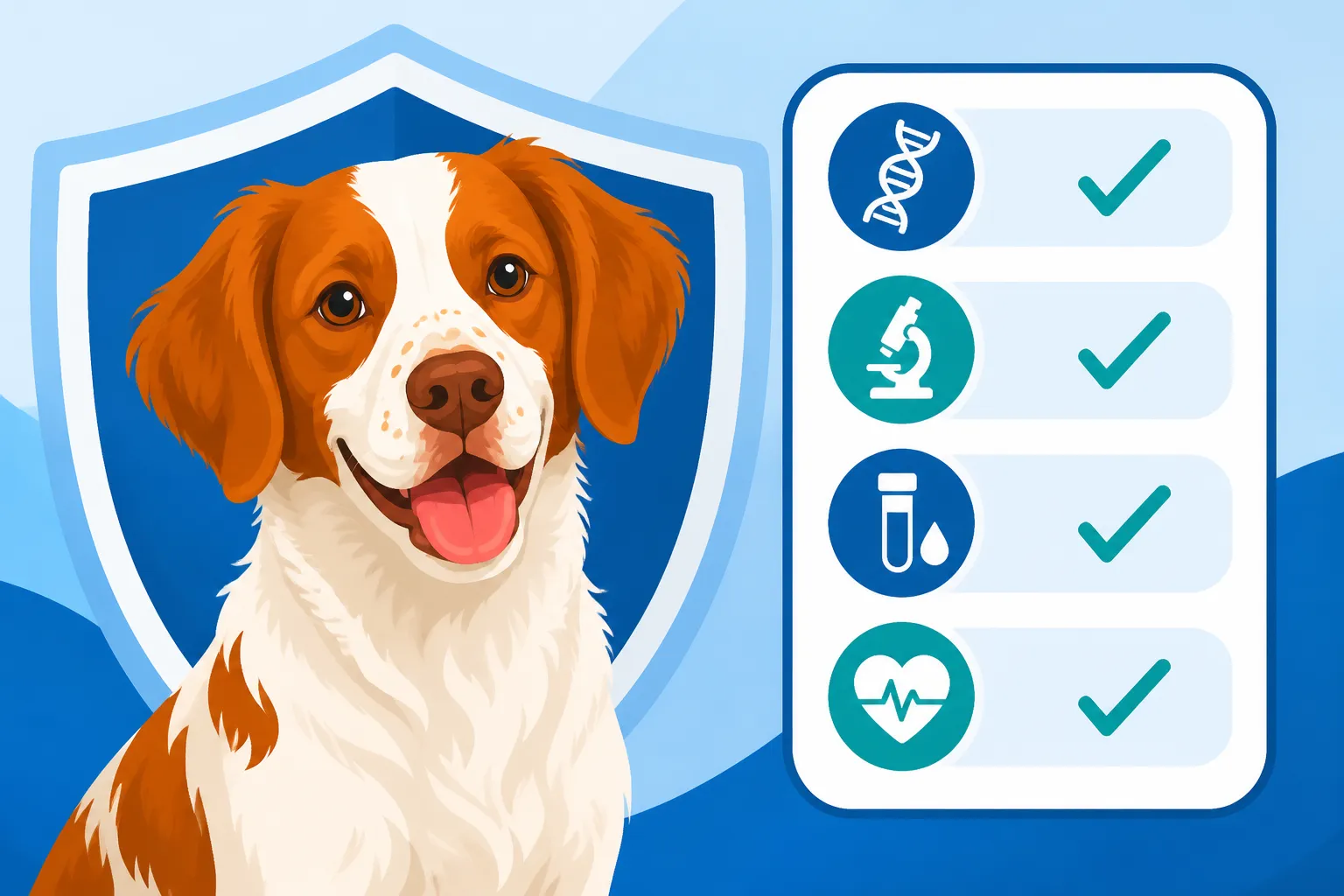
The American Brittany Club, in conjunction with the OFA, has identified a specific set of health tests that every breeding Brittany should undergo to earn its CHIC number. These tests target the most prevalent and impactful genetic health issues within the breed. Understanding each of these tests will help you recognize a truly responsible breeding program.
Hip Dysplasia Screening OFA/PennHIP
One of the most widely recognized health concerns in many breeds, including Brittanys, is hip dysplasia. This is a condition where the hip joint doesn't form correctly, leading to looseness, pain, and eventually arthritis. The CHIC program for Brittanys mandates hip evaluation. Breeders typically use the Orthopedic Foundation for Animals (OFA) evaluation, where X-rays are taken of the dog's hips and sent to a panel of veterinary radiologists for grading. The hips are scored as excellent, good, fair (all passing), or borderline, mild, moderate, or severe (all failing). Dogs must be at least two years old for a final OFA certification because their bones need to be fully developed to get an accurate assessment. Before two years, you can do preliminary evaluations, but the final certification must wait until adulthood. When a Brittany's Hips Should Be X Rayed is a critical piece of information here for timing.
Alternatively, some breeders opt for PennHIP evaluation, which assesses hip laxity and provides a distraction index score, giving a quantitative measure of hip looseness. While different in methodology, both OFA and PennHIP aim to identify dogs with healthy hips to reduce the likelihood of passing on this debilitating condition to their offspring. It’s not uncommon to hear a breeder mention "good hips" or "fair hips" for their dogs, and these are acceptable results for CHIC. What’s truly important is that the test was done and the results are public. Understanding How Common Hip Dysplasia Is in Brittany Spaniels gives context to why this screening is so vital for the breed’s athletic future.
Eye Examination CERF/OFA Eye
Another essential health screening for Brittanys on the CHIC panel involves their eyes. Brittanys are prone to certain inherited eye conditions that can affect their vision and overall quality of life. The CHIC program requires an annual eye examination by a board-certified veterinary ophthalmologist. This examination checks for conditions such as cataracts, progressive retinal atrophy (PRA), glaucoma, and other ocular abnormalities. The results are then submitted to the OFA Eye Certification Registry (formerly CERF).
Unlike hip evaluations where a single adult certification suffices, eye exams are typically recommended annually throughout a dog's breeding life. This is because some eye conditions can develop later in life and may not be present in a young dog. A clear eye exam for both parents is crucial for ensuring healthy eyesight in puppies. Imagine the heartache of a bird dog losing its keen vision due to a preventable genetic condition. It’s a simple check that provides immense value and reassurance to future owners. Finding a vet who performs these specialized eye exams is essential, and understanding Whether a Brittany Needs a Yearly Eye Exam can guide you.
C3 Deficiency DNA Test
This is a specific genetic disease that the Brittany breed is known for, making it a mandatory component of their CHIC panel. Complement 3 (C3) deficiency is an inherited immune system disorder that leaves affected dogs vulnerable to recurrent bacterial infections. It's a serious condition that can significantly impact a dog's health and lifespan. A simple DNA test can determine if a dog is clear, a carrier, or affected by C3 deficiency.
Breeders who are committed to the CHIC program will test their breeding stock for this condition. Knowing a dog's C3 status allows breeders to make informed pairing decisions to avoid producing affected puppies. For example, breeding two carriers together would risk producing affected puppies. However, a carrier can be safely bred to a clear dog without producing affected offspring, though some puppies might be carriers. This test is a fantastic example of how modern veterinary genetics allows us to actively manage and reduce the prevalence of inherited diseases. It's a testament to responsible breeding when breeders openly discuss their dog's C3 status and understand What C3 Deficiency Does to a Brittany.
Thyroid Evaluation
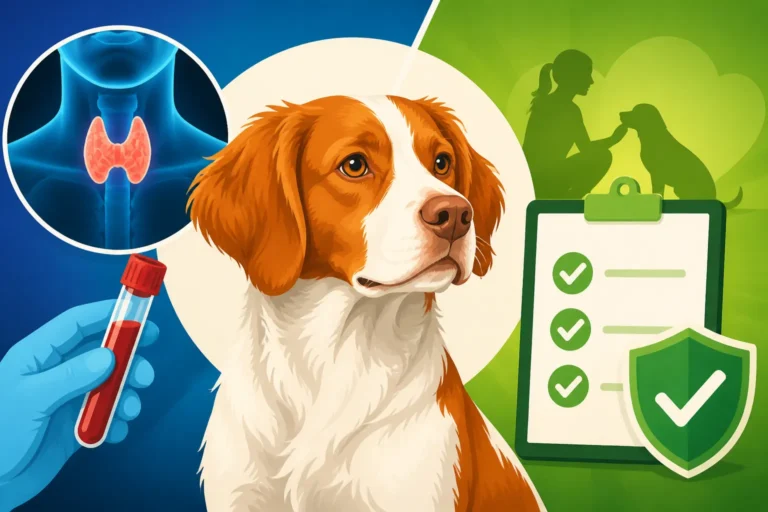
Hypothyroidism, a condition where the thyroid gland doesn't produce enough thyroid hormone, is another health concern recognized in Brittanys. While not immediately life-threatening, it can lead to a host of symptoms including weight gain, lethargy, poor coat quality, skin issues, and even behavioral changes. The CHIC program requires a thyroid evaluation for Brittanys. This typically involves a blood test that measures various thyroid hormone levels, helping to detect any imbalances early.
The OFA provides a thyroid registry, and breeders submit their dog's thyroid panel results to this database. While hypothyroidism can sometimes be acquired, there is also an inherited component in some breeds. Regular screening helps breeders identify affected individuals and consider their breeding suitability. Managing thyroid issues usually involves daily medication, which can be a lifelong commitment for owners. Knowing the thyroid status of a breeding dog is another layer of due diligence that helps protect the health of future generations. It's important to be aware of Signs a Brittany's Thyroid Is Low so you can act quickly if needed.
Here's a quick summary table of the required CHIC tests for Brittanys:
| Test Category | Specific Test/Condition | Purpose | Minimum Age for Final Cert. | Frequency |
|---|---|---|---|---|
| Orthopedic | Hip Dysplasia | To assess hip joint health and reduce incidence of arthritis/lameness. | 24 months | Once |
| Ocular | Eye Examination | To screen for inherited eye diseases like cataracts, PRA, glaucoma. | Any age | Annually |
| Genetic | C3 Deficiency | To identify carriers and affected dogs of this immune disorder. | Any age | Once (DNA test) |
| Endocrine | Thyroid Evaluation | To screen for hypothyroidism. | 12 months | Every 2 years |
Why These Specific Tests Matter for Your Brittany
These tests aren't just arbitrary hoops for breeders to jump through; they address real, impactful health challenges that can arise in Brittanys. Understanding why these conditions are screened for helps you appreciate the effort responsible breeders put in and gives you insight into potential health considerations for your own dog.
Understanding Hip Dysplasia in Brittanys
Hip dysplasia can be a heartbreaking diagnosis for any dog owner, but it's particularly concerning for an active, athletic breed like the Brittany. Imagine your energetic bird dog, built to run for miles, suddenly struggling with lameness, pain, or difficulty getting up. It's a scenario no owner wants to face. The condition ranges in severity, from mild discomfort that can be managed with supplements and pain medication to severe cases requiring expensive surgery like a total hip replacement. What Hip Surgery Costs on a Brittany is certainly a factor for owners to consider, as these procedures can be quite an investment.
Screening the parents helps to reduce the genetic predisposition. While environment, diet, and exercise during puppyhood also play a role in the expression of hip dysplasia, starting with genetically sound parents is the best foundation. A puppy from parents with excellent or good hips is far less likely to develop severe hip dysplasia than a puppy from parents whose hip status is unknown or poor. This proactive testing is one of the biggest investments a breeder can make in the long-term health of their lines and for the well-being of the puppies they produce. Many owners find ways to manage the condition, and products from places like Chewy, offering joint supplements, pain relief, and orthopedic beds, can become part of their routine care.
Protecting Brittany Eyesight
For a dog that relies so heavily on its vision for hunting and navigating the world, protecting a Brittany's eyesight is paramount. Inherited eye diseases can slowly or suddenly rob a dog of its ability to see, turning a once confident hunter into a hesitant companion. Conditions like progressive retinal atrophy (PRA) can lead to eventual blindness, while cataracts can severely impair vision. Glaucoma is an emergency that causes intense pain and rapid vision loss if not treated immediately. These conditions can be devastating for both the dog and its family. The potential for loss of sight makes Retinal Dysplasia in a Brittany Spaniel a critical concern.
The annual eye examination helps to catch these issues early, even before symptoms might be obvious to an owner. If a breeding dog develops an eye condition, responsible breeders will remove that dog from their breeding program to prevent passing on the genes. This commitment to yearly screening underscores the seriousness of these conditions and the breed club's dedication to preserving the excellent vision Brittanys are renowned for. Early detection offers the best chance for management or intervention, maintaining quality of life for your dog.
The Impact of C3 Deficiency
C3 deficiency is perhaps one of the lesser-known but most serious genetic conditions that can affect Brittanys. As part of their immune system, Complement 3 is crucial for fighting off bacterial infections. Without properly functioning C3, affected dogs are highly susceptible to recurrent, severe bacterial infections, which can impact various organs, including kidneys, joints, and skin. Puppies with C3 deficiency may show signs of chronic illness, poor growth, and a general inability to thrive. Which Infections a C3 Deficient Brittany Gets highlights the broad impact this condition can have on a dog's health.
The good news is that C3 deficiency is a simple recessive genetic trait, meaning that a DNA test can definitively tell you if a dog is clear, a carrier, or affected. This makes it a very manageable condition for responsible breeders. By avoiding breeding two carriers together, breeders can entirely prevent producing affected puppies. This test is a prime example of how modern veterinary genetics allows us to actively manage and reduce the prevalence of inherited diseases. When breeders conduct this test and share the results, they are actively working to ensure the health of their bloodlines and prevent unnecessary suffering.
Addressing Thyroid Issues
While not as immediately dramatic as some other conditions, hypothyroidism can significantly impact a Brittany's quality of life. An underactive thyroid gland means a slower metabolism, which can manifest as lethargy, weight gain even on a modest diet, dull coat, hair loss, and recurring skin infections. It can also lead to cold intolerance, making those late-season hunts much harder on your companion. Sometimes, changes in behavior like irritability or anxiety can also be linked to thyroid dysfunction.
Routine thyroid screening helps identify affected dogs. If a dog is diagnosed with hypothyroidism, it typically requires lifelong medication, which, while effective, adds to the long-term cost of ownership. This is where discussing options like pet insurance from providers such as Healthy Paws might be beneficial for managing ongoing medication costs. Responsible breeders want to identify dogs with inherited forms of hypothyroidism to avoid perpetuating it in their lines. It's about ensuring future Brittanys have robust health and don't need to rely on daily pills just to feel normal to live a happy life.
Beyond the Basics: Other Important Health Considerations
While the CHIC program sets the minimum standard, many dedicated Brittany breeders go above and beyond, performing additional screenings that contribute to the overall health profile of their dogs. These extra steps demonstrate an even deeper commitment to producing sound, healthy puppies, showcasing a comprehensive approach to genetic health.
Elbow Dysplasia Screening
Similar to hip dysplasia, elbow dysplasia is a complex condition involving multiple developmental abnormalities of the elbow joint. It can lead to pain, lameness, and arthritis. While not a required CHIC test for Brittanys by the breed club, many reputable breeders choose to screen their dogs' elbows through the OFA. This involves X-rays of the elbows, which are then graded by veterinary radiologists. Early identification of elbow issues can help breeders make informed decisions, preventing the breeding of affected individuals and ultimately working towards healthier elbows in the breed.
Given how active Brittanys are, strong, healthy joints are essential for their performance in the field and their comfort in everyday life. A dog suffering from elbow pain might be reluctant to retrieve, jump, or even run as freely as a Brittany should. Discussing elbow clearances with a breeder, even if not strictly required for CHIC, shows their dedication to holistic health. You might find this information listed as Elbow Dysplasia in a Brittany in their records.
Cardiac Health Evaluations
Heart health is another area where additional screening can provide valuable insights. While Brittanys are not particularly predisposed to a wide array of severe congenital heart diseases, a responsible breeder might have a veterinary cardiologist perform an evaluation. This often involves a physical examination and auscultation (listening to the heart with a stethoscope) to check for murmurs or arrhythmias. In some cases, an echocardiogram (ultrasound of the heart) might be recommended if any abnormalities are detected.
Ensuring a sound heart is especially important for a high-energy dog like a Brittany, which is expected to perform strenuous activity. A healthy heart is crucial for stamina and overall well-being, both in the field and at home. Even if not a core CHIC requirement, seeing a cardiac clearance on a parent dog is a positive sign of a breeder's comprehensive approach to health testing. It speaks to a commitment to the long-term vitality of their dogs, ensuring they can keep up with their active lifestyle.
Patellar Luxation Checks
Patellar luxation, or "slipping kneecap," is a condition where the kneecap dislocates or moves out of its normal groove. It can cause lameness, pain, and, over time, lead to arthritis. While more common in smaller breeds, it can affect Brittanys as well. A simple physical examination by a veterinarian can usually diagnose patellar luxation, grading it from Grade 1 (mild) to Grade 4 (severe). The OFA also offers a patella certification, providing a standardized way to record these findings.
For a dog that spends its life running, jumping, and navigating uneven terrain in the field, sound knees are incredibly important. A luxating patella can hinder a Brittany's agility and comfort, potentially cutting short its working career or even impacting its ability to enjoy walks. Many breeders include patella exams as part of their routine pre-breeding health checks, even if it's not a CHIC-required test. It's another layer of protection for ensuring the structural soundness of your future hunting partner or family companion, a topic further explored in Patellar Luxation in a Brittany.
The Broader Picture: Investing in a Healthy Future
Ultimately, understanding the CHIC panel and the associated health tests isn't just about ticking boxes. It's about making an informed decision when bringing a new family member into your home. A healthy puppy from health-tested parents means a better chance at a long, active, and happy life together, free from preventable suffering and excessive veterinary costs.
The Value of a Reputable Breeder
Choosing a reputable breeder who prioritizes these health screenings is arguably the most important decision you'll make. A responsible breeder views health testing as an ethical imperative, not an optional expense. They understand that the upfront cost and effort of these tests are minimal compared to the potential heartbreak and veterinary bills associated with preventable genetic diseases down the line. When a breeder openly discusses their dogs' health clearances, even the "less than perfect" results, they are demonstrating integrity and commitment to the breed. Don't be shy about asking direct questions about their testing practices and asking to see the actual OFA or CHIC certificates for the sire and dam.
Remember, a cheap puppy often comes with hidden costs. A puppy from untested parents might seem like a bargain initially, but if that puppy develops severe hip dysplasia, C3 deficiency, or an early-onset eye disease, your veterinary expenses could quickly skyrocket. Consider What a Brittany Spaniel Costs to Buy in 2026 and factor in potential future health expenses. Investing in a puppy from health-tested parents is an investment in peace of mind and, hopefully, fewer costly vet visits over the years. Plus, many pet food companies, like Ollie, offer specialized diets that can support joint health or sensitive stomachs, which can be part of a holistic approach to care, especially if a dog has certain predispositions.
Lifelong Health Management
Even with the best health-tested parents, lifelong health management for your Brittany remains crucial. Regular veterinary check-ups, appropriate nutrition, maintaining a healthy weight, and consistent exercise all contribute to your dog's well-being. Knowing the genetic predispositions of the breed through programs like CHIC can also help you be more vigilant for early signs of trouble. For instance, if you know hip dysplasia is a potential concern, you might be more attuned to subtle changes in your dog's gait or activity level.
It's also why pet insurance is a consideration for many Brittany owners. Even with the most careful breeding and ownership, accidents and unexpected illnesses can happen. Policies from providers like Healthy Paws can offer a financial safety net, allowing you to focus on your dog's recovery rather than worrying about the bill. Understanding the breed's health profile, facilitated by CHIC, empowers you to be a proactive and informed owner throughout your Brittany's life, from puppyhood through their senior years.
Disclaimer
This article is for general informational purposes only and does not constitute professional advice. Laws, prices and regulations vary by location and change over time. Consult a qualified professional for guidance on your specific situation.