Whether a Brittany Should Be Stripped or Clipped
It's a question many Brittany owners wrestle with: how do you keep that beautiful, functional coat in its best condition? You see pictures of impeccably groomed Brittanys, and then you look at your own dog, fresh from a romp in the burrs, wondering if you should pick up clippers or a stripping knife. This decision isn't just about how your Brittany looks; it deeply impacts their coat's natural protective qualities and overall health. Let's dig into whether stripping or clipping is the right path for your unique companion.
The Natural Design of Your Brittany's Coat
Before we even consider tools, it’s crucial to understand the coat you're working with. Your Brittany didn't just stumble into existence with a "good enough" coat; it was bred over generations for a specific purpose, and its fur is a testament to that.
Understanding the Brittany's Double Coat
A Brittany’s coat isn't just a single layer of fur; it's a sophisticated, dual-layered system designed for serious work in varying conditions. You’ve got a dense, soft undercoat that acts like a built-in thermal layer, keeping them warm in cold weather and providing some insulation from heat. Then, there's the outer coat, which consists of harsher, somewhat wavy guard hairs. These guard hairs are what you usually see and feel, and they're incredibly important. They're designed to repel water, shed dirt, and provide a protective barrier against brush, thorns, and other environmental hazards a hunting dog encounters.
When this double coat is healthy and properly maintained, it forms an almost impenetrable shield. Think of it like a natural raincoat and armor all in one. It keeps your Brittany comfortable whether they're pushing through frosty cattails or splashing through a stream. If you've ever seen a well-conditioned Brittany shake off water, you know how effective that outer coat is at keeping the dampness from penetrating to the skin. This natural design is a big part of why A Brittany's Coat Is Low Maintenance Until It Hits Cover, but it definitely needs understanding to maintain it properly.
The Role of Feathering and Its Management
Beyond the core body coat, Brittanys also boast beautiful feathering, those longer hairs you find on their ears, the backs of their legs, their belly, and under their tail. This feathering adds to their elegant appearance, giving them that classic sporting dog look. But it’s not just for show; this feathering offers additional protection, particularly to sensitive areas like joints and underbellies, which are often exposed to rough terrain.
However, anyone who owns a Brittany knows this feathering can be a double-edged sword. While protective, it’s also a magnet for everything outdoors. Burrs, seeds, mud, twigs – you name it, it’s going to get caught in that feathering. After a long day in the field, you'll spend a good chunk of time picking out all sorts of natural treasures. This is why managing The Feathering on a Brittany's Legs and Ears becomes a regular part of ownership. Many owners opt for strategic trimming of this feathering, not to remove it entirely, but to shorten it just enough to reduce the amount of debris it collects, making post-hunt cleanup a bit easier. The goal is always to balance function with aesthetics, ensuring your dog can move freely and comfortably without becoming a walking botanical garden.
Hand Stripping: Preserving Coat Health and Function
Hand stripping is often seen as the gold standard for maintaining the coat of many wire-haired and sporting breeds, including our beloved Brittanys, especially if you're aiming for a specific look or function. It's a method that works with the dog's natural coat cycle, not against it.
What is Hand Stripping and Why Do It?
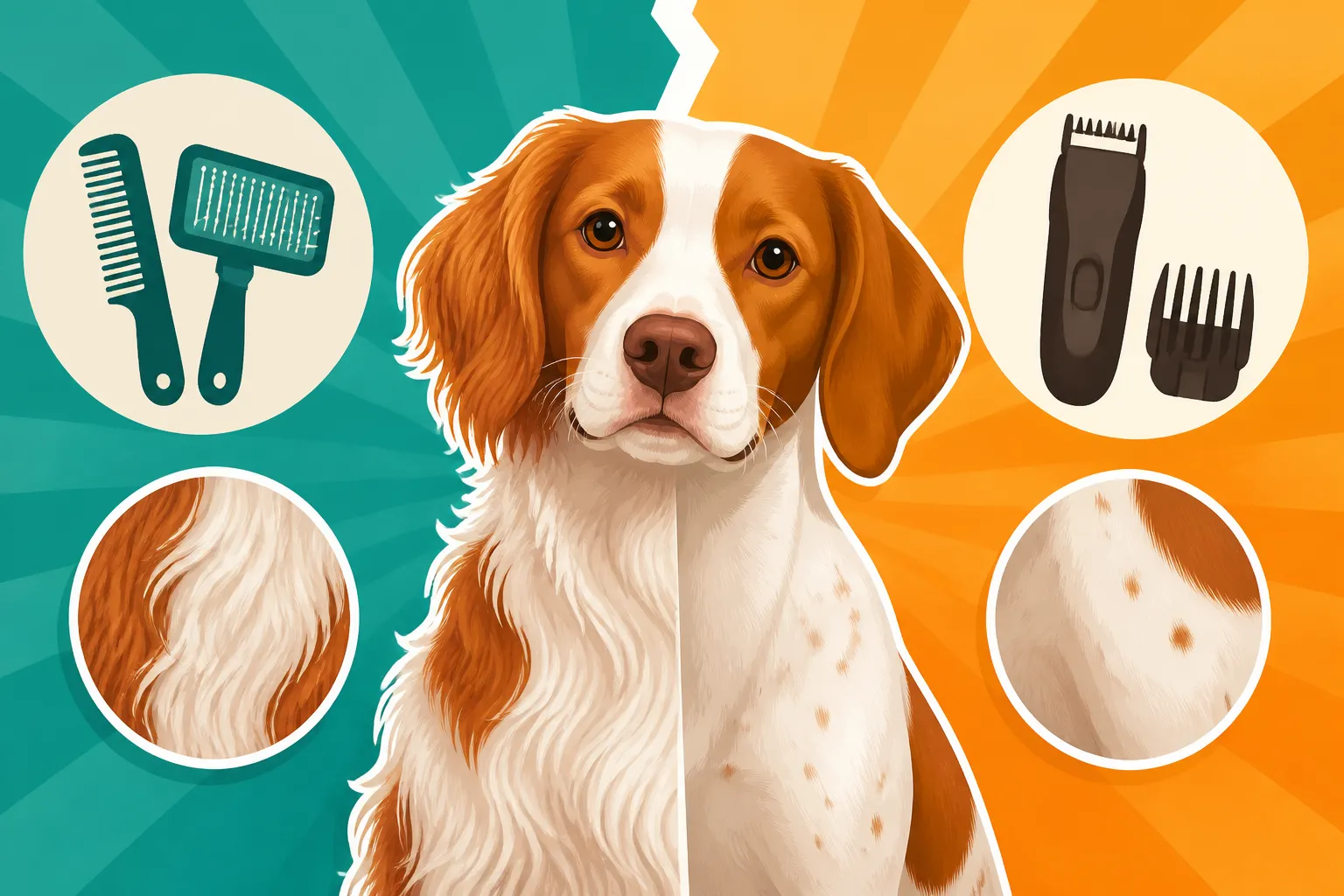
Hand stripping is essentially the process of pulling out the dead, mature guard hairs from your Brittany's coat by hand, or with the aid of a stripping knife or stone. Unlike clipping, which cuts the hair, stripping removes the entire hair follicle, making way for new, healthy guard hairs to grow in. Imagine a rose bush that needs deadheading; you're removing the old blooms to encourage new growth. It sounds a bit intense, doesn't it? And, I won't lie, it can be if not done correctly. But when done properly, it's not painful for the dog, as you're only removing hairs that are already dead and ready to come out.
The primary reason to hand strip is to preserve the integrity of the Brittany's coat. A stripped coat retains its harsh, water-repellent texture and its vibrant color. When you cut the guard hairs with clippers, you often chop off the colored tips and leave the softer, often lighter, undercoat exposed or allow it to dominate. This can make the coat feel softer, look duller, and lose its ability to repel water and dirt effectively. For a working dog, this means less protection in the field. For a show dog, it means not meeting the breed standard for coat texture. Stripping actively encourages the growth of those robust guard hairs, maintaining the coat's natural function and beauty.
The Process and Tools for Stripping a Brittany
The actual process of hand stripping involves technique and patience. You essentially "roll" the coat, meaning you work on small sections, pulling out the longest, deadest hairs in the direction of growth. Some groomers do this in stages over several weeks, allowing the coat to come in uniformly. You might use your thumb and forefinger for very delicate areas, or specialized tools like stripping knives and stripping stones for larger sections. Good quality tools, often found on platforms like Amazon or specialized grooming suppliers like Chewy, can make a significant difference in ease and effectiveness. These tools help grip the hair without cutting it, ensuring you only remove what's ready to go.
Frequency really depends on your Brittany's individual coat growth and whether you're trying to maintain a show-ready coat or just a healthy, functional one. It could be anywhere from every few weeks to every few months. The key is consistency. If you let the coat get too long and matted, stripping can become more challenging and uncomfortable for the dog. Starting early with a puppy and making it a positive experience with treats and praise is vital. It’s a commitment, no doubt, but one that dedicated owners swear by for the health of their Brittany's coat.
Advantages and Disadvantages of Hand Stripping
Let’s lay out the pros and cons to give you a clearer picture:
Advantages:
- Maintains Original Coat Texture: This is perhaps the biggest benefit. The harsh outer coat remains, providing superior weather resistance and protection from brush.
- Preserves Coat Color: Stripping prevents the coat from fading or becoming dull, as it encourages new, richly pigmented hairs.
- Reduces Shedding: When done regularly, stripping removes dead hairs before they fall out naturally, significantly reducing the amount of hair shed in your home.
- Optimal for Working Dogs: A correctly stripped coat offers the best natural protection in the field, keeping your dog drier and safer.
- Meets Show Standards: For Brittanys competing in conformation, hand stripping is usually required to maintain the breed-specific coat texture.
Disadvantages:
- Time-Consuming: This isn't a quick job. It can take several hours for a full strip, and regular maintenance strips also require dedicated time.
- Requires Skill: There's a learning curve. Doing it incorrectly can be uncomfortable for your dog or result in an uneven, patchy look.
- Can Be Expensive (Professionally): If you opt for a professional groomer, hand stripping is typically more costly than a basic clip due to the labor involved.
- Dog's Tolerance: Not all dogs enjoy the process initially. Patience and positive reinforcement are essential to make it a comfortable experience.
Clipping: Convenience and Practicality
Now, let's talk about clipping. For many Brittany owners, especially those with non-showing, non-working companions, clipping offers a practical, convenient alternative to the meticulous process of hand stripping.
The Mechanics and Reasons for Clipping
Clipping involves using electric clippers to cut the hair to a desired length. It's the method most pet owners are familiar with, and it's what most general groomers will do unless specifically asked for hand stripping. For a Brittany, clipping is typically chosen for a few key reasons: sheer convenience, ease of maintenance, and sometimes, for perceived comfort in hotter climates. It's much faster than stripping, making it a popular choice for busy owners or dogs who simply don't tolerate the longer stripping sessions.
Imagine coming home after a muddy walk, or wanting to quickly tidy up your dog for a visit to the grandkids. Clipping allows for a uniform, neat appearance with less effort. It's also often chosen when a dog's coat has become severely matted or neglected, as clipping is usually the quickest and least stressful way to remove a matted coat, providing immediate relief for the dog. While it might not be the traditional method for a Brittany, it serves a very real purpose for many households.
The Impact of Clipping on the Brittany's Coat
Here's where we need to be realistic about clipping a Brittany. While convenient, it does fundamentally alter the natural structure and function of their double coat. When you clip, you're cutting both the harsh guard hairs and the soft undercoat. Over time, this can lead to several changes:
- Softer Texture: The harsh guard hairs, which have a protective texture, are cut off. The softer undercoat then grows faster and often becomes the dominant texture, leading to a much softer, sometimes even "woolly" or "cottony" feel. This softer texture is less effective at repelling water and dirt.
- Dulling of Color: The tips of the guard hairs often hold the most vibrant color. Clipping removes these tips, which can result in the coat appearing duller or lighter, sometimes even a bit faded.
- Reduced Protection: A clipped coat provides less natural insulation and protection against thorns, burrs, and extreme weather. The coat might not shed water as effectively, meaning your dog could get wetter and colder faster in damp conditions. This is a significant consideration for anyone wondering Whether a Hunting Brittany Should Be Trimmed Shorter beyond simply tidying up feathering.
- Increased Matting Risk: Ironically, a clipped coat, especially if not maintained, can sometimes become more prone to matting. The softer undercoat can tangle more easily without the support of the stiffer guard hairs, particularly if it's left to grow out unevenly or if the dog still spends time in burry cover.
Benefits and Drawbacks of Clipping Your Brittany
Let's weigh the pros and cons of clipping:
Benefits:
- Quick and Easy: Clipping is much faster than hand stripping, making grooming sessions less time-consuming for both you and your dog.
- Less Skill Required: While good clipping takes practice, it's generally considered easier to learn than hand stripping.
- Cooler in Hot Climates: Many owners feel their dog is more comfortable in warm weather with a shorter coat.
- Management of Matting: It's the most straightforward solution for severely matted coats, providing immediate relief from discomfort.
- Cost-Effective (DIY): Investing in a good set of clippers (you can find reliable options on Amazon or Chewy) can save on professional grooming costs, especially if you get adept at doing it yourself.
Drawbacks:
- Alters Coat Texture and Color: As discussed, the coat can become softer, lose its vibrant color, and may not feel or look like a true Brittany coat.
- Reduces Natural Protection: The coat's ability to repel water, dirt, and offer protection from brush is diminished.
- Potential for "Clipper Burn": If not done carefully, clippers can cause skin irritation, especially in sensitive areas.
- No Longer Suitable for Conformation Shows: Clipping a Brittany will typically disqualify it from breed-specific conformation events.
- Requires Frequent Clipping: To keep the coat neat and prevent matting of the softer hair, regular clipping (every 6-8 weeks) is usually necessary.
Making the Right Choice for Your Brittany
Ultimately, the decision to hand strip or clip your Brittany comes down to a few key factors: your dog's lifestyle, your personal preferences, and the practicalities of grooming. There’s no single "right" answer for every Brittany owner.
Considering Your Dog's Lifestyle and Needs
Think about what your Brittany does day-to-day. Is your dog primarily a house pet who enjoys walks in the park, or are they a serious field companion who spends weekends tracking pheasants through thick cover?
For a devoted field dog, maintaining that natural, protective coat through hand stripping often makes the most sense. The harsh outer coat is invaluable for keeping them dry, warm, and shielded from abrasions when pushing through dense undergrowth. A clipped coat, with its reduced ability to repel water and protect against thorns, might leave a working dog more susceptible to discomfort and injury. For these dogs, even if you don't strip the entire body, strategically trimming some of Whether Trimming a Brittany's Feathering Helps in Burrs can be a good compromise to reduce debris collection while maintaining core coat function.
On the other hand, if your Brittany is more of a laid-back family companion, and you find the thought of hand stripping overwhelming or your dog simply doesn't tolerate it, clipping might be a perfectly reasonable option. The priority here is often comfort and ease of maintenance for both dog and owner. Some dogs are also more sensitive to the stripping process, and forcing it on them can create a negative association with grooming.
Show Ring vs. Field Work Aesthetics and Function
The realm of competitive dog sports also heavily influences this decision. If you plan to show your Brittany in conformation events, hand stripping is almost always the required method to maintain the breed standard's coat texture and appearance. A clipped coat, no matter how neatly done, will likely receive penalties or even disqualify your dog in the ring because it fundamentally alters the breed's natural coat. As an owner considering show, you'll want to avoid Whether a Show Brittany Is Trimmed in any way that compromises the natural coat.
For field trials and hunt tests, the function of the coat is paramount. While judges might appreciate a well-maintained, natural coat, practical considerations often win out. Some hunters will opt for minimal clipping of feathering around the legs and belly to reduce burr collection and make inspections for ticks and cuts easier after a long day. What to Check on a Brittany After Every Outing is a routine for all field dogs, and less feathering can make this quicker. The goal is to maximize the dog's comfort and performance without sacrificing the essential protection the coat provides.
Practical Grooming Tips for a Healthy Brittany Coat
Regardless of whether you strip or clip, consistent, thoughtful grooming is non-negotiable for a Brittany.
- Regular Brushing: This is your best friend. Even a stripped or clipped coat needs regular brushing to remove loose hair, prevent matting, and distribute natural oils. A good slicker brush or a deshedding tool like a Furminator (widely available on Chewy) can work wonders, especially for managing How Much a Brittany Sheds.
- Post-Outing Checks: After every outdoor adventure, especially in tall grass or brush, perform a thorough check. Look for burrs, foxtails, ticks, and any small cuts or scrapes. This is where How to Get Burrs Out of a Brittany's Coat becomes a common skill, and a detangler spray can be your secret weapon. Pay special attention to the feathering, ears, paws, and armpits.
- Bathing: How often you bathe depends on how dirty your dog gets. For field dogs, a good rinse or bath after a hunt might be necessary. Use a gentle, dog-specific shampoo. If your Brittany's coat gets particularly muddy or grimy, a shampoo designed for dirty working dogs (like those you can find on Amazon) might be ideal. Remember that Which Shampoo Suits a Brittany After a Hunt can make a big difference in maintaining coat health.
- Nutrition: A healthy coat starts from within. Feeding your Brittany a high-quality diet, perhaps one fortified with Omega-3 and Omega-6 fatty acids, contributes to skin and coat health. Brands like Ollie, known for their fresh dog food, often emphasize ingredients that support overall health, including a shiny coat.
| Feature | Hand Stripping | Clipping |
|---|---|---|
| Method | Pulls dead guard hairs from the follicle | Cuts hair with electric clippers |
| Coat Texture | Maintains original harsh, weather-resistant coat | Softens coat, can become woolly |
| Coat Color | Preserves vibrancy | Can dull or lighten color |
| Protection | Maximizes natural weather & thorn resistance | Reduces natural protection |
| Shedding | Reduces shedding significantly over time | Initial reduction, but undercoat sheds more |
| Time/Effort | Time-consuming, requires skill & patience | Quick, easier, less skill required |
| Cost | Can be expensive professionally, or DIY tools | Generally less expensive professionally, or DIY |
| Ideal For | Show dogs, working dogs, preserving breed standard | Pet dogs, owners seeking convenience, hot climates |
Ultimately, the best approach is the one that keeps your individual Brittany happy, healthy, and comfortable while meeting your lifestyle needs. Don't feel pressured into one method if it doesn't align with what works for you and your furry family member.
Disclaimer
This article is for general informational purposes only and does not constitute professional advice. Laws, prices and regulations vary by location and change over time. Consult a qualified professional for guidance on your specific situation.