Whether a Starter Pistol Suits a Brittany
One of the most nerve-wracking moments for any Brittany owner, especially those new to hunting dogs, is introducing their sensitive companion to the sound of gunfire. You want your Brittany to be a bold, confident hunter, but the thought of a single loud blast "ruining" their bird drive forever is a very real and valid fear. It's a delicate balance, and many wonder if a starter pistol is a safe, controlled way to ease their pup into the loud world of the field, or if it's just another opportunity to make a mistake. This guide is here to walk you through whether a starter pistol suits a Brittany and how to use it thoughtfully to build a gun-steady hunting partner.
The Brittany's Delicate Disposition: Why Gun Introduction Needs Care
Let's be honest, our Brittanys aren't built like some other, harder-nosed hunting breeds. They are intelligent, eager to please, and wonderfully athletic, but they also possess a distinct sensitivity that makes them incredibly responsive to their handlers – for better or worse. This characteristic, often lovingly referred to as their "softness," is what makes them such a joy to live with, but it also means we, as their trainers, have to be incredibly thoughtful and patient, especially when introducing something as potentially jarring as gunfire.
Understanding the Brittany's "Softness"
If you've spent any time with a Brittany, you know they don't respond well to harsh corrections or yelling. They'll often shut down, become withdrawn, or simply refuse to engage. This isn't stubbornness; it's a deep sensitivity that extends to all aspects of their environment, including sudden, loud noises. A Brittany might flinch at a dropped pan or be wary of loud thunder, and this innate predisposition means we can't just throw them into a loud situation and expect them to tough it out. They need a gentle hand and a gradual approach. Trying to push a sensitive Brittany too fast will backfire, and the damage can be incredibly difficult to undo. This breed is known for being The Brittany Is the Softest of the Pointing Breeds, and understanding this trait is foundational to successful gun introduction. Their keen intelligence also means they make strong associations, so a negative initial experience with a loud sound can be deeply ingrained. This is why a controlled introduction is paramount.
The Grave Consequences of a Poor First Impression
Imagine the scene: you're excited, your young Brittany is in the field, making good game contacts, and someone decides it's time for a "test" shot. A shotgun blasts off too close, too suddenly. What happens next can be heartbreaking. Your dog might tuck its tail, bolt for the truck, or even cower on the ground. This single event can create a deep-seated gun shyness that can effectively end their hunting career before it even truly begins. It's not just about them being scared in that moment; it's about the potential for them to associate all loud noises, the hunting environment, or even your presence with that terrifying experience.
A gun-shy dog is a miserable dog in the field, and it's a problem that is incredibly challenging to resolve. While there are methods to help How to Rebuild a Gun Shy Brittany, prevention is always the best cure. The mental and emotional toll on both dog and owner is immense. You'll recognize Signs a Brittany Is Becoming Gun Shy by trembling, excessive panting, frantic attempts to escape, or complete shutdown – a far cry from the confident, focused hunter you envisioned. This is why every step, especially the initial ones, must be carefully managed to build positive associations and avoid trauma.
Is a Starter Pistol the Right Tool for a Brittany's First Gun Introduction?
Given the Brittany's sensitivity, the question of how to introduce gunfire safely and effectively is critical. This is where a starter pistol often comes into the conversation, offering a seemingly less intimidating alternative to a full-powered shotgun. Let's delve into its utility and limitations.
The Distinct Advantages of Using a Starter Pistol
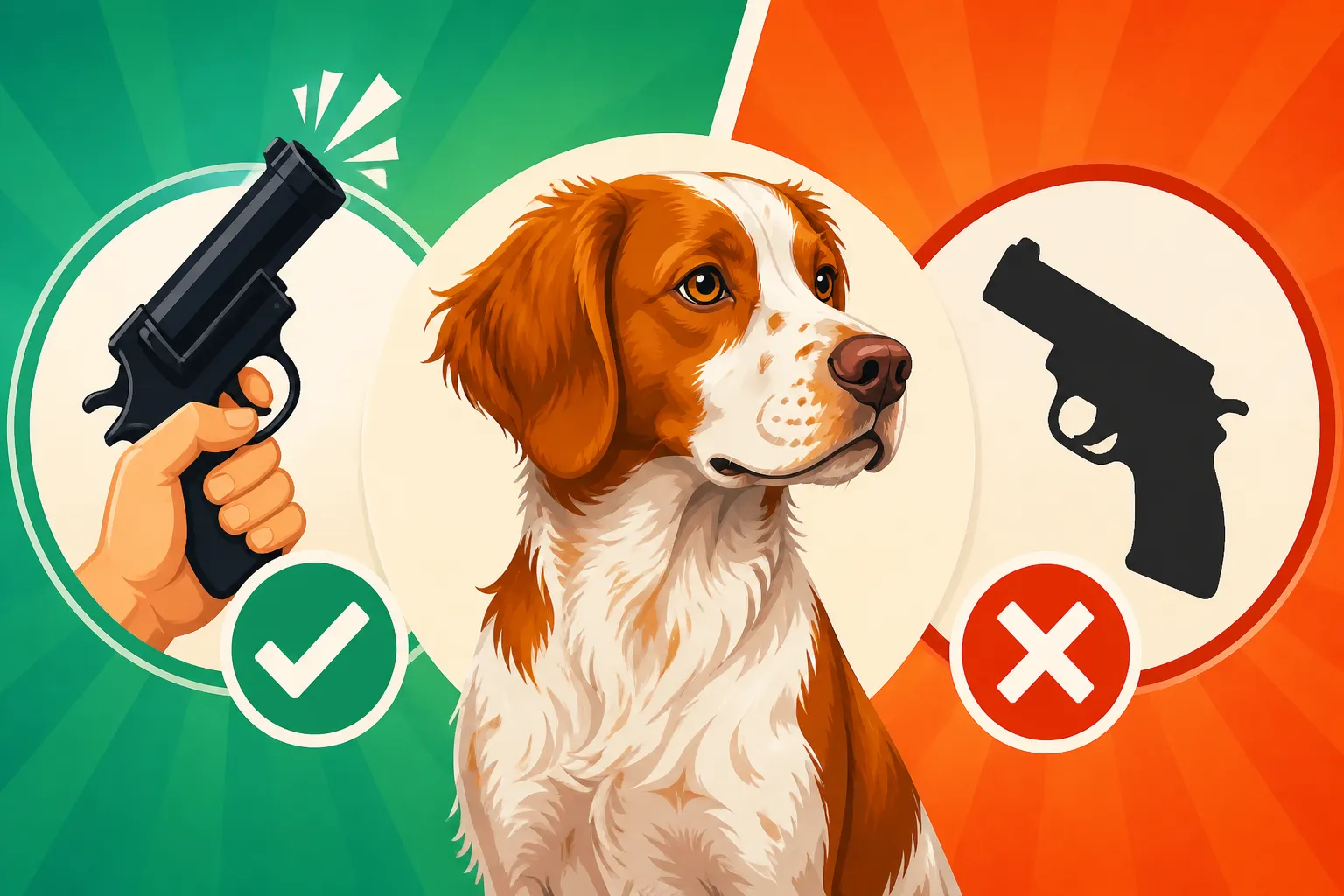
A starter pistol, typically firing .22 caliber blank cartridges, offers several key advantages for the initial stages of gun introduction. First and foremost, it provides a controlled volume. While still loud, the sound produced by a starter pistol is generally less intense than a full-bore shotgun, especially at a distance. This allows you to introduce a "gun-like" sound without the overwhelming concussive force that can accompany a shotgun blast.
Secondly, starter pistols offer consistency. You get a reliable, repeatable sound with each blank, which is crucial for building predictable associations in your dog's mind. You can also easily vary the distance and timing of the shot, which is much harder to do with live ammunition in a field scenario. Many experienced trainers will tell you that the ability to regulate the intensity and frequency of the sound is invaluable when working with a sensitive breed. You can find a range of starter pistols and blanks on platforms like Amazon, offering different calibers and noise levels to suit your gradual approach.
Limitations and Potential Pitfalls
While a starter pistol is a great tool, it's not a magic bullet, and it comes with its own set of considerations. It is still a loud noise, and if used improperly, it can still create a negative association. The biggest pitfall is using it too close, too soon. Just because it's a "starter" doesn't mean it's immediately safe at close range for an unconditioned dog. Many a well-meaning owner has inadvertently created a gun-shy dog by firing a starter pistol closer than their dog was ready for. How Far Away a Brittany's First Shot Should Be is a critical question, and the answer is very far at first.
Another limitation is that a starter pistol does not perfectly replicate the sound and feel of a shotgun. The sound profile can be different, and it lacks the distinct recoil and concussive wave of a proper hunting firearm. Therefore, while excellent for initial desensitization, it is merely a stepping stone. You'll still need a structured plan to transition your Brittany to actual field shots. Lastly, remember that any perceived discomfort or fear in your Brittany should immediately halt the session. Pushing through fear will only confirm your dog's negative association with the sound.
Considering Other Alternatives
While starter pistols are excellent, they are part of a broader strategy for sound desensitization. Before even reaching for a pistol, some owners start with even milder sounds. Hand claps, a cap gun (especially toy ones designed for children, fired from a distance), or even dropping a metal pan can be used to gauge a puppy's initial reaction to sudden noise. The key is to always pair these sounds with something highly positive, like mealtime or enthusiastic play.
For more advanced stages, beyond the starter pistol, you might consider .22 caliber rifles with blanks, which offer a slightly louder report than a pistol blank but are still less intense than a shotgun. Remote bird launchers, which often have their own firing mechanism or can be equipped with one, also allow you to control the timing of the shot in conjunction with the bird's flight, making the association more natural and positive. The core principle for a Brittany remains constant: gradual increase in sound, paired with positive reinforcement, always with the dog's well-being as the top priority.
A Step-by-Step Approach to Using a Starter Pistol Effectively
Successfully introducing your Brittany to gunfire requires patience, observation, and a methodical approach. It's not about how quickly you can do it, but how well you do it. Rushing this process is one of the quickest ways to create problems down the road.
Pre-Training: Building Confidence and Positive Associations
Before you even think about a starter pistol, your Brittany needs a solid foundation in positive reinforcement training. This means they should be confident, enjoy working with you, and find high-value rewards irresistible. Many online training platforms, such as BAXTER & Bella, emphasize building this strong, positive relationship, which is crucial for any sensitive dog. Your Brittany should associate your presence and training sessions with good things – treats, praise, exciting retrieves.
Start by exposing your puppy to various everyday sounds in a positive way. Slamming doors, dropped pots, loud music – if your puppy is relaxed and receiving treats or praise during these sounds, they begin to learn that loud noises aren't inherently threatening. Think about introducing these sounds while they are eating their meals or during a vigorous play session. The goal is to condition them to associate sound with positive experiences. For a Brittany, especially a young one, this early groundwork is indispensable. Remember that The Age a Brittany Should Hear Its First Shot should be when they are mentally mature enough to handle it, typically around 4-6 months, and only after proper conditioning.
The Gradual Introduction Process
This is where the starter pistol shines. The process is all about distance, positive reinforcement, and careful observation.
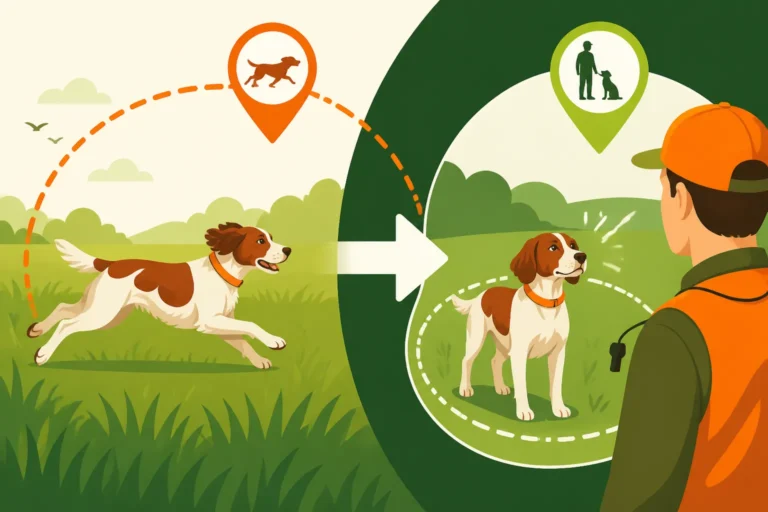
- Start with Extreme Distance: Begin with your Brittany focused on a highly enjoyable activity – eating a meal, retrieving a dummy, or playing fetch – at a significant distance from where the shot will be fired. We're talking 75 to 100 yards, or even more, if you have the space. The person firing the pistol should be out of sight or barely visible. The sound should be barely perceptible to your dog at first.
- Fire and Observe: Fire a single shot. Immediately after, engage your Brittany in their positive activity. If they continue eating, retrieving, or playing without any change in body language (no flinching, no tail tuck, no looking around nervously), that's a success. Praise them, give them a treat, and continue the activity.
- Repeat and Confirm: Don't try to decrease the distance immediately. Repeat this session several times, perhaps over several days or even a week, ensuring your dog consistently ignores the distant sound. The goal is complete indifference.
- Gradual Reduction of Distance: Only when your Brittany is completely comfortable at the initial distance should you consider moving the sound source slightly closer – say, by 10-15 yards. Repeat the process. This must be done incrementally over many, many sessions. Never rush it.
- Associate with Birds: Once your Brittany is comfortable with the starter pistol at a reasonable distance (e.g., 30-50 yards), begin to incorporate birds. Have a bird launcher or a helper release a bird immediately after the shot. The shot should signal the arrival of the bird, not something scary. Your dog's focus should be entirely on the bird, retrieving it enthusiastically. This is the ultimate goal of How to Introduce a Gun to a Brittany – connecting the sound with the reward of the retrieve.
Here’s a simplified progression for introducing sound:
| Sound Source | Initial Distance (Minimum) | Purpose | Key Principle |
|---|---|---|---|
| Cap Gun/Hand Claps | 50+ yards | Basic sound association, gauge initial reaction | Always pair with positive activity/reward |
| Starter Pistol | 75-100+ yards | Controlled gun-like sound introduction | Gradual reduction of distance, consistent positive reinforcement |
| .22 Blanks | 100+ yards | Stepping stone to actual shotgun sound | Dog's comfort and positive association is paramount |
| Shotgun (Light Load) | 150-200+ yards | Real field sound, dog focused on bird | Dog's focus on bird is paramount, not the shot |
Reading Your Brittany's Body Language
Your Brittany will tell you everything you need to know, if you listen with your eyes. Look for subtle cues. Is their tail tucked? Are their ears flattened? Is their body stiff? Are they looking frantically for an escape route? Any of these signs mean you've gone too far, too fast. Immediately stop the session, pack up, and return to an easier level next time.
On the other hand, if your dog's tail is wagging, they're focused on their toy or food, or they don't even seem to notice the sound, you're on the right track. A calm, relaxed, or even excited demeanor (when a bird is involved) is what you're aiming for. Never try to comfort a fearful dog by petting them and saying "It's okay." This can inadvertently reinforce their fear, making them think there is something to be scared of. Instead, try to distract them with play or food, or simply remove them from the situation.
Avoiding Common Mistakes and Ensuring Lasting Success
Successfully conditioning a Brittany to gunfire is a marathon, not a sprint. The common pitfalls are almost always related to impatience and a misunderstanding of the breed's sensitive nature. Knowing what to avoid is just as crucial as knowing what to do.
Rushing the Process: The Biggest Blunder
The number one mistake owners make, not just with Brittanys but with all gun dog breeds, is trying to rush the gun introduction. It's easy to get excited and want your dog "finished" quickly, but pushing a Brittany through fear will almost certainly backfire. A single negative experience can be incredibly difficult, if not impossible, to overcome. Think of it like this: your Brittany is Why a Brittany Is Easy to Ruin With a Gun. Their sensitive minds quickly form associations, and a traumatic encounter can indelibly link the sound of gunfire with fear and danger.
Instead, embrace patience. If a session goes well, great! But don't immediately try to move closer or increase the volume. End on a high note and repeat that success multiple times before making small, incremental changes. Remember, a few extra sessions now could save you months or even years of remedial training, or worse, a dog that never hunts confidently.
Consistency and Positive Reinforcement
Every single time your Brittany hears a gun sound during training, it must be associated with something positive. This means:
- Never use gunfire as a punishment. Even if your dog is doing something wrong, firing a gun to startle or correct them is a recipe for gun shyness.
- Always pair with a reward. Whether it's a high-value treat, an exciting retrieve, or praise during mealtime, the gun sound should predict something good.
- Avoid surprises. Don't fire a starter pistol when your dog isn't expecting it or isn't engaged in a positive activity. The element of surprise, coupled with a loud noise, is a common trigger for fear.
- Be the calm leader. Your own demeanor influences your dog. If you're nervous, your dog will pick up on it. Remain calm, confident, and positive throughout the process.
If you find yourself struggling, or if your Brittany shows any hesitation, don't be afraid to seek professional guidance. A good gun dog trainer can assess your dog's individual temperament and guide you through the process, often having access to controlled environments and experienced dogs to demonstrate proper behavior. They can also help you understand if your dog's fear is deeper-seated, perhaps related to a general noise phobia, like Whether a Thunderstorm Phobic Brittany Will Hunt.
Moving Beyond the Starter Pistol
Once your Brittany is completely comfortable and enthusiastic about the starter pistol (even at closer ranges), you'll need to transition to more realistic field sounds. This usually involves moving from a starter pistol to .22 blanks fired from a rifle, then gradually to lighter shotgun loads, and finally to standard field loads. The same principles apply: start at a great distance, pair with birds and retrieves, and gradually decrease the distance only when your dog shows complete indifference or excitement towards the sound in the context of hunting.
The ultimate goal is for your Brittany to be so focused on the bird – finding it, pointing it, and retrieving it – that the sound of the shot becomes a mere background cue, an indicator that the action is beginning, not an event to fear. If, at any point during this progression, your dog shows signs of stress, revert to the previous comfortable stage and spend more time there. Sometimes, a dog might regress, especially after a particularly loud shot or a stressful field situation. If this happens, don't panic. Go back to basics, use the starter pistol at a very long distance, and slowly build their confidence again. How to Rebuild a Gun Shy Brittany starts with understanding the problem and going back to square one with patience and positive association.
Disclaimer
This article is for general informational purposes only and does not constitute professional advice. Laws, prices and regulations vary by location and change over time. Consult a qualified professional for guidance on your specific situation.