Whether a Brittany Can Be Solid Colored
Solid Brittany coats and heavy roan or ticking patterns explain whether unusual coat colors prove a dog is mixed.
Is this the right one for you?
Origins and temperament, size and coat, what living with one is actually like, and how it compares to the breeds people weigh against it.

Solid Brittany coats and heavy roan or ticking patterns explain whether unusual coat colors prove a dog is mixed.
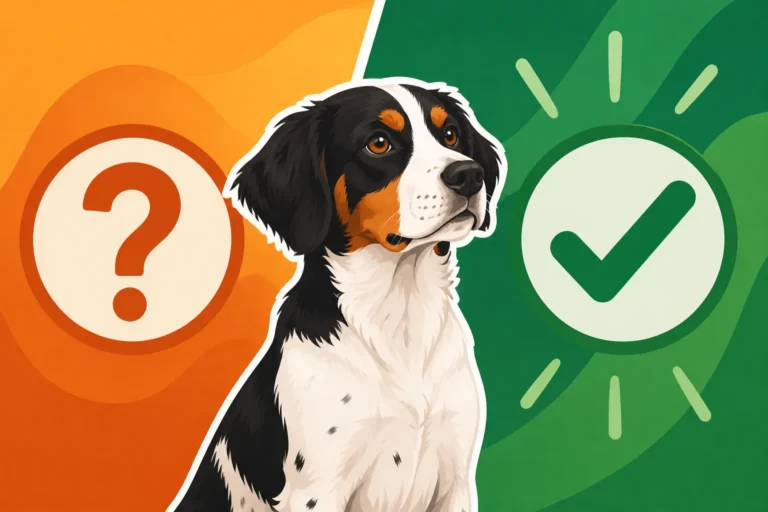
American Kennel Club standards permit tricolor liver and white Brittanys when specific orange markings appear.
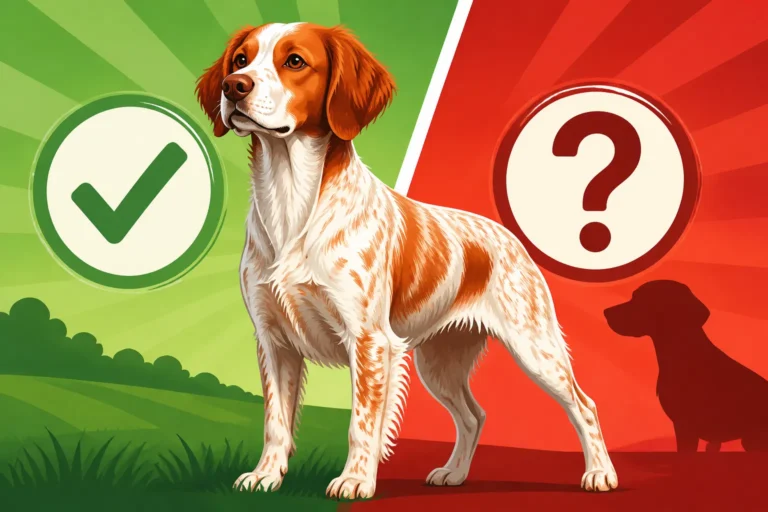
Roan coat patterns involving orange or liver hairs mixed with white are accepted by the American Kennel Club Brittany standard.
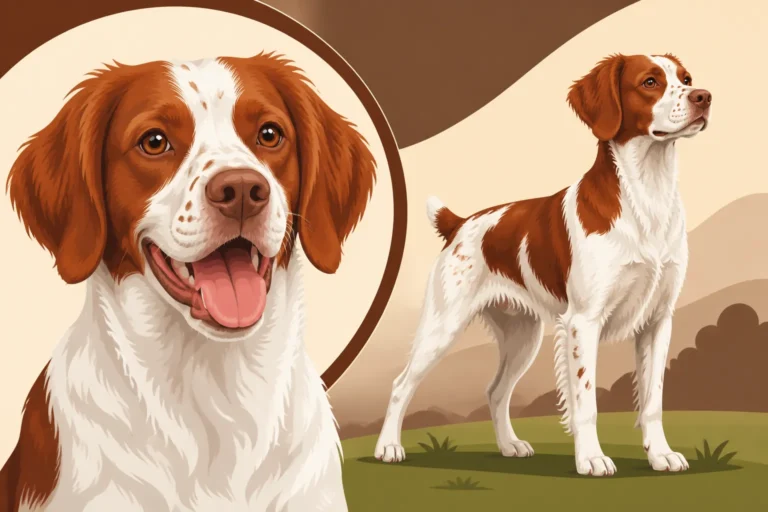
Liver and white Brittanys feature brown coats, matching facial pigment, and variable markings that differ significantly between individual dogs.
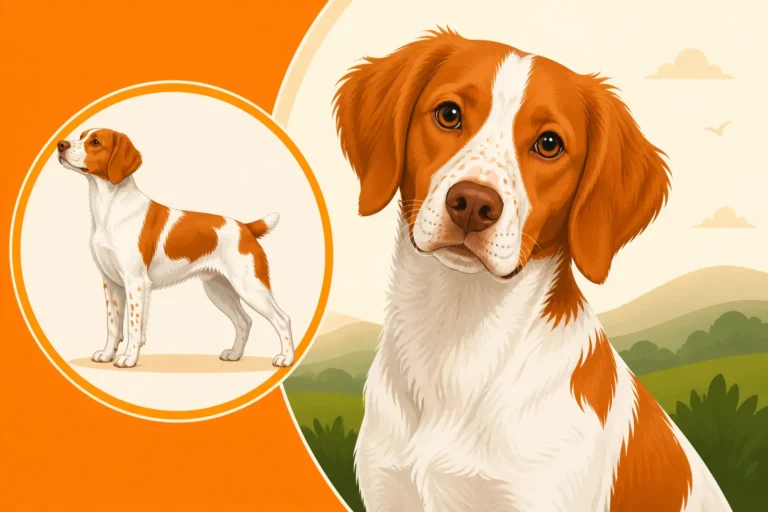
Orange and white Brittany coats feature large patches, fine speckling, and roan patterns that vary across dogs.
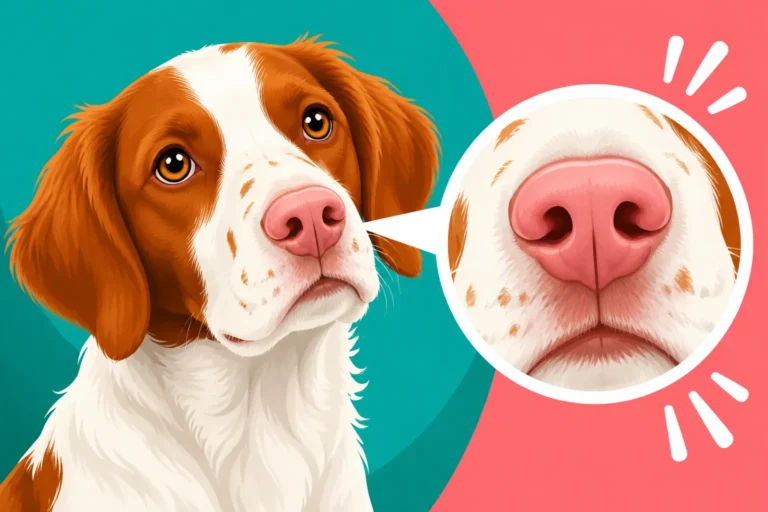
A Brittany dog nose can be naturally pink or fade from sun exposure and irritation, helping owners spot health concerns.

Brittany eye color ranges from brown to dark amber, matching the coat, and puppy eyes can change as they mature.
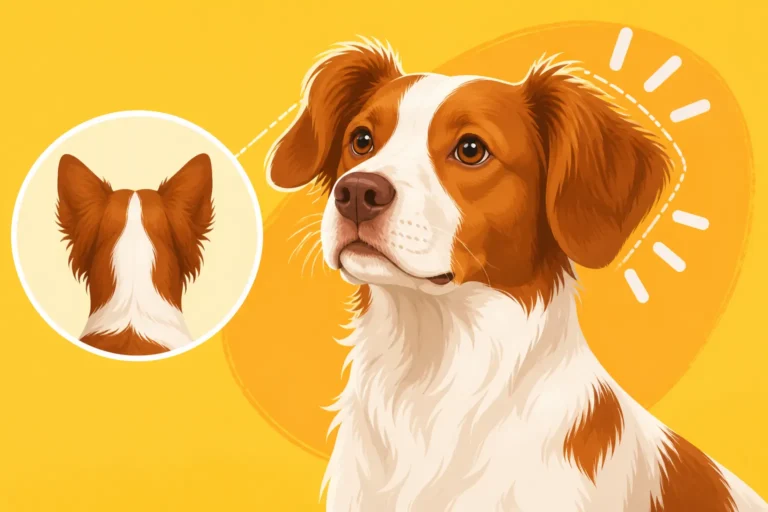
A Brittany dog’s high-set ears attach near the top of the skull, shaping the breed appearance without guaranteeing better hearing or health.
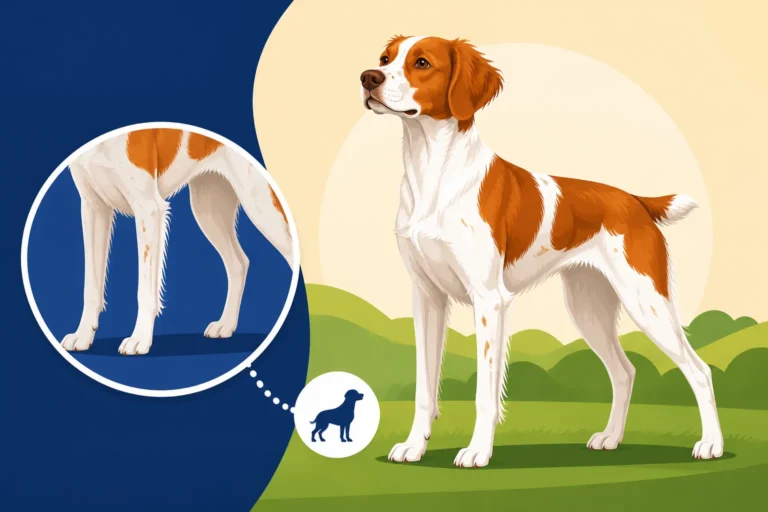
Brittany leggy appearance, body proportions, and height are judged by evaluating athletic build, age, and balanced movement.
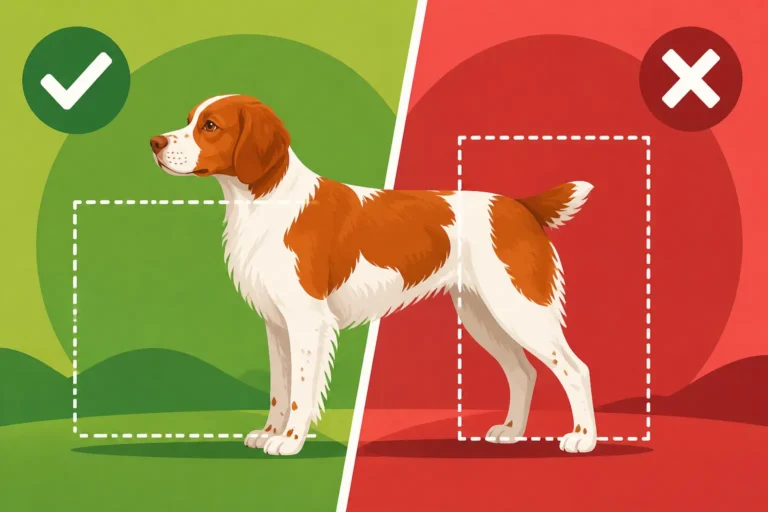
Brittany body proportions, height at the withers, and shoulder-to-rear length determine if the dog has a square outline.