Which Gene Makes a Brittany Tailless
The TBXT gene variant causes natural bobtails in some Brittanys, and DNA testing identifies this inherited trait.
Is this the right one for you?
Origins and temperament, size and coat, what living with one is actually like, and how it compares to the breeds people weigh against it.
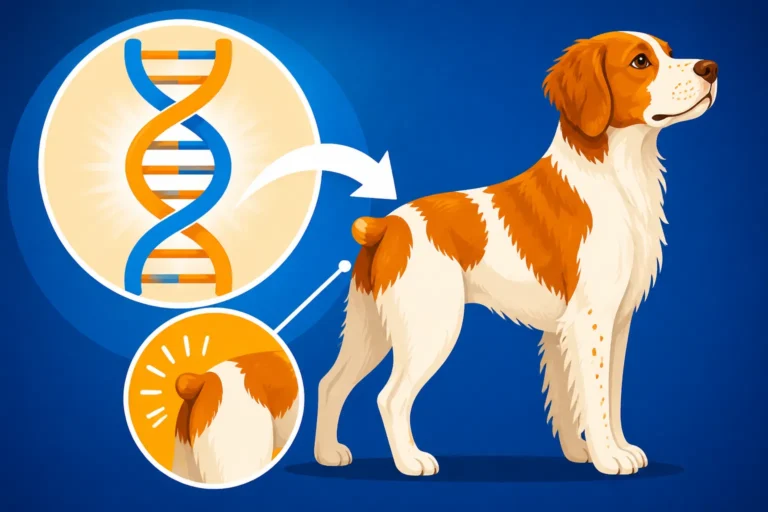
The TBXT gene variant causes natural bobtails in some Brittanys, and DNA testing identifies this inherited trait.

Natural bobtail Brittany puppies vary in tail length, and accurate breed-wide population counts remain unavailable without consistent records.
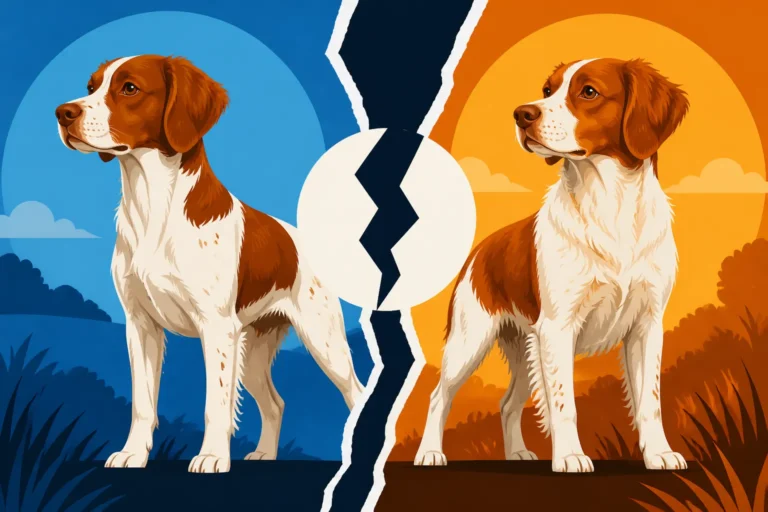
American and French Brittanys show distinct traits, but kennel clubs do not currently recognize them as separate breeds.

FCI recognition of the Brittany breed under the French name Epagneul Breton and its stance on American Brittanys.
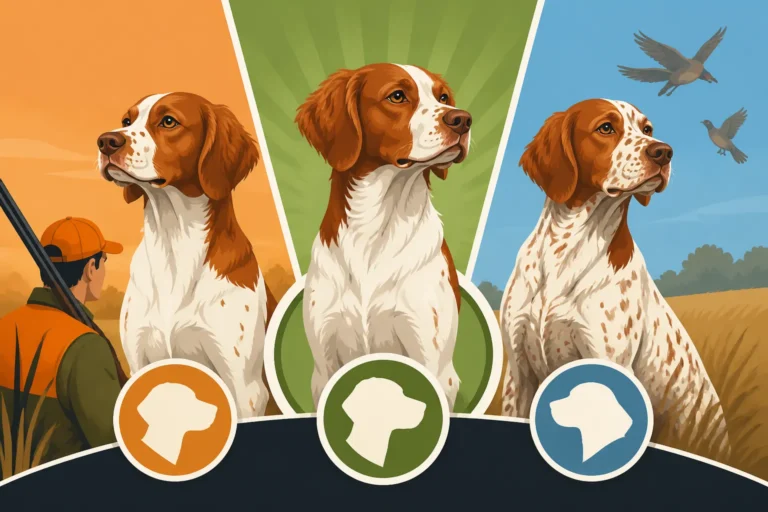
American and French Brittany types differ in breeding traditions, influencing search range, hunting style, and terrain suitability for foot hunters.
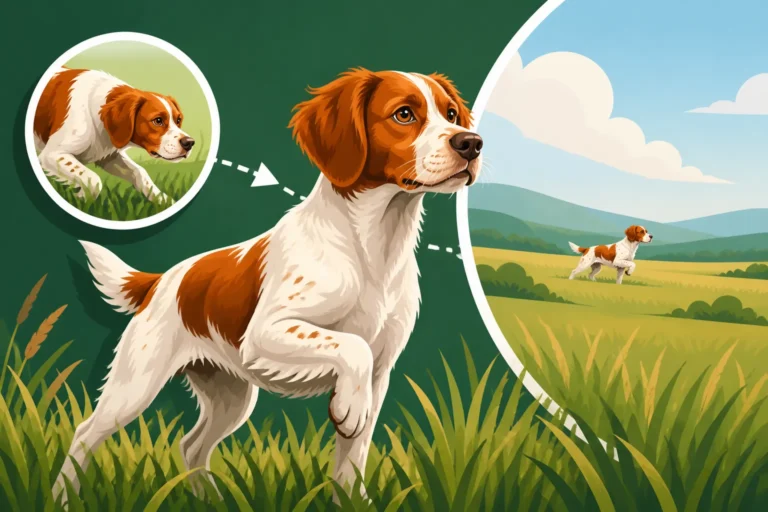
French Brittany hunting range depends on breeding, training, cover, and wind, explaining what to expect from the breed.
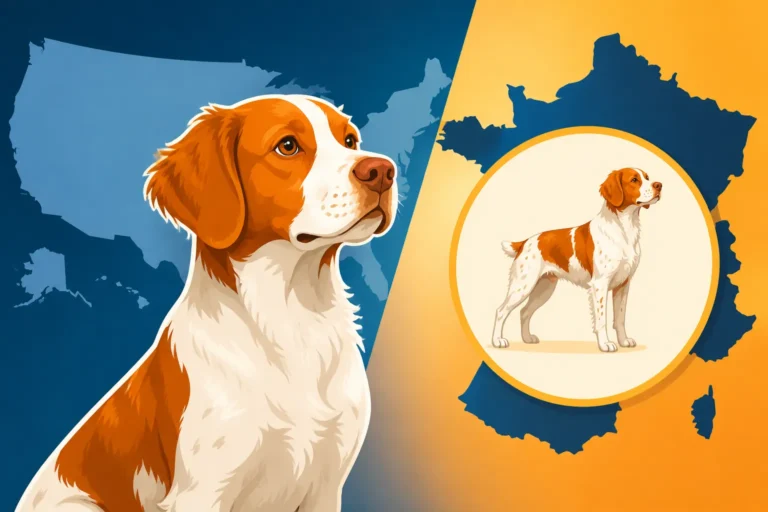
French Brittany availability in the United States, regional breeder networks, and different ancestry definitions.

American and French Brittanys can be bred together, but breeders must carefully check registration rules and pedigree requirements beforehand.

French Brittany eligibility for American Kennel Club events depends on registration paperwork and pedigree verification requirements.

French Brittany registration through the American Kennel Club classifies the dog as a Brittany rather than a separate breed.