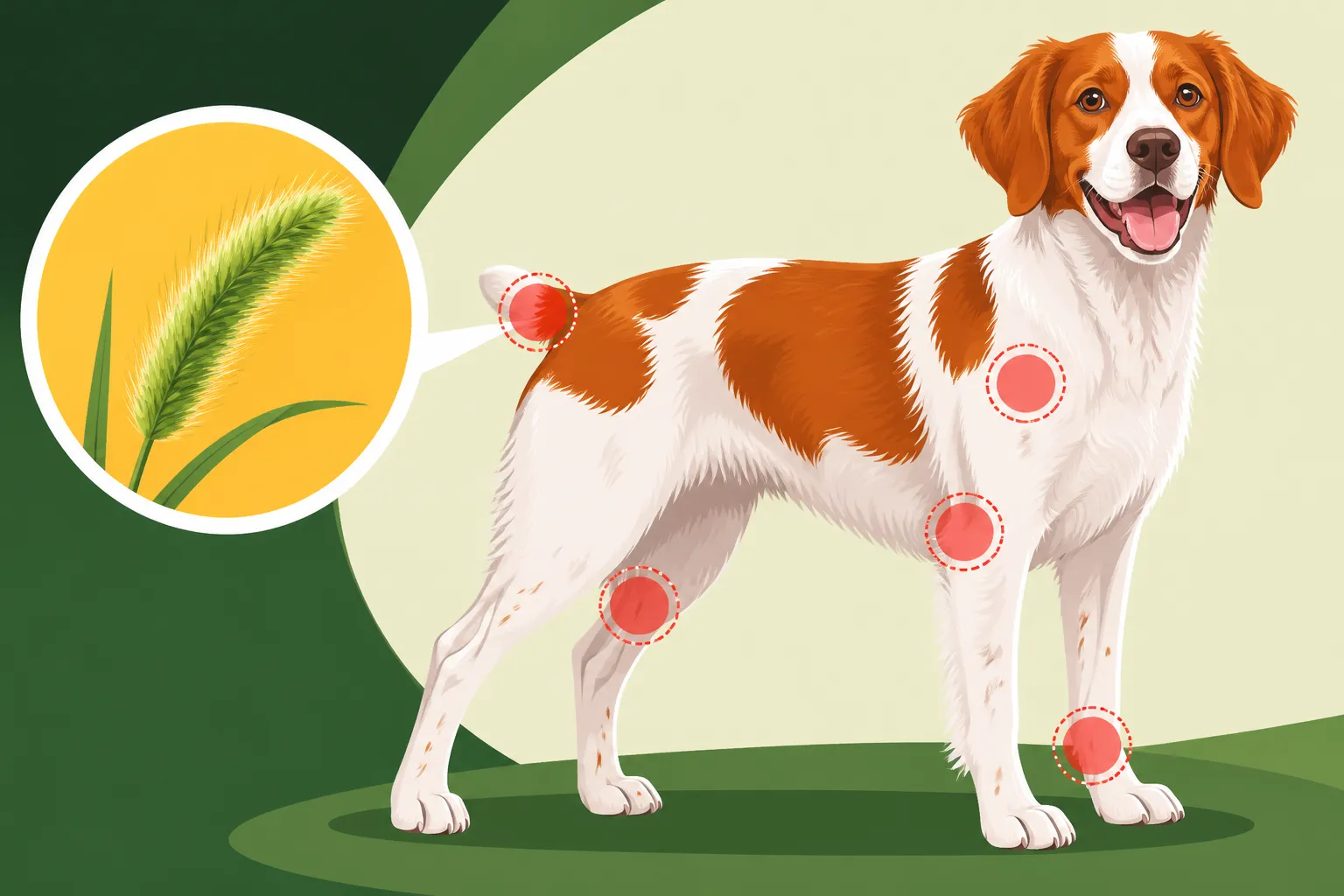
Where Foxtails Hide on a Brittany
Oh, the dreaded foxtail! If you're a Brittany owner, especially one who loves to take your energetic companion out into the fields, woods, or even just through a slightly overgrown park, you know the sinking feeling. You've just finished a fantastic run, your Brittany is panting happily, and then you spot it – a tiny, barbed spear burrowed deep into their coat, or worse, somewhere you can't quite reach. It's a never-ending battle, isn't it? These insidious plant awns are a nightmare, capable of causing serious harm, and our beloved Brittanys, with their magnificent feathering and inquisitive natures, seem to be magnets for them. This guide is here to walk you through all the sneaky places foxtails love to hide on your Brittany, so you can be better prepared to protect them.
Understanding the Foxtail Threat to Your Brittany
Foxtails aren't just annoying burrs; they are genuinely dangerous. Unlike a harmless seed pod that might cling to a sweater, foxtails are designed for one-way travel, and their sharp, barbed structure means they can work their way deep into flesh, orifices, and even internal organs. For a Brittany, a breed renowned for its dense coat and boundless enthusiasm for exploring cover, these tiny botanical arrows pose a significant and constant threat.
What Exactly Is a Foxtail?
When we talk about "foxtails," we're usually referring to the seed heads of certain types of grasses, particularly common in the western United States but found in many dry, grassy regions. These aren't your friendly lawn grasses. Species like Hordeum murinum (common foxtail barley) or Bromus madritensis (foxtail brome) produce seed heads that dry out and break apart into individual, spear-like awns. Each awn has microscopic barbs pointing backward, which allow it to easily penetrate skin, fur, and tissues, but make it incredibly difficult to back out. They act like tiny, invasive fishhooks, always moving forward with every movement your dog makes.
Imagine a tiny, sharp spear that can only move in one direction. That's essentially what a foxtail is. When your Brittany brushes past these dried grasses, the foxtails easily latch onto their fur. From there, they can migrate. They don't just stay on the surface; they can burrow deeper into the skin, causing abscesses, or enter body cavities. It's a silent and persistent threat that every outdoor dog owner needs to take seriously. Knowing what these nasty seeds look like in their dry, ready-to-migrate state is the first step in avoiding them.
Why Brittanys Are Particularly Vulnerable
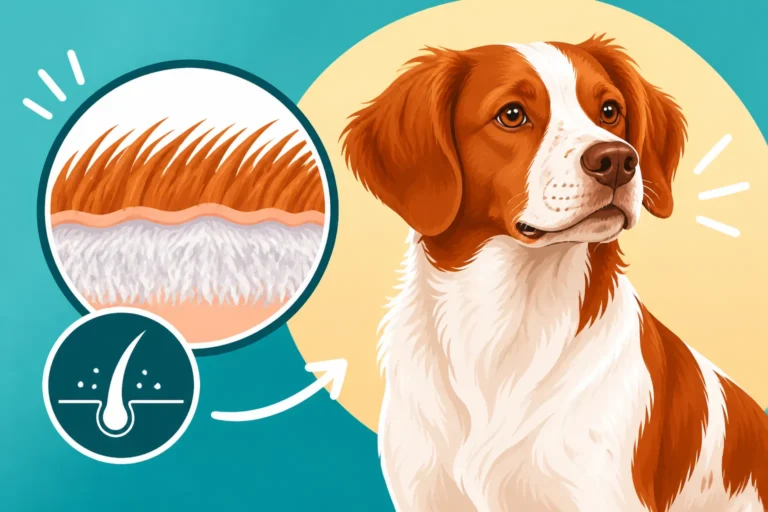
Our Brittanys are practically custom-made to pick up foxtails. First, consider their magnificent, flowing coats and abundant feathering. Those beautiful plumes on their legs, ears, and belly act like natural brushes, sweeping up every piece of debris, including foxtails, from the ground. While this dense coat offers protection from thorns and cold, it's also a perfect trap for these barbed seeds. A foxtail can embed itself in that thick feathering and be virtually invisible until it's already working its way in. It's a double-edged sword for these lovely dogs.
Beyond their coat, Brittanys are driven, energetic bird dogs. They plunge into heavy cover, push through tall grass, and stick their noses into every bush, exactly the kind of environments where foxtails thrive. Their breed history dictates that they love to hunt, and hunting often means encountering these hazards. A Brittany's innate desire to cover ground and investigate every scent means they're constantly putting themselves in harm's way, inadvertently collecting these dangerous seeds. It's not their fault; it's just what they're born to do, making vigilance on our part even more critical.
The Most Common Foxtail Hiding Spots on Your Brittany's Head and Ears
When it comes to foxtails, the head and ears are often ground zero for trouble. Your Brittany's natural curiosity and the structure of their ears make these areas prime targets for embedded seeds. It's crucial to be extra thorough when checking these spots, as an unchecked foxtail here can lead to serious complications.
Inside and Around the Ears
Oh, the ears! If there's one place a Brittany owner is almost guaranteed to find a foxtail, it's the ears. Our Brittanys have those wonderful, long, drop ears that are fantastic for scenting and protecting the ear canal from direct wind, but they're also excellent scoops for collecting debris. Foxtails easily get caught in the long feathering around the ear flap itself, but the real danger lies in their ability to migrate down into the ear canal. Once a foxtail gets inside, it can cause intense irritation, inflammation, and infection. Your dog might shake its head violently, paw at its ear, or hold its head tilted. It can feel like an itch that just won't go away, and with every shake, the foxtail moves deeper.
Checking your Brittany's ears should be a ritual after every outing, even a short one. Gently lift the ear flap and examine the hair both on the outside and inside. Then, take a good look deep down into the ear canal using a flashlight. Those pesky awns can be incredibly small and well-hidden against the pink skin or hair. Many a time, I've thought I've cleared an ear, only for my vet to extract a sneaky foxtail that was just out of sight, already causing distress. This vulnerability is why we talk so much about general ear care for these dogs. You can learn more about Why a Brittany's Ears Get Infected Every Season and How Often a Brittany's Ears Should Be Checked to understand the full picture of ear health. The structure of the ear itself, detailed in Why a Brittany's Drop Ear Traps Water, also contributes to debris getting trapped.
Eyes, Nose, and Mouth
While less common than the ears, foxtails around the eyes, nose, and mouth are incredibly dangerous because of the sensitive tissues and direct pathways to vital organs. A foxtail near the eye can cause severe irritation, corneal ulcers, or even rupture the eyeball if it penetrates. Signs might include excessive tearing, squinting, or pawing at the face. Always gently spread the eyelids and look for any foreign material, remembering that these are extremely sensitive areas.
The nose is another worrying entry point. Brittanys use their noses constantly, burying them in grass to sniff out birds. A foxtail can easily be inhaled, lodging in the nasal passages. This often results in violent sneezing, nasal discharge (sometimes bloody), and pawing at the nose. If you suspect a foxtail has gone up your Brittany's nose, it's a veterinary emergency; it won't come out on its own and can lead to severe infection or migration into the lungs. Finally, around the mouth and gums, foxtails can lodge themselves, causing pain and infection. Your dog might be reluctant to eat or chew on one side. A quick but thorough check of their gums and between their teeth is always a good idea after a romp in high grass.
Foxtail Hotbeds on Your Brittany's Torso and Paws
Beyond the head, your Brittany's body and paws are heavily exposed to foxtails, especially when they're running through dense undergrowth. The feathering and delicate skin in these areas make them highly susceptible to embedded seeds.
Between the Toes and Paw Pads
If there's a close second to the ears for foxtail trouble, it's the paws. Your Brittany's feet are constantly on the ground, pushing through whatever terrain you're hunting or hiking in. The spaces between their toes and even the soft tissue of their paw pads are prime targets. Foxtails can easily embed themselves here, often creating a painful lump or abscess. You might notice your dog licking or chewing excessively at their paws, limping, or avoiding putting weight on a particular foot. Sometimes, a red, swollen bump will appear, which could indicate a foxtail burrowing underneath the skin.
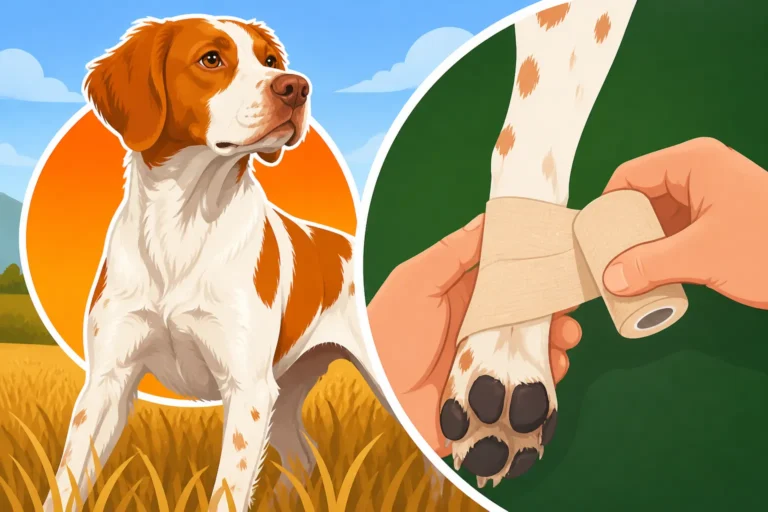
After every outdoor adventure, a meticulous paw inspection is absolutely non-negotiable. Spread each toe wide, checking deep into the webbing. Feel for any lumps or bumps, and look for tiny puncture wounds or redness. Foxtails can be incredibly small, sometimes just a tiny black dot at the entry site. These areas are tough on a Brittany generally, and you might already be familiar with managing issues like Why a Brittany Cuts Its Pads on Stubble or knowing Whether a Brittany Needs Boots in the Field for general protection. If a foxtail does burrow in, it's far more painful and serious than a simple cut. Consider using dog boots from brands you might find on Chewy or Amazon to offer an extra layer of protection for those sensitive paws, especially in known foxtail areas.
Armpits, Groin, and Belly Feathering
Our Brittanys have those lovely, flowing "skirts" or feathering along their belly and legs, which, while beautiful, are incredibly efficient at collecting all sorts of debris, including foxtails. The armpits and groin areas are particularly vulnerable because they are warm, moist, and areas where skin folds and movement can help a foxtail burrow deeper. An embedded foxtail here can cause painful abscesses and can be difficult to spot until the problem is significant. Your dog might show discomfort when walking or when you touch these areas.
Checking these areas requires getting your Brittany to lie down and carefully parting the fur. Run your hands over their entire belly, feeling for any small lumps, bumps, or crusty spots that weren't there before. Don't be shy about getting right into the armpit and groin folds. These are often forgotten spots during a quick once-over, but they are common culprits for hidden foxtails. Remember that those long hairs make it incredibly easy for foxtails to hitch a ride, and once they're in, the skin here is delicate and quick to react.
Beyond the Obvious: Less Common but Dangerous Foxtail Locations
While ears and paws are the usual suspects, foxtails are cunning invaders and can find their way into less obvious, but equally dangerous, places. These are the spots that often get missed in a routine check, leading to more serious problems down the line.
Under the Collar and in Dense Feathering
It might seem counterintuitive, but the area under your Brittany's collar is another potential hideout for foxtails. Your dog's collar can press a foxtail against the skin, helping it burrow, and the constant friction of movement can aid its migration. Plus, the collar itself can obscure your view during a quick inspection. When you take your Brittany's collar off, always check the skin underneath for any redness, irritation, or small bumps. It's an easy spot to overlook, but one that can cause an uncomfortable, painful lesion if a foxtail gets established.
Beyond the collar, the dense feathering on their chest, flank, and tail can also conceal these unwelcome hitchhikers. While not as prone to direct entry as the ears or paws, the sheer volume of hair provides ample opportunity for a foxtail to cling on. As the dog moves, these seeds can work their way closer to the skin, eventually burrowing. This is why a thorough, full-body pat-down and visual inspection are so important. Think of it like a fine-toothed comb going over every inch of their body, separating the hair to look at the skin beneath. Learning about What a Brittany's Coat Is Like will help you understand how their specific coat type can both protect and trap debris.
Internal Pathways: Nasal Passages and Lungs
This is where foxtails become truly terrifying. While most foxtails embed superficially, some find their way into internal body cavities, most notably the nasal passages and, in rare but severe cases, the lungs or other internal organs. We touched on nasal entry earlier, but it's worth reiterating the seriousness. If your Brittany inhales a foxtail, it can cause severe inflammation, chronic infection, and even pneumonia if it reaches the lungs. The symptoms can be subtle at first—a persistent cough, labored breathing, or a recurring nasal discharge—but they will escalate.
Detecting internal foxtails often requires veterinary intervention, including imaging (X-rays, endoscopy) and sometimes surgery. This is why prevention and early detection are so paramount. Once a foxtail is inside, it requires specialized tools and expertise to remove. The cost and stress associated with treating an internal foxtail can be immense, underscoring the importance of preventative measures and diligent post-hunt checks. This kind of serious internal injury highlights why knowing What a Brittany's Field Injuries Cost in a Season can be a harsh reality for owners.
Proactive Strategies to Protect Your Brittany from Foxtails
The best defense against foxtails is a good offense. Being proactive and implementing a consistent routine can significantly reduce the risk to your Brittany. It's about being prepared before you head out and meticulous when you come home.
Pre-Hunt Preparation and Protective Gear
Before you even step foot in foxtail-prone areas, a little preparation goes a long way. Start with a well-groomed Brittany. Trimming the feathering, especially around the ears, paws, and belly, can reduce the surface area where foxtails can latch on. While you don't want to shave your Brittany, a judicious trim can make detection and removal easier. Many owners find a good pair of blunt-nosed shears or a professional groomer can make a big difference. Think about it like reducing the "catch points."
Next, consider protective gear. Dog boots, available from pet retailers like Chewy or through general online shopping on Amazon, are a game-changer for protecting paws. While some dogs take time to get used to them, they provide an invaluable barrier against foxtails. In extremely dense or high-risk areas, some owners even use lightweight vests to protect the chest and belly. Familiarize yourself with The Gear a Brittany Needs Before Its First Bird to ensure you have all the essential equipment, including protective items. Always check the fit of any gear before a hunt to ensure it won't chafe or become a hazard itself.
Thorough Post-Hunt Inspection Routine
This is the most critical step. After every outing, no matter how short or seemingly innocuous, your Brittany needs a full-body foxtail inspection. This isn't a quick pat-down; it's a systematic, head-to-tail search.
Here's a routine I've found works best:
- Start with the Head: Gently examine the face, around the eyes, nose, and mouth.
- Ears, Ears, Ears: Lift each ear flap, look inside the canal with a flashlight, and carefully comb through the feathering.
- Neck and Collar Area: Remove the collar and inspect the skin beneath, and the fur on the neck and chest.
- Forelegs and Armpits: Work your way down the front legs, paying close attention to the feathering and the armpits.
- Body and Belly: Part the hair on their back, sides, and especially the long feathering on the belly. Run your hands over their entire torso, feeling for anything unusual.
- Hind Legs and Groin: Repeat the process for the back legs and thoroughly check the groin area.
- Paws, Paws, Paws: This is where you need to be meticulous. Examine each paw, spreading the toes, checking the webbing, and inspecting the pads for any punctures or swelling.
- Tail: Don't forget the tail feathering!
I like to use a stiff brush, like a pin brush, and a fine-toothed comb to help part the hair and dislodge any surface-level foxtails. A good dog shampoo and conditioner, also readily available on Chewy, can help keep the coat healthy and make it easier to brush out debris. For matted areas, How to Get Burrs Out of a Brittany's Coat can offer some useful techniques that apply to foxtails as well. This diligent approach, though time-consuming, is the single most effective way to prevent foxtails from causing serious harm. Your vigilance after a day in the field directly impacts your Brittany's health and comfort.
| Body Area | High Risk? | Inspection Method | Common Symptoms of Embedded Foxtail |
|---|---|---|---|
| Ears | Very High | Lift flap, flashlight into canal, part feathering | Head shaking, pawing at ear, tilting head, discharge |
| Between Toes | Very High | Spread toes, check webbing & pads, feel for lumps | Licking/chewing paw, limping, swelling, redness |
| Armpits/Groin | High | Gently part fur, feel for bumps in folds | Licking, discomfort when moving, red lumps, abscesses |
| Nose | Moderate | Visual check, watch for sneezing post-outing | Violent sneezing, nasal discharge (sometimes bloody), pawing nose |
| Eyes | Moderate | Gently spread eyelids, examine surrounding fur | Squinting, excessive tearing, redness, pawing eye |
| Mouth/Gums | Moderate | Lift lips, check gums, between teeth | Reluctance to eat, pawing mouth, swelling on gums |
| Belly Feathering | High | Systematically comb through, run hands over skin | Redness, skin irritation, small bumps, excessive licking |
| Under Collar | Moderate | Remove collar, inspect skin and fur underneath | Redness, irritation, small bumps, hair loss |
| Dense Coat (General) | Moderate | Thorough brush and comb, systematic pat-down | Mounds, matted fur, skin irritation, excessive scratching |
This article is for general informational purposes only and does not constitute professional advice. Laws, prices and regulations vary by location and change over time. Consult a qualified professional for guidance on your specific situation.