What a Brittany’s Coat Is Like
Anyone who's welcomed a Brittany Spaniel into their home quickly learns that while their vibrant personality is captivating, their coat, though beautiful, comes with its own set of challenges. It's not just a pretty covering; it's a hardworking, dynamic part of their anatomy that demands specific care to stay healthy and functional, especially for our active companions. This guide will walk you through everything you need to know about your Brittany's coat, from its texture and shedding habits to the best grooming practices and how diet plays a crucial role in its luster and resilience.
Understanding the Brittany Coat: More Than Just Pretty Feathering
When you first lay eyes on a Brittany, you might be struck by their striking colors and those elegant wisps of hair, often called feathering. But beneath that charming exterior lies a coat built for purpose, designed to protect them through varied terrain and weather conditions. It's a coat that tells a story of their heritage as tireless bird dogs, yet it's also a coat that needs consistent attention to prevent it from becoming a tangled, burr-laden mess.
The Dual Nature: Field-Ready and Family-Friendly
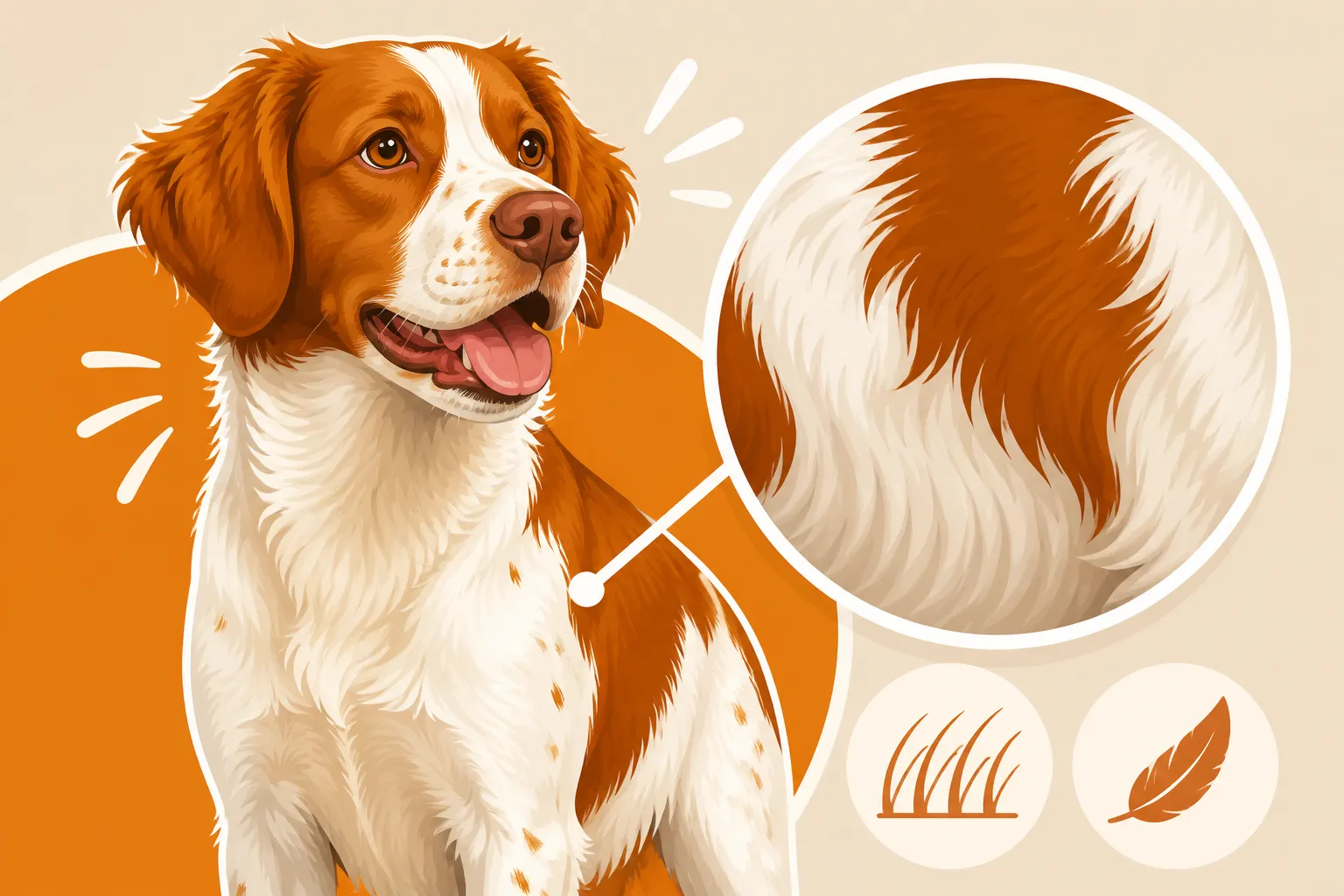
A Brittany’s coat is truly a marvel of natural engineering. It’s typically dense, not overly long, and lies relatively flat or slightly wavy. This isn't just for aesthetics; it's a protective barrier. Imagine your Brittany crashing through thorny brambles or wet marsh grass – that coat is their first line of defense against scrapes, cuts, and the elements. It’s tough enough for the field, yet soft enough for cuddling on the couch. This dual functionality is part of what makes them such versatile companions.
However, this hardy nature means it requires maintenance. Many new owners are surprised by how quickly a seemingly "short" coat can pick up every bit of debris from a walk in the park, let alone a serious hunt. The texture itself is typically fine but strong, allowing it to repel some water and dirt, but it’s far from maintenance-free. It’s a medium-length coat that can feel surprisingly coarse in some areas, particularly the back, while the feathering on their legs and belly is much softer and more prone to tangles. You'll quickly discover A Brittany's Coat Is Low Maintenance Until It Hits Cover, which means your definition of low maintenance is about to expand!
Common Coat Colors and Markings
Brittanys come in a beautiful array of colors, all of which are designed to help them blend into their hunting environment, or at least look striking in your living room. The most common colors you'll see are orange and white, or liver and white. Some may have roan patterns, where the colored hairs are mixed with white hairs, creating a speckled effect. You might also find tricolor Brittanys, which include liver, orange, and white.
What's really fascinating is how the markings present. They can be patched, meaning large distinct areas of color, or roan, which gives a more flecked or mottled appearance. Sometimes, what starts as a largely white puppy with a few patches might develop more ticking or roaning as they mature. This isn't just about appearance; it can sometimes influence how easily you spot them in dense cover, although their boundless energy usually makes them hard to miss! Understanding What an Orange and White Brittany Looks Like can help you appreciate the nuances of these colors.
The Truth About Shedding and Allergies
Let's be honest, no dog is truly non-shedding, and the Brittany is no exception. While they aren't considered heavy, year-round "shedders" like some double-coated breeds, they do shed. You'll notice seasonal changes, often more in spring as they blow their winter coat, and then again in the fall. During these times, you'll definitely be finding Brittany hair on your clothes, furniture, and probably in your coffee. It's just a fact of life with this breed. Regular brushing helps to manage this, but it won't eliminate it entirely.
As for allergies, Brittanys are generally not considered a hypoallergenic breed. Their coat, while not excessively long, does produce dander, which is the primary allergen for most people. If you or someone in your household has severe dog allergies, a Brittany might not be the best fit. However, individual sensitivities vary, and some people with milder allergies find they can co-exist happily with a Brittany, especially with diligent grooming and cleaning routines. It’s always best to spend time with the breed before committing if allergies are a concern. This reality often leads owners to wonder How Much a Brittany Sheds, and the answer is enough to keep your vacuum cleaner busy!
Daily Care and Grooming Routines
Maintaining a Brittany's coat isn't just about making them look pretty; it's crucial for their health and comfort, especially if they spend time doing what they were bred for: hunting. Regular grooming prevents matting, reduces skin issues, and allows you to catch any burrs, ticks, or injuries early. It might seem like a chore, but it's also a fantastic bonding opportunity with your dog.
Brushing Techniques and Tools
Brushing should be a regular part of your Brittany's life, ideally several times a week, and definitely after every outing in the field. The goal is to remove loose hair, dirt, and prevent tangles from forming, particularly in their abundant feathering. A good brushing session doesn't have to be long, but it needs to be thorough.
You'll want a few key tools in your grooming kit. A slicker brush is excellent for removing loose hair and detangling minor mats. A metal comb, especially one with both wide and fine teeth, is indispensable for working through the feathering on their legs, belly, and ears. For general coat maintenance and to give their coat a nice shine, a bristle brush can be used. Start brushing from the extremities, working your way up, paying extra attention to areas prone to matting. Always be gentle, especially if you encounter a knot, and try to work it out slowly rather than pulling. For a comprehensive guide, check out Which Brush Suits a Brittany and learn How Often a Brittany Needs Brushing.
Bathing: How Often and With What
The frequency of bathing your Brittany largely depends on their lifestyle. A couch potato Brittany might only need a bath every few months, or when they've rolled in something truly disgusting. A working Brittany, however, who is out in the field regularly, will likely need more frequent baths to remove mud, burrs, and any lingering scent from ponds or cover.
When you do bathe them, use a good quality dog shampoo that is gentle and won't strip their natural oils. Look for shampoos designed for sensitive skin or those with conditioning properties if your Brittany’s coat tends to get dry. Always rinse thoroughly to avoid skin irritation from shampoo residue. If your Brittany is prone to skin allergies or dryness, your vet might recommend a specific medicated shampoo. After a bath, towel dry vigorously and consider using a dog-specific blow dryer on a cool setting to ensure their dense coat and feathering are completely dry, especially around the ears, to prevent ear infections.
Addressing Mats and Tangles
Mats and tangles are the bane of many Brittany owners' existence. They form quickly, especially in the feathering on their legs, chest, and behind their ears, and can be incredibly uncomfortable, even painful, for your dog. Prevention is always better than cure, which is why regular brushing is so important.
If you find a mat, don't panic or try to rip it out. This will only hurt your dog and make them dread future grooming sessions. Start by trying to gently tease it apart with your fingers. If that doesn't work, use the wider teeth of a metal comb, starting from the outside edge of the mat and working your way inward, bit by bit. A mat-splitting tool or a dematting comb can be very helpful for tougher knots. Some owners even use a little cornstarch or a conditioning spray to help loosen the hair. If a mat is too tight or close to the skin, it's safer to carefully cut it out with blunt-nosed scissors, always cutting away from the skin to avoid accidental nicks. If you're feeling overwhelmed, a professional groomer can often tackle severe matting without causing undue stress to your dog.
Seasonal and Post-Hunt Coat Challenges
The Brittany is a working dog, and their coat is designed for action. This means that after a good day in the field, it's not just their paws that need attention. Their coat can come back laden with souvenirs from their adventures, and knowing how to deal with these challenges efficiently is key to keeping your dog healthy and comfortable.
Battling Burrs and Debris
Anyone who's owned a Brittany knows the struggle: they're burr magnets! Those beautiful feathered legs and belly act like natural nets, collecting every sticky burr, seed, and piece of dried grass imaginable. It's a rite of passage for a Brittany owner to spend an hour painstakingly picking tiny burrs out of their dog's coat.
The best approach is a combination of prevention and diligent post-hunt care. Before heading into heavy cover, some owners trim the longer feathering slightly to reduce the surface area for burrs to cling to. After a hunt, the first thing you should do is a thorough pat-down and visual inspection. Start by hand-picking the largest burrs. For smaller ones, a slicker brush and a metal comb are your best friends. Work slowly, section by section, starting from the ends of the hair and working your way towards the skin. Sometimes a sprinkle of cornstarch can help the burrs slide out of the hair more easily. It's a tedious process, but absolutely necessary to prevent mats and skin irritation. Neglecting this can quickly lead to painful, tight mats that require shaving. You'll soon become an expert on How to Get Burrs Out of a Brittany's Coat.
Dealing with Foxtails and Ticks
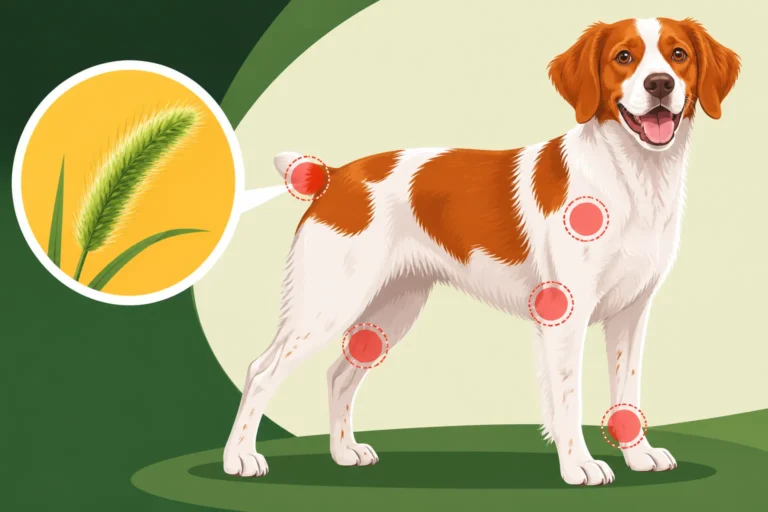
Burrs are annoying, but foxtails and ticks can be genuinely dangerous. Foxtails are insidious grass awns that can burrow into the skin, ears, nose, or even between the toes, causing serious infections and abscesses. Ticks, of course, carry a host of diseases that can affect your Brittany's health.
After every outing, especially in areas known for foxtails or ticks, a full body inspection is non-negotiable. Pay very close attention to your Brittany's ears, armpits, groin, and between their toes – these are prime hiding spots. Run your hands over their entire body, feeling for any bumps or foreign objects. For foxtails, if you find one just starting to burrow, you might be able to pull it out carefully with tweezers. If it’s embedded deeply or you suspect it’s in an ear canal or nostril, a vet visit is imperative. For ticks, remove them carefully with tweezers, grasping as close to the skin as possible and pulling straight out. Always dispose of the tick properly and monitor the area for any signs of infection. Regular use of veterinarian-approved flea and tick prevention is also crucial, reducing the likelihood of these pests attaching in the first place. Knowing Where Foxtails Hide on a Brittany and How to Check a Brittany for Ticks is paramount.
Protecting the Coat in Extreme Weather
A Brittany's coat offers natural protection, but it's not invincible, especially in extreme weather conditions. In cold, wet weather, their coat can get saturated, leading to a chill. While they are hardy dogs, prolonged exposure without proper drying can be detrimental. A good quality neoprene vest can be invaluable for hunting in cold water or dense, icy cover, providing an extra layer of insulation.
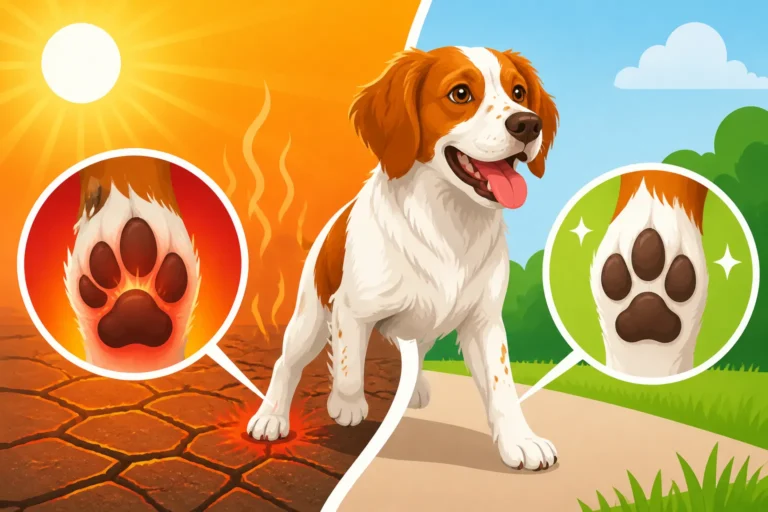
Conversely, in hot weather, their coat can contribute to overheating, particularly if they are working hard. While you might be tempted to shave their coat short, it's often not recommended as their coat actually helps regulate their body temperature and provides protection from sunburn. Instead, focus on conditioning, hydration, and limiting their work in the hottest parts of the day. After a hunt, cool them down gradually and ensure they have access to plenty of fresh water. Always check for signs of overheating, such as excessive panting, lethargy, or stumbling.
Specialized Care for Brittany Feathering
Those long, silky hairs, known as feathering, are characteristic of the Brittany breed and contribute to their elegant appearance. However, they are also the most demanding part of the coat when it comes to grooming. Properly managing the feathering can prevent a host of problems and keep your Brittany looking and feeling great.
Trimming vs. Natural Feathering
This is a common debate among Brittany owners: to trim or not to trim? The Brittany standard allows for trimming to neaten the outline, but never for shaving or excessive stripping. For show dogs, careful trimming enhances their natural lines. For hunting dogs, the decision often comes down to practicality.
Leaving the feathering long can offer some protection from scrapes and thorns, but it also means more burrs, more mud, and more matting. Many working dog owners opt for a slight trim of the belly, chest, and leg feathering, especially during hunting season. This doesn't mean buzzing it off completely, but rather using thinning shears or scissors to shorten it to a more manageable length. The goal is to reduce the "collection" points for debris while still maintaining a natural appearance and protection. It's a balance, and what works best for one dog or owner might not work for another. If you're wondering Whether a Brittany's Feathering Should Be Trimmed, consider your dog's lifestyle and your grooming tolerance.
Managing Feathering on Legs, Ears, and Belly
These are the hot spots for feathering trouble. The hair on the backs of the legs, often called "pants," can get particularly matted and collect mud. The feathering on the ears, while beautiful, can dip into water bowls or get snagged on brush. And the delicate hair on the belly and chest is a magnet for burrs and moisture.
Regular combing is crucial for these areas. After every outdoor adventure, take a few minutes to comb through the feathering on their legs and belly. For the ears, make it a habit to check behind and underneath them daily. If you notice persistent matting, consider using a good detangling spray before combing. Some owners will use blunt-nosed scissors to carefully trim the hair between the paw pads, which helps prevent ice balls in winter and collects fewer burrs. Keeping these areas clean and free of mats isn't just cosmetic; it prevents skin infections and discomfort.
When to Seek Professional Grooming Help
While many Brittany owners handle most of their dog's grooming themselves, there are times when professional help is a wise investment. If your Brittany has severe matting that you can't safely untangle, a professional groomer has the tools and expertise to remove it without injuring your dog. They can also provide a thorough bath and blow-dry that might be difficult to achieve at home, especially for large or particularly dirty dogs.
Furthermore, if you're showing your Brittany, a professional groomer experienced with the breed can ensure their coat is presented according to breed standards. Even if you're a DIY groomer, an occasional professional session can be beneficial for a deep clean, a thorough trim, or simply to give you a break from the arduous task of de-burring after a particularly challenging hunt. Don't hesitate to reach out if you're struggling or want to ensure your Brittany gets the best possible coat care.
Here's a quick overview of common grooming tools:
| Tool | Primary Use | Best For | Tip |
|---|---|---|---|
| Slicker Brush | Removing loose hair, detangling | Body coat, light tangles | Use gentle, outward strokes. |
| Metal Comb | Detangling feathering, checking for debris | Ears, legs, belly feathering | Use wide teeth first, then fine. |
| Bristle Brush | Finishing, distributing oils, shine | Entire coat, after detangling | Excellent for regular maintenance and shine. |
| Mat Splitter/Rake | Breaking up tough mats | Severely matted areas | Use with extreme caution, don't pull skin. |
| Blunt-Nosed Scissors | Trimming paw pads, carefully cutting mats | Paw pads, emergency mat removal | Always cut away from the skin. |
| Nail Clippers/Grinder | Nail care | All nails | Keep nails short to prevent discomfort and injury. |
| Ear Cleaner | Preventing ear infections | Inside ear flap, visible ear canal | Use vet-approved solution, never Q-tips deep in canal. |
Diet and Nutrition's Impact on Coat Health
You might spend hours brushing your Brittany's coat, but true coat health starts from within. What you feed your dog has a profound impact on the luster, strength, and overall condition of their fur and skin. A dull, dry, or flaky coat can often be a sign that something is amiss in their diet.
Essential Nutrients for a Healthy Coat
A balanced diet is the cornerstone of a healthy coat. High-quality protein sources are essential, as hair is primarily made of protein. Look for dog foods where meat is the first ingredient. Healthy fats, particularly Omega-3 and Omega-6 fatty acids, are critical for skin and coat health. These fats contribute to a shiny coat, reduce dryness, and can help manage inflammation.
Vitamins and minerals also play a vital role. Zinc, for example, is important for skin integrity and wound healing, while B vitamins contribute to hair growth and overall skin health. A good quality commercial dog food, like those found on Chewy or specifically formulated by brands such as Ollie, is typically formulated to provide these nutrients in the correct balance. If your Brittany is a working dog, they might require a higher-calorie, performance-oriented formula to support their activity level, which often also includes enhanced coat-supporting nutrients.
Recognizing Nutritional Deficiencies
A lack of proper nutrition will quickly manifest in your Brittany’s coat. Signs of a nutritional deficiency can include a dull, brittle, or coarse coat, excessive shedding, dry or flaky skin, and even patches of hair loss. Sometimes, an otherwise healthy-looking dog might develop skin irritations or hot spots, which can be exacerbated by poor coat health linked to diet.
If you notice these changes, the first step is to evaluate your dog's current food. Is it a high-quality product? Is it appropriate for their age and activity level? Sometimes, simply switching to a better-quality kibble or a fresh-food diet can make a dramatic difference. If the issues persist, it’s always best to consult your veterinarian. They can rule out underlying medical conditions and recommend specific dietary changes or supplements.
Supplements for a Shiny, Resilient Coat
Even with a good diet, some Brittanys can benefit from specific supplements to boost their coat health. Fish oil, rich in Omega-3 fatty acids, is one of the most popular and effective supplements. It can significantly improve coat shine, reduce dryness, and help with itchy skin. You can find high-quality fish oil supplements on platforms like Amazon.
Other supplements sometimes recommended include flaxseed oil (another source of Omega-3s, but less potent than fish oil), biotin, and zinc. However, it's crucial to consult your veterinarian before adding any supplements to your dog's diet. Over-supplementation can be just as harmful as deficiency, and your vet can help determine if a supplement is truly necessary and what the appropriate dosage would be for your specific Brittany. Never just start adding things to their food without professional guidance, especially if you're considering Whether a Brittany Needs Fish Oil.
Common Coat Problems and How to Address Them
Despite your best efforts, Brittanys can sometimes experience specific coat and skin issues. Understanding these common problems and knowing how to respond can save you and your dog a lot of discomfort and worry. Many of these issues are tied directly to their active outdoor lifestyle and sensitive skin.
Dry Skin and Dull Coat
Dry, flaky skin and a dull, lifeless coat are common complaints, especially during dry winter months or in dogs that are bathed too frequently with harsh shampoos. The primary culprits are often diet, inadequate grooming (leading to poor oil distribution), or environmental factors.
To combat dry skin and a dull coat, first ensure your Brittany is on a high-quality diet rich in Omega fatty acids. Consider adding a fish oil supplement if your vet approves. Use a gentle, moisturizing dog shampoo, and avoid bathing more often than necessary. After bathing, make sure your dog is thoroughly rinsed and dried. Regular brushing helps to distribute natural skin oils, which are crucial for a healthy coat. In extremely dry climates, a humidifier in your home might even provide some relief. If the flakiness is severe, accompanied by itching, or doesn't improve with these measures, consult your vet to rule out allergies or other skin conditions.
Hot Spots and Skin Irritations
Ah, hot spots – every Brittany owner's nightmare! These are acute moist dermatitis lesions, essentially rapidly developing, painful, red, oozing skin infections. They often start from something seemingly innocuous, like an insect bite, a small scrape, or even just persistent licking or scratching due to an itch. Brittanys, with their thick coat and tendency to get wet (from hunting or swimming), are particularly susceptible. Whether a Brittany Gets Hot Spots is almost a rhetorical question for many!
The key to treating hot spots is addressing them quickly. They spread incredibly fast. The first step is to carefully clip the hair around the lesion to allow air to reach it and to facilitate cleaning. Gently clean the area with an antiseptic solution (like chlorhexidine wash, as recommended by your vet). Keep the area dry. Your vet might prescribe topical medications (like antibiotic sprays or steroid creams) or even oral antibiotics if the infection is widespread. Preventing hot spots involves managing allergies, prompt treatment of insect bites, ensuring thorough drying after getting wet, and vigilant grooming to prevent mats that can trap moisture and irritate the skin. An E-collar might be necessary to prevent your dog from licking and worsening the lesion during healing.
Dealing with Parasites and Pests
Beyond ticks, Brittanys can contend with fleas, mites, and other external parasites. Fleas cause intense itching, which can lead to skin irritation, hot spots, and even allergic reactions (flea allergy dermatitis). Mites can cause conditions like sarcoptic mange (scabies) or demodectic mange, leading to hair loss, crusty skin, and severe itching.
Regular preventative measures are your best defense. This includes veterinarian-prescribed flea and tick preventatives, which are available in various forms (oral medications, topical treatments, collars). Even if your dog isn't hunting, these are important. If you suspect your Brittany has fleas or mites, a vet visit is essential for an accurate diagnosis and appropriate treatment. Home remedies are often ineffective and can even be harmful. Keeping your Brittany's environment clean, especially their bedding, can also help reduce the risk of parasite infestations.
Taking care of your Brittany's coat is a labor of love, but it’s a vital part of keeping these energetic, affectionate dogs happy and healthy throughout their lives. It's a testament to your bond and commitment to their well-being.
Disclaimer
This article is for general informational purposes only and does not constitute professional advice. Laws, prices and regulations vary by location and change over time. Consult a qualified professional for guidance on your specific situation.