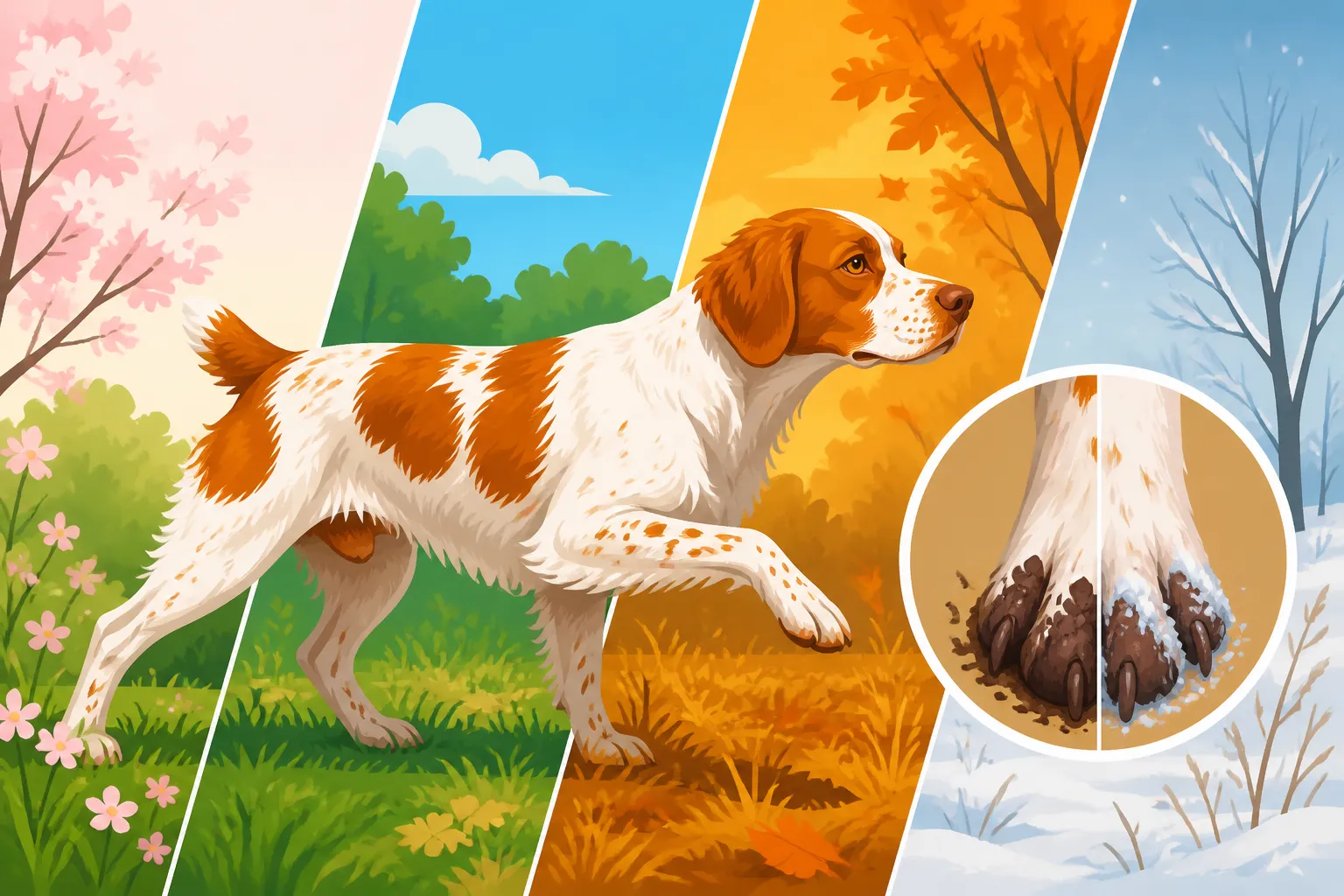
A Brittany’s Feet Over a Long Season
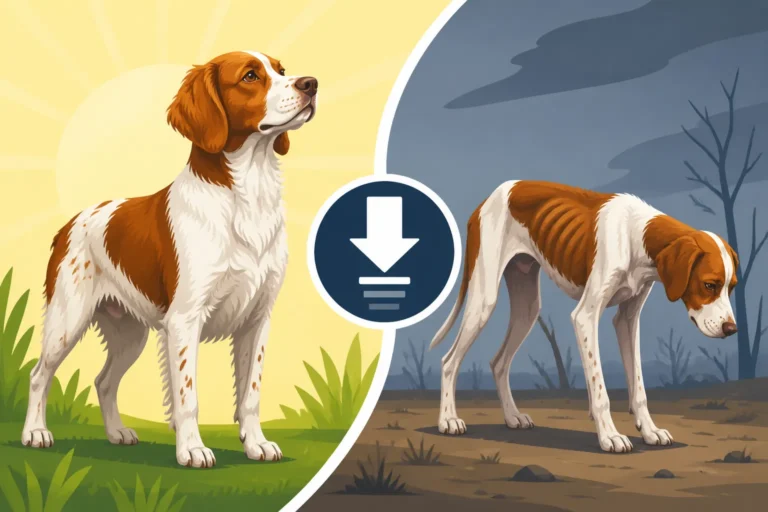
For any Brittany owner, there's a unique kind of dread that sets in when you see your high-energy companion suddenly favoring a paw after a long, exhilarating day in the field. Those incredible feet, which carry them tirelessly through brush and over tough terrain, are often the first casualty of an enthusiastic hunt. This guide is here to walk you through everything you need to know about keeping your Brittany's paws healthy and resilient, from pre-season prep to on-the-spot care and long-term maintenance, ensuring they stay ready for whatever adventure comes next.
The Unsung Heroes: Why Your Brittany's Paws Deserve Attention
It's easy to take our dogs' feet for granted until something goes wrong. We focus on their incredible noses, their boundless energy, or their beautiful points, but those four paws are the engine that drives it all. For a Brittany, a breed renowned for its tireless work ethic and love for the hunt, healthy paws aren't just a comfort; they're an absolute necessity. A minor cut or an unseen thorn can quickly sideline a dedicated bird dog, leading to frustration for both you and your eager companion.
Imagine heading out on a crisp autumn morning, the air thick with the promise of birds, only for your Brittany to come up lame just an hour in because of a split pad. It's heartbreaking, not just for the lost hunting opportunity, but for the discomfort your dog is experiencing. This isn't just about the hunt; it's about their overall well-being and mobility throughout their active lives. Keeping their feet in top condition is a fundamental part of responsible Brittany ownership, ensuring they can enjoy every run, every retrieve, and every moment by your side.
Anatomy of a Working Paw: More Than Just Pads
A Brittany's paw is a marvel of natural engineering, designed for traction, shock absorption, and sensory input. It's composed of several key parts: the tough, leathery paw pads, which are layers of fatty tissue covered by thick, pigmented skin; the claws, which provide grip and protection; and the intricate network of bones, tendons, ligaments, and blood vessels within. Each pad – the large metacarpal (front) or metatarsal (rear) pad, and the smaller digital pads for each toe – plays a crucial role in distributing weight and absorbing impact.
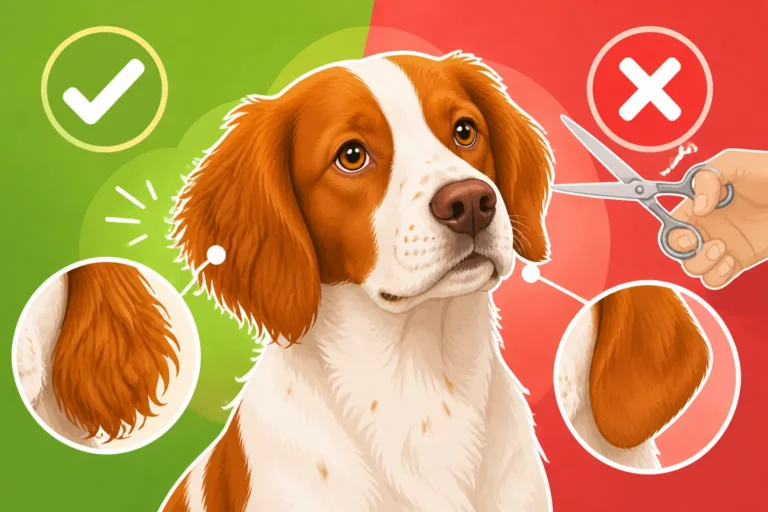
Beyond the visible pads and claws, the skin between the toes is surprisingly delicate, often covered with feathering that, while beautiful, can also be a magnet for debris. This area is prone to irritation, cuts, and the intrusion of foreign objects. Understanding this anatomy helps us grasp why certain injuries occur and how best to prevent them. It's not just a block of tissue; it's a finely tuned instrument that needs protection and regular inspection, especially given the diverse terrains a Brittany navigates.
The Demands of a Long Hunting Season
The hunting season asks a lot of a Brittany's feet. From the soft earth of early autumn fields to the frozen, brittle stubble of late winter, their paws are constantly challenged. They run for miles, often at high speeds, pivoting sharply, jumping over obstacles, and pushing through dense cover. This constant impact and friction can wear down even the toughest pads, leading to thinning, cracking, and increased vulnerability to injury. Imagine your own feet after walking barefoot on varied surfaces for hours on end – that's the kind of stress your Brittany's paws endure.
Different types of cover present their own unique threats. Tall grass and weeds can hide sharp sticks and thorns, while stubble fields, particularly after harvest, can be like a minefield of abrasive material ready to slice through pads. Frozen ground or icy crusts can cause sharp cuts, and rocky terrain can lead to bruising and deep abrasions. The sheer duration of a season, often stretching for months, means cumulative wear and tear is a significant factor. It’s a marathon, not a sprint, for those paws, and consistent care is paramount to keep your dog in the game.
Common Foot Problems a Brittany Faces in the Field
It's an unfortunate truth that despite their robust nature, a Brittany's feet are highly susceptible to injury during their adventures. The moment they step into the field, they're exposed to countless potential hazards. Knowing what to look for and understanding the types of injuries that commonly occur can help you identify problems early and act swiftly, potentially saving your dog from prolonged discomfort or more serious complications. It's part of the trade-off for having such an enthusiastic and driven hunting partner.
The field, as beautiful as it is, is not always forgiving. Whether it's the rough texture of dried corn stalks, the hidden sharp edges of rocks, or the ubiquitous prickly plants, every step can be a gamble for those sensitive paws. Often, you won't even see the injury happen; you'll just notice a subtle change in gait or a sudden reluctance to put weight on a particular foot. This is why regular, thorough inspections are non-negotiable for a working Brittany.
Pad Tears and Abrasions: The Silent Limp
Pad tears and abrasions are perhaps the most common foot injury for a hunting Brittany. These range from superficial scrapes, where only the top layer of skin is removed, to deep lacerations that can cut through multiple layers of pad tissue, sometimes even exposing the underlying fat or bone. Stubble fields are notorious culprits here; those sharp, rigid plant stalks can act like tiny knives, slicing into soft pad tissue as the dog charges through. Why a Brittany Cuts Its Pads on Stubble explains this phenomenon in detail. The immediate result is often pain, bleeding, and a visible limp.
Abrasions, on the other hand, are more like severe friction burns. Long runs on gravel roads, rocky trails, or even very dry, hard dirt can slowly wear away the protective outer layers of the pads. Over time, these areas become raw, tender, and incredibly painful, making every step agony. What starts as a small, barely noticeable rough patch can quickly escalate into a widespread sore if not addressed. The key here is prevention through conditioning and immediate attention to any signs of tenderness.
Cracks and Dryness: Winter's Harsh Reality
As the season wears on and temperatures drop, a Brittany's paw pads can become dry, brittle, and prone to cracking. This is particularly prevalent in regions with cold, dry winters or when dogs are frequently exposed to snow, ice, and road salt. Think of how your own skin feels in winter – parched and chapped; your dog's pads experience a similar, often more severe, issue. These cracks can range from shallow surface fissures to deep, painful splits that bleed and are difficult to heal.
These cracks are not just uncomfortable; they create open invitations for bacteria and dirt to enter, leading to infections. They also make the pads more susceptible to further injury. Running on hard, frozen ground with cracked pads can be excruciating for a dog. Regular application of paw balms and waxes, even during the off-season, can help maintain pliability. Hydration also plays a role from the inside out, so ensure your Brittany is drinking enough water.
Foreign Objects: Foxtails, Burrs, and Thorns
The field is full of natural "grenades" waiting to lodge themselves in your Brittany's paws. Foxtails, those insidious barbed seed heads, are a prime offender. They don't just cling to fur; they can work their way into the skin, often between the toes, and migrate deeper with every step, causing severe inflammation, infection, and abscesses. Where a Foxtail Lodges in a Brittany highlights the common hiding spots. Burrs, while less dangerous than foxtails, can be incredibly painful and matted in the soft fur between the toes, pulling at the skin. Thorns from various plants are another constant threat, capable of puncturing pads and skin.
The frustration here is that these tiny invaders are often hard to see. A small puncture wound might not look like much, but if a piece of thorn or a foxtail remains embedded, it can lead to persistent lameness and swelling. This is where meticulous post-hunt inspection is critical. You might need good lighting, magnifying glasses, and a pair of tweezers to remove these culprits before they cause serious trouble. Prevention often involves keeping your dog out of heavily infested areas when possible, but for a true bird dog, that's not always an option.
Pre-Season Conditioning: Building Tougher Paws
Just like an athlete trains their body before a marathon, a Brittany's paws need pre-season conditioning to withstand the rigors of hunting. You wouldn't expect your dog to run miles through tough cover on opening day without having built up its stamina, and the same applies to its feet. Starting early and being consistent with paw conditioning can significantly reduce the risk of injury, making for a happier, healthier, and more effective hunting partner.
This isn't just about physical toughness; it's about preparing the physiological resilience of the paw pads. The goal is to gradually thicken and harden the outer layers of skin while keeping them supple enough to prevent cracking. It's a fine balance, and rushing the process can do more harm than good. Think of it as building calluses on your own hands – it takes time and repeated, controlled exposure.
Gradual Exposure to Varied Terrain
The best way to toughen your Brittany's pads naturally is through gradual exposure to varied terrain well before the season opens. Start with shorter walks on concrete, gravel paths, and rougher dirt roads, slowly increasing the duration and intensity over several weeks or months. Don't jump straight into a five-mile hike over rocky ground. This controlled stress stimulates the pads to thicken and become more resilient, forming natural calluses. How to Toughen a Brittany's Pads provides a detailed regimen for this.
Avoid sudden changes in activity levels. If your Brittany has spent the summer lounging on soft grass, their pads will be tender. A sudden excursion into dense, abrasive cover will almost guarantee an injury. Introduce them to different textures and surfaces, mimicking the environments they'll encounter during the hunt. This helps the pads adapt and build resistance, becoming less prone to tears and abrasions when the real work begins.
Pad Tougheners and Waxes: Do They Work?
Many Brittany owners turn to commercial paw tougheners and waxes, wondering if these products genuinely help. Pad tougheners, often containing ingredients like tannic acid, are designed to chemically harden the outer layer of the pads. Some owners swear by them, applying them regularly in the weeks leading up to the season. The theory is that they create a more durable surface, resistant to cuts and abrasions. However, results can vary, and some dogs might find them irritating. It's worth trying cautiously to see if your dog tolerates them and if you notice a benefit.
Paw waxes and balms, on the other hand, serve a different, but equally important, purpose. Products often found on sites like Chewy or Amazon, such as Musher's Secret or various paw balms, are designed to moisturize and protect the pads from extreme conditions. They form a breathable barrier against snow, ice, hot pavement, and rough terrain, preventing dryness and cracking. While they don't toughen the pads, they keep them supple and protected, which is crucial. Whether Pad Toughener Works on a Brittany delves into the effectiveness of these products. Many owners find a combination approach – natural conditioning, plus protective waxes – to be most effective.
Nail Maintenance: The Often-Overlooked Detail
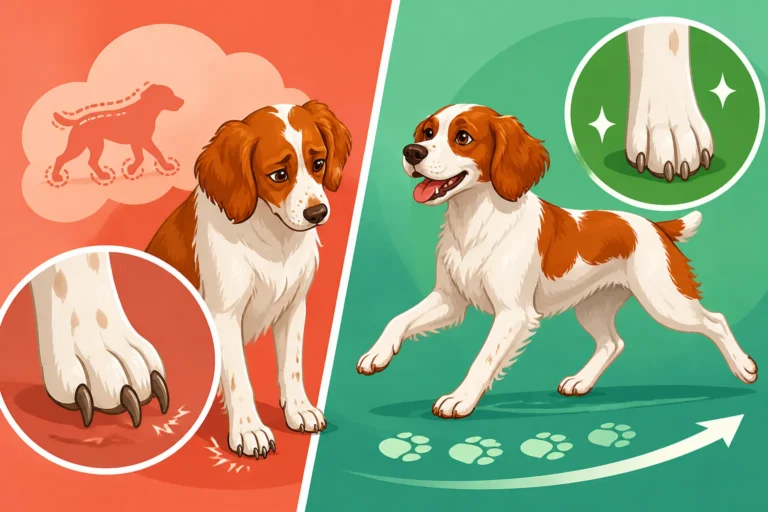
Proper nail maintenance is absolutely critical for paw health, yet it's often overlooked until a problem arises. Overly long nails can significantly impact a Brittany's gait and balance, putting unnecessary strain on their toes and joints. When nails are too long, they push the toes up and spread the paw, making the pads less effective for traction and increasing the risk of splaying and injury. Imagine trying to run a marathon with shoes that are too small.
Regular trimming, ideally every 2-4 weeks, is essential to keep the nails short enough that they don't touch the ground when your dog is standing. If you can hear their nails clicking on hard floors, they're too long. For active hunting dogs, even slightly long nails can snag on roots or rocks, leading to painful tears or even avulsions (when the nail is ripped off the quick). If you're uncomfortable trimming them yourself, your vet or a professional groomer can help. Investing in a good pair of clippers or a dremel tool (also available on Amazon) and learning the proper technique is a small effort with big payoffs for paw health.
During the Season: On-the-Go Care and Inspection
Once hunting season is in full swing, the focus shifts from pre-conditioning to immediate, proactive care. Your Brittany is now working hard, day in and day out, and their paws are under constant stress. This period demands vigilance and a consistent routine of checks and minor interventions. Being prepared for common issues and knowing how to handle them on the spot can prevent small problems from escalating into major setbacks that could end your dog's season prematurely.
It's a testament to their dedication that Brittanys will often try to push through discomfort, so it's up to us, their human partners, to be their eyes and ears for potential problems. Never assume that because they're still running, everything is fine. The subtlest change in their movement or demeanor can be a huge indicator that their feet need attention.
Post-Hunt Inspections: Every Time, Without Fail
This is perhaps the single most important routine for a hunting Brittany owner. After every single outing, before you even think about putting them in the truck or letting them settle down, you need to conduct a thorough paw inspection. This means gently picking up each paw, spreading the toes, and carefully examining every pad and the spaces between them. Look for cuts, scrapes, punctures, swelling, redness, and any foreign objects. How Often a Brittany's Pads Should Be Checked isn't just a suggestion; it's a golden rule.
Don't forget to check under their dewclaws, if they have them, as these can easily catch and tear. Pay close attention to any feathering between the toes, as it can hide burrs, thorns, or foxtails. Use your fingers to feel for any bumps, tenderness, or unusual heat. If your dog flinches or pulls away when you touch a certain spot, that's your cue to investigate further. A small, early discovery can often be treated quickly at the truck, saving you a costly vet visit and your dog a lot of pain.
Field First Aid for Minor Injuries
Having a well-stocked first aid kit specifically for your dog (and yourself!) is non-negotiable for any hunter. For paw injuries, this kit should include antiseptic wipes, sterile saline solution for rinsing, tweezers for splinter removal, medical adhesive tape, self-adhering bandage wrap (like Vetrap), and possibly some non-stick gauze pads. For minor cuts or abrasions, the immediate goal is to clean the wound thoroughly to prevent infection. Rinse with saline, apply an antiseptic wipe, and then cover it.
For a torn pad, How to Treat a Brittany's Torn Pad is essential reading. Gently clean the area. If it's bleeding, apply direct pressure. Then, you'll need to protect the wound. A common field technique is to apply a non-stick gauze pad, followed by a layer of athletic tape (or even duct tape in a pinch, though be careful not to apply directly to fur), and then secure it with a self-adhering bandage. The key is to create a snug, protective wrap that won't fall off but isn't so tight it cuts off circulation. The goal is to get your dog safely back home or to a vet, not to provide definitive treatment in the field.
The Role of Dog Boots: When to Use Them
Dog boots are a hotly debated topic among Brittany owners. Some swear by them, others find them cumbersome. However, there are certainly scenarios where they are invaluable. If your Brittany is prone to pad tears, or if you're hunting in extremely rough, abrasive terrain like sharp lava rock or dense, thorny brush, boots can offer a crucial layer of protection. They can also be a lifesaver if your dog already has a minor paw injury that needs to be kept clean and protected while it heals. Whether a Brittany Needs Boots in the Field offers further insight.
It's important to choose boots that fit well – too loose and they'll come off or rub, too tight and they can restrict circulation. Introduce boots gradually before the season so your dog gets used to wearing them. Many dogs will do a comical high-stepping dance at first, but most adapt quickly. Keep in mind that boots can reduce a dog's natural traction and tactile feedback, so they might not be suitable for every situation or every dog. Products found on Chewy or Amazon offer a wide range of options, from thin disposable ones to heavy-duty durable styles. Consider them a tool in your paw care arsenal, to be used strategically rather than all the time. Whether a Brittany Should Wear Boots All Day explores this further.
Dealing with More Serious Injuries and Recovery
While prompt first aid can handle many minor issues, some paw injuries are simply too severe for at-home care. Recognizing when an injury warrants a veterinary visit is crucial for your Brittany's health and recovery. Trying to "tough out" a serious paw problem can lead to chronic pain, infection, or long-term lameness. Remember, your Brittany's feet are their livelihood, and protecting them is paramount.
It's a tough call sometimes, especially when you're far from home or deep in the field. But erring on the side of caution and seeking professional help is always the best approach when in doubt. A vet can properly diagnose the extent of the injury, clean it thoroughly, prescribe necessary medications, and provide detailed aftercare instructions to ensure a full and swift recovery.
Deep Cuts, Punctures, and Severe Lacerations
Any deep cut, puncture wound, or severe laceration that extends beyond the superficial layers of the paw pad requires immediate veterinary attention. These types of injuries are particularly concerning because they can damage tendons, ligaments, or even bone, and they are highly prone to infection due to contamination from the environment. Signs to look for include profuse bleeding that doesn't stop with pressure, a wide-open wound, visible foreign material deep within the paw, or a dog that is completely unwilling to bear weight on the foot.
The vet will thoroughly clean the wound, often under sedation, to remove all debris. Depending on the severity, the wound might need to be stitched closed. Puncture wounds are especially tricky because they often look small on the surface but can be quite deep and track bacteria into the paw, leading to abscesses. A vet will assess the depth and might recommend antibiotics to prevent infection. Don't underestimate these injuries; they can quickly become serious if not treated properly.
Infection Watch: What to Look For
Even minor cuts or scrapes can become infected if not cleaned properly. The moist, warm environment between a Brittany's toes and the constant exposure to dirt and bacteria in the field make paw infections a real threat. Signs of infection include swelling, redness, increased heat in the paw, pus or discharge from the wound, a foul odor, and persistent lameness or licking of the paw. Your dog might also develop a fever or become lethargic.
If you suspect an infection, it's time for a vet visit. They will likely clean the wound thoroughly, and prescribe oral antibiotics or topical antimicrobial treatments. Ignoring an infection can lead to it spreading to deeper tissues, causing more widespread problems, and requiring more aggressive treatment. Keeping the wound clean and dry during recovery is key. You might need to use an Elizabethan collar (the cone of shame) to prevent your Brittany from licking the area, which can hinder healing and introduce more bacteria.
Rest and Rehabilitation: Patience is Key
Once a paw injury is treated, the most challenging part for a high-energy Brittany often begins: rest. Forced rest can be incredibly frustrating for a dog that lives to run, point, and retrieve. However, it is absolutely essential for proper healing. Depending on the severity of the injury, this could mean several days to several weeks of restricted activity. Leash walks only, no running, jumping, or strenuous play.
During this rehabilitation period, continue to monitor the paw closely for any signs of worsening or infection. Keep bandages clean and dry, changing them as directed by your vet. Follow all medication instructions diligently. While it's hard to see your Brittany cooped up, remember that this downtime is an investment in their long-term health and future hunting seasons. Pushing them back into action too soon will almost certainly lead to re-injury or chronic problems.
Nutrition and Supplements for Paw Health
It might not be the first thing you think of when considering paw health, but what goes into your Brittany's bowl absolutely impacts the condition of their skin, coat, and, yes, their paw pads. A healthy body, fueled by a balanced and appropriate diet, is better equipped to repair itself, fight off infection, and maintain resilient tissues. Neglecting nutrition can manifest in dry, brittle pads, a dull coat, and slower healing.
Think of it this way: your Brittany's skin and pads are constantly regenerating and repairing. To do this effectively, they need a steady supply of essential nutrients. Just like a good diet helps maintain your own skin and nails, it's fundamental for your dog's outer defenses.
The Link Between Diet and Skin/Paw Health
A high-quality diet provides the foundational building blocks for healthy skin and robust paw pads. Proteins are essential for tissue repair and regeneration. Healthy fats, particularly omega-3 and omega-6 fatty acids, play a crucial role in maintaining skin barrier function, reducing inflammation, and keeping skin and pads supple. Vitamins and minerals, such as zinc and B vitamins, are also vital for skin integrity and wound healing. If your Brittany is on a diet that lacks these key nutrients, their skin and pads may suffer, becoming more prone to dryness, cracking, and injury.
Consider brands like Ollie, which focus on fresh, human-grade ingredients, or high-quality performance kibbles often found on Chewy. These diets are typically formulated to provide a complete and balanced nutritional profile. When choosing food, look for named meat sources as the first ingredient and a good balance of fats. Don't forget water; proper hydration is crucial for skin elasticity, and a dehydrated dog will often have drier, less resilient paw pads.
Omega Fatty Acids and Biotin: Inside-Out Support
For Brittanys, especially those prone to dry or cracked pads, supplementing with omega fatty acids and biotin can make a noticeable difference. Omega-3 fatty acids, found in fish oil, are powerful anti-inflammatories and essential for maintaining healthy skin cell membranes. They can help reduce the dryness and flakiness that often precede cracking. You can find high-quality fish oil supplements on Amazon or Chewy.
Biotin, a B vitamin, is another nutrient frequently associated with skin and nail health. While severe biotin deficiency is rare in dogs eating a balanced diet, some anecdotal evidence suggests supplementation can improve the strength and integrity of paw pads and nails. Always consult with your veterinarian before adding any new supplements to your Brittany's diet, as they can advise on appropriate dosages and whether a particular supplement is truly necessary for your individual dog.
Hydration: A Foundation for Healthy Paws
It sounds simple, but adequate hydration is a fundamental component of paw health. Just like the rest of their body, a Brittany's skin and paw pads rely on sufficient water intake to maintain their elasticity and integrity. Dehydrated pads become dry, stiff, and much more susceptible to cracking and tearing. This is especially critical during hunting season when your dog is expending a lot of energy and can easily become dehydrated, even in cooler weather. How Much Water a Brittany Needs on a Hunt is a critical read.
Always ensure your Brittany has access to fresh, clean water, both at home and in the field. Carry a portable water bowl and plenty of water with you on hunts, offering it frequently, even if they don't seem thirsty. For dogs that are reluctant to drink, you can try adding a splash of low-sodium broth to their water, or even incorporating wet food into their diet. Proper hydration helps keep those paw pads supple and resilient, ready to take on the demands of the field.
Off-Season Maintenance: Keeping Paws Primed Year-Round
The end of hunting season doesn't mean the end of paw care. In fact, the off-season is a crucial time for recovery, repair, and continued maintenance, ensuring your Brittany's feet are in prime condition for the next round of adventures. Neglecting paw care during the "down time" can mean starting from scratch each year, making your dog more vulnerable when the season rolls around again.
Think of it as a year-round commitment, much like their overall health and training. Consistent care prevents issues from festering and builds a strong foundation. This allows their pads to fully recover from the season's stresses and prepares them for the demands of the upcoming one.
Continued Nail and Pad Care
Even without the daily rigors of hunting, regular nail trims remain essential. Overgrown nails can still lead to splayed toes, discomfort, and a higher risk of injury when your dog is running or playing in the yard. Continue to trim nails every 2-4 weeks. This also allows you to keep an eye on the quick, ensuring it recedes and allowing for shorter, healthier nail length.
Similarly, don't abandon paw balm or wax applications. During the warmer months, these can protect against hot pavement Whether a Brittany's Pads Burn on Hot Ground and rough surfaces encountered during walks or hikes. In colder, off-season months, they combat dryness from indoor heating or cold weather. Regularly massaging the pads also helps you identify any lumps, bumps, or tender spots that might indicate a developing problem.
Monitoring for Subtle Changes
The off-season offers a calmer period to closely observe your Brittany's paws without the constant pressures of field work. Pay attention to any subtle changes in pad texture, color, or thickness. Are they unusually dry? Is there any flaking or peeling? Are there any small growths or discolored areas? Catching these issues early, when they're not exacerbated by hunting stress, allows for prompt veterinary consultation if needed.
Also, be mindful of how your Brittany moves. While not actively hunting, they should be moving freely and comfortably. Any persistent limping, favoring a foot, or excessive licking of the paws should be investigated. Sometimes, chronic low-grade inflammation or an old injury might only become apparent when the high-adrenaline demands of hunting are removed, making the off-season a valuable diagnostic window.
Preparing for Next Season's Demands
The off-season is the perfect time to slowly begin the conditioning process for the next hunting season. Instead of a sudden ramp-up just weeks before opening day, you can gradually increase the duration and intensity of walks on varied terrain. This means longer hikes on gravel, paved paths, and natural trails, helping to build calluses and strengthen paw pads without the intense pressure of a full hunting day.
This gradual approach also allows you to experiment with any new paw care products, such as different types of paw balms or boots, to see what works best for your Brittany before they're truly needed. It's all about proactive planning and creating a year-round regimen that supports the long-term health and resilience of those incredibly hard-working feet.
Understanding Specific Environmental Challenges
Beyond the general wear and tear of hunting, specific environmental conditions can pose unique and sometimes severe threats to your Brittany's paws. These challenges require targeted awareness and often specialized protective measures. A knowledgeable owner anticipates these hazards and takes steps to mitigate the risks, ensuring their dog's comfort and safety in all conditions.
From blistering summer sidewalks to icy winter trails, the ground beneath your Brittany's paws is rarely benign. Understanding these distinct threats is crucial for year-round paw protection, not just during hunting season.
Cold Weather Concerns: Ice Balls and Frostbite
Winter hunting brings its own set of paw challenges. Perhaps the most common issue in snowy conditions is the formation of ice balls between the toes and in the feathering. As snow melts from body heat and then refreezes, it creates painful clumps of ice that can pull on the skin, cause chafing, and even lead to raw spots or cuts. Dogs with more feathering, like Brittanys, are particularly susceptible. Whether Ice Balls Form in a Brittany's Feet highlights this problem. Regular removal during a hunt, or using paw waxes to create a barrier, can help prevent this.
More seriously, prolonged exposure to extreme cold can lead to frostbite on the paw pads. While less common than ice balls, it's a severe injury that can result in tissue damage and even loss of digits. Watch for pads that look pale, grayish, or waxy, or feel cold and stiff. If you suspect frostbite, warm the paws slowly and seek immediate veterinary care. Paw boots can be incredibly beneficial in preventing both ice balls and frostbite in harsh winter conditions.
Hot Weather Hazards: Burnt Pads
Just as cold weather poses risks, hot weather can be equally, if not more, dangerous for paw pads. Walking or running on hot asphalt, concrete, or even sandy beaches during summer can cause severe burns to a Brittany's pads. These surfaces can reach scorching temperatures, far exceeding air temperature. A quick test: if the ground is too hot for your bare hand or foot for five seconds, it's too hot for your dog's paws. Whether a Brittany's Pads Burn on Hot Ground cannot be stressed enough; this is a serious hazard.
Burnt pads are excruciatingly painful and can blister, peel, and become infected. Prevention is key: avoid walking your Brittany on hot surfaces during the hottest parts of the day. Stick to grass, dirt trails, or walk during early mornings or late evenings. Paw waxes offer some protection by providing a barrier, but they are not a substitute for avoiding extreme heat. If you suspect your Brittany has burnt pads, cool them immediately with cool (not ice cold) water and seek veterinary attention.
Chemical Exposure: Protecting Sensitive Paws
Finally, your Brittany's paws are also vulnerable to chemical exposure. This can come from various sources: de-icing salts and chemicals on winter roads, fertilizers and pesticides on lawns, cleaning products in your home, or even natural irritants encountered in the field. These substances can cause irritation, dryness, chemical burns, or be ingested when your dog licks its paws.
After walks, particularly in urban areas during winter or after lawn treatments, it's a good practice to rinse your Brittany's paws thoroughly with clean water. Keep them out of areas that have been recently sprayed with chemicals. For hunters, be aware of agricultural runoff or treated fields that might contain irritating residues. If you notice redness, itching, or inflammation after exposure to a potential irritant, clean the paws and consult your vet. Paw balms can offer a protective barrier against some chemical irritants, but vigilance and prompt cleaning are your best defenses.
Summary of Brittany Paw Care Essentials
To consolidate everything we've discussed, here's a quick overview of key practices for keeping your Brittany's paws in top condition throughout the year, especially during a demanding hunting season. This isn't a replacement for the detailed information above, but a handy reference to ensure you're covering all the bases.
| Aspect of Care | Key Practice | Why It's Important |
|---|---|---|
| Pre-Season Prep | Gradual exposure to varied terrain | Builds natural calluses, reduces risk of tears/abrasions. |
| Consistent nail trimming | Prevents splayed toes, snags, and joint strain. | |
| Consider paw tougheners/waxes | Toughening (tougheners) and protective barrier (waxes) against elements. | |
| During Hunting Season | Thorough post-hunt paw inspections | Early detection of cuts, foreign objects, or swelling. |
| Carry a well-stocked field first aid kit | Immediate treatment for minor cuts, punctures, or bleeding. | |
| Strategic use of dog boots | Protection in harsh terrain, for healing injuries, or extreme weather. | |
| Post-Injury/Recovery | Prompt veterinary care for serious wounds | Prevents infection, ensures proper healing for deep cuts/punctures. |
| Strict rest and rehabilitation | Allows tissues to heal completely, prevents re-injury. | |
| Monitor for signs of infection | Early intervention for swelling, redness, discharge. | |
| Year-Round Health | High-quality diet with essential fatty acids | Supports strong skin, resilient pads, and optimal healing. |
| Adequate hydration | Maintains pad elasticity, prevents dryness and cracking. | |
| Off-season monitoring | Allows for recovery, addresses subtle issues before they worsen. | |
| Environmental Savvy | Avoid hot surfaces in summer | Prevents severe paw pad burns. |
| Protect from ice balls/frostbite in winter | Prevents chafing, cuts, and tissue damage from cold/ice. | |
| Rinse paws after chemical exposure | Prevents irritation, chemical burns, and ingestion of toxins. |
Keeping your Brittany's feet sound and ready for action is a continuous, year-round commitment, but one that pays off immensely in their health, happiness, and continued ability to do what they love most: hunt tirelessly by your side.
Disclaimer
This article is for general informational purposes only and does not constitute professional advice. Laws, prices and regulations vary by location and change over time. Consult a qualified professional for guidance on your specific situation.