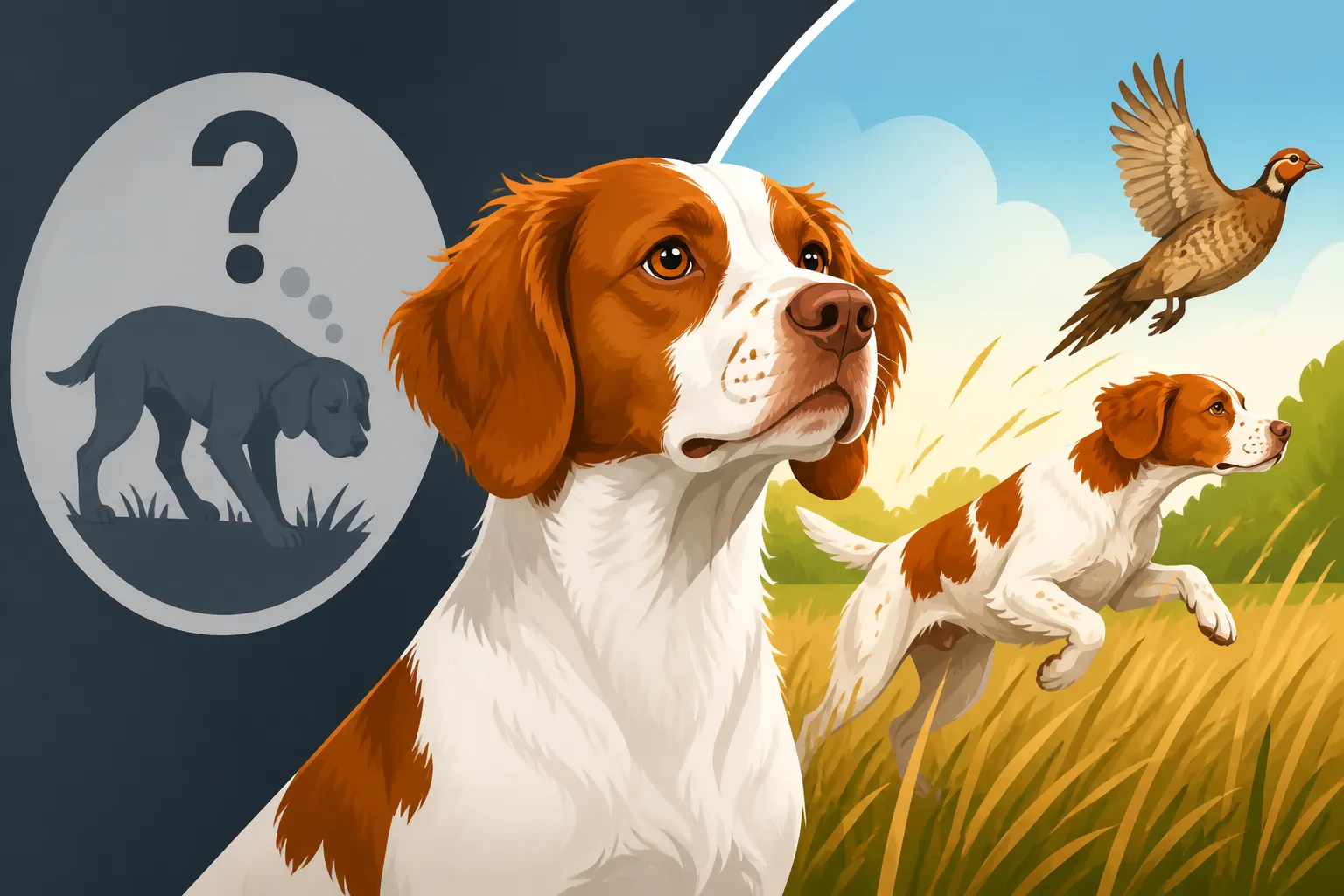
Whether a Show Brittany Can Still Hunt
It’s a question many prospective Brittany owners, especially those with an eye on the conformation ring, often ponder: if I get a beautiful show-bred Brittany, will it still have the drive and ability to perform in the field? There’s a persistent worry that "show dogs" are somehow softer or less capable than their "field-bred" counterparts. This guide will dive deep into why the Brittany is a unique exception to this perceived divide, exploring how genetics, breed standards, and dedicated training ensure that a well-bred show Brittany absolutely can, and often does, excel in both arenas.
The Historical Connection Between Show and Field Brittanys
To truly understand why a show Brittany can hunt, we need to go back to the very roots of the breed. Unlike some other sporting breeds where show and field lines have diverged almost entirely, the Brittany's history and its very breed standard have always intrinsically linked form to function.
A Breed Bred for Purpose
The Brittany didn't originate as a companion animal or a fancy show dog; it was developed in the rugged, bird-rich region of Brittany, France, by peasants and poachers who needed a highly efficient, versatile hunting dog. They needed a dog that could hunt all types of game, work close to the gun, retrieve fallen birds, and thrive in challenging terrain. The breed’s very existence was predicated on its ability to find and point birds. Every physical trait, every behavioral inclination, was selected for its utility in the field. This foundation, built on generations of working dogs, is still deeply embedded in the breed's DNA.
Imagine a farmer in rural Brittany, relying on his dog to put food on the table. He wouldn't care about a perfect topline if the dog couldn't find a pheasant. He needed a robust, intelligent, biddable partner. This intrinsic drive is why so many Brittanys, regardless of their specific breeding focus today, still possess that innate desire to hunt. They hail from The Brittany Comes From the Northwest Corner of France, and that heritage is not easily bred out.
The American Brittany's Dual Standard
One of the most remarkable aspects of the Brittany breed, particularly in America, is its commitment to maintaining a single standard for both conformation (show ring) and field performance. The American Kennel Club (AKC) dropped "Spaniel" from the breed name in 1982 to emphasize its pointing ability, further cementing its identity as a true versatile gun dog. This isn't just a historical footnote; it’s a living testament to the breed's core identity.
What this means in practice is that a dog being judged in the conformation ring is, theoretically, being evaluated on traits that should also contribute to its effectiveness in the field. Judges are looking for an athletic build, good angulation, strong bone, and an alert, intelligent expression – all qualities vital for a tireless bird dog. This dual emphasis has fostered a unique environment where breeders often strive for excellence in both realms, rather than specializing in one to the detriment of the other. It's why the Brittany boasts an unparalleled record of The Brittany Holds the Dual Champion Record, a title awarded to dogs that achieve championship status in both conformation and field trials. This incredible achievement isn't just luck; it's a direct result of the breed's carefully preserved versatile nature and the dedication of breeders who refuse to let the show ring completely dictate breeding decisions separate from the field.
Bridging the Gap: What Makes a Show Brittany Hunt-Capable?
The idea that a show dog is inherently less capable in the field is a generalization that doesn't hold up for the Brittany. Their breed standard and the best breeding practices ensure a strong connection to their working heritage.
The Importance of Instinct and Genetics
At its heart, a Brittany is a bird dog. Even if a particular litter is primarily bred for the show ring, a responsible breeder will still prioritize health, temperament, and, crucially, natural hunting instincts. They understand that a Brittany without bird drive is not a true Brittany. This means that reputable show breeders are not just looking at coat color or head shape; they are also considering the working ability of the dam and sire, and often their ancestors. They might not be running their entire kennel in advanced field trials every weekend, but they are typically very aware of their dogs' inherent abilities.
You'll often find that the best show Brittanys still exhibit those classic traits: a keen nose, an intense point, and a natural desire to retrieve. It’s part of What a Brittany's Temperament Is Really Like – they are intelligent, eager to please, and deeply driven by their instincts. Many owners report that even their "pet-quality" or "show-potential" puppies will instinctively point a bird wing or even a butterfly in the backyard. This natural inclination is a testament to strong genetics, which good show breeders continue to cherish. The question isn't usually if a Brittany points naturally, but rather how to refine and channel that instinct through training. Whether a Brittany Points Naturally is almost always a resounding yes.
Conformation for Function
The Brittany breed standard isn't merely about aesthetics; it's a blueprint for an efficient, durable hunting machine. Every aspect of the standard relates back to the dog's ability to perform its job in the field.
For example, the standard calls for:
- Moderate bone and musculature: Enough to provide strength and endurance, but not so heavy as to hinder agility and speed.
- Correct angulation: This allows for powerful, ground-covering strides, reducing fatigue over long days of hunting.
- Well-sprung ribs and deep chest: Essential for ample lung capacity, allowing the dog to sustain high energy output.
- Dense, protective coat: Designed to repel water and briars, offering protection from the elements and harsh cover.
- Strong, compact feet: Built to withstand miles of tough terrain without breaking down.
A show dog that conforms well to the standard is, by definition, a dog that should be physically capable of hunting. When you see a Brittany moving gracefully in the show ring, exhibiting powerful, effortless strides, you're looking at a dog whose structure is optimized for covering ground and maintaining stamina – exactly what you need in the field. The Brittany is often celebrated as The Brittany Is the Smallest of the Versatile Pointing Breeds, and its compact, athletic build is a key part of that versatility. This functional conformation helps bridge any perceived gap between show and field abilities.
Training is Universal
Regardless of whether a Brittany comes from predominantly show lines or field lines, proper training is absolutely essential to develop its full hunting potential. Instinct is a fantastic starting point, but it needs to be honed and directed. A show Brittany, just like any other Brittany, will benefit immensely from early socialization, basic obedience, and consistent bird work.
Think about it: even a naturally gifted athlete needs coaching and practice to excel. The same applies to our dogs. Structured training sessions, even short ones, build a strong foundation. How Long a Brittany's Training Session Should Be is usually recommended to be brief and positive, reinforcing good habits without overwhelming the dog. Resources for training are widely available, whether you're looking for books, online courses, or physical tools. Basic training gear like check cords, whistles, and even bird launchers can be readily found on platforms like Amazon, equipping you to start building your show Brittany's field skills right in your backyard. Don't assume that because a dog comes from a show background, it will somehow be less intelligent or biddable during training; Brittanys are renowned for their eagerness to please and their sharp minds.
Real-World Expectations and Potential Differences
While a show Brittany can hunt, it's also realistic to acknowledge that there might be some nuances or differences compared to a dog bred exclusively for competitive field trials. Understanding these can help set proper expectations and guide your training approach.
Range and Style Considerations
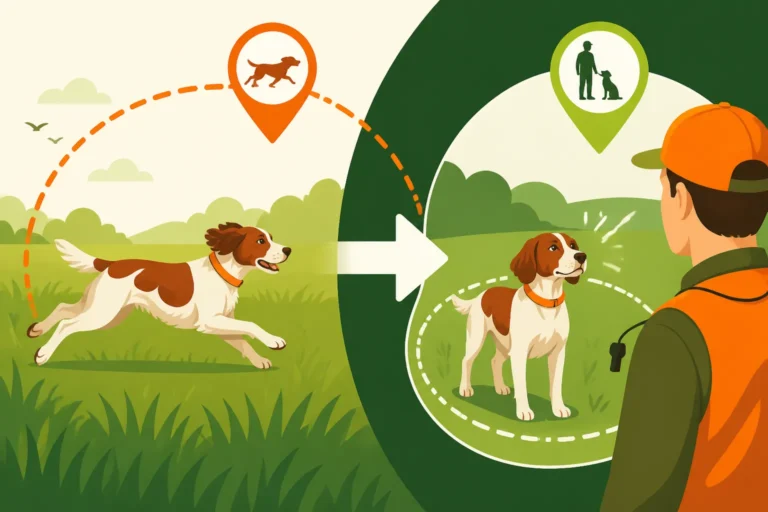
One of the most common distinctions people discuss between show and field Brittanys is their "range" – how far they typically hunt from the gun. Field trial dogs are often bred to run big, covering vast amounts of ground at high speed, especially in horseback trials. How Far an American Brittany Ranges can be significant, sometimes out of sight if not trained properly to check in. On the other hand, some show lines, while still possessing strong hunting instincts, might produce dogs that naturally prefer to work a bit closer to the hunter.
This isn't to say a show Brittany can't be taught to range wider, or that a field Brittany can't be taught to hunt closer. It simply means that their predispositions might differ, and you may need to adjust your training accordingly. A walking hunter, for instance, might actually prefer a dog that hunts a tighter pattern, and a show Brittany often fits this bill perfectly. Conversely, if you envision a dog that needs to cover hundreds of acres, you might have to put in more consistent work on developing that wider range. The key is understanding your dog's natural inclinations and training them to match your hunting style. For comparison, a French Brittany, the European counterpart, is often known for working closer; How Close a French Brittany Hunts is a common topic of discussion among enthusiasts.
Challenges and Commitments
Taking a show-bred Brittany and developing it into a proficient hunting dog requires the same commitment and effort as any other bird dog, perhaps even a bit more if its immediate pedigree hasn't seen recent field titles. You're building upon natural instinct, but you still need to lay down the foundation of obedience, steadying, retrieving, and exposure to different birds and environments. This isn't a weekend project; it's a journey.
Some owners find immense satisfaction in taking a dog that has proven itself in conformation and turning it into a capable hunting partner. It truly showcases the breed's versatility. Be prepared to invest time in formal bird training, potentially working with live birds, and exposing your dog to various hunting scenarios. While resources like dedicated gun dog trainers are invaluable, you can also start building a strong foundation with your puppy using online programs. For example, programs like those offered by BAXTER & Bella provide comprehensive, positive reinforcement-based training that can set a Brittany puppy up for success in any discipline, including the field. The goal is a finished dog, and that typically takes How Many Seasons Before a Brittany Is Finished – usually two to three years of consistent work.
Finding a Show Breeder Who Values Hunting
If your heart is set on a show-quality Brittany that also has strong hunting potential, the most crucial step is finding the right breeder. Don't be afraid to ask direct questions about their breeding philosophy. Inquire about the working abilities of the dam and sire, even if they aren't actively competing in field trials. A truly dedicated Brittany breeder, whether focused on show or field, will understand and appreciate the breed's dual heritage.
Here's what to look for and ask:
- Dual-titled ancestors: Do any of the dogs in the pedigree have Dual Champion (DC) or Field Champion (FC) titles, even a few generations back? This indicates that the genetics for working ability are present.
- Health clearances: Reputable breeders, regardless of their primary focus, will always prioritize health. Ask about hip and eye certifications.
- Temperament: A biddable, intelligent, and confident temperament is essential for both the show ring and the field.
- Bird exposure: Ask if the breeder exposes their puppies to birds early on. This can be a good indicator of their commitment to fostering natural instincts.
- Breeder's personal hunting experience: Does the breeder themselves hunt with their Brittanys, even if casually? Their personal experience can be very telling.
Choosing a breeder who understands and promotes the dual nature of the Brittany is paramount. Which Questions to Ask a Brittany Breeder often include inquiries about their philosophy on maintaining hunting instincts even in show lines.
| Feature / Trait | Show-Bred Brittany (with hunting potential) | Field-Bred Brittany (specialized) |
|---|---|---|
| Primary Focus | Conformation to breed standard, balanced temperament | High-level field performance, intense bird drive |
| Physical Build | Adheres strictly to standard, athletic, moderate | Often leaner, sometimes more leggy for speed |
| Natural Instincts | Strong, inherent pointing and retrieving instincts | Often extremely strong, sometimes higher prey drive |
| Range (Typical) | Might naturally work closer to the gun, easily adjusted | Bred for wider, faster range, requires steadying |
| Training Needs | Requires consistent training to channel instincts | Requires consistent training, often more formal |
| Temperament | Generally calm, biddable, adaptable to home and field | Often higher energy, needs significant outlet |
| Dual Potential | High, with dedicated training | Can achieve conformation titles, but less common |
In conclusion, the idea that a "show Brittany" cannot hunt is simply a misunderstanding of this remarkable breed. The Brittany's unique history, its breed standard, and the dedication of responsible breeders ensure that the capacity for hunting remains deeply ingrained, regardless of whether a dog spends its weekends in a fancy ring or a pheasant field. With the right genetics, functional conformation, and, most importantly, consistent, patient training, a show Brittany can absolutely thrive as a capable and enthusiastic hunting partner. Don't let the ribbon fool you; these dogs were born to find birds, and many are eager to prove it, given the chance.
Disclaimer
This article is for general informational purposes only and does not constitute professional advice. Laws, prices and regulations vary by location and change over time. Consult a qualified professional for guidance on your specific situation.