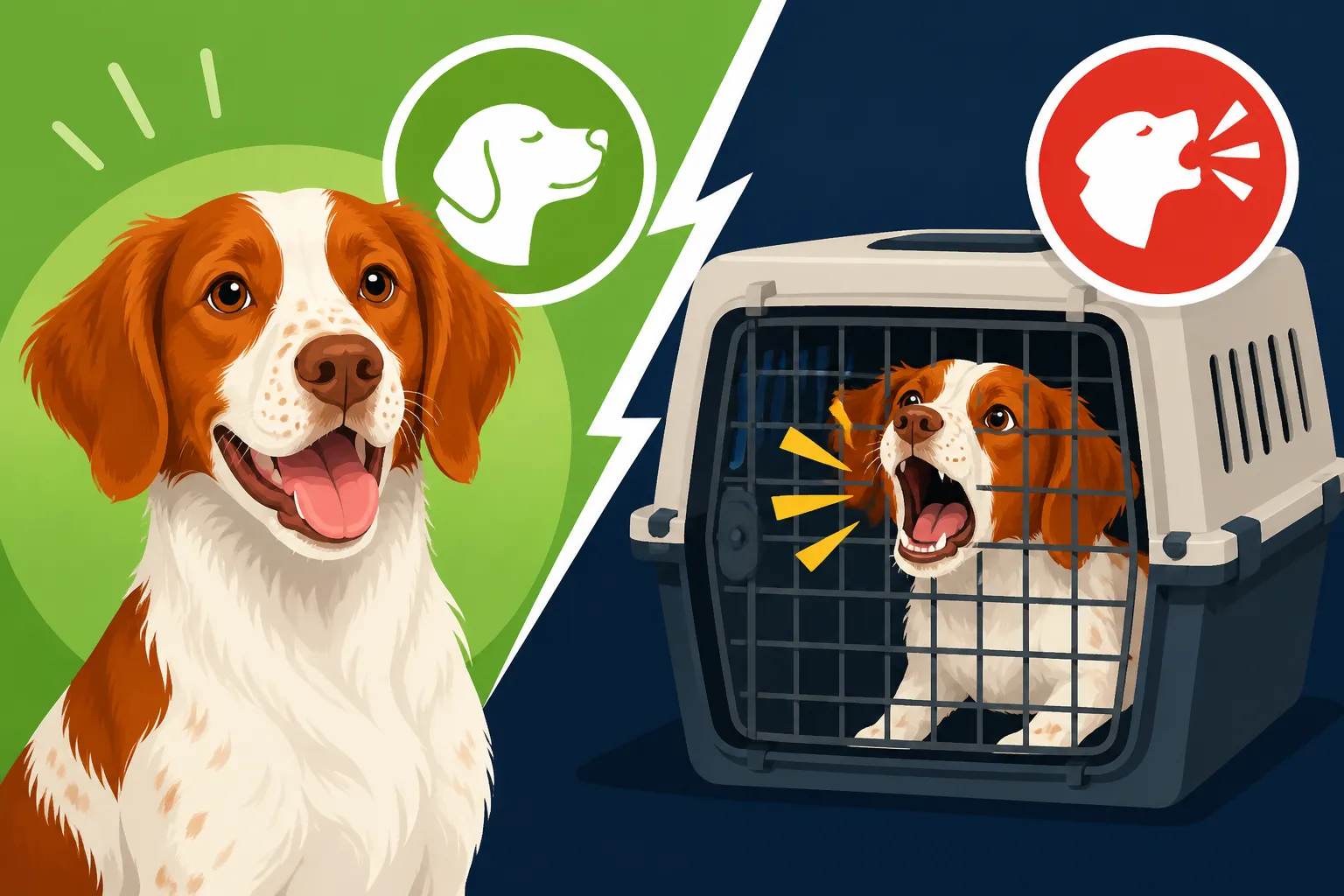
Whether a Brittany Is Noisy in a Dog Box
One of the trickiest parts of owning a highly intelligent and energetic Brittany is managing their boundless enthusiasm, especially when it comes to containing them. Many Brittany owners, particularly those who travel for hunts or field trials, quickly discover that a dog box, while essential for safety and transport, can sometimes become a source of incessant whining, barking, or even frantic scratching. It’s enough to make you dread every car ride or wonder if you’ll ever get a peaceful night's sleep when they're crated away from the bedroom. This comprehensive guide is here to shed light on why your Brittany might be noisy in their dog box and, more importantly, offer practical, empathetic strategies to cultivate a calm and quiet companion, whether you're at home or on the road.
Understanding Brittany Temperament and Energy Levels
Before we dive into why a Brittany might be noisy in a dog box, let's really get to grips with what makes these dogs tick. They aren't just pets; they're driven, intelligent, and highly sensitive athletes.
The Brittany's Inherent Drive and Sensitivity
Brittanys were bred for a purpose: to hunt birds tirelessly in the field. This means they come hardwired with immense energy, a keen prey drive, and an insatiable curiosity about their surroundings. They are always "on," processing sounds, smells, and sights, even when it seems like they're just lounging. This high level of awareness can sometimes translate into restlessness when confined. They hear everything, and their instinct is often to investigate or react.
Beyond their drive, Brittanys are known for being a "soft" breed. This doesn't mean they're weak, but rather that they are highly sensitive to their environment, your mood, and different training methods. The Brittany Is the Softest of the Pointing Breeds is a common phrase for a reason. A harsh word or an intimidating situation can stick with them, making them prone to anxiety if they associate the dog box with negative experiences. Their sensitivity means they thrive on positive reinforcement and consistency, which is absolutely crucial when teaching them to be calm in their crate. They really do read your mood, so if you're stressed about putting them in the box, they'll pick up on it.
The Need for Mental and Physical Stimulation
A Brittany isn't happy just being a couch potato, even if they sometimes enjoy a good cuddle after a long day. Their minds and bodies need constant engagement. If a Brittany isn't getting enough physical exercise – and by "enough," we mean substantial, heart-pumping runs or field work – they will have a massive amount of pent-up energy. This unspent energy doesn't just dissipate; it finds an outlet, and often, that outlet is disruptive behavior, especially when confined. Think of it: a dog box is a small space. If they're vibrating with unused energy, that energy has to go somewhere, and noise is a very common manifestation.
It’s not just about physical exertion, though. Brittanys are incredibly smart and need mental stimulation too. Solving puzzles, scent work, or consistent training sessions can burn just as much energy as a good run. If their minds are bored, they will become restless. What an Under Exercised Brittany Does at Home often includes pacing, destructive chewing, and yes, excessive vocalization, even in a crate. Without proper mental and physical outlets, the dog box becomes a frustration chamber rather than a comfortable den.
Common Reasons for Noise in a Dog Box
So, your Brittany is making a racket in their dog box. It's frustrating, I know. But understanding why they're doing it is the first step toward solving the problem. It's rarely out of spite; it's usually a communication of an unmet need or a learned behavior.
Anxiety and Stress
This is a big one for many dogs, and Brittanys, with their sensitive nature, are no exception. Anxiety can manifest in many ways, and vocalization is a primary one.
- Separation Anxiety: Your Brittany might genuinely panic when left alone, even if you're just in the next room. They've bonded closely with you, and being separated, especially when confined, can trigger a deep-seated fear of abandonment. This isn't just a whim; it's real distress. The whining, crying, and barking are often desperate calls for you to return. Whether a Brittany Gets Separation Anxiety is a real concern for many owners, and it can be exacerbated by crate confinement if not handled carefully.
- Fear of Confinement: Some dogs simply don't like being in small spaces. If their introduction to the dog box was rushed, negative, or they've had a bad experience, they might associate it with being trapped. This fear can lead to panic, which naturally results in noise.
- Unfamiliar Environments: A dog box often travels. If your Brittany is only crated for car rides to new places, the combined stress of travel, a new environment, and confinement can overwhelm them. This is especially true for young dogs or those not properly socialized to various sights and sounds.
Boredom and Unspent Energy
As we discussed, Brittanys have energy for days. If that energy isn't channeled appropriately, it will boil over, even in the most comfortable dog box.
- Lack of Pre-Crate Exercise: This is perhaps the most common culprit. If you simply put a Brittany into their dog box after they've been lounging around all day, they're going to be buzzing with energy. They haven't had the chance to run, explore, or just simply be a dog. Trying to make them settle when they haven't had a good workout is like asking a child to sit still in a classroom after a sugar rush and no recess.
- No Mental Stimulation: A dog box is a small space. If there's nothing to do, a smart breed like a Brittany will get bored quickly. They might start vocalizing simply because there's nothing else to occupy their keen minds. This can become a habit; they learn that making noise sometimes gets a reaction, even if it's just you telling them to be quiet.
- Insufficient Playtime: Brittanys love to play. If their day hasn't included engaging play with you or other dogs, they might try to initiate it through vocal cues when confined.
Attention-Seeking Behavior
Dogs are masters of observation, and they quickly learn what behaviors get a reaction from us.
- Reinforced Noise: If every time your Brittany whines or barks in the dog box, you immediately go to them, open the crate, or even just speak to them, you're inadvertently teaching them that noise gets your attention. Even negative attention (like scolding) is still attention, and for some dogs, that's enough to reinforce the behavior.
- Testing Boundaries: Sometimes, especially with young Brittanys, they're simply testing the waters. They'll try a whine, then a bark, then a howl, to see what works to get you to engage. Consistency is key here.
Physical Discomfort or Need
While less common as a persistent problem, acute vocalization can signal a physical issue.
- Potty Needs: A puppy or even an adult dog with a sudden upset stomach will certainly vocalize if they need to relieve themselves and can't hold it. Always rule out a potty need first, especially if the noise is sudden and insistent.
- Temperature: Is the dog box too hot or too cold? If it's in a drafty area or baking in the sun, your Brittany might be expressing discomfort.
- Injury or Illness: If your Brittany is usually quiet in their box and suddenly starts making noise, check for any signs of injury or illness. Perhaps they've got a grass awn irritating them, or they're feeling unwell. A dog cannot tell you directly, so vocalization is their way of communicating distress.
Strategies to Encourage Quiet in the Dog Box
Getting your Brittany to be quiet and content in their dog box requires patience, consistency, and a multi-faceted approach. It's not a quick fix, but with the right methods, it's absolutely achievable.
Proper Crate Training and Positive Association
The dog box should be a safe, positive place for your Brittany, their own personal den. This means training should always be positive and never used for punishment.
- Introduction is Key: Start slow. Place the dog box in a common area of your home, like the living room, where you spend a lot of time. Leave the door open and let your Brittany explore it on their own terms. Throw some high-value treats inside or a favorite toy. The goal is for them to associate the box with good things. You can find some fantastic resources on positive reinforcement training, like those offered by BAXTER & Bella, which focus on making learning enjoyable for both you and your dog.
- Short, Positive Sessions: Once they're comfortable going in, start with very short periods of confinement. Close the door for a few seconds, treat them, and then open it. Gradually increase the time. Stay in the room at first, then move out of sight for brief moments. This desensitization process is vital.
- Mealtime Magic: Feed your Brittany their meals inside the dog box. This creates a strong positive association with food and a comfortable, secure place.
- Comfy Bedding: Make the box comfortable. A soft bed or blanket, like a Kuranda bed or a thick pad, can make a huge difference. Imagine being asked to sleep on a hard surface every night – you wouldn't be happy either!
- Use a Cue Word: Introduce a cue word like "kennel" or "crate up." Always use a happy, calm tone. Reward them generously when they go in willingly.
Ensuring Adequate Exercise and Mental Engagement
This is perhaps the single most impactful strategy for a quiet Brittany. A tired dog is a good dog, and a mentally stimulated dog is a content dog.
- Before Confinement: Always give your Brittany plenty of exercise before asking them to settle in their dog box. This means a good run, a solid training session, or some invigorating field work. If you're heading out for a hunt, ensure they've had a chance to expend their initial burst of energy before crating them for travel. How Much Exercise a Brittany Needs Off Season is often more than new owners anticipate, and it becomes even more critical before crating.
- Mental Enrichment Toys: Provide safe, engaging toys for them in the dog box. Kongs filled with frozen peanut butter or cream cheese, puzzle toys where they have to work for treats (you can find many great options on Amazon), or durable chew toys can keep them occupied for significant periods. These mentally stimulating activities can help reduce boredom and redirect their focus away from vocalizing.
- Training Sessions: Regular, short training sessions throughout the day help tire out their minds. Even 10-15 minutes of focused obedience or trick training can make a big difference in their overall calmness. Consider learning more about How Long a Brittany's Training Session Should Be to maximize effectiveness without overdoing it.
Addressing Anxiety and Building Confidence
If anxiety is the root cause, direct intervention is necessary.
- Counter-Conditioning: Pair the dog box with extremely positive things. Give them their favorite chews only when they are in the box. Play calming music, or use a white noise machine to muffle external sounds that might trigger their anxiety.
- Desensitization to Absence: Gradually increase the time you are out of sight. Start with leaving the room for a minute, then two, then five, always returning before they start to panic or vocalize. This teaches them that you always come back.
- Consult a Professional: If anxiety is severe, don't hesitate to seek help from a certified professional dog trainer or a veterinary behaviorist. They can provide tailored strategies and, if necessary, discuss options like calming supplements or anti-anxiety medication.
Consistency and Ignoring Unwanted Noise
This is tough, but it's vital for breaking the cycle of attention-seeking noise.
- Ignore the Noise: If you've ruled out all physical needs (potty, discomfort, illness) and you know your Brittany has been exercised and stimulated, then you must ignore the noise. Any attention, positive or negative, reinforces the behavior. Turn your back, leave the room, put on headphones. Wait for a brief moment of silence – even just two seconds – before you approach the dog box. Then, calmly open the door and reward them for that moment of quiet.
- Be a Calm Leader: Dogs look to their owners for cues. If you're stressed or frustrated when crating them, they'll pick up on that energy. Approach the dog box calmly, confidently, and with a relaxed demeanor. Your calm energy can be infectious.
- Structured Schedule: Dogs thrive on routine. A consistent schedule for exercise, meals, potty breaks, and crate time helps them understand what to expect and reduces uncertainty, which can be a source of anxiety.
Troubleshooting Specific Noisy Behaviors
Different types of vocalization often indicate different underlying issues. Learning to distinguish them can help you tailor your response.
Whining and Crying
Whining and crying are often signs of distress, loneliness, or a desperate plea for attention or a perceived need.
- Distinguishing Need vs. Habit: If your Brittany starts whining or crying, the very first thing to do is determine if there's a legitimate need. Do they need to go potty? Are they too hot or cold? Is there an unexpected sound outside that's startling them? If you can rule out these immediate concerns, then it's likely either anxiety or attention-seeking.
- Addressing the "Need" First: If it's a potty break, take them out immediately to their designated spot. If they go, quietly praise them and then return them to the box. If they don't go, it's likely not a potty need.
- Comfort and Calming: For anxiety-driven whining, ensure the dog box is covered if it helps them feel more secure. A Thundershirt or a calming wrap can also be beneficial for some dogs. Playing soft classical music or having a fan for white noise can block out external triggers. Consider a product like Adaptil, which releases dog-appeasing pheromones, to help create a sense of calm. You could also explore different crate options available on Amazon, looking for one that feels more den-like and secure.
- Consistency with Ignoring: For attention-seeking whining, refer back to the "consistency and ignoring" strategy. It's incredibly difficult, especially with the heart-wrenching sound of a whining Brittany, but it's crucial for them to learn that quiet gets them what they want (your presence), not noise. Remember Whether a Brittany Whines in the Crate is a common problem, so you're not alone in facing it.
Barking and Howling
Barking and howling can be more assertive forms of communication, signaling boredom, frustration, alertness, or deeper anxiety.
- Boredom Barking: If your Brittany is barking incessantly in the dog box and you've already ensured they're well-exercised and have a stimulating toy, then it's likely boredom or frustration. This is where those puzzle toys or frozen Kongs come in handy. Make sure the toy is novel enough to capture their attention.
- Alert Barking: Brittanys are alert dogs. They might bark at sounds they hear outside – people walking by, other dogs, even squirrels. If this is the case, consider moving the dog box to a quieter location or covering it with a blanket to reduce visual and auditory stimuli.
- Anxiety Howling: A deep, mournful howl can often be a sign of separation anxiety or profound loneliness. This requires the same counter-conditioning and desensitization approaches as severe whining. Ensure their core needs are met, and they feel secure. This breed is quite How Affectionate a Brittany Is, so extended periods of isolation in a new environment can be particularly distressing.
Digging or Scratching at the Box
This destructive behavior usually points to frustration, a desire to escape, or deeply rooted anxiety.
- Frustration/Escape Attempt: If your Brittany is digging or scratching, they're likely trying to get out. This indicates that they see the dog box as a confinement tool rather than a safe haven. Revisit your positive crate training from the beginning. Make sure the door latch is secure and there are no gaps where they could potentially injure themselves.
- Anxiety-Driven Destructive Behavior: In severe cases of anxiety, dogs may resort to destructive behaviors to cope with stress. This could manifest as chewing the crate bars, excessive licking, or indeed, frantic digging. This level of anxiety often warrants professional help from a trainer or veterinary behaviorist.
- Ensuring Durability: Make sure your dog box is sturdy and appropriately sized for your Brittany. A flimsy wire crate might not hold up to a determined Brittany's attempts to escape, and a box that is too small will only increase their discomfort and frustration. While it might sound extreme, some Brittanys are strong enough to damage even heavy-duty crates if their anxiety or desire to escape is severe.
| Noisy Behavior | Possible Causes | Solutions |
|---|---|---|
| Whining & Crying | Potty need, separation anxiety, loneliness, attention-seeking, discomfort | Potty break first, then ignore. Positive association, calming aids, desensitization to absence. |
| Barking & Howling | Boredom, frustration, alerting, anxiety | Mental enrichment toys, pre-crate exercise, block external stimuli, calming music, professional help for severe anxiety. |
| Digging & Scratching | Frustration, escape attempt, severe anxiety | Revisit positive crate training, secure/sturdy crate, professional help for severe anxiety, safe chew toys. |
| Pacing & Restlessness | Unspent energy, lack of stimulation, mild anxiety | Ample pre-crate exercise (physical and mental), puzzle toys, consistent routine. |
Disclaimer
This article is for general informational purposes only and does not constitute professional advice. Laws, prices and regulations vary by location and change over time. Consult a qualified professional for guidance on your specific situation.