Whether a Brittany Rides Well in a Truck
Many Brittany owners worry about how their high-energy, easily excitable companions will handle truck rides, especially when those trips lead to exciting places like the hunting field or hiking trails. It's a common concern: will your Brittany be a calm co-pilot, or will they turn your truck into a vibrating, whining chaos machine? This guide will walk you through managing your Brittany's temperament for truck travel, ensuring safety, and making every journey a more enjoyable experience for both of you.
The Brittany's Natural Inclination Towards Truck Travel
Brittanys are, by nature, eager, intelligent, and brimming with energy. This can make them fantastic travel companions once properly introduced to the concept of riding in a vehicle, but it also presents unique challenges. Their enthusiasm for adventure means they often associate the truck with the exciting destination, sometimes leading to over-the-top excitement before you even leave the driveway.
High Energy and Curiosity: A Double-Edged Sword
Your Brittany's boundless energy and keen sense of smell mean they're often very aware of their surroundings, even from inside a moving vehicle. This curiosity can be a blessing, keeping them engaged and preventing boredom, but it can also be a curse. Imagine a young Brittany seeing a squirrel dart across the road, or catching the scent of a pheasant field just around the bend. That innate prey drive and desire to explore can suddenly transform your quiet passenger into a vocal, restless bundle of anticipation. We're talking about a dog that loves to run and find birds, so every new smell or sight can amp them up. This is a breed that was truly bred to be active, so expecting them to just lie down and sleep for an hour-long drive without any prior conditioning or understanding of expectations is often unrealistic. It’s part of their charm, but it requires mindful management.
Early Experiences Shape Future Rides
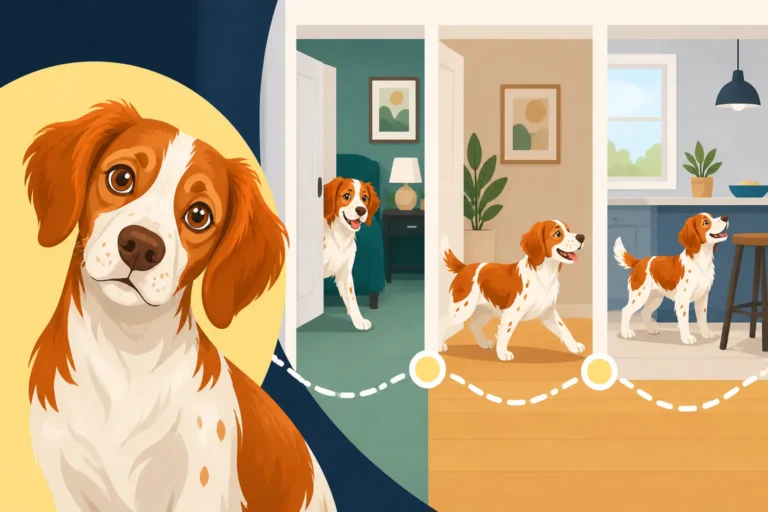
Just like with anything else in a Brittany's life, early and consistent exposure is key to developing good truck manners. A puppy that's only ever crammed into a tight space for stressful vet visits is likely to develop negative associations with the truck. Conversely, a pup introduced to short, pleasant rides that lead to fun places – like the park for a quick romp or a friend's house for playtime – will often view the truck as a gateway to adventure. Think of it as building a positive mental bridge between the truck and happy experiences. If your Brittany's first few rides involve a lot of excitement and perhaps a bit too much freedom to bounce around, they might learn that truck rides are an extension of playtime, rather than a calm transition to an activity. This is why many experienced Brittany owners start with gentle, short trips to neutral or positive destinations from a very young age. This foundation can truly make a difference in Whether a Brittany Rides Well in a Truck throughout its life.
Essential Gear for Safe and Comfortable Truck Journeys
Ensuring your Brittany's safety and comfort in the truck isn't just about good manners; it's about responsible pet ownership. A loose dog can become a projectile in an accident, or a dangerous distraction. Plus, a comfortable dog is a calm dog, making for a much more pleasant ride for everyone involved.
The Importance of Secure Restraints
Choosing the right restraint for your Brittany is paramount. You have a few solid options, each with its pros and cons. The goal is to keep your dog safely contained and prevent them from interfering with your driving.
| Restraint Type | Pros | Cons | Best Use Case |
|---|---|---|---|
| Crate/Kennel | Excellent safety in accidents, prevents distractions. | Can be bulky, requires space, some dogs resist initially. | Longer trips, high-energy dogs, multiple dogs. |
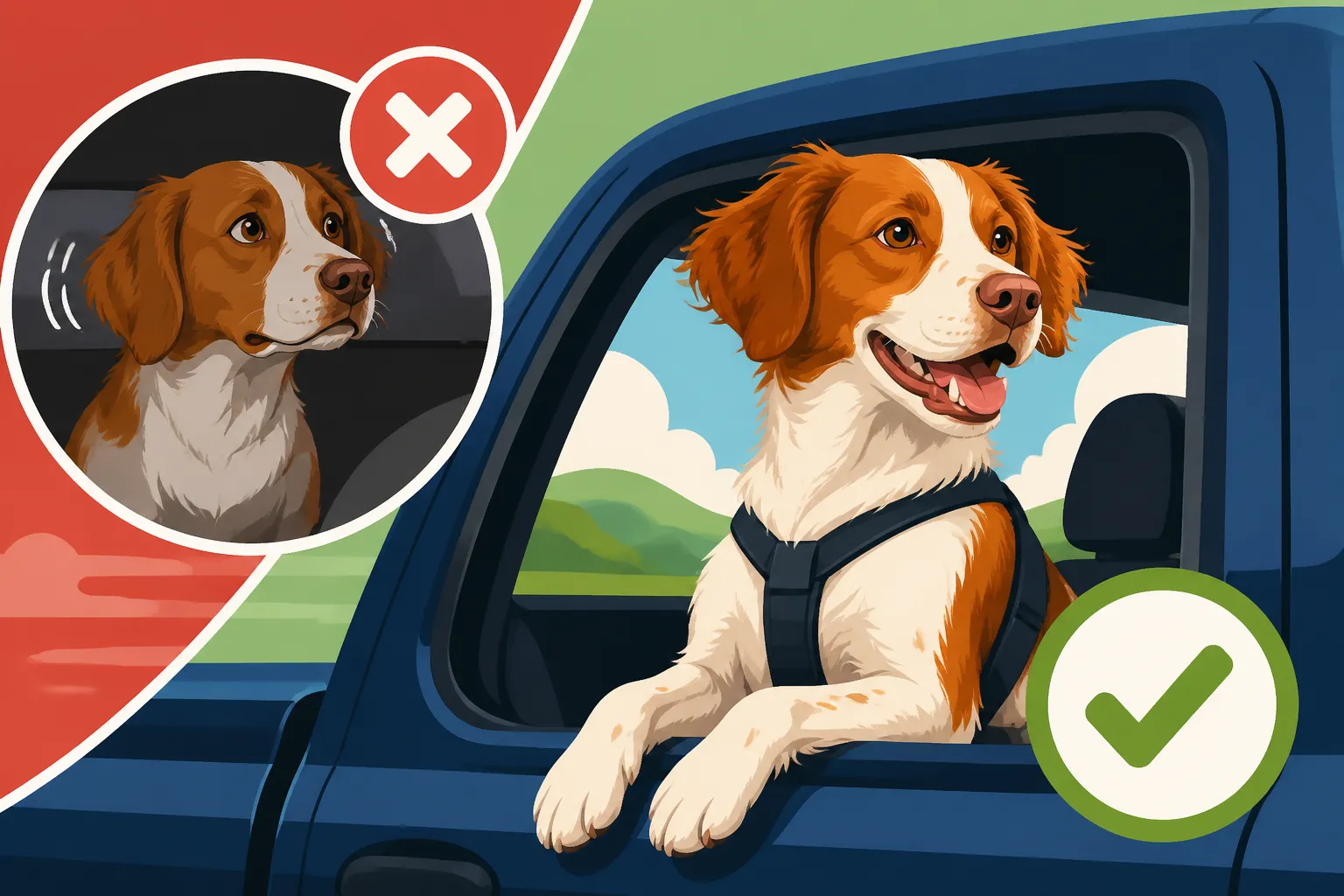
| Crash-Tested Harness | Allows dog to sit/lie down, better view, less bulky. | Must be truly crash-tested; not all are. | Shorter trips, dogs that prefer visibility, smaller trucks. |
| Seatbelt Attachment | Simple, cost-effective, keeps dog in place. | Varies widely in safety; can tangle. | Very short trips, calm dogs, backup option. |
For many Brittany owners, a sturdy dog box or kennel is the gold standard, especially for hunting dogs. It keeps them safe, protects the truck interior from muddy paws, and provides a den-like space where they can feel secure. You can find excellent travel crates on platforms like Amazon, but always prioritize crash-tested options if possible. Remember, What a Dog Box or Crate Costs a Brittany Owner can vary, but it's an investment in safety. Some Brittanys might whine initially in a crate, but consistent, positive exposure helps alleviate this. Whether a Brittany Whines in the Crate often depends on training and comfort level.
Creating a Comfortable Environment
Beyond just safety, think about making the truck ride genuinely comfortable for your Brittany. Proper ventilation is critical, especially in warmer weather or if your Brittany tends to get stressed. Even on a cool day, a truck can heat up quickly, becoming dangerous in minutes. Air conditioning or open windows (with window screens if your Brittany is prone to jumping or trying to stick their whole head out) are essential.
Padding in their crate or a comfortable mat on the seat can make a huge difference, particularly for longer journeys. A familiar blanket or toy can provide comfort and a sense of routine. Imagine being stuck in a hard, unfamiliar space for hours – a little cushion goes a long way. This is particularly important for older Brittanys or those with joint issues, as The Age a Brittany Gets Arthritis means they might need extra cushioning.
Travel Essentials for Any Trip
Don't forget the basics! Always have water readily available. A spill-proof travel bowl is a lifesaver, especially if you're making stops or if your Brittany gets anxious and pants a lot. Collapsible bowls are fantastic and easily found on Amazon. Pack a leash and collar, a small first-aid kit for minor scrapes or cuts (especially if you're headed to the field), and some waste bags. For longer trips, consider bringing a small bag of their regular food to prevent stomach upset from sudden diet changes. Treats are also invaluable for positive reinforcement during training sessions or to reward calm behavior on the road.
Training Your Brittany for a Smooth Truck Ride
Getting your Brittany to be a good traveler isn't always something that happens naturally. For many, it's a process of patient, consistent training, building positive associations, and addressing potential anxieties.
Gradual Introduction and Positive Reinforcement
The key to success often lies in starting small and building up. Don't just throw your Brittany into the truck for a multi-hour road trip. Instead, introduce them to the truck gradually.
- Stationary Introduction: Start by simply letting your Brittany explore the truck while it's parked. Let them sniff around, jump in and out, and get used to the smells and sounds. Offer high-value treats and praise for calm behavior inside the vehicle.
- Short, Positive Rides: Once they're comfortable with the stationary truck, begin with very short trips. A quick loop around the block, a drive to the mailbox, or a trip to a nearby park are perfect. The destination should always be positive and fun. This reinforces the idea that the truck leads to good things, not just stressful events.
- Increase Duration: Gradually increase the length of your trips as your Brittany becomes more confident and relaxed. Always end on a positive note, perhaps with a walk or some playtime.
- Practice Calmness: Encourage your Brittany to settle down. Use a "place" command or teach them to relax in their crate in the truck, even when it's just parked. Reward periods of quiet, relaxed behavior. Companies like BAXTER & Bella offer excellent online resources and guides that can help structure these early training sessions, focusing on positive reinforcement techniques perfect for a sensitive breed like the Brittany. Remember, How Long a Brittany's Training Session Should Be should always be short and positive, especially in the beginning.
Addressing Excitement and Anxiety
It's common for Brittanys to get overly excited or anxious about truck rides. Their high drive and intelligence can sometimes manifest as a frantic eagerness.
- Pre-Trip Exercise: Before a long trip, give your Brittany plenty of exercise. A good run or a vigorous play session can burn off excess energy, making them more likely to relax and even sleep during the drive. A tired Brittany is often a calm Brittany.
- Calming Aids: For some Brittanys, especially those prone to anxiety, calming aids can be beneficial. These might include pheromone sprays for their crate, calming chews, or even a thundershirt. Always consult your vet before introducing any supplements or medications.
- Consistency is Key: Routines help. If every truck ride involves the same preparation – a potty break, a chew toy in the crate, a familiar blanket – your Brittany will learn to anticipate the routine and settle more easily.
If your Brittany exhibits signs of severe anxiety, such as excessive drooling, trembling, persistent whining, or destructive behavior, it's important to rule out underlying medical issues with your veterinarian.
Tackling Car Sickness Head-On
Car sickness is unfortunately common in some dogs, particularly puppies and young Brittanys. It's truly miserable for both of you. Signs can range from excessive drooling and lethargy to vomiting.
- Face Forward: Often, car sickness is exacerbated by motion sickness. Having your Brittany face forward or be in a position where they can't see out the side windows as much (like in a covered crate) can help.
- Fresh Air: Good ventilation is crucial. Keeping the air fresh and cool can prevent nausea.
- Empty Stomach (or nearly): Avoid feeding your Brittany a large meal right before a car ride. A light snack a few hours before or an empty stomach is often best.
- Gradual Exposure (again!): Just like with general truck comfort, start with very short trips. Gradually increase the duration as your Brittany acclimatizes. The more positive, short trips they have without getting sick, the better their association will be.
- Vet Consultation: If car sickness persists, your vet can recommend anti-nausea medications or other solutions. Don't let your Brittany suffer in silence; Whether a Brittany Gets Carsick is a real problem, and there are ways to help.
Troubleshooting Common Truck Travel Challenges
Even with the best preparation and training, Brittanys can sometimes present a few challenges on the road. Knowing how to handle these common issues can save you a lot of headaches and keep everyone safe.
Dealing with Whining and Barking
A Brittany's enthusiasm often translates into noise. Whining or barking in the truck, especially if they're in a crate or behind a barrier, can be incredibly distracting and frustrating.
- Ignore Attention-Seeking: If the whining is clearly for attention, the hardest but most effective strategy is often to ignore it. Respond only when there's a moment of quiet, even a second, to reinforce that quiet behavior gets your attention.
- Rule Out Needs: First, ensure their needs are met. Do they need a potty break? Are they too hot or cold? Are they thirsty? A full bladder or an uncomfortable temperature will certainly make them vocal.
- Provide Distraction: A long-lasting chew toy or a food puzzle can keep their minds occupied and mouths busy. This can be particularly effective when you first get going or during a quiet stretch of road.
- Crate Conditioning: If your Brittany is vocal in their crate, revisit crate conditioning at home. Make the crate a positive, calm space. Feed meals in it, offer special treats, and never use it for punishment. Whether a Brittany Is Noisy in a Dog Box often comes down to how well they're conditioned to that space.
Preventing and Managing Escape Attempts
Brittanys are agile and clever, and a determined Brittany can sometimes find a way out of what seems like a secure setup. This is a serious safety concern.
- Secure Latches and Zippers: Always double-check crate latches and ensure any zippers on soft crates are fully closed and secured. Some resourceful Brittanys can figure out how to manipulate these.
- Solid Construction: Invest in a high-quality, solid crate. Wire crates can sometimes be bent or broken by a strong, anxious dog. Plastic or aluminum crates are generally more secure for determined escape artists.
- Crate Training for Confinement: Ensure your Brittany is comfortable with confinement, not just a casual occupant. This goes back to making the crate a safe, positive space. A dog that panics in a crate is more likely to try and break out.
- Never Leave Unattended in Open Truck Bed: This should go without saying, but never, ever leave a Brittany (or any dog) unrestrained or unsecured in the open bed of a truck. The risk of them jumping out, being thrown out, or being hit by debris is immense. Even a dog box should be secured to prevent sliding or tipping.
Handling Longer Journeys and Multiple Dogs
Longer road trips or traveling with more than one Brittany require extra planning and patience.
- Frequent Breaks: Just like humans, dogs need breaks on long journeys. Plan for stops every 2-3 hours for potty breaks, a stretch of the legs, and some fresh water. Always leash your Brittany before opening the door or crate.
- Dividing Space: If you have multiple Brittanys, ensure they each have enough space and aren't cramped. Some dogs do better with individual crates; others might be fine sharing a larger crate if they get along very well. Observe their dynamics closely.
- Temperature Management: During long stops, remember the temperature inside your vehicle. Even with windows cracked, a parked car can become dangerously hot or cold very quickly. Never leave your Brittanys unattended in extreme temperatures.
- Familiar Items: Bring plenty of familiar bedding, toys, and chew items to keep everyone comfortable and minimize stress over extended periods in the truck.
- Vet Records: For very long trips or travel across state lines, carry a copy of your Brittany's vaccination records, especially their rabies certificate.
Ultimately, turning your Brittany into a great truck traveler is an ongoing effort that pays dividends. With patience, the right gear, and consistent positive reinforcement, you can make every journey a joy, whether it's a short hop to the dog park or an epic adventure to a new hunting ground.
Disclaimer
This article is for general informational purposes only and does not constitute professional advice. Laws, prices and regulations vary by location and change over time. Consult a qualified professional for guidance on your specific situation.