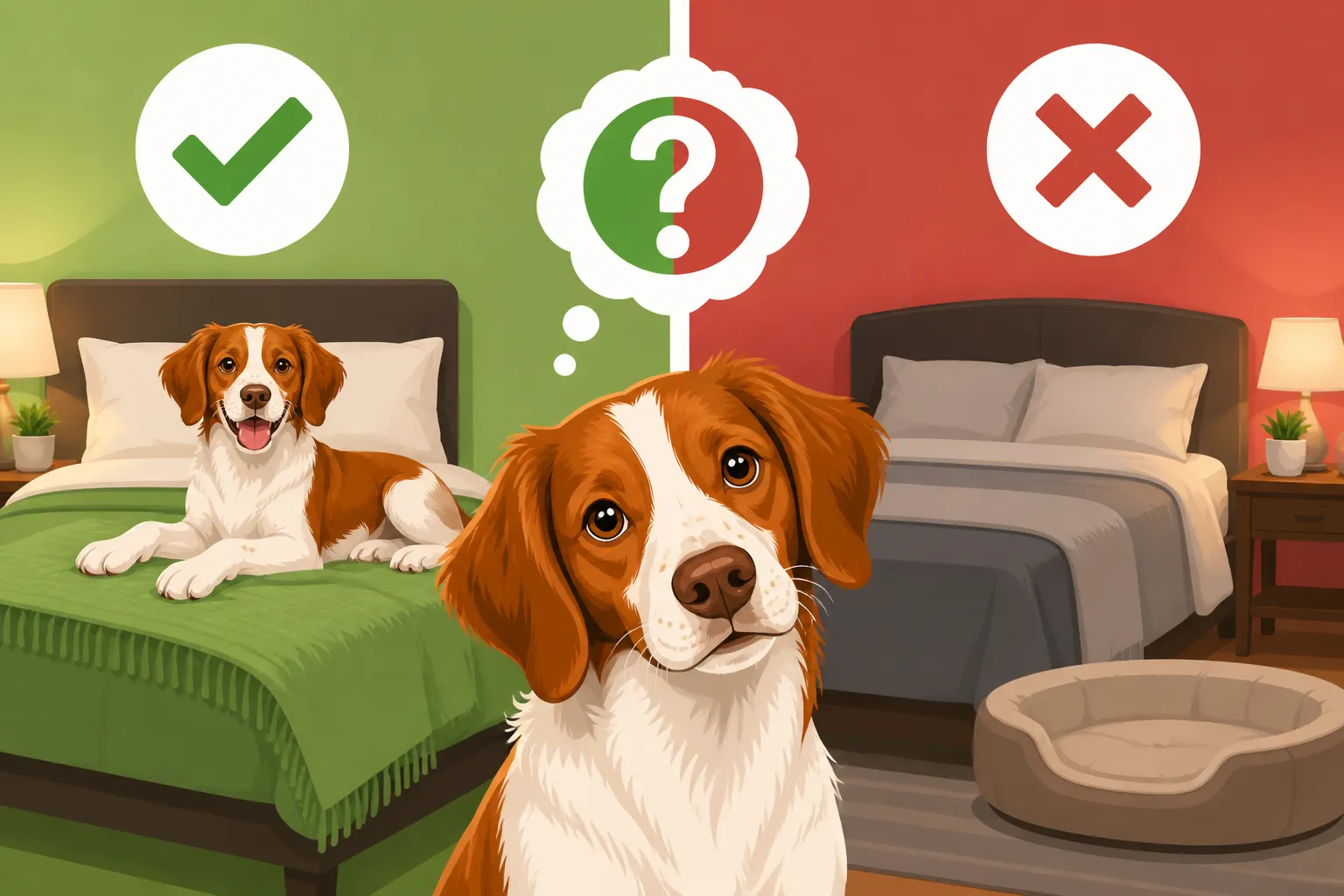
Whether a Brittany Sleeps on the Bed
It's a familiar scene for many Brittany owners: you settle into bed, get comfortable, and then there's that soft nudge, the hopeful gaze, the quiet whine, or maybe even a stealthy leap before you can react. Brittanys are incredibly affectionate dogs, and the question of whether they're allowed on the bed is a common dilemma, often leading to a tug-of-war between our desire for a good night's sleep and their undeniable charm. This guide will explore why your Brittany might be so drawn to your bed, the benefits and challenges of bed-sharing, and practical strategies to help your furry friend understand where their sleeping spot truly is, whether that's right beside you or in their own cozy haven.
The Lure of the Brittany Bed Warmer
Let's be honest, few things are as comforting as a warm, soft dog curled up beside you. For a Brittany, that feeling is magnified, and their desire to share your bed isn't just about comfort; it's deeply rooted in their nature. These dogs are social, intelligent, and form incredibly strong bonds with their human families.
Why Brittanys Crave Proximity
Brittanys are known for their loving and attentive personalities. They thrive on companionship and often prefer to be wherever their people are. This isn't unique to Brittanys, but it's certainly a pronounced trait in the breed. Think about it: during the day, your Brittany probably follows you from room to room, settling at your feet or right beside you on the couch. It's their way of staying connected to their "pack." At night, the bed becomes the ultimate gathering spot. It’s where you spend a significant amount of time, often at your most relaxed and vulnerable, and they want to be part of that closeness. For them, it's not just a place to sleep; it's an extension of their social world.
Their desire for proximity often means they're very tuned into your emotions and activities. If you're stressed, they might try to be closer; if you're happy, they're right there to share in it. This makes it hard to say no to that hopeful glance at bedtime! We often talk about Whether a Brittany Is Clingy Like a Vizsla or How Affectionate a Brittany Is, and this bed-seeking behavior is a direct manifestation of that deep bond. They see you as their leader and companion, and sleeping near you reinforces that connection, making them feel secure and loved.
Comfort and Security in the Big Bed
Beyond the social aspect, your bed offers undeniable physical comfort. While you might invest in a plush dog bed for your Brittany, it's often hard to compete with the vast, soft expanse of your own mattress, especially if you have luxurious bedding. For a dog that spends hours running and working in the field, a truly comfortable resting spot is highly appealing.
Imagine spending your days on hard ground, in varied cover, then coming home to a soft, elevated surface that smells exactly like your favorite person. It's a natural magnet! If your Brittany has spent time in a crate or on a less-than-ideal dog bed, the sheer luxury of your human bed can be irresistible. This isn't a sign of them being spoiled, but rather a testament to their instinct to seek out the most comfortable and safe resting place available. It's also a place where they feel protected; being elevated and close to you can make them feel more secure, especially if they are still young or prone to anxiety. For some, it's just the best spot in the house, plain and simple.
Establishing Boundaries: Bed or Crate?
The decision of whether your Brittany sleeps on the bed is a personal one, and there's no single right answer for everyone. What's crucial, however, is establishing clear boundaries and being consistent with your chosen approach. Without clear rules, your Brittany will naturally gravitate towards what they perceive as the most desirable spot, which often means your bed!
The Pros and Cons of Bed Sharing
Let's weigh the options, because allowing your Brittany on the bed comes with both joys and challenges.
Pros:
- Enhanced Bonding: For many owners, sharing a bed deepens the bond with their Brittany. The physical closeness can be incredibly comforting for both human and dog, fostering a sense of security and intimacy.
- Warmth and Comfort: There's no denying the cozy factor. A warm dog can be a comforting presence, especially on a chilly night. For the Brittany, it's the ultimate soft spot, providing maximum relaxation after a long day of play or training.
- Reduced Separation Anxiety: For Brittanys prone to separation anxiety, sleeping with their owner can provide reassurance and help them feel less alone. This can lead to a more restful night for everyone, reducing nighttime whining or destructive behaviors.
- Early Alert System: While not ideal, some owners appreciate their dog's presence as an early warning system for strange noises or intruders.
Cons:
- Sleep Disruption: This is a big one for many people. Brittanys can twitch, snore, stretch, hog the covers, or simply take up too much space. Their movements can interrupt your sleep cycle, leading to fatigue.
- Hygiene Concerns: Brittanys are active dogs, often bringing in dirt, dander, and allergens from outside, especially if they've been in the field. Even the cleanest house dog can shed, track in dust, or carry fleas/ticks, leading to a less-than-sanitary sleeping environment.
- Training Consistency: If you're trying to teach your Brittany to have their own designated space, allowing them on the bed can create confusion. Consistency is paramount in dog training, and mixed signals can slow progress.
- Resource Guarding: While less common with the generally soft and biddable Brittany, some dogs might start to view the bed as their territory, potentially leading to growling or snapping if you try to move them or if another person/pet approaches. This isn't usually an issue if you've established yourself as the leader, but it's something to be aware of.
- Space Limitations: A Brittany, while not a giant breed, isn't tiny either. For single sleepers, it might be manageable, but for couples, adding a Brittany to the mix can quickly make a queen or even a king-sized bed feel cramped.
Consider your lifestyle, your sleep needs, and your Brittany's individual personality. If you find your sleep constantly interrupted, or if hygiene is a major concern, it might be time to establish a no-bed rule.
Training for Their Own Space
If you decide that your bed is off-limits, or if you simply want your Brittany to have its own comfortable spot, training is key. Brittanys are intelligent and eager to please, making them generally responsive to consistent positive reinforcement.
The first step is to choose a dedicated sleeping area for your Brittany. This could be a crate, a dog bed in your bedroom, or even a dog bed in another quiet part of the house. Make this space as appealing as possible. For instance, you could choose a durable, comfortable dog bed from Amazon that's appropriate for their size and sleeping style.
Start by introducing them to their new sleeping spot during the day, associating it with positive experiences. Toss treats onto it, praise them when they lie down there, and offer their favorite chew toys. You want them to view their bed as a sanctuary, not a punishment. The BAXTER & Bella online puppy school, for example, often provides excellent resources and step-by-step guides on crate training and teaching a "place" command, which can be invaluable here.
Consistency is your best friend. Every time your Brittany attempts to get on your bed, gently but firmly redirect them to their own spot. Use a consistent command like "off" or "place." When they go to their designated area, reward them with praise or a small treat. It might take several nights, or even weeks, especially if they're used to sleeping with you. You might find that your Brittany is very sensitive to correction, so keep your tone gentle but firm. Whether a Brittany Settles Indoors depends a lot on having a consistent routine and a clear understanding of boundaries. If you're struggling, remember that How Long a Brittany's Training Session Should Be is usually short, so apply that principle to bedtime training – short, positive, and consistent redirections rather than long, drawn-out battles.
Practical Steps for a Restful Night
Once you've decided where your Brittany will sleep, the next step is to put a solid plan into action. This isn't just about saying "no" to the bed; it's about proactively creating an appealing alternative and reinforcing good habits.
Creating an Irresistible Dog Bed Zone
To encourage your Brittany to embrace their own sleeping arrangements, you need to make that space undeniably appealing.
- Choose the Right Bed: This is paramount. A small, flimsy pad won't cut it for an active Brittany. Look for a dog bed that provides ample support for their joints, is large enough for them to stretch out comfortably, and has a removable, washable cover. Some Brittanys love nesting, so a bolster bed might be a hit, while others prefer a flat, open mat. You can find excellent options on Amazon, tailored to various sizes and preferences.
- Strategic Placement: Where you put the bed matters. If you want your Brittany to sleep in your room but not on your bed, place their bed close to yours. This allows them to still feel part of the pack and hear your breathing, which can be very comforting. If you prefer them to sleep outside your room, choose a quiet, draft-free spot where they won't feel isolated.
- Scent and Comfort: Make their bed smell like home. Place a blanket or an old t-shirt with your scent on it in their bed. Add a favorite toy or two. These familiar smells and items will make the space more inviting and secure.
- Positive Association: Before bedtime, spend some time with your Brittany in their designated sleeping area. Give them a Kong filled with peanut butter, offer a long-lasting chew, or simply pet them while they're lying on their bed. This builds positive associations with their space.
Consistency is Key
This is where the rubber meets the road. All the preparation in the world won't work without unwavering consistency.
- Establish a Routine: Dogs thrive on routine. Create a consistent bedtime ritual. This might include a final potty break, a quiet chew in their bed, and then lights out. Stick to this routine every single night, even on weekends or when traveling.
- Gentle Redirection: If your Brittany jumps on your bed, immediately and calmly say "off" and guide them back to their own bed. Do not yell or get angry. If they resist, lure them with a treat to their bed. Once they're in their bed, praise them calmly. Avoid making a big fuss, as even negative attention can be rewarding.
- Ignore Unwanted Behaviors: Brittanys are smart and will quickly learn what gets your attention. If they whine, paw at your bed, or try to sneak on after you've put them in their spot, ignore it. As long as you know they've been out to potty and are safe, don't engage. Any response, even "no," can reinforce the behavior. This phase can be tough, but it's crucial. Remember, Whether a Brittany Forgives a Mistake refers to your mistakes in training; they'll get over being told "off" if you're consistent and kind.
- Reinforce "Place": If you've taught your Brittany a "place" command, use it at bedtime. Direct them to their bed and tell them "place." Reward them for staying there, especially when you're initially trying to get them settled for the night.
- Exercise is Essential: A tired Brittany is a well-behaved Brittany. Ensure your dog gets plenty of physical and mental exercise during the day. A Brittany that hasn't had enough activity is far more likely to be restless at night and seek out attention, including trying to get into your bed. Think about How Much Exercise a Brittany Needs Off Season and apply that same rigor to your daily routine.
| Feature | Sleeping on Your Bed | Sleeping in Dedicated Dog Bed/Crate |
|---|---|---|
| Bonding | Strong, constant physical closeness. | Can be strong; shared daytime activities reinforce bond. |
| Comfort for Dog | High, softest, warmest spot, close to owner. | High, if bed is chosen well; can be a personal sanctuary. |
| Human Sleep | Often disrupted by movement, snoring, space invasion. | Generally more restful; no dog-related disturbances. |
| Hygiene | Lower; more hair, dander, potential for dirt/pests directly on human bedding. | Higher; dog hair/dirt contained to their bed, easier to clean. |
| Training | Can send mixed signals about boundaries and "place" commands. | Reinforces boundaries, "place" command, and independent resting. |
| Space | Limited; can feel cramped, especially for couples or larger Brittanys. | Ample for humans; dog has its own defined space. |
| Independence | Can foster dependence; dog less likely to settle alone. | Fosters independence and ability to self-soothe in their own space. |
| Cost | Minimal additional cost, relies on existing human bedding. | Initial investment in a quality dog bed or crate. |
When to Make Exceptions (and When Not To)
Life with a Brittany isn't always black and white, and there might be times when you consider bending the rules about bed-sleeping. The key is to be intentional and understand the potential ramifications of those exceptions.
Special Circumstances
There are definitely moments when our hearts get the better of us, or when practical reasons make an exception seem necessary.
- Puppyhood: A new Brittany puppy might be overwhelmed and lonely in a new environment. Allowing them on the bed for a few nights while they adjust can help them feel safe and loved, though this should be a very short-term solution if you intend for them to sleep elsewhere long-term. Establishing a crate next to your bed can be a good compromise, providing closeness without full bed access.
- Illness or Injury: If your Brittany is sick or recovering from an injury, you might want them closer for monitoring and comfort. A sick dog feels vulnerable, and your presence can be a great source of reassurance. Again, be mindful that this can quickly become a habit.
- Fearful Events: During severe thunderstorms or fireworks, some Brittanys become very anxious. Whether a Thunderstorm Phobic Brittany Will Hunt is a separate issue, but their fear can lead to destructive behavior or injury if left alone. In these instances, allowing them on the bed or close beside you can provide much-needed comfort and safety. This is a compassionate exception that most owners would make.
- Temporary Stays: If you're traveling or staying in an unfamiliar place, allowing your Brittany on the bed might be easier for a night or two to help them settle.
When you make these exceptions, try to ensure they are truly short-lived and communicate clearly (through your actions) that it's a temporary deviation from the norm. Upon returning to your regular routine or when the special circumstance passes, immediately revert to their designated sleeping area.
Maintaining Your Authority (Lovingly)
Regardless of whether your Brittany sleeps on the bed, it's vital that they understand it's your decision, not theirs. You invite them up; they don't demand it. This helps maintain a healthy human-dog relationship and prevents potential behavioral issues down the line.
If you choose to allow your Brittany on the bed, teach them an "up" command and an "off" command. They should come up when invited and get off immediately when asked. This reinforces that you control the space. Regularly practice this, even during the day. Sometimes, Brittanys are nicknamed "velcro dogs" for a reason – they love to be close! So, it’s about managing that desire respectfully.
It's also important to ensure your Brittany isn't guarding the bed. If they growl or become possessive when you or another family member approaches the bed, it's a sign that boundaries have blurred. While The Brittany Is the Softest of the Pointing Breeds and generally not prone to aggression, any dog can develop resource guarding if not properly managed. In such cases, it's best to revoke bed privileges entirely and work with a professional trainer to address the behavior. The goal is always a harmonious household where everyone, two-legged and four-legged, understands their place and feels secure.
Disclaimer
This article is for general informational purposes only and does not constitute professional advice. Laws, prices and regulations vary by location and change over time. Consult a qualified professional for guidance on your specific situation.