Whether a Rescue Brittany Can Be Started Late
It's a common worry among potential owners: "Is it too late to introduce an older rescue Brittany to bird dog training?" You might see all those adorable puppy photos of Brittanys naturally pointing and retrieving, and feel a pang of regret, thinking you've missed the boat if you're bringing an adult dog into your home. The truth is, while starting early certainly has its advantages, an older rescue Brittany can absolutely flourish in the field, often bringing a level of maturity and focus that a puppy simply hasn't developed yet. This guide will walk you through the realities, challenges, and incredible rewards of starting your seasoned rescue Brittany on the path to becoming a dedicated hunting companion.
The Unique Landscape of Training a Rescue Brittany
Bringing any rescue dog into your home comes with its own set of unknowns, but when you're looking to introduce them to a specific discipline like bird hunting, those unknowns can feel even more daunting. An older Brittany might come with baggage, or simply a blank slate regarding field work, which requires a different approach than raising a puppy from eight weeks.
Age Isn't Just a Number, It's Experience (or Lack Thereof)
The biggest myth we often cling to is that "you can't teach an old dog new tricks." Let me tell you, that's simply not true, especially for a breed as intelligent and eager to please as the Brittany. While a young puppy is a sponge, absorbing everything rapidly, an older dog often brings a more settled demeanor and a longer attention span to training sessions. They might not bounce back from corrections with the same youthful abandon, but they can be incredibly focused when they understand what's expected.
What is true is that an older dog's past experiences will color their learning. If they've had positive experiences with people, learning new commands can be a breeze because they already trust humans. If their past was less than ideal, you might need to spend more time building that trust and confidence before formal training can even begin. This isn't a setback; it's an investment in a deeper bond.
Sometimes, the lack of prior experience is actually a blessing. A rescue Brittany who has never seen a bird or heard a gun might be completely neutral, a blank canvas waiting for you to paint positive associations. This is often easier than trying to undo ingrained bad habits or rehabilitate a dog that has developed fears or aggressions due to improper past training or traumatic events. You'll find that the emotional maturity of an older dog means they often grasp the concept of "work" and "reward" with a deeper understanding than a playful, easily distracted pup.
Overcoming Past Habits and Unknown Histories
One of the most frustrating aspects of adopting a rescue is the mystery of their past. You might not know if they’ve been yelled at, if they’re sensitive to loud noises, or if they’ve ever had any exposure to birds. This blank slate can leave you feeling a bit in the dark, wondering where to even begin. For example, if your rescue Brittany cowers at loud noises, introducing them to a blank pistol for gun dog training is going to be a delicate dance, far removed from the excitement of a young, bold pup.
You might also encounter ingrained habits that need careful undoing. Perhaps they were allowed to chase anything and everything, making "whoa" a difficult concept. Or maybe they were an indoor-only dog and are overwhelmed by the sensory input of a large, open field. Patience, understanding, and consistent positive reinforcement are your greatest tools here. You can't scold away past trauma or simply wish away old habits. Instead, you'll need to slowly introduce new experiences in a controlled, positive manner, rewarding every small step toward your goal.
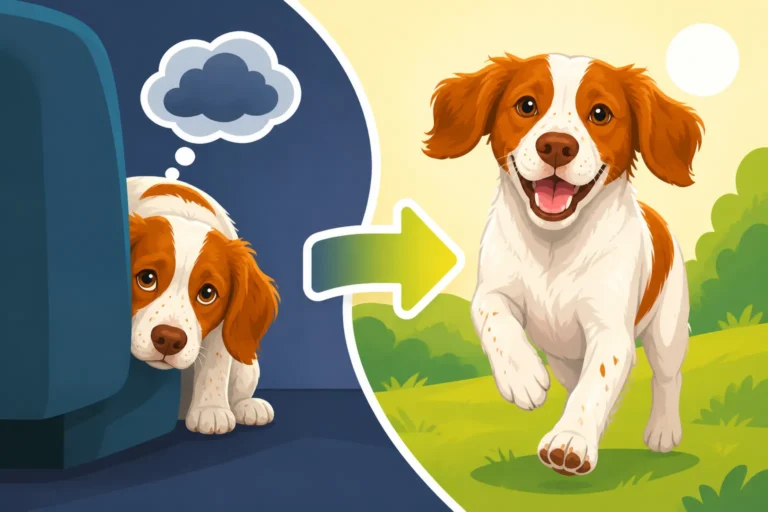
It's crucial to acknowledge that some rescue Brittanys come with pre-existing anxieties or fear responses. For instance, some might be wary of new people, other dogs, or even specific types of environments, like dense cover or open water. Before you can even think about "steady to wing and shot," you might need to spend weeks, or even months, helping your Brittany feel safe and confident in the world around them. This foundational work isn't wasted time; it's essential for creating a well-adjusted dog who can eventually thrive in the demanding world of bird hunting.
Assessing Your Rescue Brittany's Potential for Bird Work
Just because a dog is an older rescue doesn't mean their innate breed characteristics have vanished. Brittanys are, at their core, bird dogs, and those instincts usually run deep, regardless of their past. Your job is to gently uncover and nurture them.
Tapping into Natural Instincts: Point and Retrieve
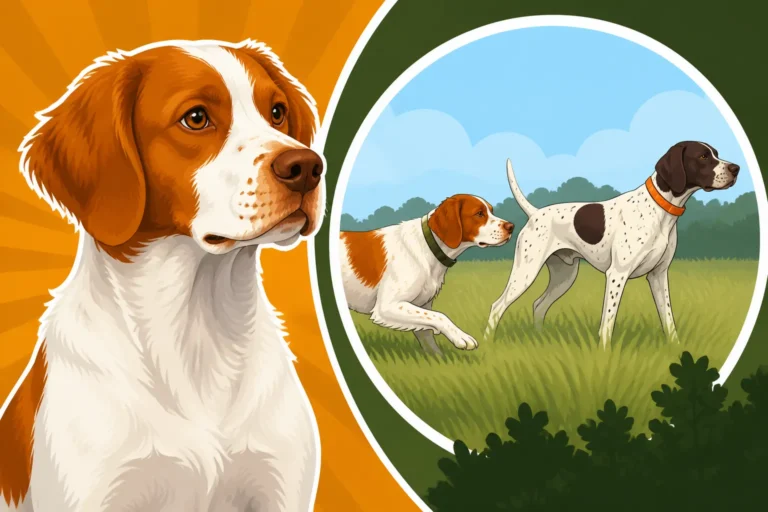
Brittanys are hardwired for bird work; it's in their DNA. Even if your rescue has spent its life on a couch, the sight, scent, or sound of a bird can awaken a dormant instinct. You might be surprised at how quickly an older dog "gets" it when those instincts kick in. To test this, you don't need to throw them into a full field trial. Start small. A wing on a string, a released pigeon in a controlled environment, or even just observing their reaction to songbirds in the yard can give you clues. Does their body language change? Do they lock up, nose twitching, tail rigid? That's your natural point showing itself.
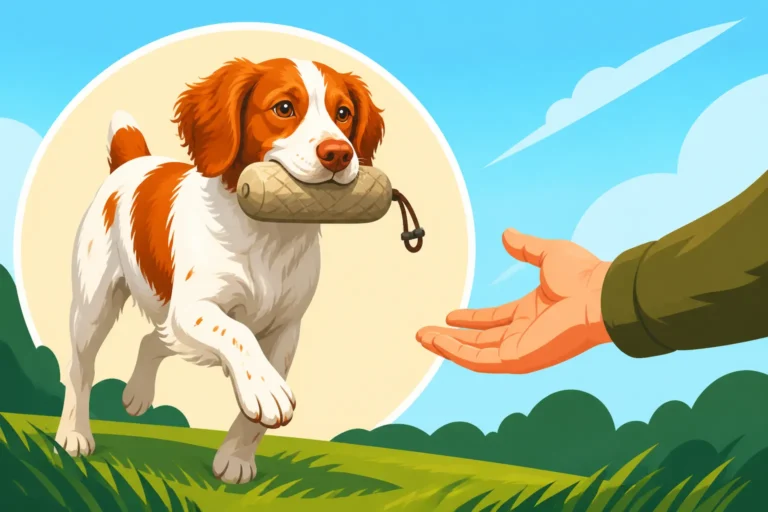
Retrieving can also be a strong natural instinct. Many Brittanys love to carry things around, even if they've never retrieved a bird. You can test this with a soft dummy or a bumper. Do they pick it up readily? Do they bring it back to you? Don't expect a perfect retrieve to hand right away, but look for the desire. That innate drive to find and bring back is what you're looking for. A strong bird drive—that intense desire to find and work birds—is the single most important factor. Without it, you're fighting an uphill battle, but with it, the possibilities are endless. If they show even a flicker of that prey drive and pointing instinct, you have a solid foundation to build upon.
Evaluating Temperament and Trainability
Brittanys are often described as "soft" dogs, meaning they are highly sensitive to correction and respond best to positive reinforcement. The Brittany Is the Softest of the Pointing Breeds This trait is even more pronounced in many rescue dogs who may have come from situations where they experienced harsh handling or neglect. Shouting or using heavy-handed training methods will likely shut down an older rescue Brittany, making them fearful and unwilling to engage. Instead, focus on building their confidence with praise, treats, and gentle guidance.
Gauge your Brittany's sensitivity by observing their reactions to your voice, body language, and minor corrections. Do they wilt under a firm "no"? Or do they shake it off and continue? Understanding this will help you tailor your approach to avoid causing anxiety or damaging their trust. A key to successful training, especially with a rescue, is building an unbreakable bond of trust. They need to know you are their advocate and leader, not someone to fear. Consistency in your commands and expectations, delivered with a calm and encouraging demeanor, will be crucial.
For general obedience and foundational skills, resources like BAXTER & Bella offer excellent online programs that emphasize positive reinforcement. These programs can be invaluable for establishing good household manners and building communication, which are vital precursors to any field work. Even if your ultimate goal is bird hunting, a well-mannered, responsive dog at home will be a more successful and happier partner in the field. Remember, patience is not just a virtue in dog training; it's a necessity, particularly when working with a dog whose past is a mystery. How Sensitive a Brittany Is to Correction
Tailoring Your Training Approach for an Older Rescue
Once you've assessed your rescue Brittany's instincts and temperament, it's time to craft a training plan that respects their age and past, while gently guiding them toward becoming a reliable hunting companion. This isn't a race, it's a journey of discovery and partnership.
Building a Foundation of Trust and Obedience
Before any bird work begins, you need to establish a rock-solid foundation of basic obedience. This is non-negotiable, not just for safety in the field, but for building a trusting relationship with your rescue. Commands like "sit," "stay," "come," and "heel" aren't just parlor tricks; they are lifelines. Imagine being in thick cover and needing your dog to stop instantly, or calling them back from a potentially dangerous situation. A reliable recall, for example, is absolutely paramount for a wide-ranging Brittany in the field.
Start with short, positive training sessions, maybe just 5-10 minutes a few times a day. Keep it fun and rewarding with high-value treats and enthusiastic praise. This prevents your dog from becoming overwhelmed or bored, and helps them associate training with positive experiences. How Long a Brittany's Training Session Should Be Even if your Brittany seems to know some commands, revisit them. Reinforce them in various environments, gradually increasing distractions. This ensures they'll perform consistently, even when the excitement of birds takes over. Think of it like this: if a dog can't "stay" for thirty seconds in your living room, they certainly won't "stay" on point in a field full of pheasants. Enrolling in a basic obedience class, even if your dog isn't a puppy, can be incredibly beneficial. Whether a Brittany Needs Puppy Class It provides a structured environment and strengthens the bond between you.
Gradual Introduction to Field Elements
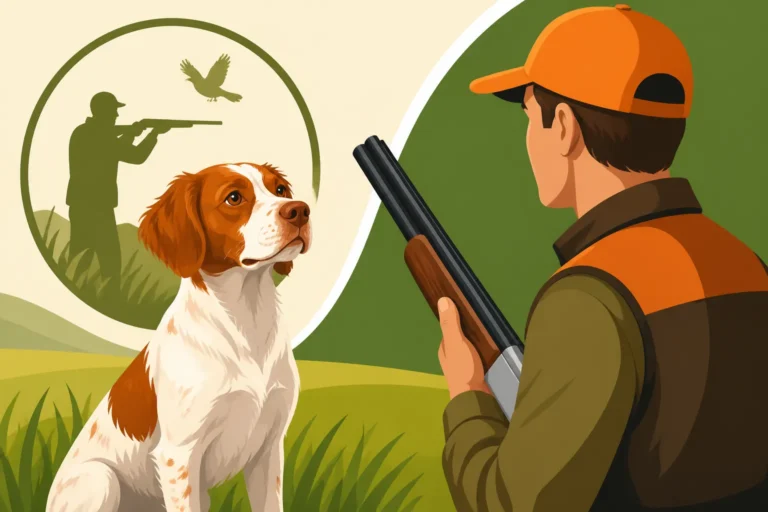
This is where you need to be particularly empathetic and observant with an older rescue. Their first exposure to new sounds, sights, and smells associated with hunting needs to be meticulously managed to avoid creating fear or anxiety. When introducing gun fire, start incredibly far away with a very low-caliber sound, like a starter pistol or even just a clap, paired with a high-value treat. Gradually decrease the distance and increase the sound intensity over weeks, or even months, ensuring every experience is positive. How to Introduce a Gun to a Brittany Look for any signs of fear, like cowering, shaking, or trying to escape, and if you see them, back off immediately and try a smaller step.
For control in the field, a long check cord is invaluable. It allows you to give them freedom to range and explore while maintaining a physical connection and the ability to gently guide or correct. E-collars can be useful tools for advanced training and safety, especially for a breed known for its wide range, but they must be introduced with extreme care and proper instruction. Whether a Brittany Needs an E Collar at All Misuse can quickly create a gun-shy or fearful dog. If you suspect your rescue has had negative experiences with loud noises, you might be facing the challenge of rebuilding a gun-shy Brittany, which requires immense patience and expert guidance. How to Rebuild a Gun Shy Brittany Start in quiet, familiar environments before moving to busy fields. Introducing training birds like pigeons or quail in a controlled pen allows your dog to experience the thrill of the hunt without overwhelming distractions. Every step should be a positive affirmation of their developing skills and confidence.
The Role of a Professional Trainer
While you can certainly accomplish a lot on your own, don't be afraid to seek professional help. Some rescue Brittanys come with deeply ingrained issues or fears that are simply beyond the scope of a novice owner. A professional trainer, particularly one experienced with bird dogs and sensitive rescue temperaments, can be an invaluable asset. They can identify subtle body language cues you might miss, troubleshoot problem behaviors, and guide you through the process of developing your dog's natural abilities safely and effectively.
A good trainer will not only work with your dog but will also teach you how to handle and continue the training at home. This mentorship can accelerate your dog's progress and deepen your understanding of gun dog work. Whether it's perfecting a steady point, developing a reliable retrieve, or addressing gun shyness, an expert's eye can make all the difference. Remember, many top-tier titles, even for dogs started young, often involve professional input. Whether a Brittany Needs a Pro to Reach a Title They can also recommend appropriate training equipment, from specialized whistles to training dummies, which you can often find readily available on platforms like Amazon. Investing in a few sessions or even a training program can save you countless hours of frustration and ensure your Brittany gets the best possible start, no matter their age.
Celebrating Success and Managing Expectations
Training an older rescue Brittany for bird work is a marathon, not a sprint. It's vital to adjust your expectations and celebrate every small victory along the way. Your journey might look different from someone who got a puppy from a proven field-line breeder, and that's perfectly okay.
Redefining "Finished" for Your Rescue Brittany
When we talk about a "finished" gun dog, it often conjures images of dogs with advanced titles, perfectly steady to wing and shot, retrieving to hand without a fault. While your rescue Brittany might achieve some of these feats, it's important to redefine what "finished" means for your dog. Perhaps for your rescue, "finished" means a dog that reliably finds birds, holds a respectful point, and retrieves enthusiastically even if they're not always rock-solid steady. The joy of a shared hunt, the thrill of watching your dog work a scent cone, and the satisfaction of finding a bird together are often more rewarding than any ribbon.
An older rescue might never compete in high-level field trials, and that's perfectly fine. Focus on developing a safe, enjoyable, and effective hunting companion. The goal should be to maximize their inherent abilities and create a partnership in the field. Some Brittanys take several seasons to truly come into their own, regardless of when they start. How Many Seasons Before a Brittany Is Finished Celebrate their progress, whether it's their first staunch point, their first retrieve of a real bird, or simply their willingness to go out and search with you. This journey is about building a bond and appreciating the unique dog you've brought into your life, not about comparing them to others.
Long-Term Commitment and Continued Learning
Training is never truly "finished," especially with a bird dog. Even a well-trained rescue Brittany will benefit from ongoing reinforcement, regular practice sessions, and continued exposure to different types of birds and cover. This long-term commitment helps maintain their skills, keeps them mentally engaged, and prevents bad habits from creeping back in. Just like an athlete, a gun dog needs to stay in shape, both physically and mentally, even in the off-season.
The journey of training an older rescue Brittany for bird hunting can be one of the most rewarding experiences you'll ever have. You're not just training a dog; you're rehabilitating a spirit, building trust, and unlocking potential that might have otherwise gone dormant. The deep bond you forge through shared experiences in the field, overcoming challenges together, is incredibly powerful. And as they age, a well-conditioned Brittany can still enjoy hunting for many years, even if their pace slows down a bit (see Whether an Aging Brittany Still Wants to Hunt). What started as a question mark—can this dog be a bird dog?—often evolves into a resounding "yes," proving that second chances truly can lead to incredible adventures.
| Aspect | Pros of Training a Late-Start Rescue Brittany | Cons of Training a Late-Start Rescue Brittany |
|---|---|---|
| Maturity & Focus | Often more settled, less easily distracted than puppies; can have longer attention spans. | May have established fears or anxieties that need careful desensitization. |
| Physical Condition | Adult dogs typically have fully developed bodies, reducing growth plate concerns. | Could have pre-existing injuries or conditions from unknown pasts. |
| Behavioral History | No bad habits developed from you, allowing for a fresh start with your methods. | Unknown history can mean unknown trauma (e.g., gun shyness, fear of people). |
| Patience Required | Can be incredibly grateful and eager to please, forming a deep bond quickly. | Remedial work might be necessary before foundational training can begin. |
| Learning Curve | Can learn new commands quickly if motivated and trust is established. | May take longer to adapt to new environments or specific training protocols. |
| Expectations | Allows for a focus on a strong, enjoyable hunting partnership over competition. | May not achieve the same competitive titles as a pup from proven lines. |
Disclaimer
This article is for general informational purposes only and does not constitute professional advice. Laws, prices and regulations vary by location and change over time. Consult a qualified professional for guidance on your specific situation.