Whether a Brittany Backs Another Dog
One of the most rewarding sights for any bird hunter is watching a brace of pointing dogs work together seamlessly, especially when one dog honors the point of another. For Brittany owners, there's often a burning question: will my Brittany back another dog, or will they try to steal the show every time? This guide dives deep into the instinct, training, and nuances of teaching your intelligent and eager Brittany to back with reliability, turning potential competition into harmonious teamwork in the field.
The Instinct of Backing: What It Means for a Brittany
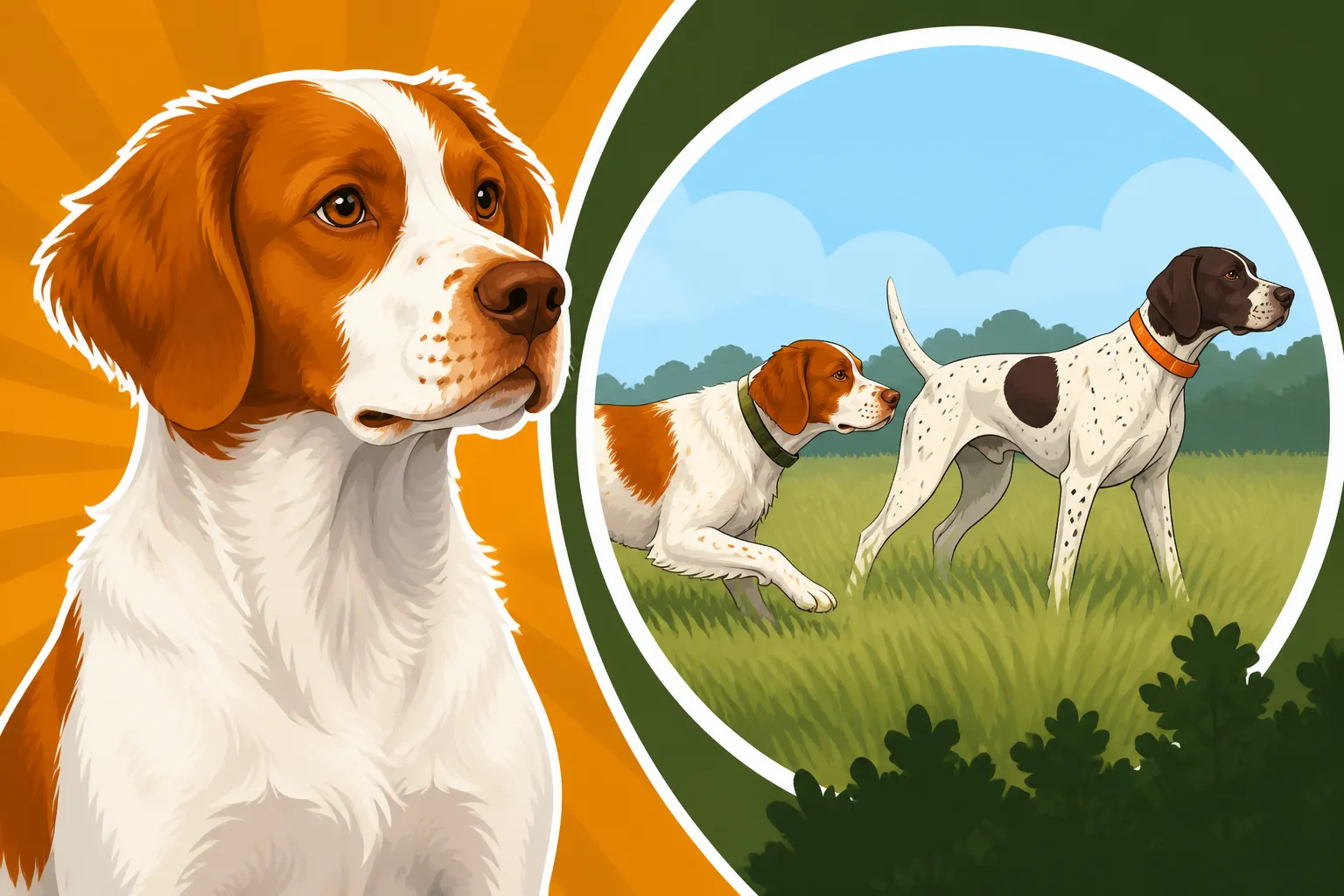
The concept of "backing" or "honoring" another dog's point is a cornerstone of advanced bird dog work. It's not just about manners; it's about efficient hunting and a deep understanding of canine communication. A dog that backs acknowledges that another dog has located game and freezes in place, usually a short distance behind, to avoid flushing the birds prematurely.
Understanding the Natural Drive to Back
Brittanys, with their strong pointing instincts, often possess a natural inclination to cooperate and respond to the actions of other dogs. They are intelligent, observant, and generally eager to please, which gives them a good foundation for developing backing behavior. While some dogs might show a rudimentary form of backing from a young age – perhaps by pausing when another dog points – this instinct needs careful nurturing and specific training to become reliable.
Think about it from your Brittany's perspective. They are hardwired to find birds. When they see another dog lock up on point, their immediate impulse might be to rush in and verify the scent themselves. This is where the training comes in, redirecting that strong prey drive into a cooperative effort. Their inherent intelligence means they can grasp complex concepts, and backing is certainly one of them. It's about teaching them that a shared success is better than a solo bust.
Why Backing is Crucial in the Field
Imagine a scenario: you're hunting with two Brittanys. The lead dog, let's call her "Daisy," locks up on a covey of quail in thick cover. If your second dog, "Rusty," barrels past Daisy to get to the birds, he might flush them out of range, ruining the shot and potentially causing a dangerous situation. This is precisely why backing is so vital. It ensures that the birds remain pinned, allowing the hunter to approach, flush them strategically, and get a clean shot.
Beyond safety and efficiency, backing is a sign of a truly finished gun dog. It demonstrates discipline, respect for another dog's work, and an understanding of the overall hunting strategy. It allows hunters to cover more ground with multiple dogs without the chaos of competitive flushing. A well-trained backing dog contributes significantly to a successful and enjoyable hunt, making the most of every opportunity. It's about preventing disappointment and celebrating shared victories. This cooperation also minimizes the risk of one dog accidentally "bumping" or flushing birds that the other dog has already located, which can be frustrating and counterproductive.
Developing the Back: From Instinct to Reliability
Developing a reliable back in your Brittany isn't something that happens overnight, but with consistent training and patience, it's absolutely achievable. It's about building on their natural tendencies and shaping them into a polished behavior.
Early Exposure and Socialization
The journey to a reliable back often begins long before formal training. Exposing your Brittany puppy to other pointing dogs, especially well-trained ones, can lay a fantastic groundwork. Let them observe older, experienced dogs working in the field. When an older dog goes on point, watch your puppy's reaction. Do they show curiosity? Do they pause? Even subtle signs of recognition are a good start.
Controlled environments are excellent for initial exposure. This could mean taking your young Brittany to watch a training session with a seasoned dog or even just walks with another pointing breed. The goal isn't immediate perfection, but rather to familiarize them with the concept of another dog being "stuck" on scent. Think of it as social etiquette for bird dogs. The more positive experiences they have around other working dogs, the less likely they are to view another dog's point as an invitation to race in. This early socialization helps them understand the cues and body language of a dog on point.
Training Techniques for Consistent Backing
Formal training for backing often begins by mastering foundational commands, particularly "whoa." A dog that understands and obeys a solid "whoa" command can be stopped on command, which is essentially what backing is – a self-imposed "whoa" in response to another dog. You can find more insights on this foundational skill in Teaching a Brittany Whoa.
Once "whoa" is reliable, introduce your Brittany to backing scenarios. Start with a controlled setup:
- Use a steady, experienced dog: If you have access to one, have an older dog go on point on a planted bird.
- Introduce your Brittany on a check cord: Bring your Brittany in from behind and to the side of the pointing dog.
- Command "whoa": As your Brittany spots the pointing dog, give your "whoa" command. If they move to investigate the point, gently correct them with the check cord to keep them still.
- Praise and reward: When they hold their position, lavish them with praise.
- Gradual progression: As they improve, gradually increase the distance and eventually remove the check cord in controlled settings.
Another effective method involves using a remote launcher for birds. You can plant a bird, send in one dog to point, and then bring in your Brittany. If they move to crowd the point, hit the remote launcher to flush the bird. This negative consequence (bird gone!) quickly teaches them that rushing in is counterproductive. Consistency is paramount here. Every time they are presented with a backing opportunity, reinforce the correct behavior. Remember, Brittanys are sensitive to correction, so keep your training sessions positive and encouraging. How Long a Brittany's Training Session Should Be suggests keeping sessions short and focused to maintain their enthusiasm.
Addressing Challenges in Backing
Even with the best intentions, you might encounter challenges. What if your Brittany tries to creep in or crowd the pointing dog? This is often a sign of intense bird drive overriding their discipline. In these cases, reinforce the "whoa" command even more rigorously. You might need to go back to the check cord for a few sessions to regain control. Some dogs, especially younger ones, might also try to break point and join the first dog, moving right up to their side. This still flushes the birds. The goal is for your Brittany to stay behind and honor the point from a respectful distance.
It's vital to stay patient and consistent. If a session isn't going well, end it on a positive note, even if it's just a simple "whoa" on flat ground, and try again later. Never let frustration lead to harsh corrections, as this can make a sensitive breed like the Brittany shut down. How Sensitive a Brittany Is to Correction underscores this point. The key is to teach them that the most rewarding outcome – a bird in hand – comes from cooperative effort.
Brittany Traits That Influence Backing Behavior
The Brittany's unique characteristics, both physical and temperamental, play a significant role in how they learn and execute backing behavior. Understanding these traits can help you tailor your training approach for optimal results.
Sensitivity and Trainability
Brittanys are widely recognized for their "soft" nature and high trainability. Why a Brittany Is Called Soft highlights their responsiveness to gentle handling and aversion to harsh corrections. This sensitivity means they learn quickly from positive reinforcement and can be easily deterred by negative experiences. When teaching backing, this translates to an ability to pick up on cues and understand expectations without needing heavy-handed methods.
However, this sensitivity also means that inconsistent or overly forceful training can quickly backfire, leading to a Brittany that is hesitant, confused, or even gun-shy, as mentioned in How to Introduce a Gun to a Brittany. For backing, it's crucial to use clear, consistent commands, coupled with generous praise and rewards when they get it right. They thrive on knowing what's expected of them, and once they understand the concept of backing, their eagerness to please will drive them to perform. Their innate intelligence makes them generally biddable, but you still need to be a clear and fair leader. What a Brittany's Temperament Is Really Like delves deeper into their overall disposition.
Range and Independence
The typical range of a Brittany can significantly influence how easily they learn to back. American Brittanys, for instance, are often bred to cover a lot of ground, ranging wider than their French counterparts. How Far an American Brittany Ranges explains this tendency. A wider-ranging dog might be out of sight or too far away to reliably see another dog's point, especially in dense cover. This doesn't mean they can't back, but it might require more reliance on a tracking collar or a stronger "come-in" command.
In contrast, French Brittanys tend to hunt closer to the gun, a characteristic detailed in How Close a French Brittany Hunts. This closer working style means they are more likely to observe another dog's point from a distance, making the visual cue for backing more apparent. For either type, teaching them to periodically "check-in" with you or with the other dogs can be beneficial. It's about balancing their natural hunting style with the need for cooperative behavior. Understanding and working with your Brittany's natural range, rather than against it, is key.
The Importance of a Good Foundation
No advanced training, including backing, can truly succeed without a rock-solid foundation in basic obedience. Commands like "here," "heel," and especially "whoa" are paramount. If your Brittany can't consistently "whoa" on command, asking them to self-initiate a "whoa" in response to another dog will be a struggle. A dog that has a reliable recall How Reliable a Brittany's Recall Is is also much easier to manage in a multi-dog hunting scenario, ensuring you can bring them back to honor a point if they miss the visual cue.
Building a strong bond with your Brittany through consistent, positive reinforcement in everyday life will translate directly to their performance in the field. A dog that trusts you and understands your expectations is far more likely to honor another dog's point gracefully. Think of it as cumulative learning: every successful obedience session builds the mental discipline required for more complex tasks like backing. The time invested in basic training pays dividends in advanced field work.
Practical Scenarios and Tips for Multi-Dog Hunts
Taking your Brittany into the field with other dogs, especially after they've started to grasp the concept of backing, is where the real test – and the real fun – begins. Here are some practical tips to ensure successful multi-dog hunts.
Starting with Experienced Dogs
One of the best ways for a young or novice Brittany to learn to back reliably is by pairing them with an older, experienced dog that is a solid backer. Dogs are great learners from observation, and watching a seasoned pro freeze on point when another dog has birds can be a powerful lesson. The younger dog sees the older dog's calm, deliberate action and learns to mimic it.
Start with a scenario where the experienced dog is sent in first to find and point birds. Bring your Brittany in second, keeping them on a check cord initially if needed. Your goal is for your Brittany to observe the older dog's rigid posture and, ideally, respond by stopping themselves. If they falter, a gentle "whoa" command from you, reinforced by the check cord, will guide them. Praise both dogs when the backing is successful. This creates a positive feedback loop for your Brittany, associating the act of backing with your approval and a successful hunt.
Using E-Collars and GPS Tracking in Training
For Brittanys, especially those with a wider range, e-collars and GPS tracking devices can be invaluable tools, not for punishment, but for communication and safety. An e-collar, when used correctly, can reinforce the "whoa" command from a distance, which is particularly helpful if your Brittany is far out and doesn't see the other dog go on point immediately. The goal is to condition the e-collar stimulation to be a reminder, not a shock, linked to a known command. Many hunters use a low-level stimulation to get their dog's attention, followed by a verbal command. Whether a Brittany Needs an E Collar provides more context on this training aid. You can find quality e-collars and GPS trackers on platforms like Amazon, offering a variety of options to suit your hunting style and budget.
GPS tracking devices are also excellent for knowing your dog's location at all times, especially when they might be out of sight. This allows you to anticipate when they might be approaching a pointing dog and prepare to give your "whoa" command or intervention if needed. These tools enhance safety and allow you to manage multiple dogs more effectively without constantly worrying about their exact whereabouts. They are aids for responsible hunting, helping you maintain control and ensure your dogs' safety.
Maintaining Backing Over Time
Like any learned behavior, backing requires ongoing reinforcement to remain sharp. Don't assume that once your Brittany backs successfully a few times, they will always do it perfectly. Regular practice, even during the off-season, is crucial. This can involve setting up training scenarios with planted birds or even just practicing "whoa" in various distractions.
When hunting, always reinforce good backing behavior with praise. If your Brittany consistently backs without needing a command, that's a huge achievement! If they occasionally falter, don't get discouraged. Gently remind them of the expectation with a calm "whoa." If you feel you're hitting a wall, consider consulting a professional gun dog trainer. Services like BAXTER & Bella offer online resources that can complement your hands-on training, though actual backing requires field experience. A professional can assess your Brittany's specific needs and provide tailored guidance. The goal is to build a consistent, confident backer who is a joy to hunt with and a true team player in the field.
| Aspect | Natural Tendency (Untrained) | Trained Backing Behavior | Benefits | Potential Challenges |
|---|---|---|---|---|
| Response | May rush in, crowd, or flush | Freezes, honors point, stays behind | Prevents flushed birds, safe hunting | Strong bird drive, lack of discipline |
| Learning | Observational curiosity | Deliberate training, repetition | Teamwork, efficiency, shared success | Inconsistency, over-excitement |
| Tools | None | Check cord, e-collar, GPS, planted birds | Distance control, safety, clear communication | Improper use, over-correction |
| Brittany Trait | High bird drive, sometimes independent runner | Cooperative, disciplined | Enhanced hunting experience | Softness (requires gentle handling) |
Disclaimer
This article is for general informational purposes only and does not constitute professional advice. Laws, prices and regulations vary by location and change over time. Consult a qualified professional for guidance on your specific situation.