Whether a Thunderstorm Phobic Brittany Will Hunt
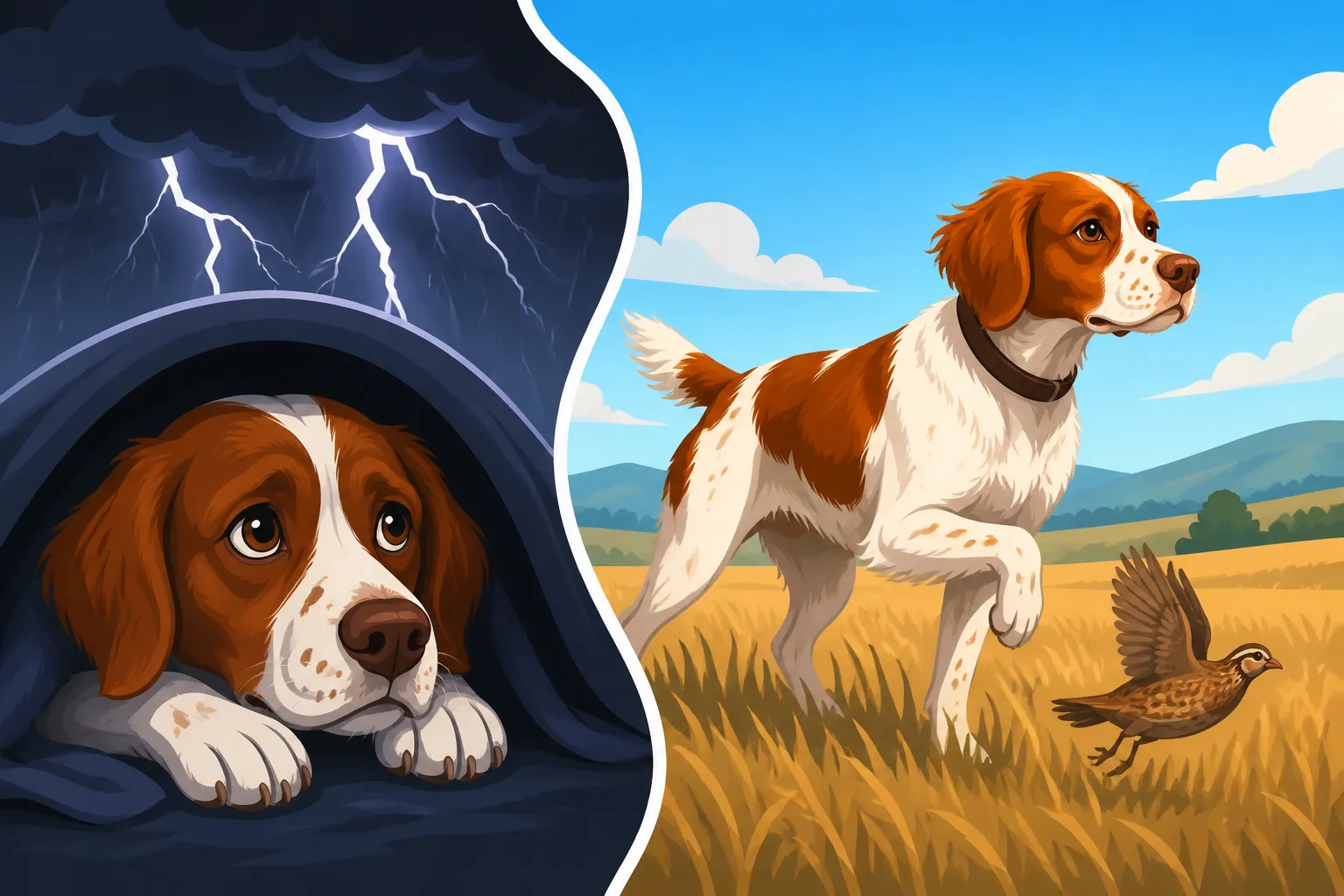
It’s a heart-wrenching scenario: you love your Brittany, you cherish your time together, especially in the field, but then a summer storm rolls in, and your confident hunting partner transforms into a trembling, panting mess. The fear isn't just a nuisance; it makes you question if your beloved dog can ever truly enjoy its purpose or if every boom from the sky will overshadow its natural instincts. This guide will explore the challenges a thunderstorm phobic Brittany faces when it comes to hunting and offer practical advice to help manage their anxiety.
Understanding Thunderstorm Phobia in Brittanys
Thunderstorm phobia, or astraphobia, is more than just disliking loud noises; it's a deep-seated anxiety response that can manifest in various distressing ways. For a breed as intelligent and sensitive as the Brittany, these fears can become incredibly debilitating, affecting not just their comfort at home but potentially their entire working future.
The Roots of Noise Aversion in Brittanys
Brittanys, with their keen senses and genetic predisposition for alertness in the field, can sometimes be more prone to developing anxieties around sudden, loud, or unpredictable noises. While some dogs might just be startled by a loud bang, a truly phobic Brittany experiences a cascade of physiological and psychological stress responses. This isn't just about the thunderclap itself; it's often a complex mix of fear triggered by changes in barometric pressure, static electricity, flashing lightning, and even the scent of rain. It's a full sensory overload for them. Imagine feeling every single one of those changes intensely, coupled with an inability to understand or control the source of the discomfort. It’s no wonder they panic. It's crucial to understand that this isn't a behavioral choice on their part; it's a genuine anxiety disorder.
Recognizing the Signs Beyond Just Hiding
While hiding under the bed or in the closet is a classic sign of fear, a thunderstorm phobic Brittany might exhibit a much wider range of behaviors. You might see excessive panting, drooling, or yawning, which are all stress signals. Some Brittanys become highly restless, pacing frantically, trying to dig or chew through doors, or even attempting to escape the house. Others may become destructive, chewing on furniture or scratching at walls. Urination or defecation indoors can also be a sign of extreme fear, not defiance. Pay attention to subtle cues too: dilated pupils, tucked tails, flattened ears, or an inability to settle even when you're trying to comfort them. They might cling to you intensely, or conversely, try to distance themselves completely. The spectrum of reactions is broad, and it’s important for us as owners to recognize these cues so we can intervene appropriately.
How Severe Can Thunderstorm Phobia Get?
The severity of thunderstorm phobia can range from mild apprehension to full-blown panic attacks that can last for hours. In some severe cases, a Brittany might injure itself trying to escape, or even suffer from stress-induced health issues if the anxiety is chronic. I've heard stories of Brittanys jumping through plate glass windows or hurting themselves in crates because the panic was so overwhelming. This level of fear is not something a dog can just "get over" or "be trained out of" with simple commands. It requires a multifaceted approach, often involving environmental management, behavioral modification, and sometimes even veterinary intervention. The intensity can also increase over time if left unaddressed, turning a minor discomfort into a profound and life-altering fear for your dog. For more on canine sensitivities, read How Sensitive a Brittany Is to Correction.
The Direct Impact on Hunting Performance
The thought of your bird dog, bred for the field, being crippled by fear is truly disheartening. When a Brittany exhibits severe thunderstorm phobia, it naturally raises serious questions about their suitability for hunting, especially given the various loud and unpredictable elements involved.
The Connection Between Noise Phobia and Gun Shyness
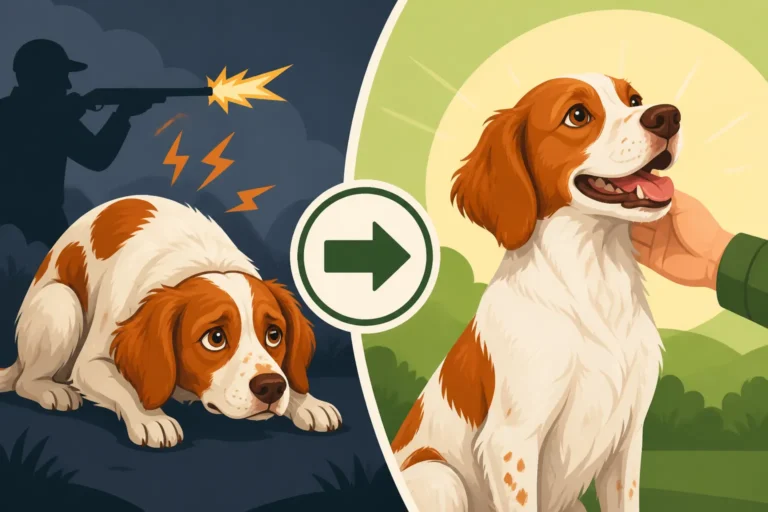
This is where the rubber meets the road for a hunting dog. Thunderstorm phobia often shares underlying mechanisms with gun shyness. Both involve an extreme aversion to loud, sudden noises. If your Brittany is already terrified by thunder, the sound of a shotgun blast, even one introduced gradually and carefully, can easily trigger a similar, if not intensified, panic response. The brain makes connections rapidly, and if one loud, explosive sound is terrifying, another one might be equally so. Many dogs that are gun-shy began with other noise sensitivities, and it's a common progression for a thunderstorm phobic dog to struggle significantly with gun introduction. It's a deep-seated reaction, not a learned misbehavior, making it incredibly challenging to overcome with traditional training methods alone. To understand how to avoid this, consider Introducing a Gun to a Brittany That Spooks Easily.
How Fear Manifests in a Hunting Environment
Imagine your Brittany, a picture of focus and drive, suddenly hearing a distant gunshot or a crack of thunder during a hunt. Their natural instinct to point and retrieve can be completely overridden by panic. They might bolt, shaking uncontrollably, ignore commands, or even become disoriented and lost. Instead of quartering and searching for birds, they might try to find a place to hide, or worse, run off in a blind panic. This isn't just about missing a shot or a retrieve; it's about the dog's entire mental state being compromised. A fearful dog is not an effective hunting partner, and trying to force them through it can be detrimental to their trust in you and their overall well-being. The sounds and unpredictable nature of the field—whether it's an unexpected bang from a farmer's field or a sudden clap of thunder—can become overwhelming triggers.
The Safety Concerns of a Phobic Hunter
Beyond the performance aspect, the safety of your Brittany is paramount. A dog in a full-blown panic can be a danger to itself and others. They might dart into traffic, fall into dangerous terrain, or injure themselves attempting to escape perceived threats. If they run off, locating them in heavy cover or unfamiliar territory, especially during adverse weather, becomes incredibly difficult and dangerous. We put so much effort into making sure our dogs are safe in the field with things like GPS collars and high-visibility vests. A dog consumed by fear negates many of those precautions. It's not fair to the dog, nor is it responsible for the owner, to put a severely phobic Brittany into a situation where their fear could lead to serious harm. This is why careful assessment and management are so critical before ever considering taking a phobic dog into a hunting scenario.
Strategies for Managing Thunderstorm Phobia
Successfully managing thunderstorm phobia requires a lot of patience, consistency, and a multi-pronged approach. While it might feel overwhelming, many strategies can help your Brittany cope and even thrive.
Creating a Safe Haven at Home
One of the most immediate and impactful things you can do for a thunderstorm phobic Brittany is to create a dedicated "safe space" within your home. This should be a small, dark, and quiet area where they feel secure. It could be a bathroom, a walk-in closet, or even a crate covered with a thick blanket in a quiet room. The goal is to dampen external stimuli as much as possible. Play calming music or turn on a fan or white noise machine to mask the sounds of thunder. Having familiar items like their favorite bed, a chew toy, or a KONG filled with peanut butter can also provide comfort and distraction. Introduce this space during calm times so your Brittany associates it with peace, not just panic. When a storm starts, calmly lead them to their safe haven; don't force them, but encourage them to go there. Some owners even use specialized dog beds designed to provide a sense of security and enclosure.
Desensitization and Counter-Conditioning Techniques
These are powerful behavioral modification techniques that, when used correctly, can help change your Brittany's emotional response to thunderstorms. Desensitization involves gradually exposing your dog to the trigger (thunder sounds) at a very low intensity, below their fear threshold, and slowly increasing it over time. Counter-conditioning pairs this low-level exposure with something highly positive, like their favorite treats or a fun game.
For example, you could start by playing recordings of very faint thunder sounds while your Brittany is happily eating dinner or playing with you. If they show any signs of anxiety, you've gone too fast – decrease the volume. The moment they react positively or neutrally, reward them. The idea is to change their association from "thunder equals scary" to "thunder equals treats and fun!" This process takes a lot of time and patience, often months, and needs to be done meticulously. Never push your dog past their comfort level, as this can actually worsen the phobia. You can find storm sound apps or CDs on platforms like Amazon that are specifically designed for pet desensitization. Remember, consistency is key, and short, positive sessions are much more effective than long, stressful ones.
Tools and Aids to Consider
There are several products on the market designed to help reduce anxiety in dogs, and some may be beneficial for your thunderstorm phobic Brittany.
- Pressure Wraps: Products like the Thundershirt work by applying gentle, constant pressure, similar to swaddling a baby. This can have a calming effect on some dogs. Many owners report a noticeable reduction in anxiety behaviors, and they are readily available on sites like Amazon.
- Calming Chews and Supplements: Your veterinarian might suggest calming supplements containing ingredients like L-tryptophan, alpha-casozepine, or herbs. These are not sedatives but aim to promote a sense of calm. Always consult your vet before introducing any supplements.
- Pheromone Diffusers and Collars: Products that release synthetic canine appeasing pheromones (DAP) can help some dogs feel more secure and less anxious in their environment. These are subtle and usually odorless to humans.
- Interactive Toys and Chews: Providing highly engaging, durable chew toys or puzzle toys can help distract your Brittany and channel their anxiety into a positive outlet. A durable chew toy found on Amazon can keep them occupied during a storm.
- Online Training Resources: For owners looking for structured guidance, programs like BAXTER & Bella offer comprehensive online puppy training and support, which can include strategies for socialization and desensitization that lay a foundation for managing noise sensitivities early on. While not specific to storm phobia, their general positive reinforcement approach can be very helpful in building a confident, resilient dog.
| Aid/Method | Description | Potential Benefit | Considerations |
|---|---|---|---|
| Safe Haven | Dedicated, quiet, dark space (crate, closet) with calming sounds/items. | Provides immediate comfort and reduces sensory input. | Must be introduced positively; not a punishment area. |
| Desensitization | Gradual exposure to storm sounds at low levels, increasing over time. | Replaces fear with neutrality or positive association. | Requires immense patience; easy to overdo and worsen fear. |
| Counter-Conditioning | Pairing storm sounds with high-value rewards (treats, play). | Changes emotional response from negative to positive. | Must be done concurrently with desensitization; rewards must be irresistible. |
| Pressure Wraps | Gentle, constant pressure applied by a vest or wrap. | Calming effect similar to swaddling. | Not effective for all dogs; introduce gradually during calm times. |
| Calming Supplements | Oral supplements with natural ingredients to promote relaxation. | Can take the edge off anxiety; non-sedating. | Consult vet first; effectiveness varies; takes time to build up in system. |
| Pheromone Products | Diffusers or collars releasing synthetic canine appeasing pheromones. | Can create a sense of security and reduce stress. | Not effective for all dogs; subtle effect; best used with other strategies. |
Can a Phobic Brittany Still Be a Hunter?
This is the big question, and the answer, like with most complex behavioral issues, isn't a simple yes or no. It depends heavily on the individual dog, the severity of their phobia, the commitment of the owner, and realistic expectations.
Assessing Your Brittany's Individual Response
Before you even consider taking your thunderstorm phobic Brittany into the field, you need a very honest assessment of their reactions. Is their fear mild apprehension, or is it a full-blown panic that sends them into a destructive frenzy? Observe their reactions to other loud noises, like distant fireworks or construction sounds. If they exhibit extreme fear and inability to recover quickly, introducing gunshots or the unpredictable sounds of a hunting environment is likely to be highly traumatic and could permanently damage their confidence.
Conversely, if their "phobia" is more a slight unease that you've successfully managed with desensitization at home, there might be a glimmer of hope. However, the controlled environment of your living room is vastly different from the dynamic, unpredictable sensory overload of a hunting preserve or wild birds. Some Brittanys are just too sensitive at their core to ever truly embrace the loud elements of hunting. A dog that is severely impacted by noise is unlikely to focus on birds or respond to commands when in a state of terror. For a clearer picture on inherent breed traits, look into Whether a Field Bred Brittany Is Bolder.
Realistic Expectations and Adaptations
If your Brittany does have some level of thunderstorm phobia, your expectations for their hunting career need to be realistic. A phobic dog might never be a high-performance gun dog. If you decide to try hunting, it must be approached with extreme caution and adaptation.
- Controlled Environments: Start in very controlled environments. If gun shyness is suspected due to noise phobia, you'll need to go back to basics, even beyond what's usually advised for The Age a Brittany Should Hear Its First Shot. This might involve introducing a starter pistol from a very significant distance, on a calm, windless day, with abundant positive reinforcement.
- Weather Conditions: Only hunt on days with absolutely no chance of storms, and be prepared to cut a hunt short at the slightest hint of changing weather. This can be very limiting.
- Alternative Activities: Perhaps your Brittany can still enjoy "hunting" in a different sense. Scent work, tracking, or even retrieving drills in a quiet park could satisfy their innate drives without the distressing noise component. Many Brittanys excel at these activities and can still live rich, fulfilling lives. For example, Whether a Brittany Enjoys Scent Work can be a great alternative.
- Focus on Comfort: Ultimately, your dog's comfort and well-being should take precedence over any titles or hunting aspirations. It’s a hard truth, but sometimes, a dog's health dictates their path.
When Professional Help is Essential
If your Brittany's thunderstorm phobia is severe, or if your attempts at desensitization and counter-conditioning aren't yielding results, it's time to call in the professionals. A board-certified veterinary behaviorist or a highly experienced positive reinforcement trainer specializing in fear and anxiety can provide tailored strategies. They might recommend a combination of behavior modification techniques and pharmaceutical interventions to help your dog manage their anxiety. Just like humans, some dogs need medication to help calm their nervous systems enough for behavioral training to even be effective. Trying to tackle severe phobias alone, especially with a dog intended for hunting, can often lead to frustration for you and increased distress for your Brittany. Don't hesitate to seek expert guidance; it's the kindest and most effective path for both of you. You want to avoid the situation where you’re asking Whether a Gun Shy Brittany Can Be Fixed because the problem has escalated.
Disclaimer
This article is for general informational purposes only and does not constitute professional advice. Laws, prices and regulations vary by location and change over time. Consult a qualified professional for guidance on your specific situation.